On sale:
-5%
New arrival
Pre-order
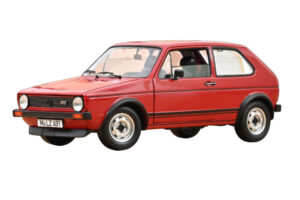
Volkswagen Golf GTI Mk1 Red Norev 1:18
Expected 21-31.10.2026
Pre-order now
Discount ends in: 00d 00h 00m
Price:
was
£59.00
£56.00
Save £3.00
The 1970s turned touring cars into serious motorsport and gave rally its golden foundation, a decade collectors chase for its raw, unrestrained competition spirit. This range covers BMW, Porsche, Ford and Opel across four scales, in diecast and resin.
Save £3.00
Save £3.00
Save £6.00
Save £3.00
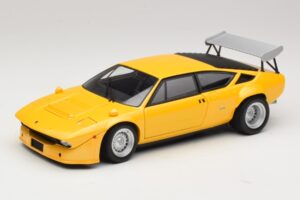
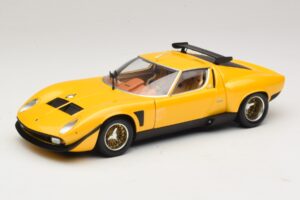
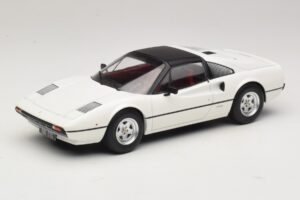
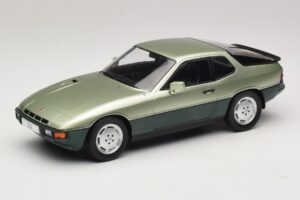
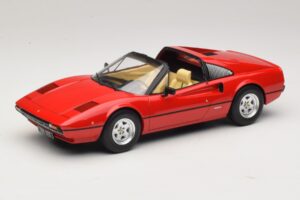
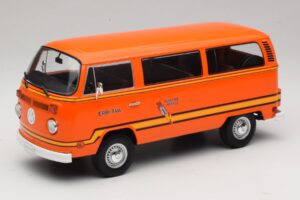
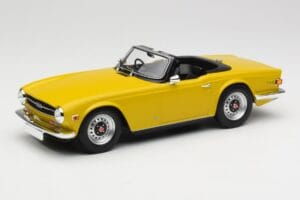
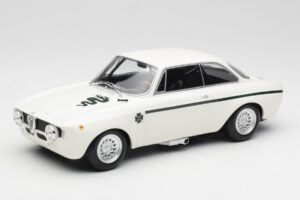
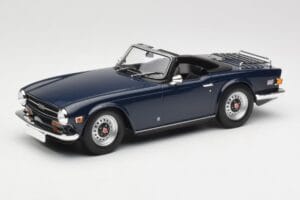
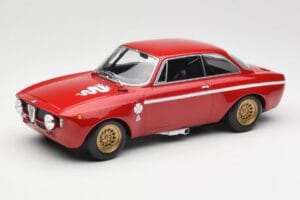
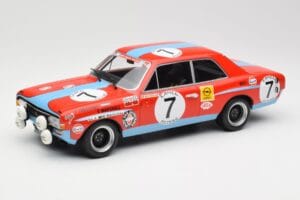
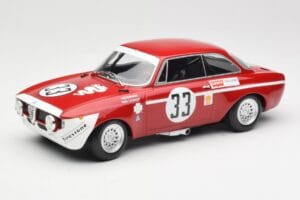
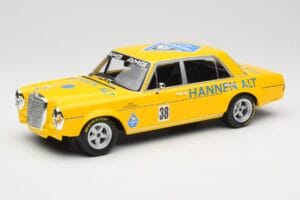
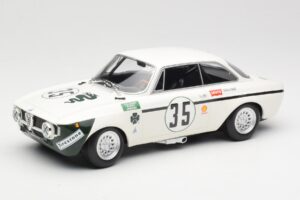
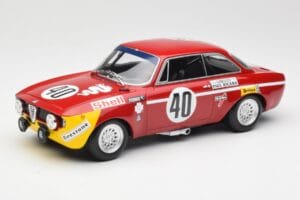
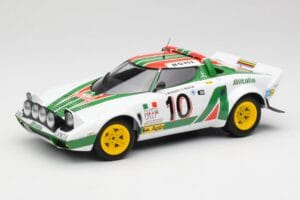
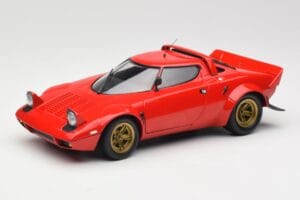
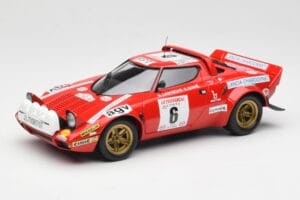
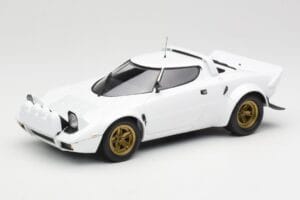
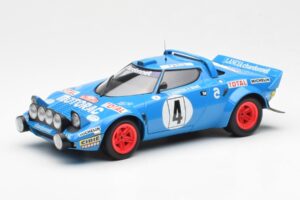
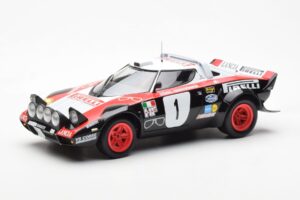
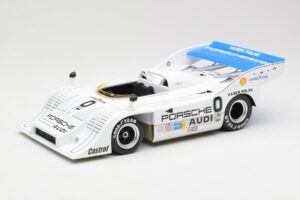
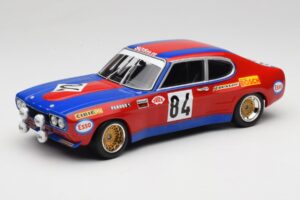
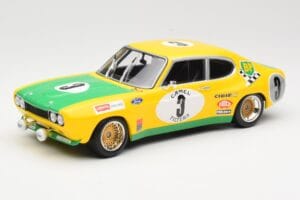
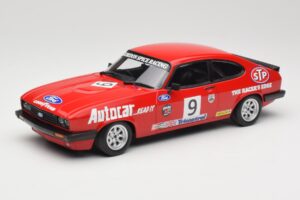
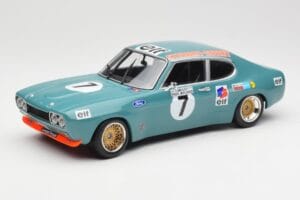
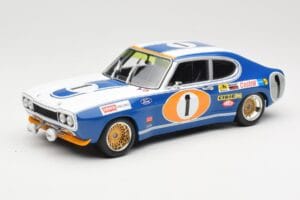
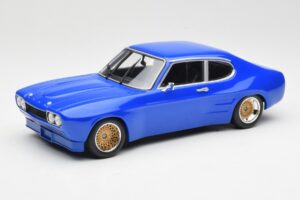
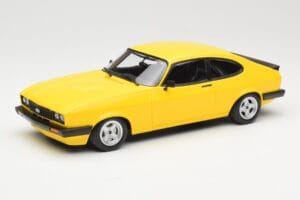
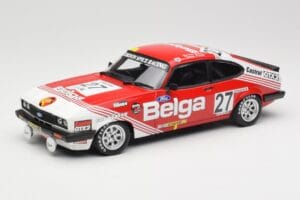
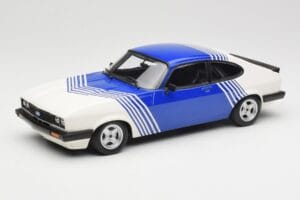
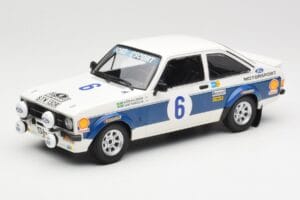
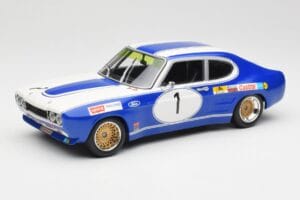
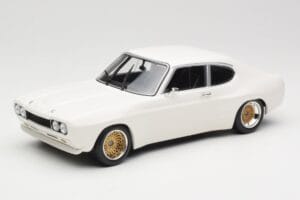
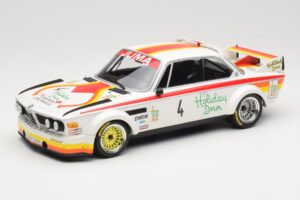
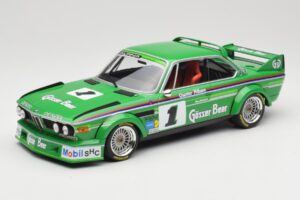
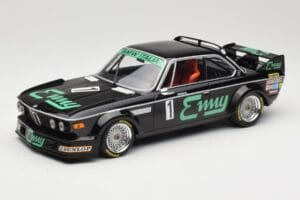
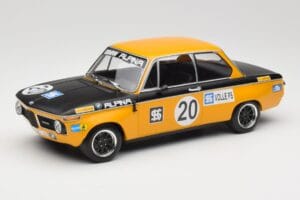
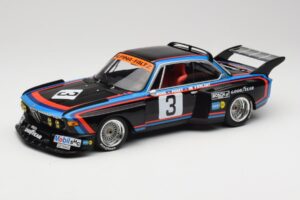
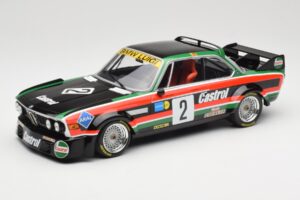
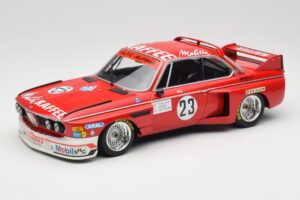
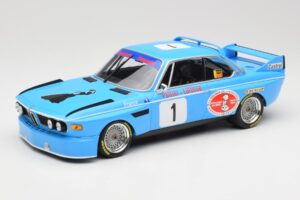
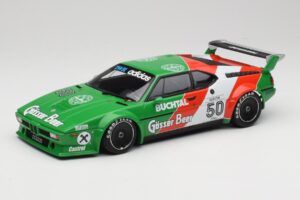
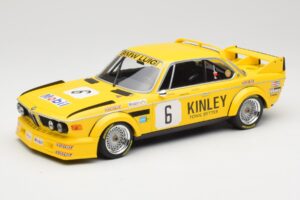
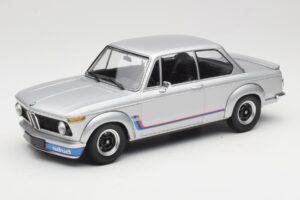
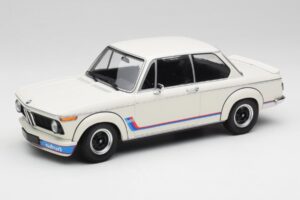
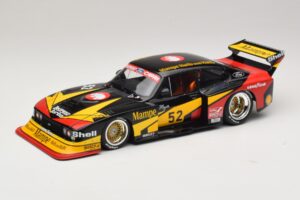
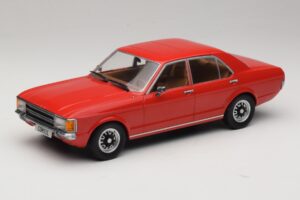
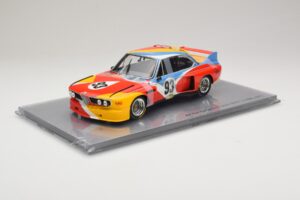
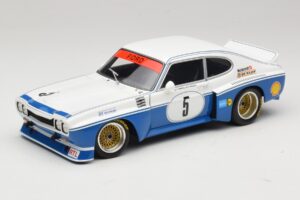
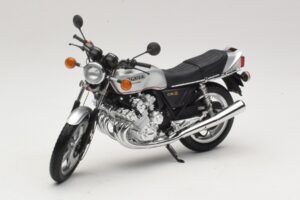
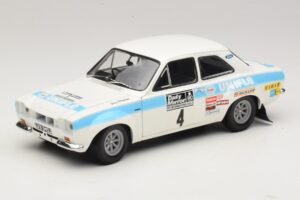
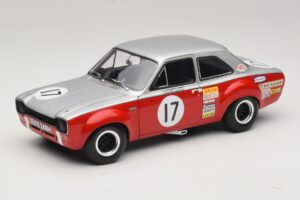
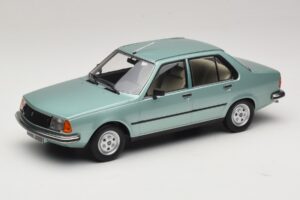
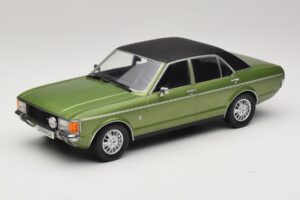
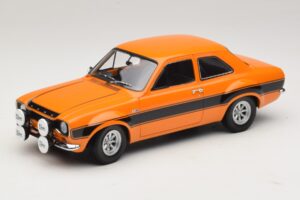
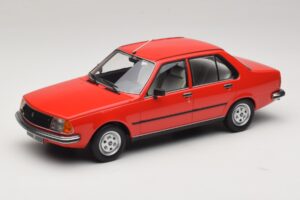
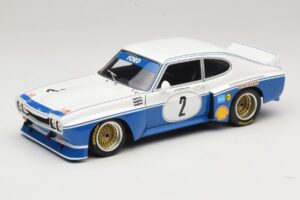
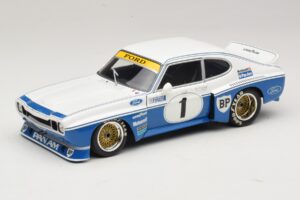
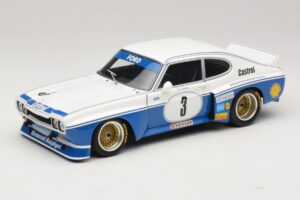
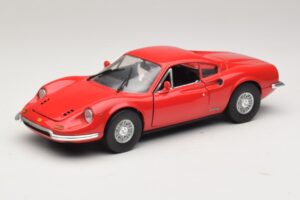
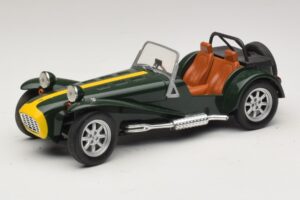
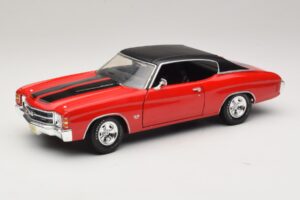
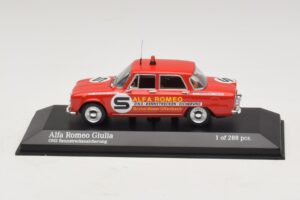
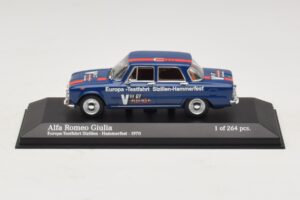
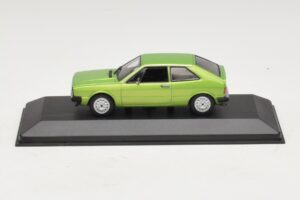
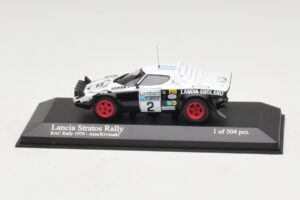
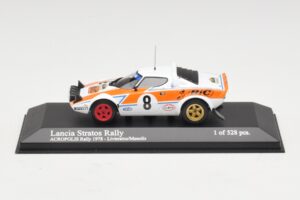
TL;DR: 1970s model cars span classic sports, Group racing historic and early WRC classic subjects from BMW, Porsche, Ford, Opel and Alfa Romeo. Manufacturers including Minichamps, MCG, Norev, IXO and AUTOart reproduce the decade across 1:18, 1:43, 1:12 and 1:24 in diecast and resin.
Touring car and rally competition found their modern shape in the 1970s, a decade when regulations still left room for genuinely wild engineering solutions. That combination of raw competition and comparatively loose rules is what makes the era so rewarding to collect, since the subjects themselves carry more character than their more standardised successors.
Minichamps built much of its early reputation on 1970s touring and rally subjects, MCG has become known for filling gaps in period coverage that larger manufacturers skip, IXO documents the decade's rally stages with wide model-year breadth, and AUTOart brings its composite-construction detail to the era's road-going performance cars. When assessing a 1970s piece:
The decade's competition focus means livery and decal work carries more weight in judging quality than pure casting precision alone.
BMW and Ford's touring car rivalry defined circuit racing this decade, while Porsche and Alfa Romeo brought sports car engineering into both road and competition contexts. WRC classic subjects from this period capture rally before the unrestricted Group B era that followed, giving 1970s rally models a slightly more grounded, mechanical character. Modern classics and historic GT subjects round out the decade's road-car side, reflecting an industry balancing the fuel crisis against genuine performance ambition.
Many collectors build a 1970s shelf around a specific touring car championship or rally series, since the decade's liveries are distinctive enough to anchor a themed display on their own. Others follow a single marque's transition from road car to competition variant, pairing a standard road version with its motorsport-liveried sibling. Given the decade's mix of scales, deciding on 1:18 or 1:43 early keeps a themed collection visually consistent.
Looser regulations produced touring cars and rally machines with real visual character, from wide arches to aggressive aerodynamic addenda. Sponsor liveries from this era are also more varied and collectible than the standardised branding of later decades.
IXO and Otto both document the era's rally stages with strong model-year breadth, while Minichamps and Kyosho add further coverage of period touring and circuit racing subjects from the same years.
Yes, particularly for collectors interested in touring car or rally themes, since the decade's liveries are visually distinctive and well documented across multiple scales and manufacturers at accessible tiers.
The 1970s leans more heavily into motorsport livery and touring car culture, while the 1960s centres more on road-racing crossover sports cars. Both decades share several marques but emphasise different collecting angles.