


Last one
Used
Back in stock
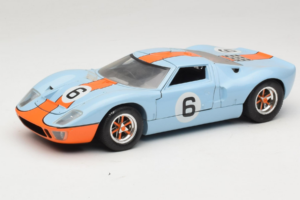
Ford GT40 Gulf #6 J. Ickx / J. Oliver 24 Hours of Le Mans 1969 Revell 1:18
Only 1 left
Price:
£97.00
1:18 is the scale most collectors build their core display around, large enough for panel lines and interior detail to reward a close look, compact enough that a shelf can still hold a proper run. This range spans vintage classics through 2020s supercars, in both diecast and resin, from Mercedes and Porsche to Ferrari and McLaren.
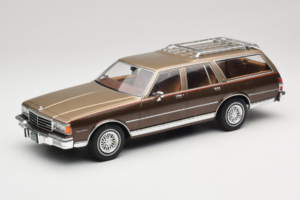


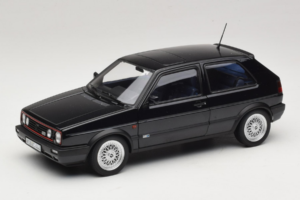
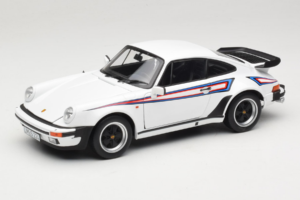
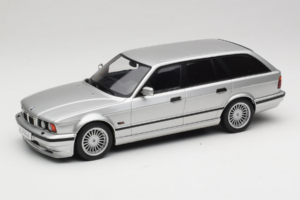



















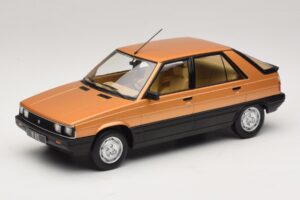

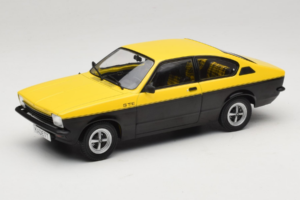
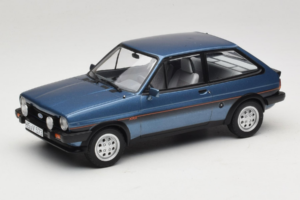
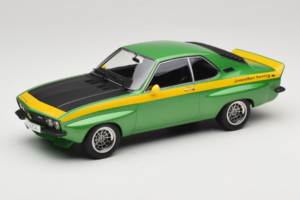




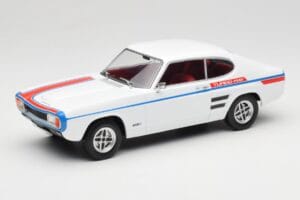















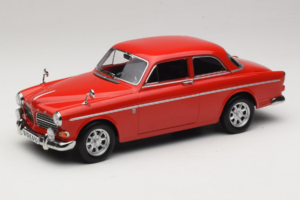

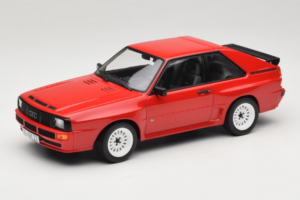




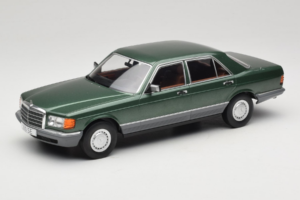
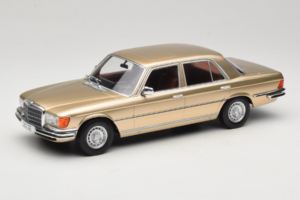




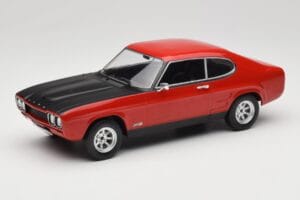

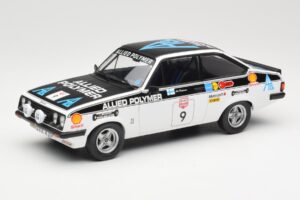




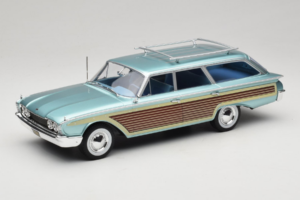

TL;DR: 1:18 scale models here span diecast and resin construction, with Mercedes, Porsche, BMW and Ferrari leading a range that runs from 1980s classics to 2020s supercars. Manufacturers including Minichamps, Norev, GT Spirit, Otto and Bburago cover entry through investment-tier construction at this format.
At roughly 25 to 28 centimetres in length, a 1:18 model sits at the point where detail becomes genuinely examinable without the piece taking over a shelf. Opening doors, bonnets and boots become meaningful at this size, revealing trimmed interiors and engine bays rather than painted-on suggestions of them, which is exactly why so many collections are built around this single format.
This format carries the widest tier spread of any scale in the catalogue, so reading construction matters more here than remembering brand names. Bburago sits at the accessible end with licensed zinc-alloy diecast and opening features, giving newer collectors an affordable route into marques such as Ferrari. Norev and Minichamps occupy the mid-range with tighter shut lines and more considered interiors across a wide spread of subjects. Otto Mobile and GT Spirit push into sealed-body resin construction where panel precision and surface finish take priority over opening parts. A quick reference for placing a piece by construction:
None of these tiers is inherently superior; they simply serve different collecting priorities, from breadth on a budget to a single showpiece.
The marque range at 1:18 reads like a survey of postwar performance and luxury motoring. Mercedes and Porsche anchor decades of engineering pedigree, BMW and Audi bring German touring and motorsport heritage, Ferrari supplies the emotional high point that draws new collectors in, and Ford and Volkswagen add mainstream depth alongside McLaren's more specialist supercar presence. Vintage classics and 1980s subjects sit comfortably beside 2020s supercars, since the scale has remained the industry standard across every era rather than being tied to one period.
A shelf of three cars per metre of width, spaced roughly four centimetres apart, is the practical benchmark for planning a 1:18 display. Because the format spans every tier and era, most collectors set a theme, whether a marque, a decade or a class of car, and buy across price points within it: entry diecast for breadth, one or two investment-grade pieces as anchors. Starting mid-tier gives a fair sense of what the scale offers before committing to hand-built pricing.
It balances size against detail better than any alternative. Large enough for opening features and interior trim to look convincing, yet compact enough that a genuine collection fits on ordinary shelving, 1:18 also carries the widest manufacturer and price-tier spread of any format.
Diecast suits collectors who want opening doors and engine bays to inspect, while resin suits those who prioritise sharp panel lines and don't mind a sealed body. Many beginners start with mid-tier diecast before exploring resin once display priorities become clearer.
Yes, the range spans vintage classics through current supercars, since 1:18 has remained the reference scale across every automotive era rather than being associated with one period. Manufacturers release new-era subjects alongside historic reissues continually.
Around three cars per metre of shelf width with sensible spacing, meaning a typical four-shelf bookcase comfortably holds eight to twelve models depending on vehicle length and how tightly they are arranged.