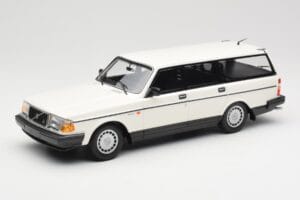
TL;DR: Scale model manufacturers span a tier spectrum from mass-market zinc-alloy diecast houses at entry-level pricing through mid-tier specialists to hand-built resin producers working in small batches. Reading a manufacturer's construction and finish tells a collector more than the name on the box.
Choosing a scale model often starts with a marque or subject in mind, but the manufacturer behind it shapes the actual collecting experience just as much. This hub organises the catalogue by producer, helping collectors navigate the tier spectrum that runs from accessible diecast through investment-grade resin.
How to Evaluate an Unfamiliar Manufacturer
Construction is the most reliable signal. Diecast producers generally favour opening doors, bonnets and boots at the cost of wider panel tolerances where hinges need clearance. Resin specialists trade those opening features for sealed bodies with tighter shut lines and sharper paint depth. Interior detailing, tampo print sharpness on livery graphics, and how a model sits on its wheels all reveal a producer's priorities faster than its reputation does. Price is not automatically a quality signal either: small-batch resin runs often cost more simply because they are made in far smaller numbers, not because they are inherently superior to every diecast alternative.
The Tier Spectrum in Practice
Entry-tier producers work in mass-market zinc-alloy diecast, prioritising broad subject coverage and accessible pricing over surface perfection. Mid-tier producers tighten shut lines and improve interior separation while generally retaining opening features. Upper-mid and investment-tier producers move toward sealed resin or composite construction, chasing panel-line accuracy and hand-applied finishes on smaller production runs. Commission-tier work sits above all of these, offering bespoke large-scale builds made to order.
Material as a Separate Question From Tier
Material does not automatically indicate tier. Premium hand-built work exists in both metal and resin, and volume production runs in both materials too, so judge a manufacturer's material choice separately from its price positioning.
Navigating the Manufacturer Landscape
Most experienced collectors settle on two or three trusted producers across different tiers rather than one, using an accessible diecast house for broad coverage and a specialist for hero pieces.
- Check construction (diecast, resin, composite) before comparing price.
- Compare the same subject across two producers to judge finish differences directly.
- Match a producer's tier to the collecting purpose, breadth versus hero pieces.
Frequently Asked Questions
How do I judge a scale model manufacturer I have not heard of?
Look at construction rather than reputation: check whether panels open, how the interior is finished, and how sharp the paint and tampo printing look. These observable signals tell you more about quality than a brand's name recognition ever will.
Does a higher price always mean a better manufacturer?
Not necessarily. Price often reflects production run size and material rather than pure quality. A well-finished mid-tier diecast can outperform a rushed premium release, so judge each piece on its own construction.
Should a collection use one manufacturer or several?
Most collectors mix producers deliberately, pairing an accessible diecast house for broad subject coverage with a specialist producer reserved for a few hero pieces that anchor the display.
What is the difference between a diecast and resin manufacturer?
Diecast manufacturers generally favour opening features and metal construction, while resin manufacturers produce sealed bodies with tighter panel lines, trading interaction for surface precision.