Last one
Used
Back in stock
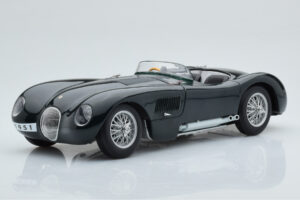
Jaguar built its reputation on cars that combined racing pedigree with genuine road elegance, from Le Mans-winning sports racers to boulevard-cruising saloons. This collection spans that range across diecast, resin and composite construction, giving collectors options from accessible entry pieces to detailed hand-finished replicas.

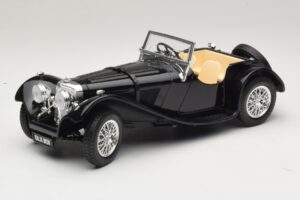
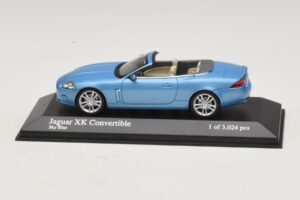

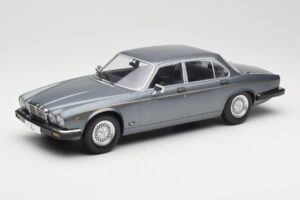



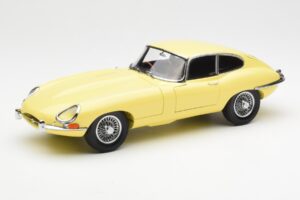
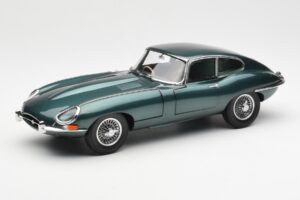
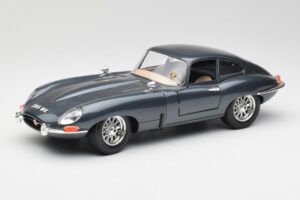
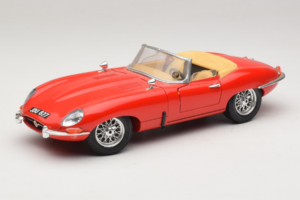

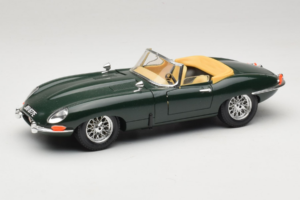
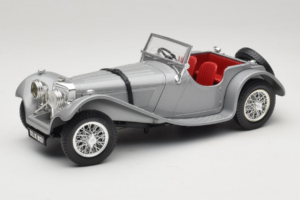
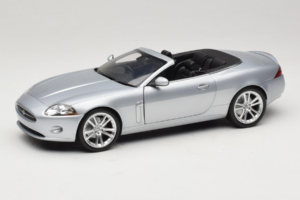
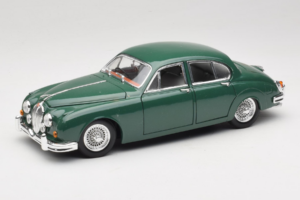
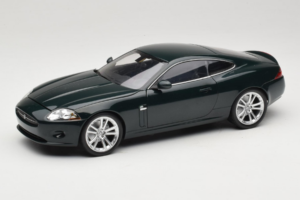

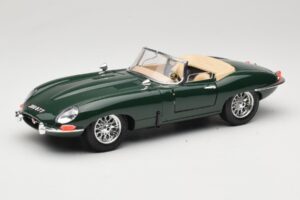
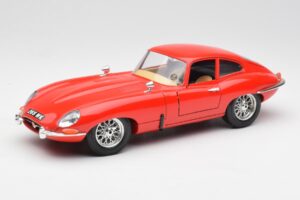

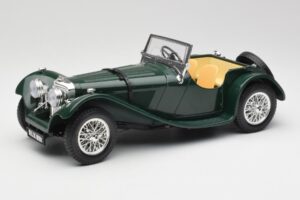
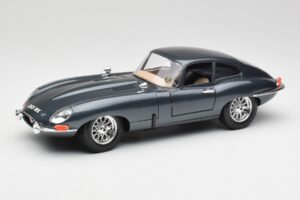

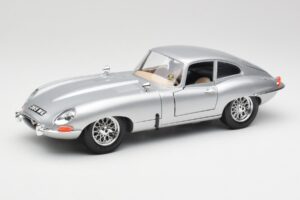
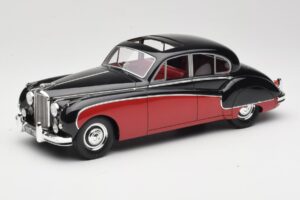

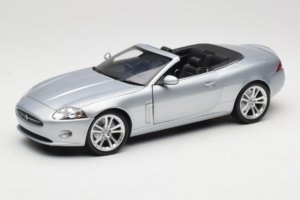
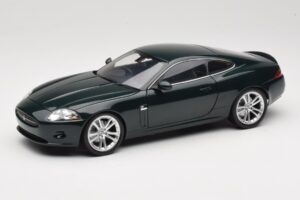

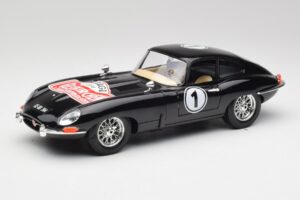
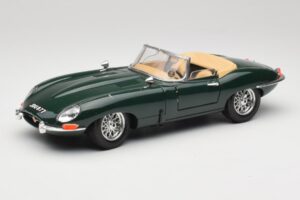
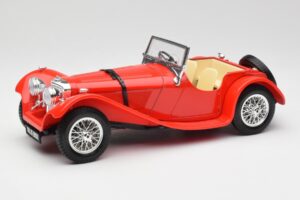

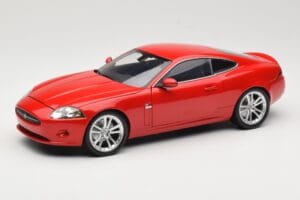
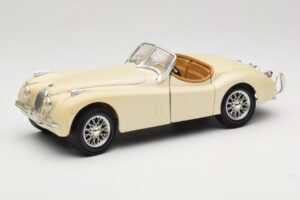
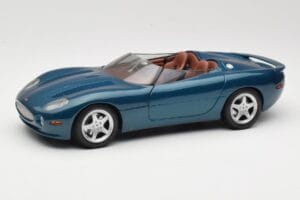
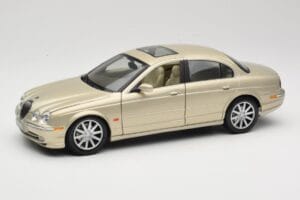
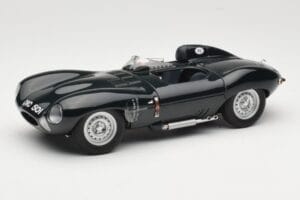


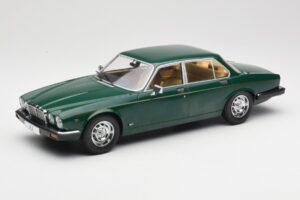
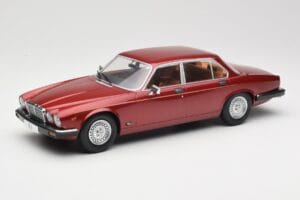
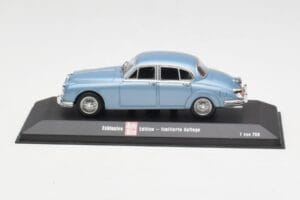



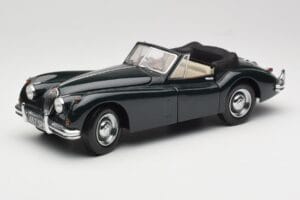
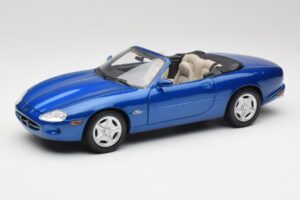
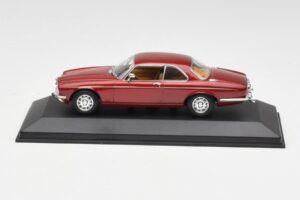
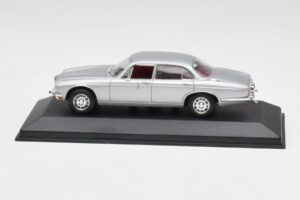
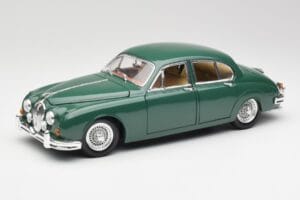
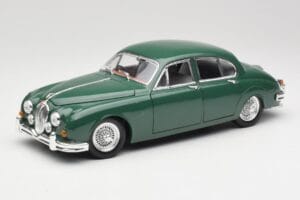

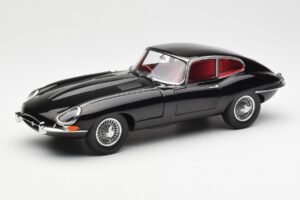
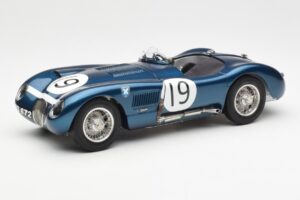
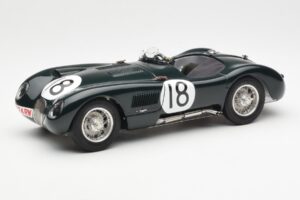
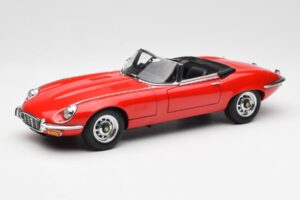
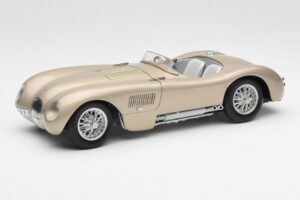

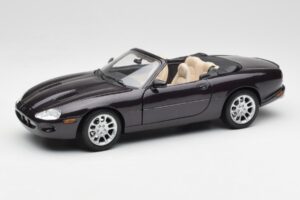
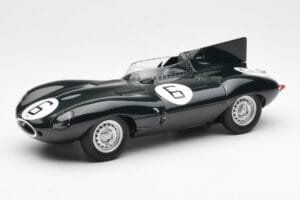






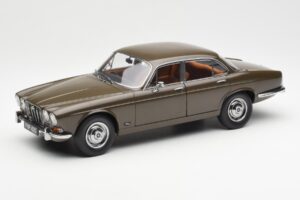
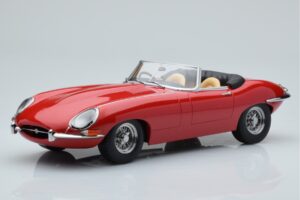

TL;DR: Jaguar model cars here span 1:18 and 1:43 diecast, resin and composite builds from Bburago, Minichamps, AUTOart, Maisto and Almost Real, covering classic sports cars, vintage classics, grand tourers, ultra-luxury sedans and convertibles from the 1950s through the 2000s.
Jaguar's appeal rests on a rare combination: genuine competition success at Le Mans paired with saloons and grand tourers built for effortless road comfort. That dual identity gives a Jaguar collection two distinct directions to pursue, and this range covers both across five decades and every major construction tier.
Bburago and Maisto cover the accessible end with zinc-alloy diecast that captures Jaguar's flowing lines at entry-level pricing, opening doors and bonnet included. Minichamps steps up with tighter shut lines and more considered interiors, particularly on saloon and grand tourer subjects. AUTOart's diecast work targets closer panel accuracy, while Almost Real works in composite and resin construction for its more detailed E-Type and racing-era pieces, prioritising surface precision over opening features. Reading construction rather than assuming a fixed hierarchy remains the reliable approach across this spread.
Jaguar's competition history at Le Mans in the 1950s established the marque's sporting credentials, and that heritage feeds directly into why the classic sports and vintage classics categories carry such weight in this collection. The grand tourer and ultra-luxury sedan lines represent the other half of the story: cars built for comfortable long-distance driving rather than outright speed.
Few shapes in automotive design carry the recognition of the E-Type, and its presence across multiple construction tiers here lets a collector own the same silhouette at very different price points and detail levels.
Beyond road cars, Jaguar's historic GT and GTE entries give collectors a competition angle distinct from the E-Type story, tracing the marque's return to sportscar racing decades after its Le Mans heyday.
A chronological approach works naturally here, tracing the marque from 1950s racing success through 1980s grand tourers to 2000s road cars. Alternatively, a thematic shelf built purely around open-top convertibles or purely around saloons gives the collection sharper focus.
An entry-tier E-Type in 1:18 diecast is the common starting point, combining the marque's most recognisable shape with accessible pricing before moving toward saloon or racing subjects.
Diecast typically includes opening doors and bonnet with metal body construction, while composite pieces combine a metal or resin body with a detailed resin or plastic interior, generally favouring surface accuracy over interactive features.
Yes, historic GT and GTE subjects sit alongside classic sports and grand tourer road cars, giving collectors both a competition thread and a road-going one within the same marque.
1:43 suits saloons and ultra-luxury sedans particularly well, since it allows several generations to sit together on one shelf without the space demands of 1:18.