On sale:
-5%
New arrival
Pre-order
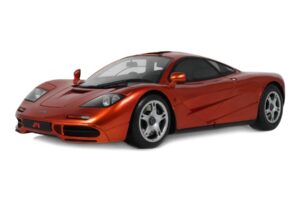
McLaren F1 Mansour Orange GT Spirit 1:18
Expected 4–14 Nov 2026
Few left
Price:
was
£88.00
£84.00
Save £4.00
The 1990s delivered the modern supercar’s coming of age alongside DTM’s manufacturer-backed touring car spectacle and the rise of tuner culture. This range spans Porsche, BMW, Mercedes and McLaren across three scales, in diecast and resin.
Save £4.00
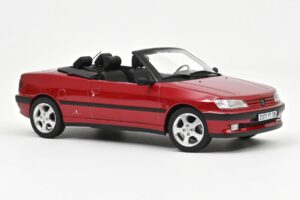
Save £3.00
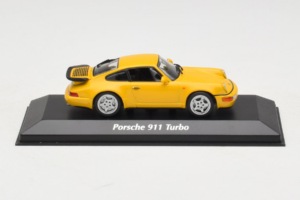
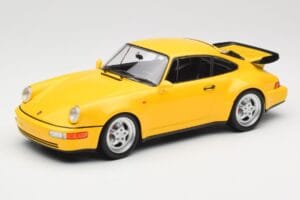
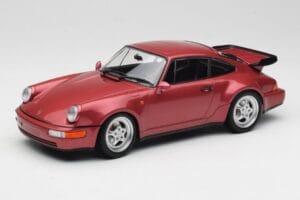

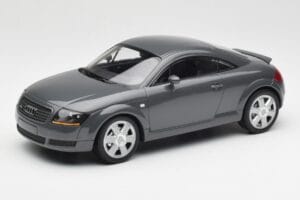
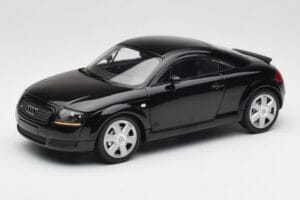
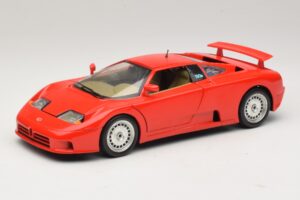
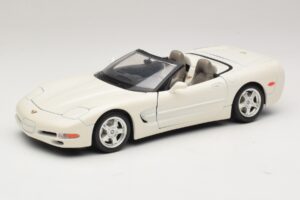

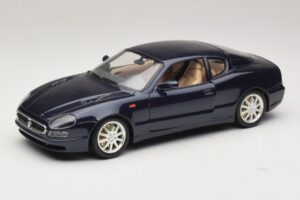

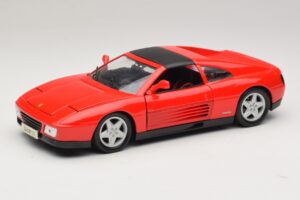
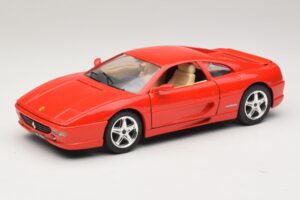
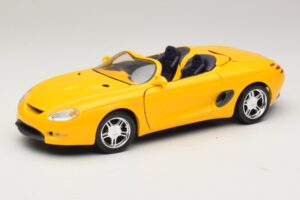
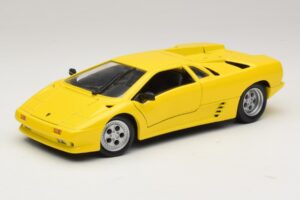
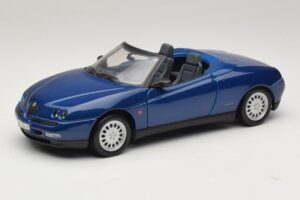
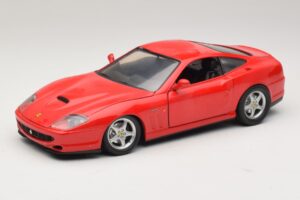
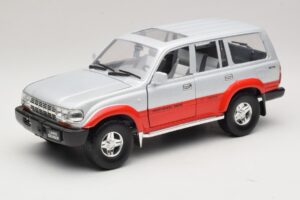
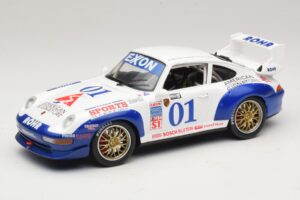
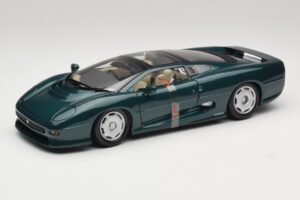
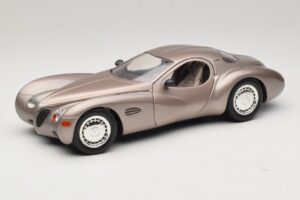
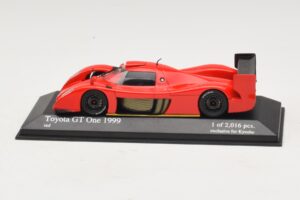

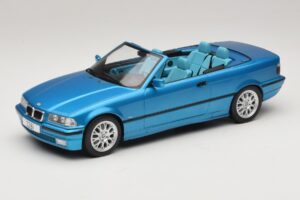
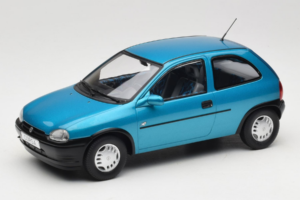
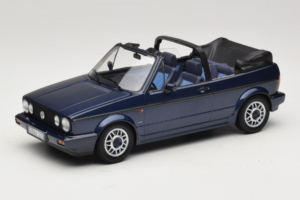
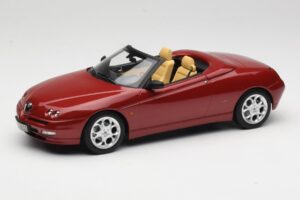
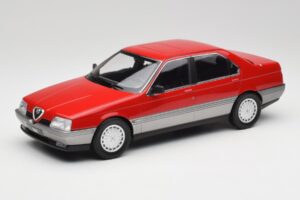
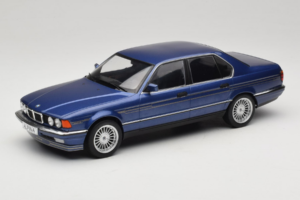
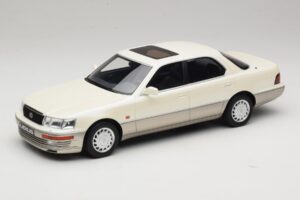


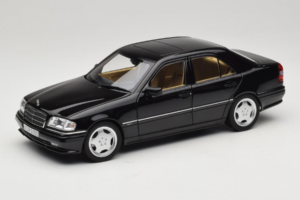

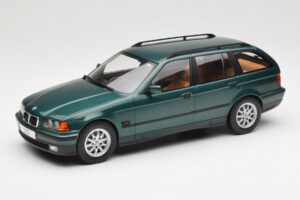

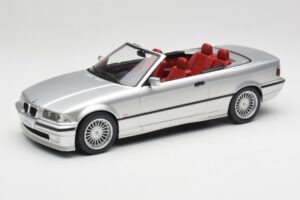
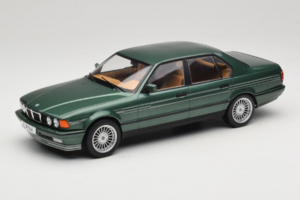
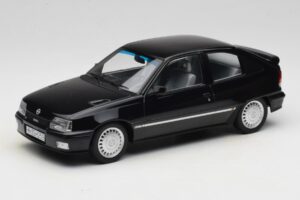
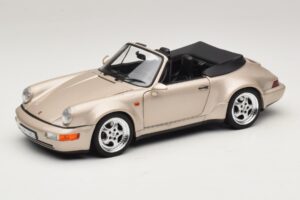


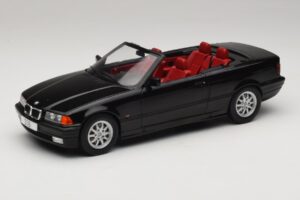
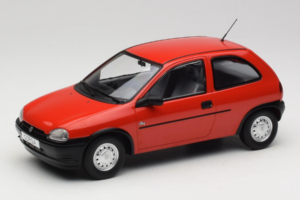
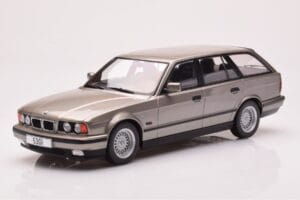
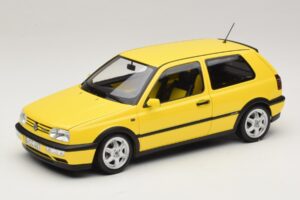
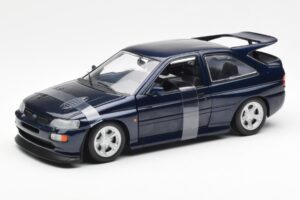
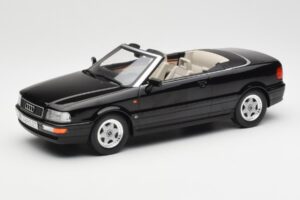

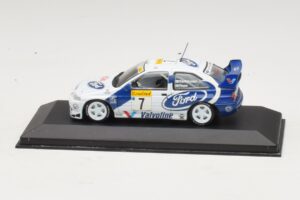
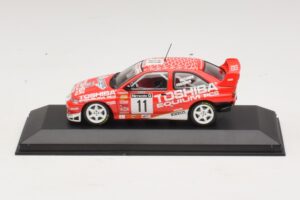
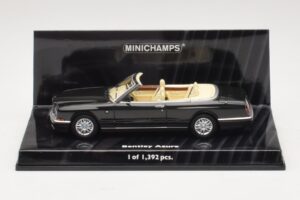
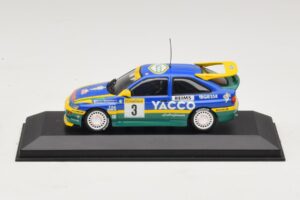
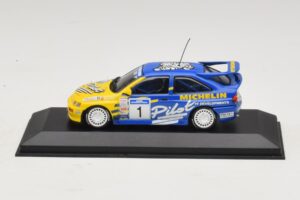

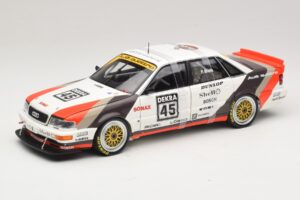



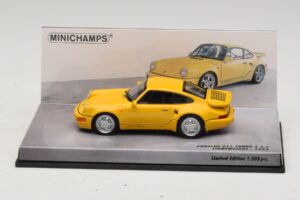


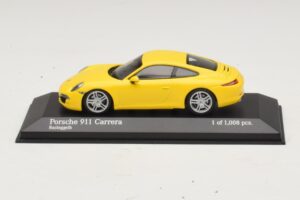
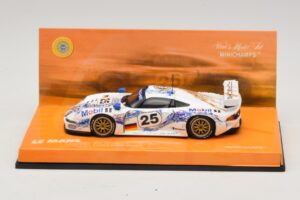
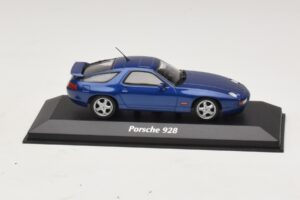

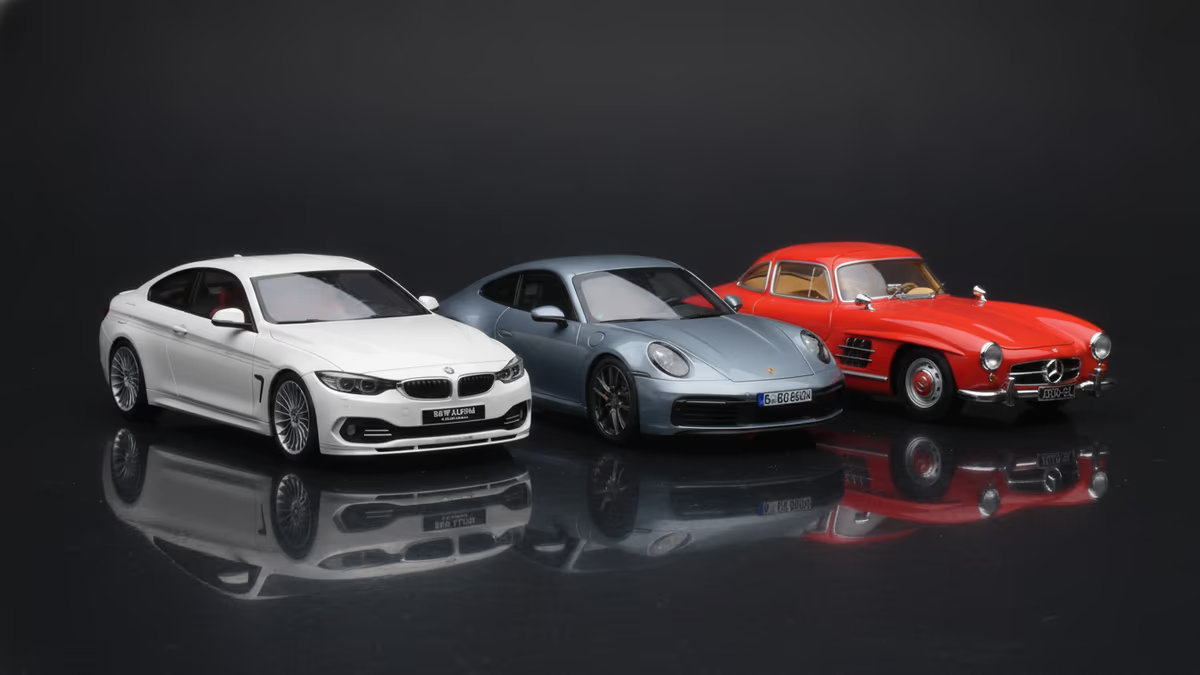
TL;DR: 1990s model cars cover classic sports, supercars, modern classics and DTM touring car subjects from Porsche, BMW, Mercedes, Ferrari and McLaren. Manufacturers including Minichamps, UT Models, Otto, Bburago and Norev reproduce the decade across 1:18, 1:43 and 1:12 diecast and resin.
A genuine golden age for the road-going supercar overlapped this decade with DTM's most spectacular manufacturer-funded touring car era, giving 1990s collecting a rare double focus. Add the rise of tuner culture reshaping ordinary performance cars into something more aggressive, and the decade offers collectors an unusually wide spread of subject matter within a relatively short span of years.
UT Models built a strong early reputation on 1990s supercars before the category matured further under Minichamps and Otto, both of whom now cover the decade's DTM and road-car range extensively. Bburago's accessible diecast keeps period Ferrari and Lamborghini subjects within reach of newer collectors, while Norev's broader marque coverage rounds out the decade's mainstream performance cars. When evaluating a 1990s piece:
Because so many 1990s supercars remain culturally recognisable today, construction quality tends to matter more than subject rarity when judging value.
Porsche and Ferrari's flagship models from this decade sit alongside McLaren's first true road-going supercar statement, while Mercedes, BMW and Audi's DTM programmes turned touring car racing into genuine manufacturer spectacle with silhouette bodywork barely resembling the road cars beneath. Historic GT and GTE subjects add endurance racing depth, and tuner specials reflect a decade when modifying performance cars became mainstream culture in its own right rather than a niche pursuit.
A supercar-led shelf works well for this decade, since the era's flagship models remain visually iconic and are reproduced across every tier from accessible diecast to investment-grade resin. Others build around DTM, chasing a full season's manufacturer liveries in 1:43. Given the decade's genuine breadth, deciding early whether the focus is road cars, motorsport, or tuner culture keeps a collection coherent rather than sprawling.
The decade produced several of the most recognisable supercar silhouettes in automotive history, and these remain reproduced across every price tier, giving collectors a way to own culturally significant subjects at whatever budget they set.
Manufacturer-backed teams ran elaborate silhouette bodywork and sponsor liveries that barely resembled the road cars underneath, giving 1990s DTM models a visual drama that later, more regulated touring car eras rarely matched.
1:18 remains the strongest choice, since the decade's pop-up headlights, wide arches and interior detail all reward the extra size, while 1:43 suits collectors chasing DTM season coverage instead.
Yes, 1990s tuner specials have become a genuine collecting category in their own right, reflecting how mainstream vehicle modification became during the decade rather than remaining a niche subculture.