New arrival
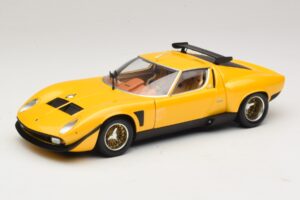
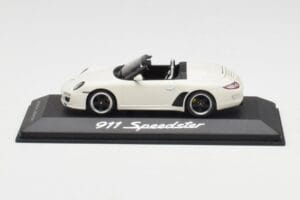
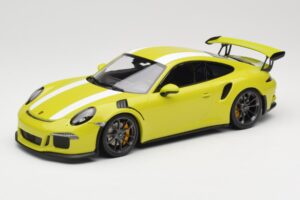
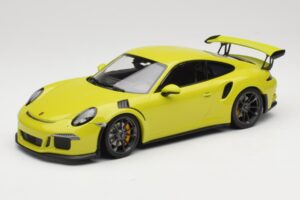
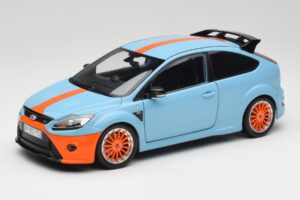
Factory specials cover the variants a manufacturer built beyond the standard catalogue, from homologation specials to anniversary and performance-focused editions. This range spans Porsche, BMW, Ferrari and Ford across three scales.
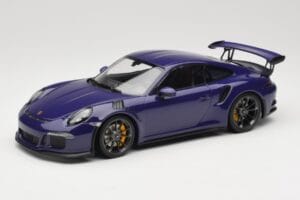
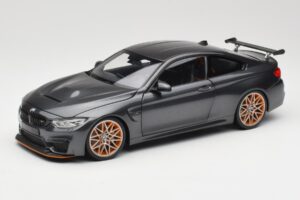


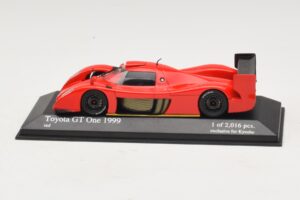
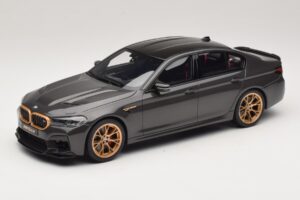
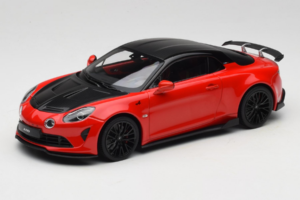
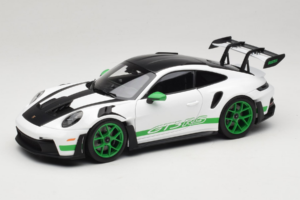
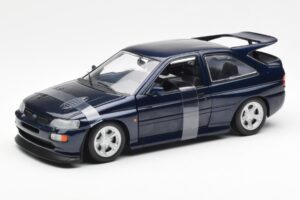
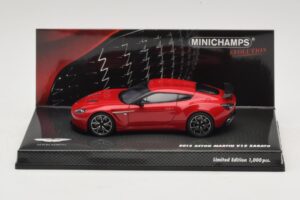
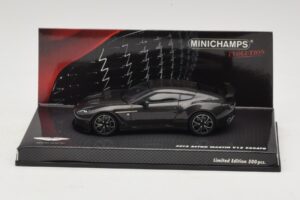
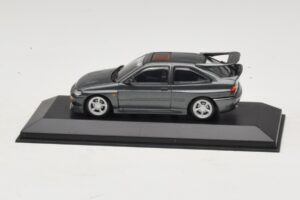
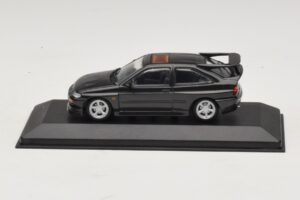
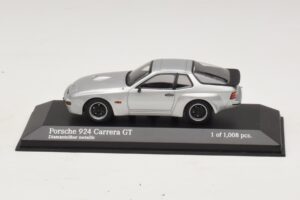
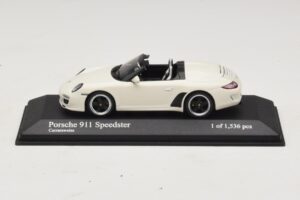
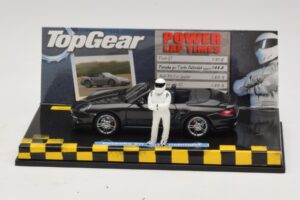
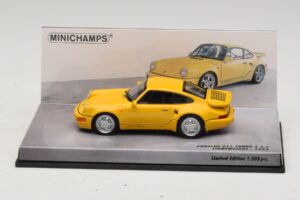
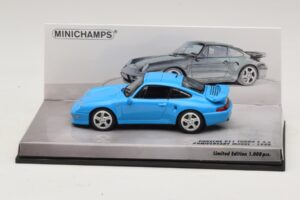
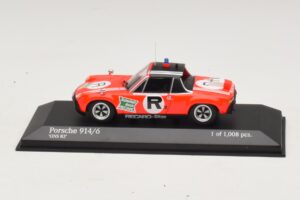
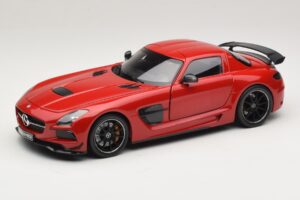

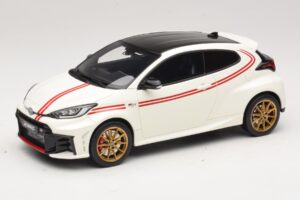
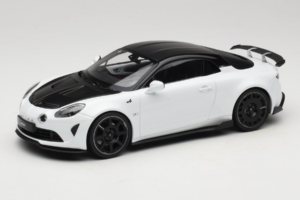
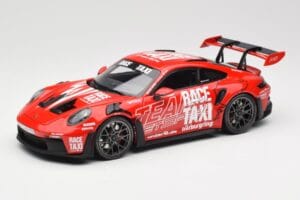
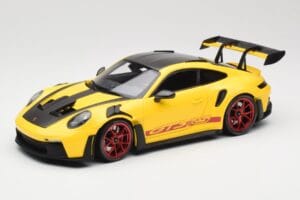
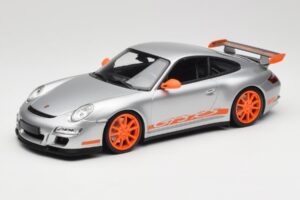
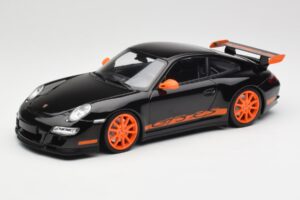
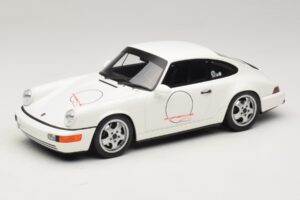
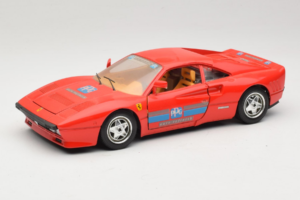
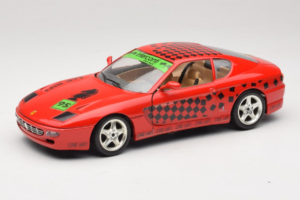
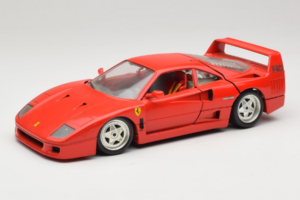
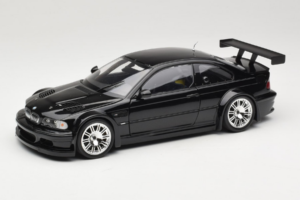
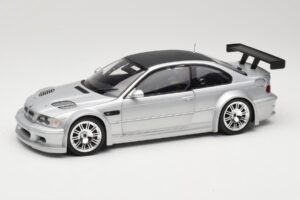
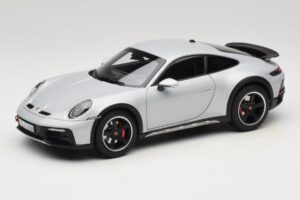
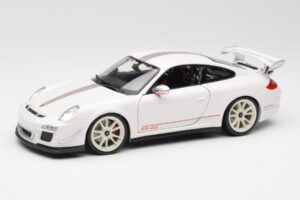
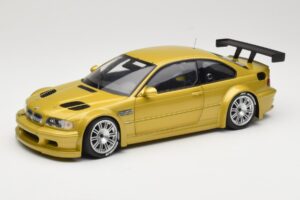
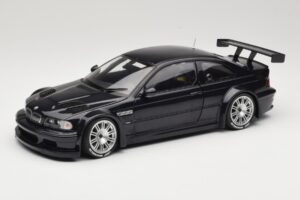
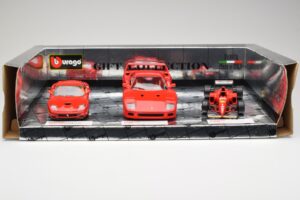
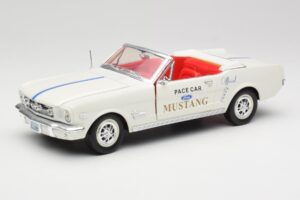
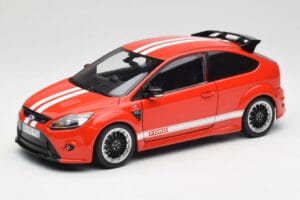
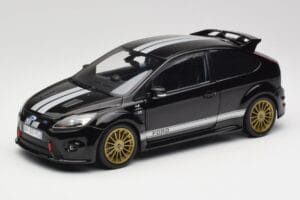
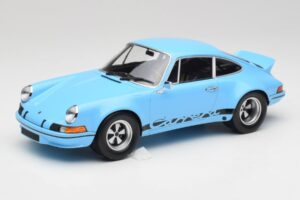
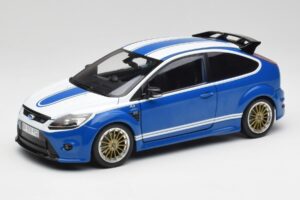
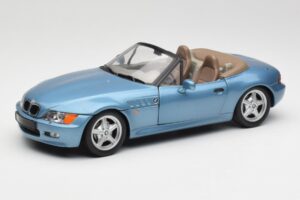
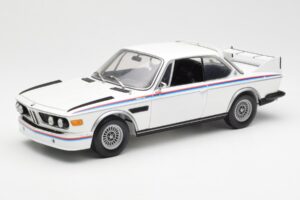

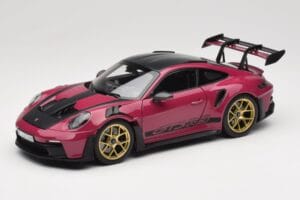
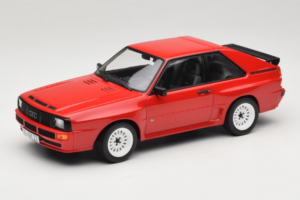
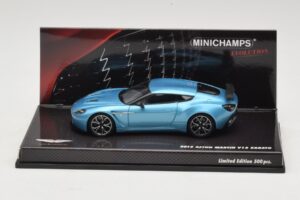
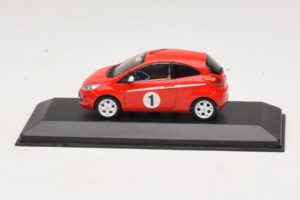
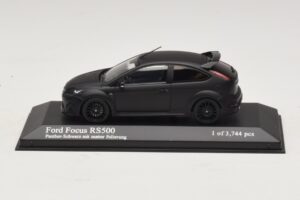
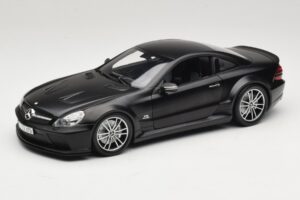
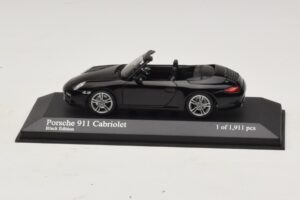
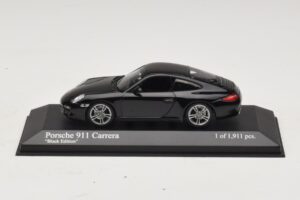
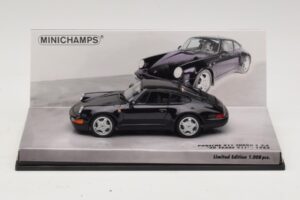
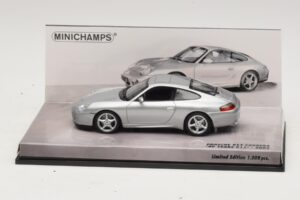
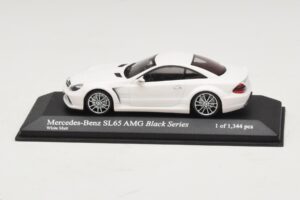
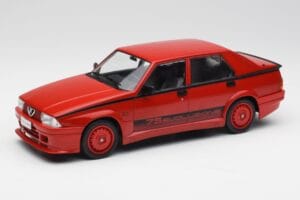
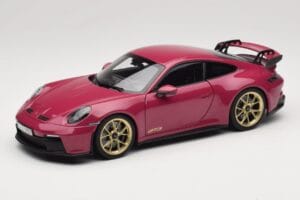
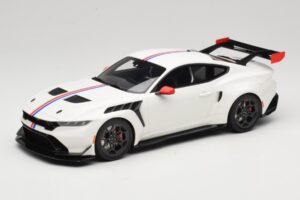
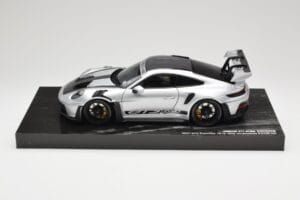
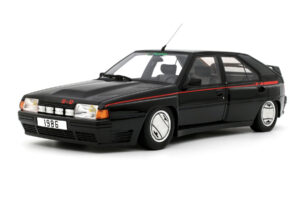

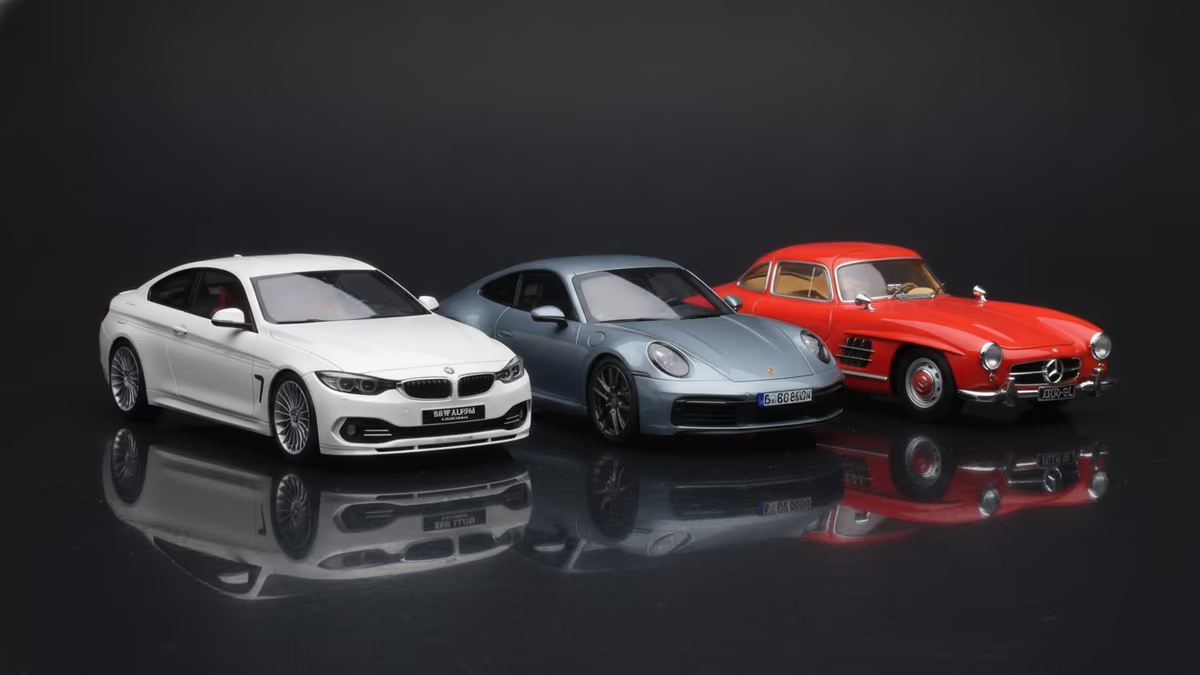
TL;DR: Factory special model cars span manufacturer-commissioned variants from Porsche, BMW, Ferrari, Ford and Mercedes across 1:18, 1:43 and 1:12 scale, in diecast and resin. Manufacturers including Minichamps, Norev, GT Spirit, Bburago and Otto reproduce these subjects from the 1990s through the 2020s.
Every marque has its standard range, and then it has the cars built specifically to push boundaries, mark anniversaries, or satisfy homologation requirements. Factory specials sit outside the everyday production line, and that distinction gives them a collecting significance that a standard model rarely carries on its own.
Minichamps and Norev cover manufacturer-commissioned variants across several marques with dependable mid-tier construction, GT Spirit's resin specialism suits limited performance editions particularly well given the sharper panel lines the format allows, and Bburago and Otto bring their own construction philosophies to the more accessible end of this category. When judging a factory special piece:
Because factory specials are inherently rarer than standard production models, correct identification of the specific variant matters more here than with mainstream releases.
Porsche and Ferrari have both built extensive factory special histories, from homologation specials required to meet motorsport regulations to anniversary editions marking significant company milestones. Ford and BMW's factory specials often emerged from specific performance ambitions, while Alfa Romeo and Audi have used the format to showcase engineering that never quite reached the mainstream catalogue. Spanning the 1990s through the 2020s, this category captures manufacturers at their most ambitious.
Pairing a factory special with its standard production sibling shows exactly what the manufacturer changed and why, making this category particularly rewarding for comparison-focused collectors. Others build around a single marque's factory special history, tracing how the company has marked its own milestones over time. Given the inherent rarity of many subjects here, patience and flexibility across tiers often serves a collector better than fixating on a single manufacturer's interpretation.
A factory special is a manufacturer-commissioned variant built outside the standard production run, whether for homologation requirements, an anniversary, or a specific performance ambition, giving it a rarity that standard models don't carry.
These variants were built specifically to meet motorsport regulations, making them a direct link between a manufacturer's road car range and its competition programme, which gives them genuine heritage significance beyond their rarity alone.
Many collectors do, since displaying both side by side shows exactly what the manufacturer changed for the special edition, making the comparison one of the most instructive parts of collecting this category.
Generally yes, given their inherent production rarity, so flexibility across manufacturer tiers and scales often serves a collector better than insisting on one specific interpretation of a particular variant.