New arrival

AUTOart built its reputation on composite construction that pairs a diecast body with resin or plastic detailing, chasing panel tolerance that pure metal alone struggles to match. This range spans Porsche, BMW, Lamborghini and JDM icons across two scales.








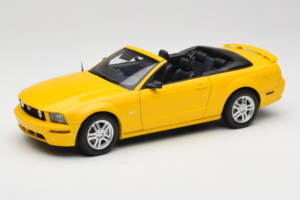



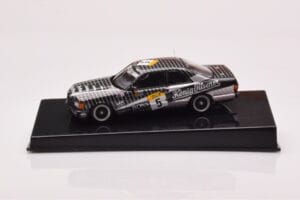









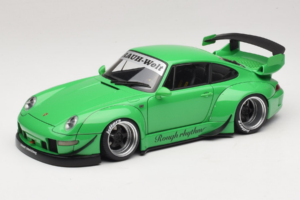
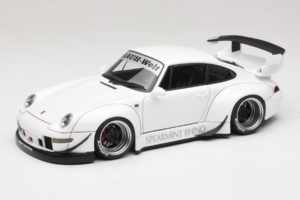
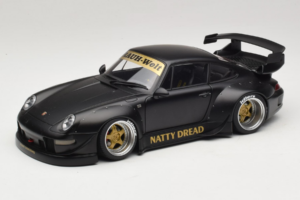
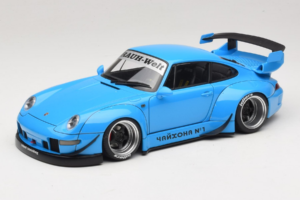
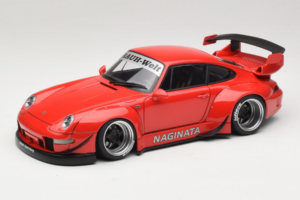
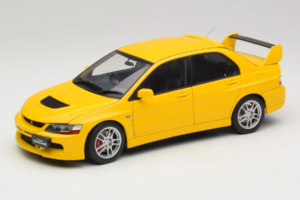


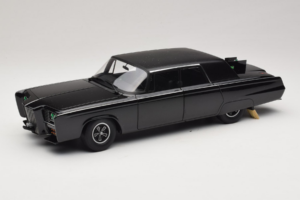

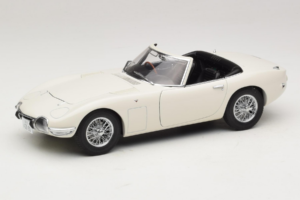
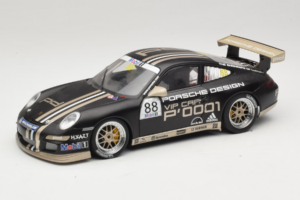
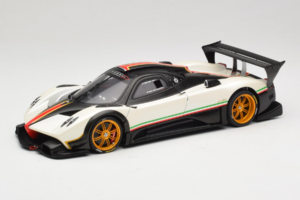
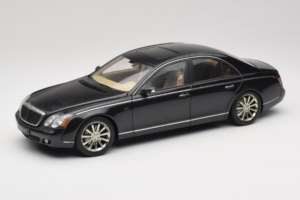
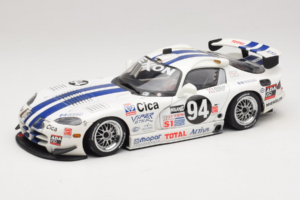

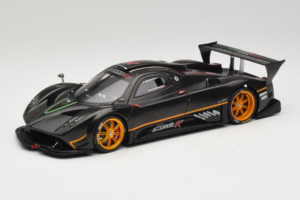

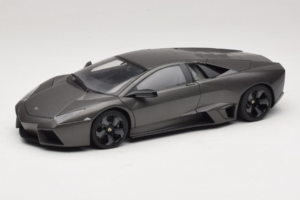


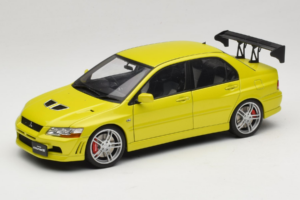
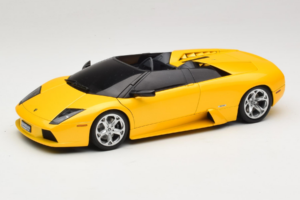

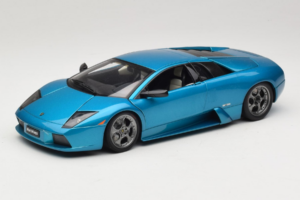

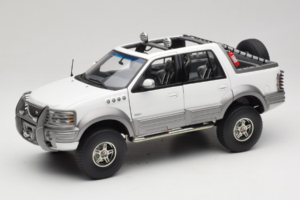
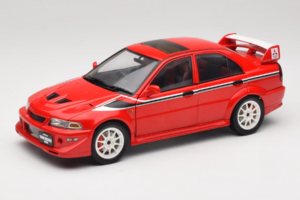


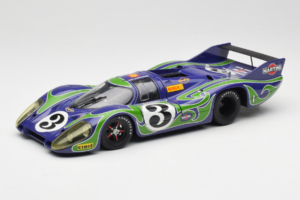

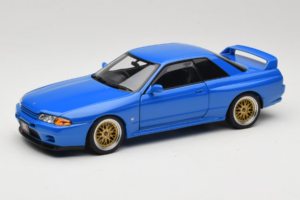
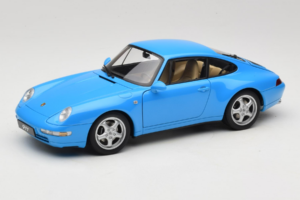
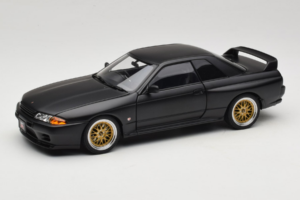
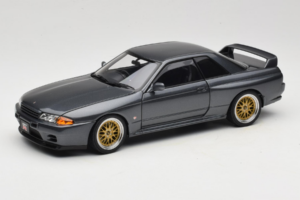



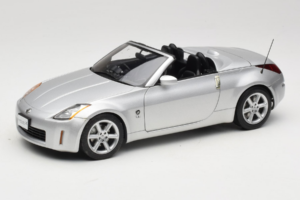
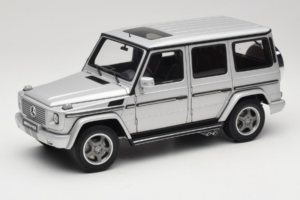
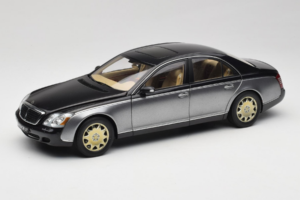
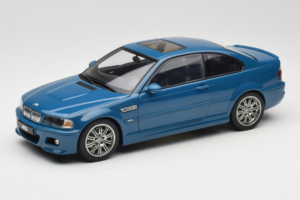
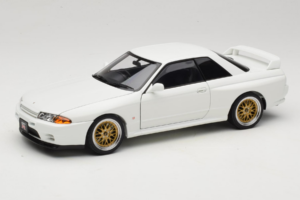
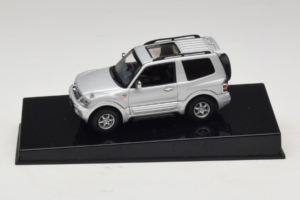
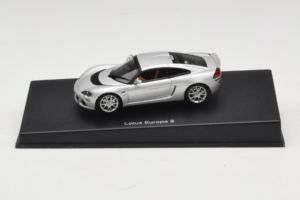


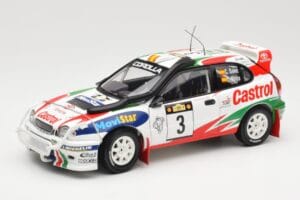

TL;DR: AUTOart produces 1:18 and 1:43 scale models across Porsche, BMW, Mercedes, Lamborghini and Nissan, largely in composite and diecast construction. The range spans classic sports, supercars, JDM performance and grand tourers from the 1980s through the 2010s.
Reading a model's construction tells you more about a manufacturer's priorities than almost anything else, and AUTOart's composite approach, pairing a diecast body with separately moulded resin or plastic components, reveals a clear focus on panel tolerance and finish over sheer opening-feature count. That construction choice runs through the marque range this manufacturer covers.
AUTOart occupies the upper-mid to premium tier within the diecast segment, positioned above mass-market volume producers but generally more accessible than fully hand-built resin specialists. Judging a specific piece means looking past the badge to what is actually in front of you:
These signals matter more than the AUTOart name alone, since construction quality within any manufacturer's range still varies release to release.
The subjects this manufacturer covers lean heavily toward enthusiast-recognised performance icons rather than everyday saloons. Porsche and BMW's classic sports heritage sits alongside Lamborghini's supercar drama, while Nissan and other JDM performance subjects reflect a genuine commitment to Japanese sports car culture that many Western-focused manufacturers overlook. Ford, Chevrolet and Jaguar add further depth across grand touring and vintage classic subjects, giving the range a broad but enthusiast-led character rather than a mainstream one.
Because composite construction rewards close inspection, AUTOart pieces display well under direct light where panel precision becomes visible. Many collectors pair this manufacturer's JDM subjects with its European classic sports releases to show two very different enthusiast traditions side by side. Given the premium positioning relative to mass-market diecast, building a themed shelf around a specific marque or decade tends to work better than chasing the full catalogue at once.
It means a diecast metal body is paired with separately moulded resin or plastic parts for detailing, allowing tighter panel tolerances than pure diecast typically achieves while retaining the weight and durability metal construction provides.
Upper-mid to premium, generally above mass-market volume diecast but more accessible than fully hand-built resin specialists, making it a common step for collectors moving beyond entry-level construction.
The range includes strong Japanese performance car coverage alongside European classic sports and supercar subjects, reflecting a broader enthusiast focus rather than a single national specialism.
1:18 carries the bulk of the range with its detail-focused composite construction, while 1:43 offers a more compact alternative for collectors wanting the same subjects at a smaller footprint.