On sale:
-5%
New arrival
Pre-order
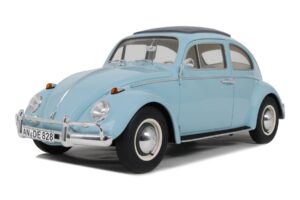
Volkswagen Beetle Brunswick Blue Otto 1:12
Expected 21-31.10.2026
Only 4 left!
Discount ends in: 00d 00h 00m
Price:
was
£146.67
£139.17
Save £7.50
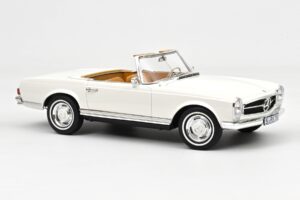
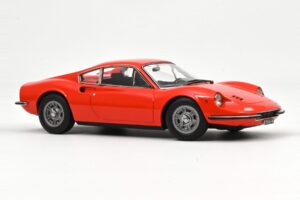
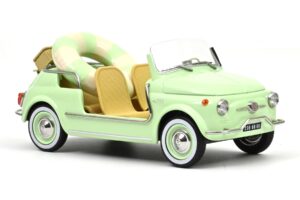
The 1960s produced more genuinely collectable car designs than almost any other decade, from Ferrari and Porsche’s competition sports cars to Ford’s transatlantic racing ambitions. This range covers the era across 1:18, 1:43 and 1:12, in diecast and resin.
Save £7.50
Save £3.00
Save £3.00
Save £3.00
Save £6.00
Save £3.00
Save £3.00
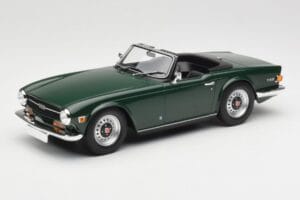
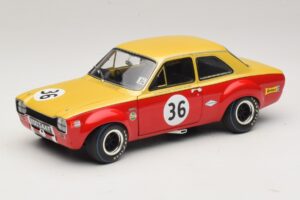
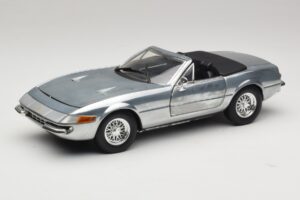
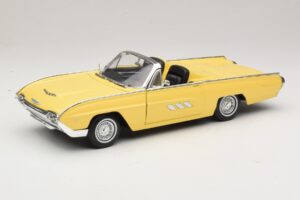
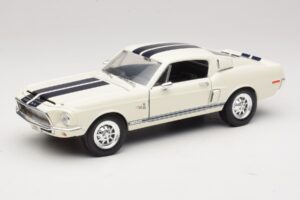
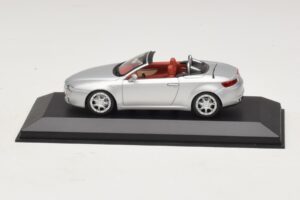
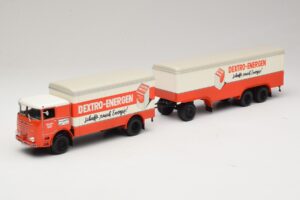
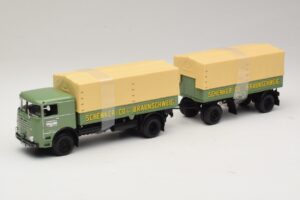
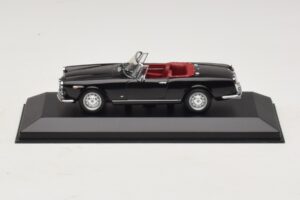
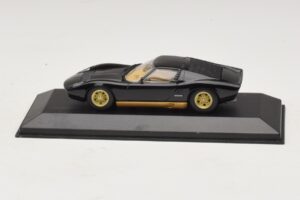
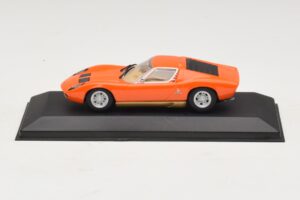
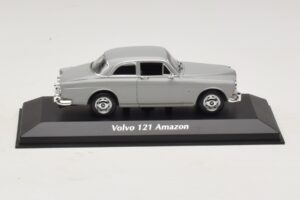
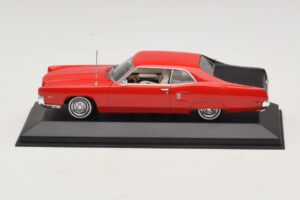
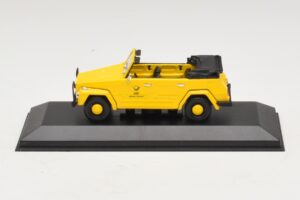
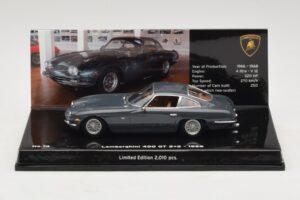
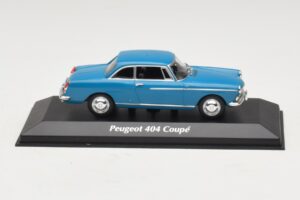
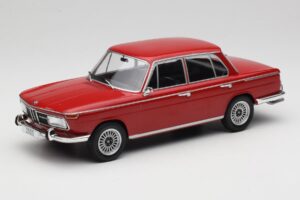
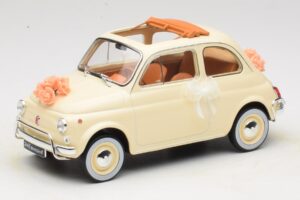
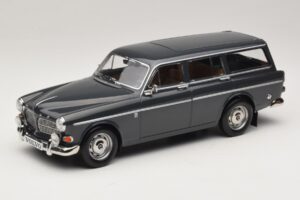
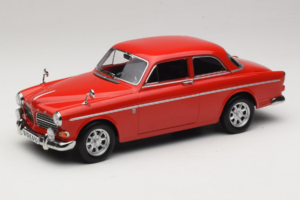

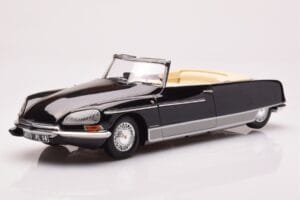
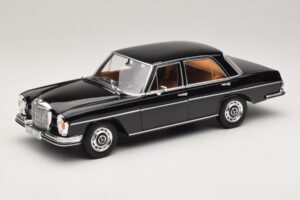

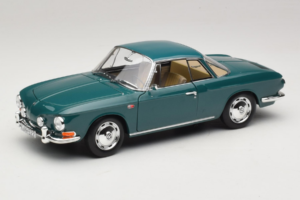
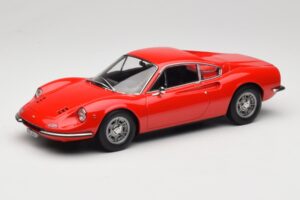
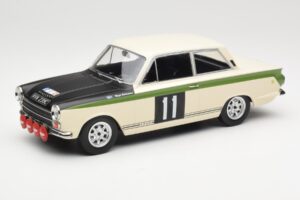
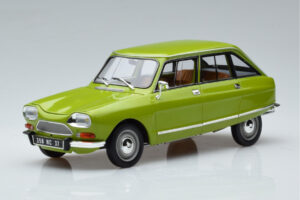
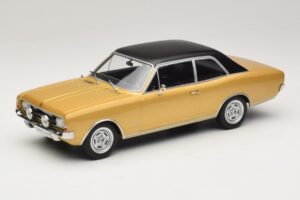
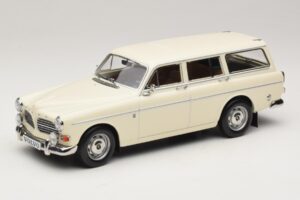
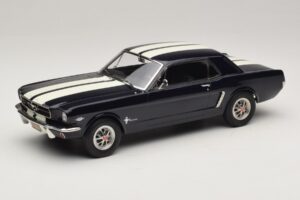
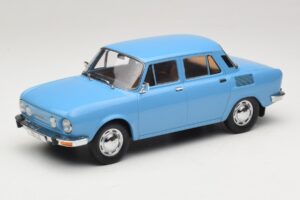

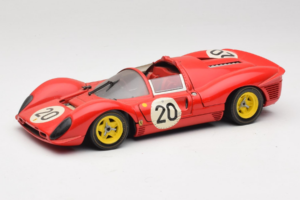
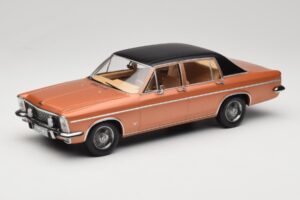
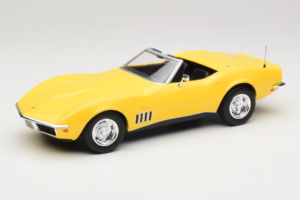
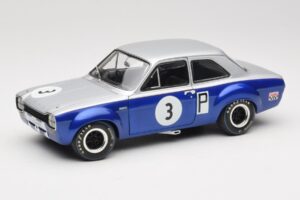
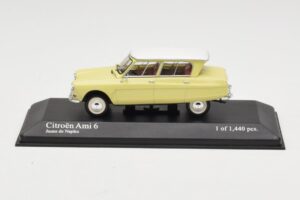
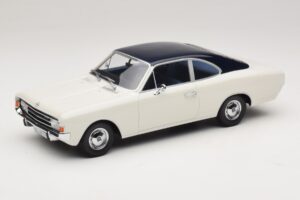
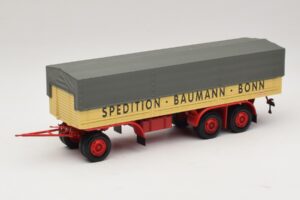




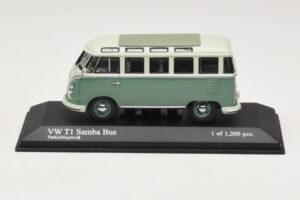
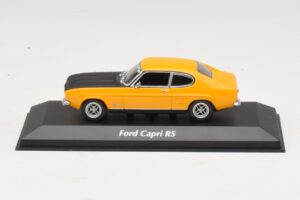
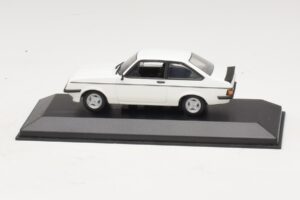
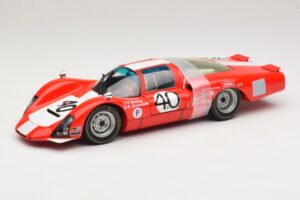
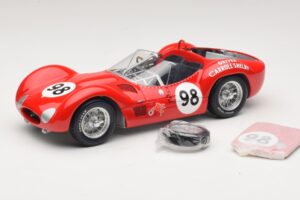
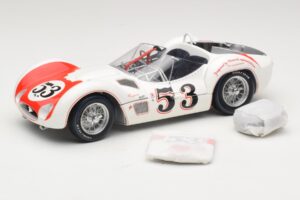
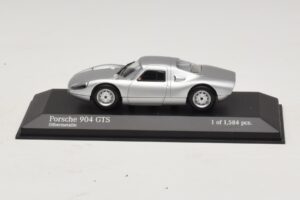
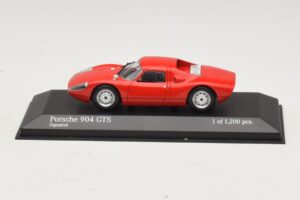
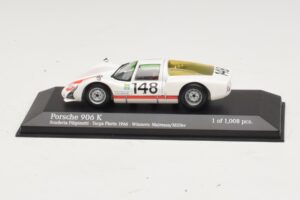
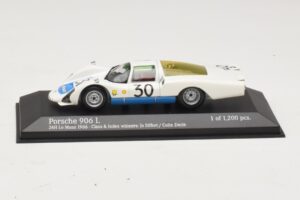
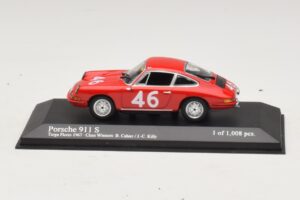
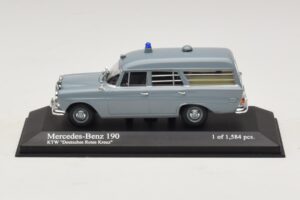
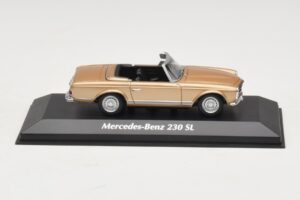
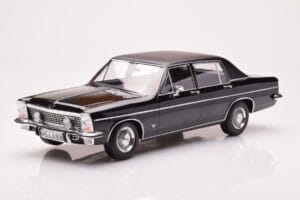
TL;DR: 1960s model cars cover classic sports, historic GT and muscle car subjects from Ferrari, Porsche, Ford, Mercedes and Chevrolet. Manufacturers including Minichamps, Norev, Bburago and Kyosho reproduce the decade across 1:18, 1:43 and 1:12 diecast and resin construction.
Several manufacturers competing to build the same handful of icons, each with its own interpretation of a decade's defining shapes, is what makes 1960s collecting so satisfying. This is the decade of the road-racing crossover, where competition engineering and everyday sports car design converged, and it remains one of the deepest wells any scale model manufacturer can draw from.
Bburago's accessible diecast opens the decade's Ferrari icons to newer collectors, Minichamps and Norev bring broader marque coverage with tighter construction, Kyosho applies its motorsport-honed precision to period racing subjects, and MCG has carved out a niche reproducing lesser-known models from the era that larger manufacturers overlook. Signals worth checking on any 1960s piece:
Because so many manufacturers reproduce the same handful of hero subjects, side-by-side comparison across tiers is genuinely rewarding at this scale of the hobby.
The decade's road-racing crossover gives its models real narrative weight. Ferrari and Porsche's parallel competition histories, Ford's transatlantic racing ambitions, and the muscle car era taking shape in America all give 1960s subjects a story beyond styling. Historic GT and GTE racing from this period sits alongside modern classics like early BMW and Citroen models, giving the decade a breadth that spans from outright competition machinery to everyday European motoring.
A 1960s collection often takes shape around a single rivalry or racing series, since the decade's manufacturer competitions translate so naturally into a themed shelf. Others build chronologically by marque, tracing a single manufacturer's design evolution across the decade at a consistent scale. Because so many icons from this era exist across every tier, mixing an entry-level diecast alongside one investment-grade resin piece of the same subject makes for a genuinely instructive comparison.
Competition engineering and road car design converged this decade, producing sports cars that remain benchmarks today. Multiple manufacturers reproduce the same subjects, which lets collectors compare construction quality directly across tiers on cars they already recognise.
Ferrari, Porsche, Ford, Mercedes and Chevrolet lead the range, with BMW, Citroen and Jaguar adding further depth across both road and racing subjects from the period.
1:18 gives period racing liveries enough surface for decal detail to read clearly, while 1:43 suits collectors documenting an entire season or championship from the era on limited shelf space.
Subject significance matters more than era alone; a documented racing chassis or a widely reproduced road icon from this decade tends to hold long-term interest better than a lesser-known model, regardless of tier.