Last one
Used
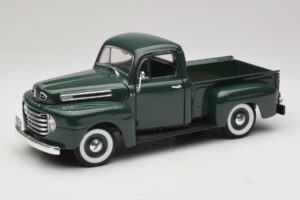
The 1940s produced two very different automotive stories: the utilitarian vehicles built for wartime service, and the first tentative civilian designs of the post-war years. This range covers both, from Jeep and Land Rover off-road pioneers to early Ford and Chevrolet passenger cars, across diecast and resin.
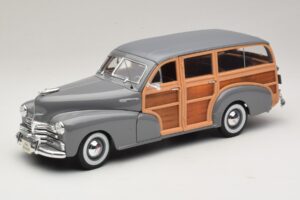
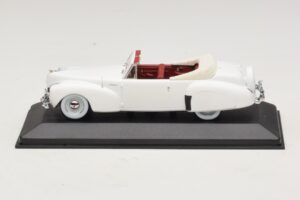
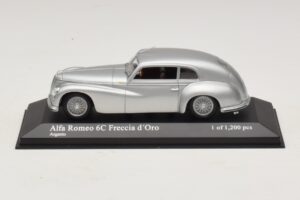
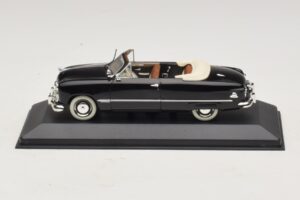
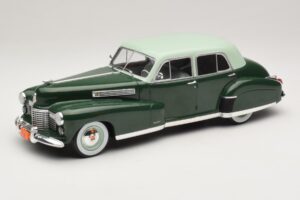
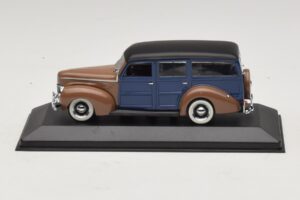
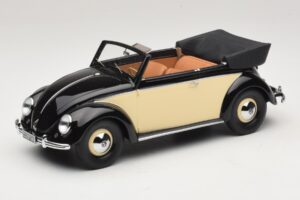

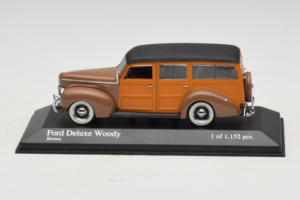
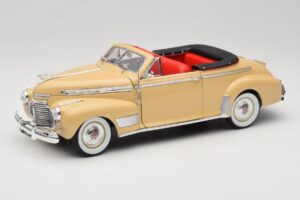
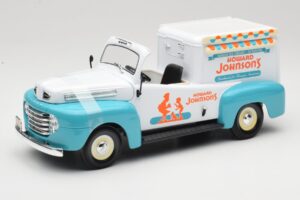
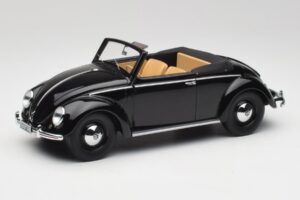
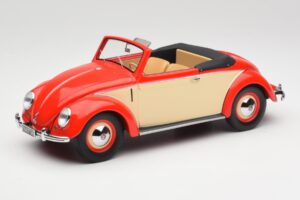
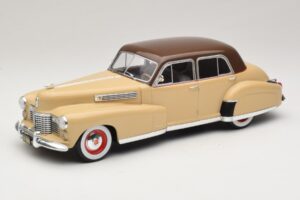
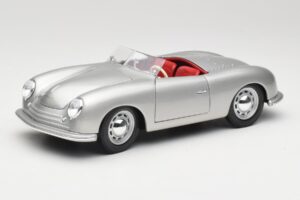
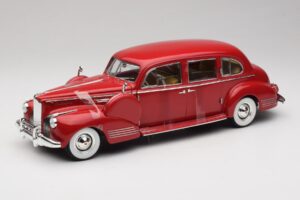


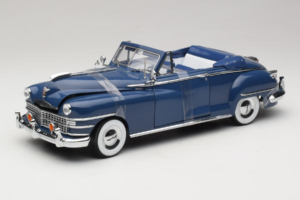
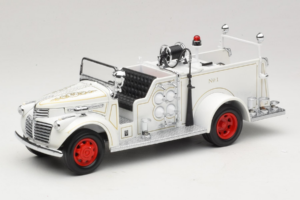
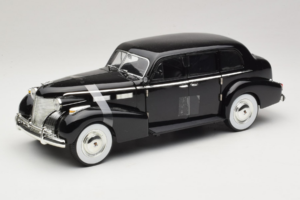
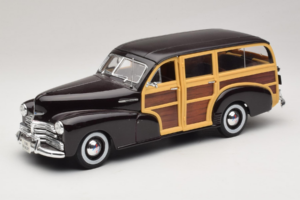
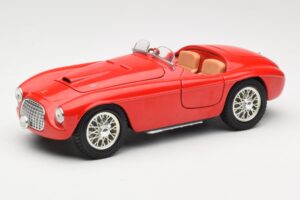
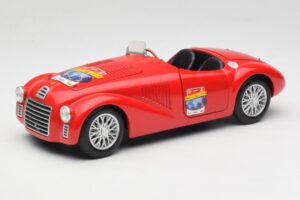
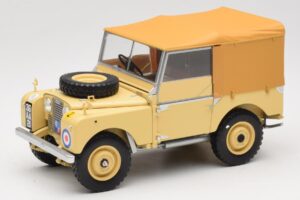
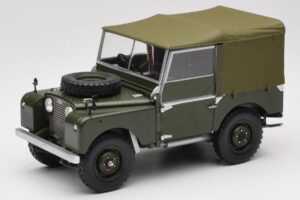
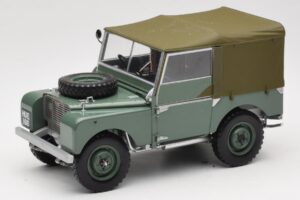
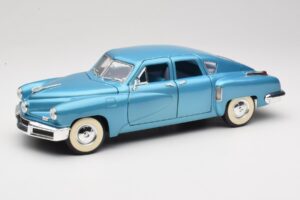

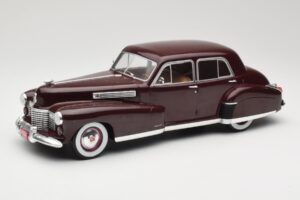
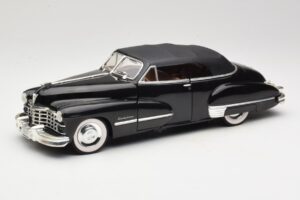
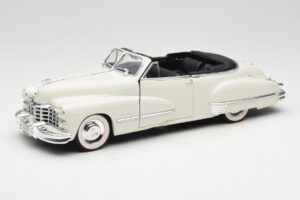
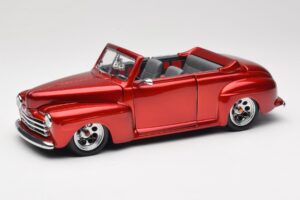
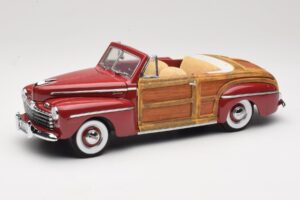
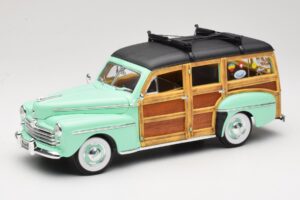
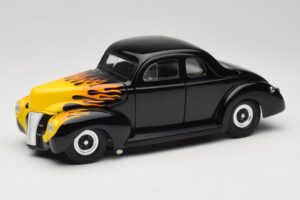
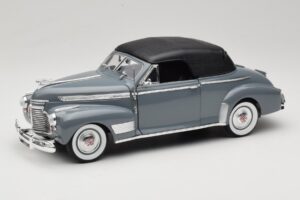
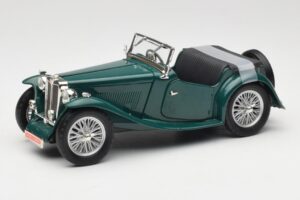
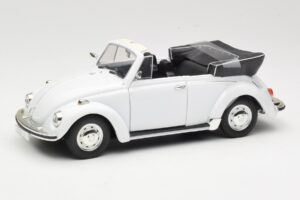
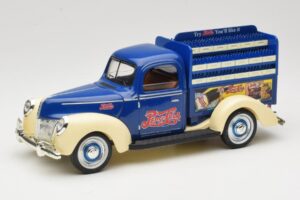
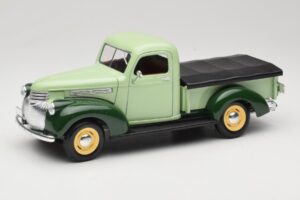
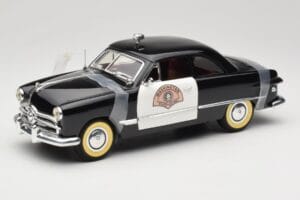
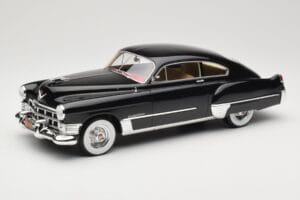
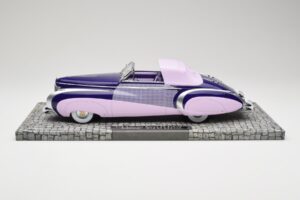
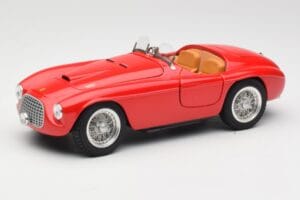
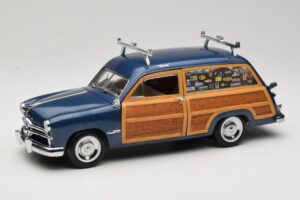
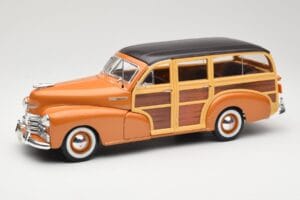
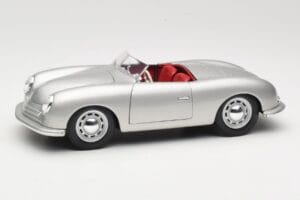
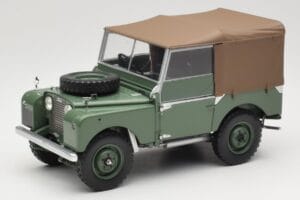
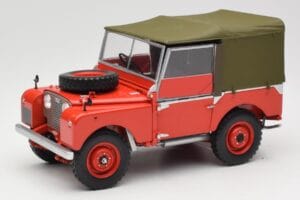
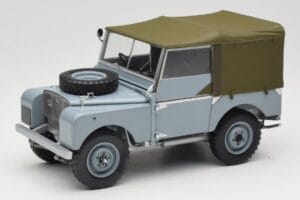
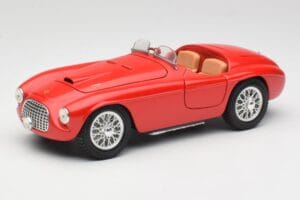
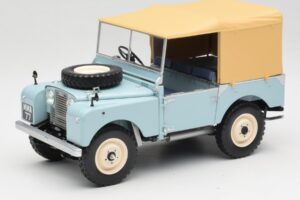
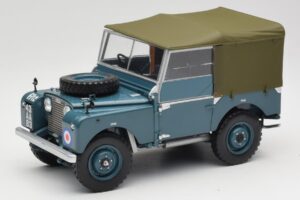
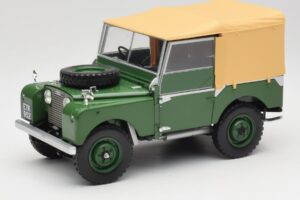
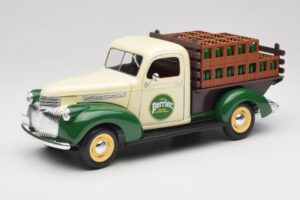
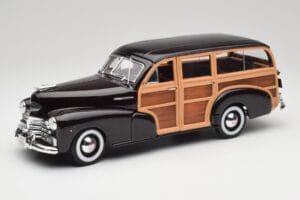
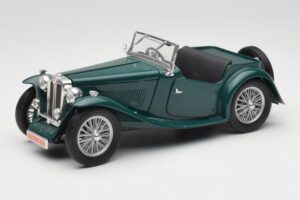
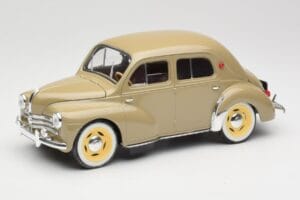
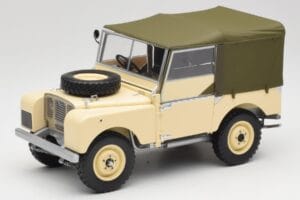
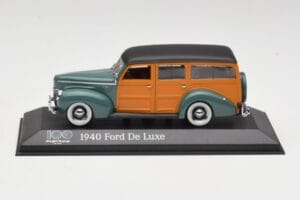
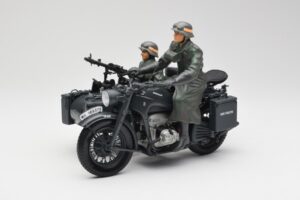
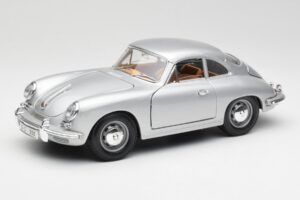
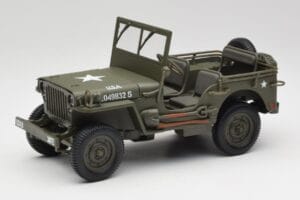
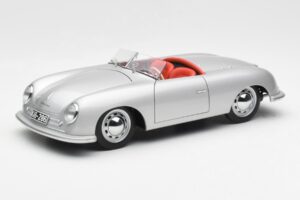
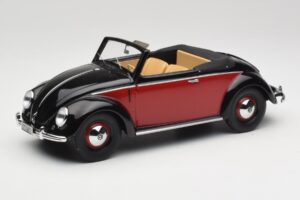
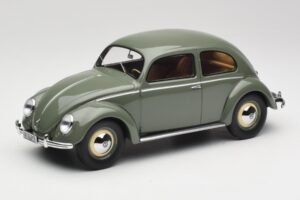
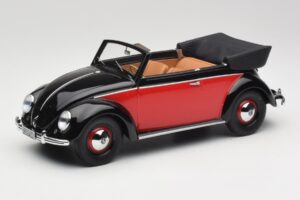
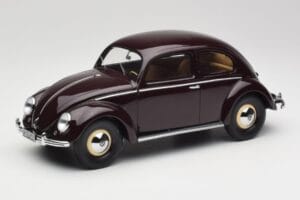
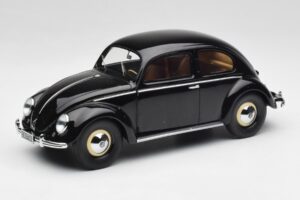
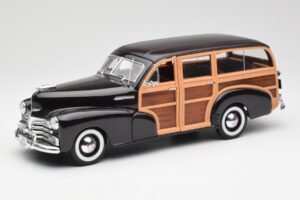
TL;DR: 1940s model cars cover wartime off-road vehicles, service and emergency vehicles, and early post-war classics from Ford, Land Rover, Chevrolet, Cadillac and Jeep. Manufacturers including Minichamps, Maisto and Solido reproduce the decade in 1:18, 1:43 and 1:10 diecast and resin.
Few decades split as cleanly in two as the 1940s. The first half belonged to wartime necessity, producing rugged, purpose-built vehicles with almost no styling ambition. The second belonged to a civilian industry re-learning how to build cars for ordinary buyers, and that contrast gives this era genuine thematic depth for a collection built around it.
This decade draws a different set of manufacturers than later, more design-driven eras. Solido and Minichamps bring European precision to both military and civilian subjects, Maisto and Hot Wheels supply accessible entry points into wartime Jeeps and early pickups, and Road Signature focuses on the passenger cars of the immediate post-war years. A collector should look for:
Off-road and service vehicles dominate the early part of the decade, while classic pickups and the first Cadillacs and Volkswagens of the civilian recovery anchor the later years.
The Jeep and early Land Rover subjects in this range represent vehicles designed for function above all else, which gives them a stripped-back honesty that later decades largely abandoned. Ford and Chevrolet's civilian ranges resumed production once materials allowed, carrying prewar styling cues into a changed world, while Volkswagen and Porsche's earliest efforts hint at the design language that would define the following decades. Special and unique models from this period often reflect the industry's transitional character, part wartime pragmatism, part peacetime optimism.
A 1940s collection tends to organise around theme rather than marque, since so few manufacturers produced extensively during the war years. Pairing service and emergency vehicles with classic pickups from the same period creates a coherent narrative of an industry rebuilding itself. Because this era is thinner in overall catalogue depth than the 1960s or 1980s, patience and a willingness to mix scales pays off more here than chasing a single manufacturer's complete range.
The decade splits between wartime utility vehicles and early post-war civilian cars, giving it a distinct dual character. Collectors often value the honesty of purpose-built wartime designs alongside the optimism visible in the first true post-war passenger models.
Off-road and service vehicles, particularly Jeep and early Land Rover subjects, along with classic pickups and early Cadillac and Volkswagen passenger cars, form the backbone of what is reproduced from this decade.
1:18 and 1:43 carry most of the range, with 1:10 appearing for select off-road and utility subjects where larger scale suits the vehicle's rugged character particularly well.
It suits collectors drawn to a specific theme, such as wartime vehicles or early post-war design, more than those seeking comprehensive lineage coverage, since the catalogue is naturally thinner than later, longer-running decades.