On sale:
-6%
New arrival
Pre-order
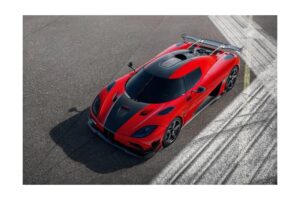
Koenigsegg Agera RS Draco Red GT Spirit 1:18
Expected 04-14.11.2026
Slots available
Price:
was
£89.00
£84.00
Save £5.00
Hypercars push engineering further than any other road-going class, and scale replicas follow that ambition closely, from aggressive aero addenda down to exposed carbon weave. This collection spans accessible diecast through hand-built resin, giving collectors a way to own the extremes of automotive engineering at whichever tier suits their shelf and budget.
Save £5.00

Save £5.00
























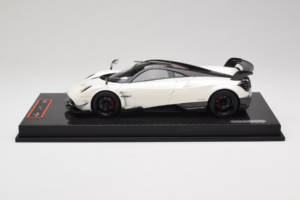

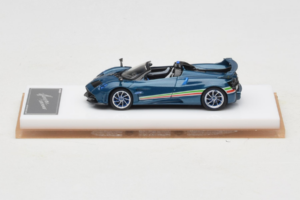













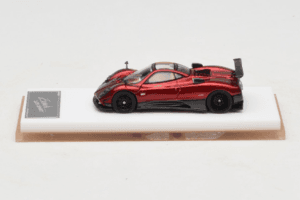


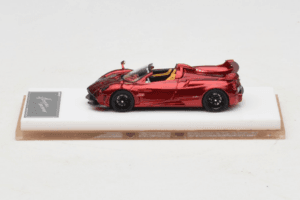















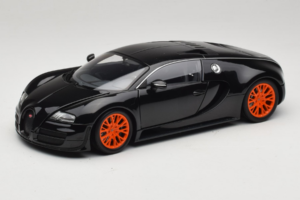








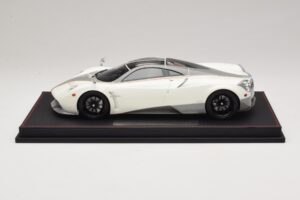
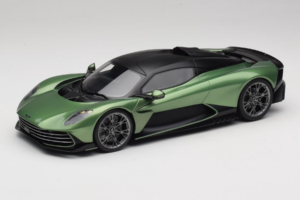
TL;DR: Hypercar scale models here span 1:8 through 1:64 in diecast, resin and composite, covering McLaren, Koenigsegg, Pagani, Bugatti, Ferrari, Lamborghini, Aston Martin and Porsche subjects from the 1990s to the 2020s. Tiers run from mass-market opening diecast to hand-built investment resin.
A hypercar is defined by extremes: the widest tracks, the most aggressive aero, and the smallest production runs of any road-legal class. That extremity is exactly what scale reproduction chases, and this collection covers it across every construction tier and several scales, from pocket-sized 1:64 castings to imposing 1:8 display commissions.
Construction, not the marque on the box, is what separates one hypercar model from another. Entry-tier diecast, the kind Bburago is known for, gets the silhouette and opening panels right at an accessible price. Mid-tier work from producers such as AUTOart tightens shut lines and adds separate-piece detailing. At the upper end, GT Spirit and specialist resin builders such as Henson & Heaven work in small-batch sealed resin, chasing the carbon weave, exposed structural elements and aggressive diffuser detail that define a modern hypercar's underside.
Minichamps sits across several of these tiers depending on the subject, which is common in this segment: a hypercar's complexity often pushes even an experienced producer toward resin for the smaller, more detailed runs. Reading construction rather than assuming a fixed brand hierarchy is the reliable way to judge any hypercar model on the shelf.
The marques represented here, Bugatti, Koenigsegg, Pagani and the hypercar-tier work from McLaren, Ferrari, Lamborghini, Porsche and Aston Martin, each pursue a different extreme: outright top speed, weight reduction, hybrid power delivery, or handcrafted bespoke construction. That variety gives a hypercar shelf genuine visual range even within one class, unlike a segment built around a single formula.
The era spread from the 1990s through the 2020s traces the class's evolution from naturally aspirated V12 halo cars to today's hybrid-assisted, downforce-obsessed machines. Collecting across eras shows how the hypercar brief has changed even as the ambition behind it has not.
Scale choice matters more here than in most classes because hypercar detail is unusually dense.
Most serious hypercar collections mix 1:18 for the everyday shelf with one or two large-scale pieces reserved as centrepiece subjects.
A themed approach works well here: chasing one era's halo cars, one marque's flagship line, or a straight top-speed narrative across brands. Because run sizes shrink as detail increases, an investment-tier resin hypercar in a small batch tends to hold interest well after release, while entry diecast keeps the collection growing without straining a budget.
1:18 is the practical starting point. It is large enough to show aero and cabin detail clearly, available across every construction tier, and easy to display alongside other 1:18 subjects from different classes.
Not automatically. Resin holds tighter panel lines and finer surface detail, which suits a hypercar's complex bodywork, but diecast offers opening features and sturdier handling. The right choice depends on whether display accuracy or interaction matters more.
The class's extreme detail rewards larger scales, while its visual variety across marques makes smaller scales appealing for broad comparison. Producers serve both instincts, which is why hypercars appear from 1:64 through 1:8.
There is no single answer; 1990s naturally aspirated halo cars and 2010s-2020s hybrid hypercars both draw strong interest, often from different collectors chasing different technical stories.