On sale:
-5%
New arrival
Pre-order
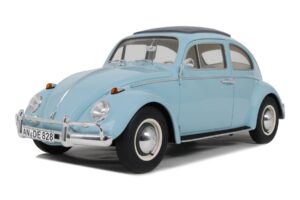
Volkswagen Beetle Brunswick Blue Otto 1:12
Expected 21-31.10.2026
Only 4 left!
Discount ends in: 00d 00h 00m
Price:
was
£146.67
£139.17
Save £7.50
1:12 sits above the everyday collecting scales, large enough to resolve stitching, switchgear and engine detail that smaller formats only suggest. This bracket covers both four wheels and two, pairing performance cars with MotoGP and road-going motorcycles for collectors who want their hero pieces to command real shelf presence.
Save £7.50

Save £7.50
Save £7.50

Save £7.50
Save £6.00
Save £6.00
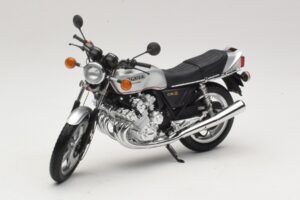
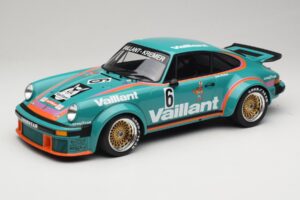
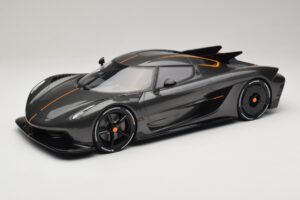

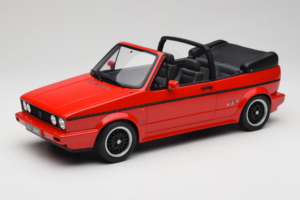
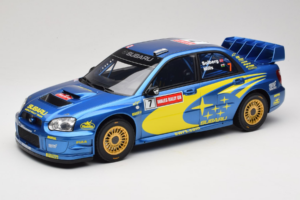
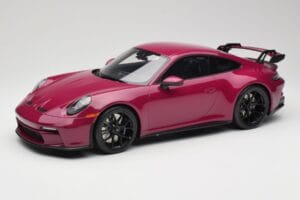
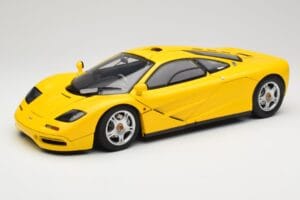
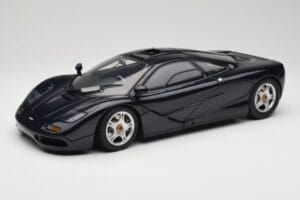
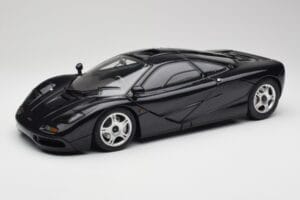
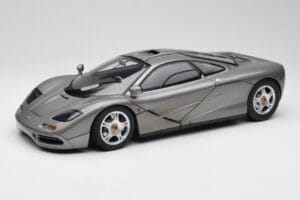
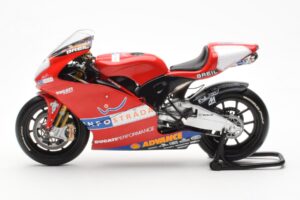
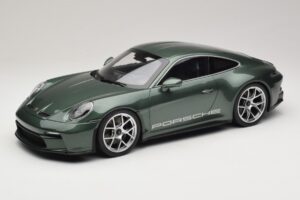

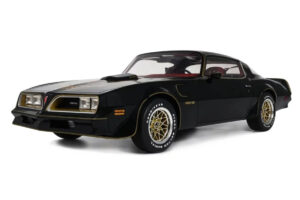
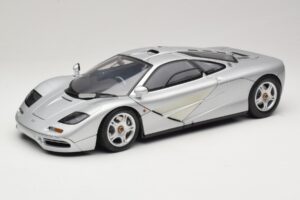
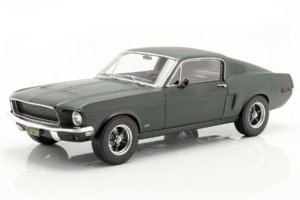
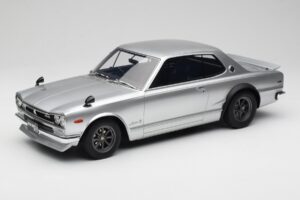
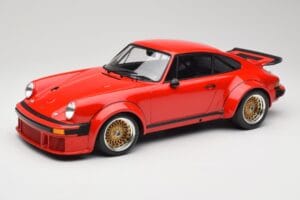
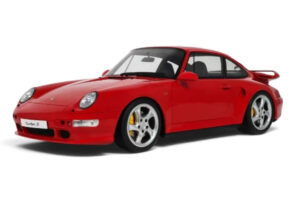
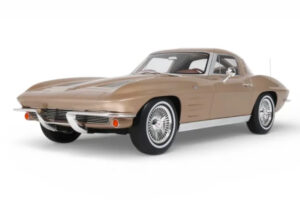
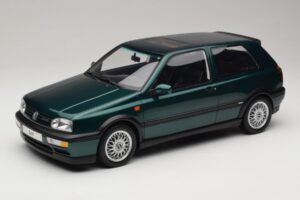
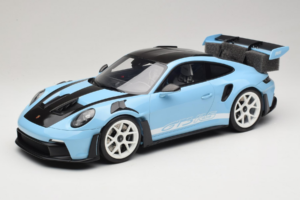
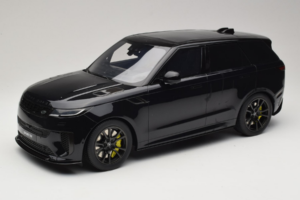
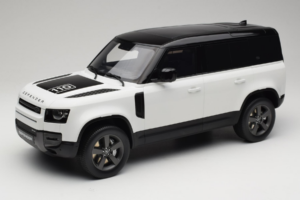
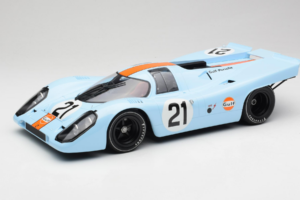
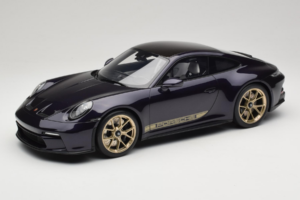

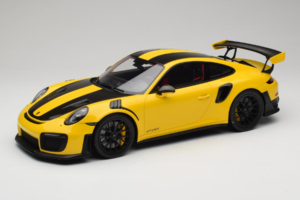
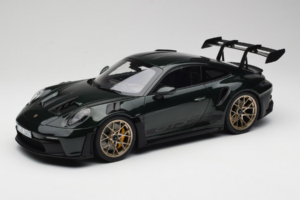

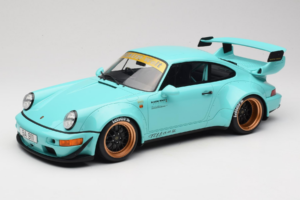
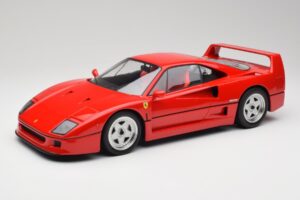
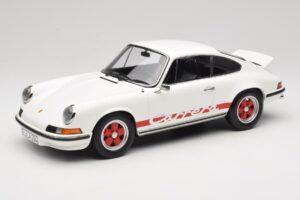
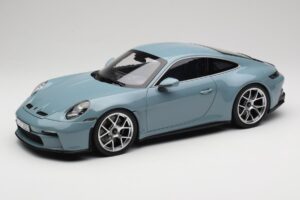
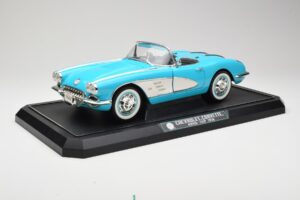
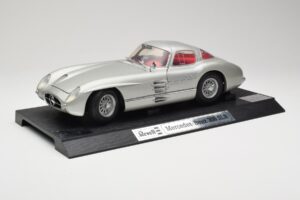
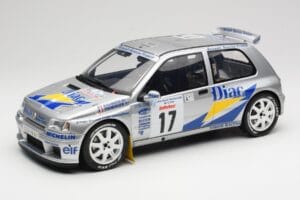
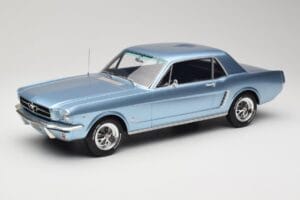

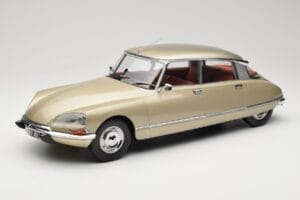
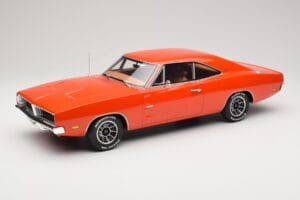
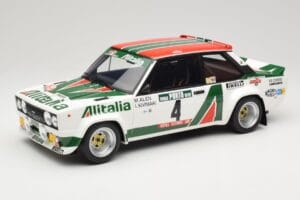
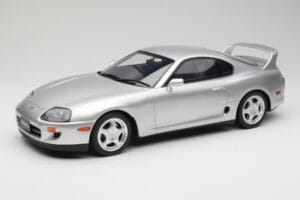
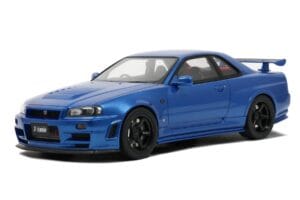
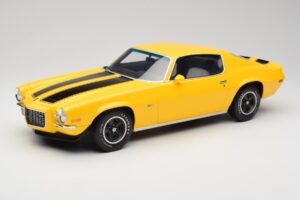
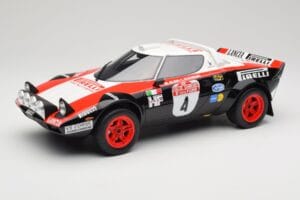
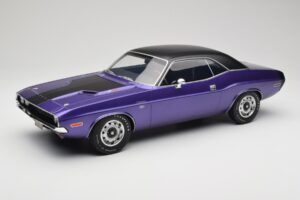
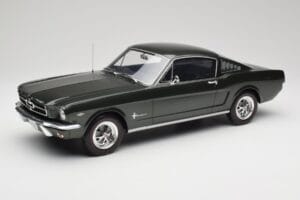
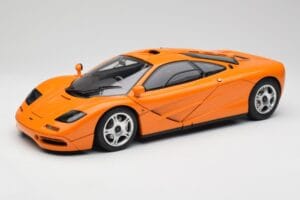
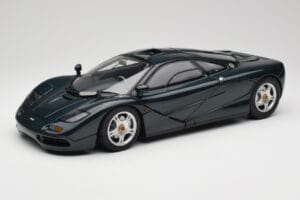
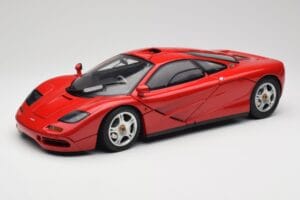
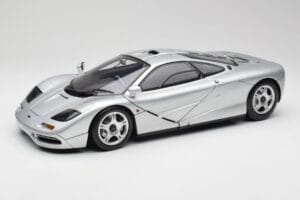


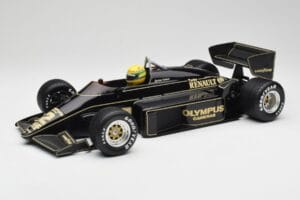
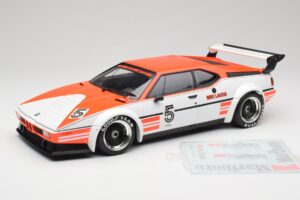
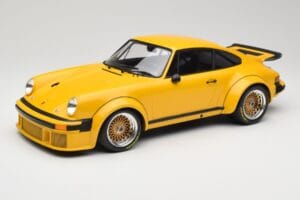
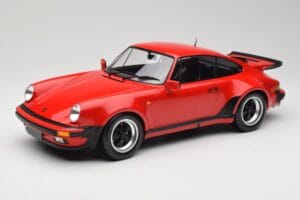
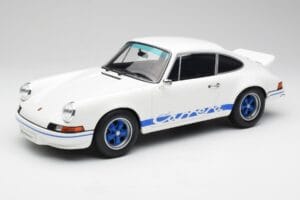
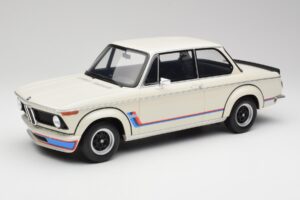
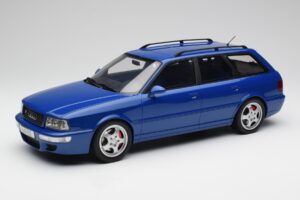
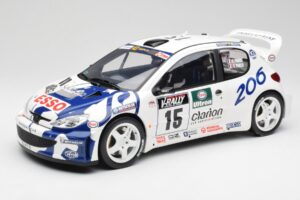
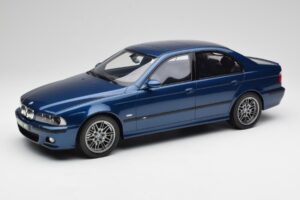
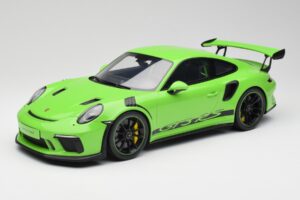
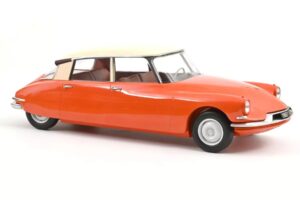
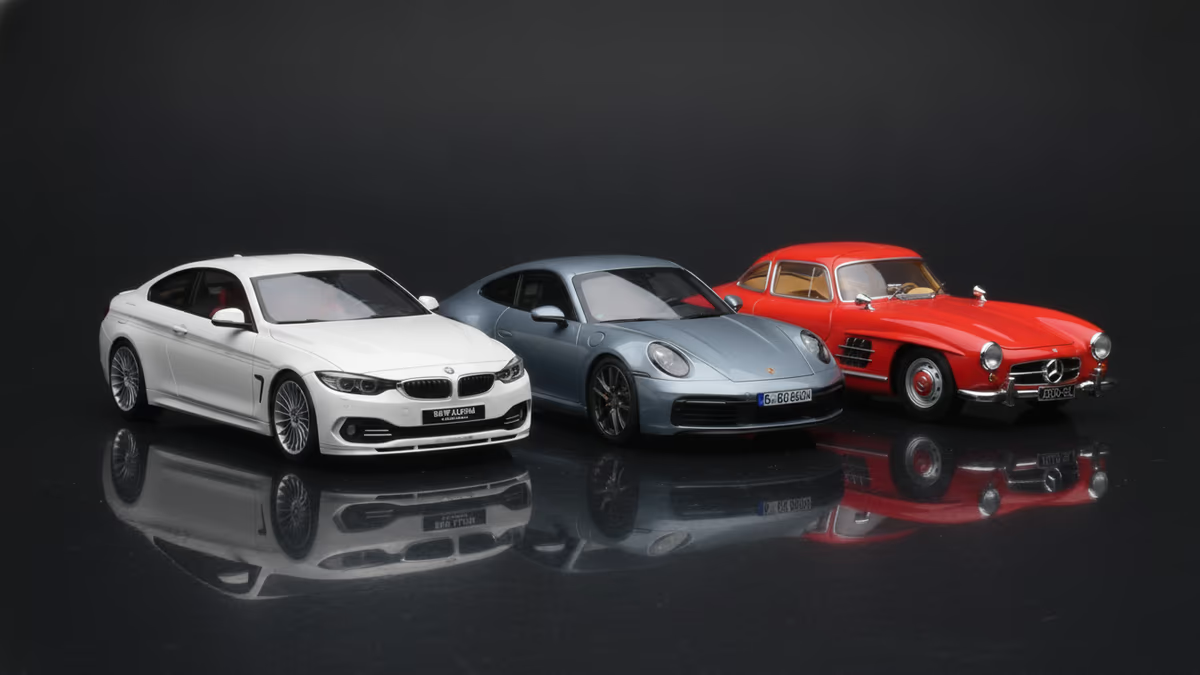
TL;DR: 1:12 scale spans diecast and resin construction across cars and motorcycles, with Porsche, BMW, McLaren and Ducati among the marques represented. Roughly twice the size of 1:18, it suits hero pieces rather than broad collections, drawing on classic sports, premium sports and MotoGP subjects from recent decades.
Doubling the linear size of 1:18 sounds modest until a 1:12 model actually arrives on a shelf. A car at this scale runs close to 40 centimetres, and a motorcycle brings its own proportions that reward the extra real estate even more directly, since bike frames, exhaust routing and cockpit instruments all read clearly at this size. It is a scale built for looking closely, not for stacking widely.
This bracket draws manufacturers who are comfortable working at larger format, since tolerances that pass unnoticed at 1:43 become obvious at 1:12. Minichamps and Kyosho bring their motorsport pedigree to bear on cars and motorcycles alike, Otto Mobile applies its resin specialism to road and race subjects, GT Spirit extends its detail-first approach into the larger format, and Norev rounds out the range with its own construction philosophy. Reading a 1:12 piece for quality means checking a specific set of signals:
At this size the material choice matters more than at smaller scales, because a sealed resin car or bike loses nothing in visual impact from being unopenable, while a diecast piece with real hinges becomes a genuine engineering showpiece in its own right.
Few scales bridge four wheels and two as naturally as 1:12. Ducati's road and racing machines sit alongside Porsche, McLaren and BMW cars in this bracket, and the shared ratio means a MotoGP bike and a premium sports car can occupy the same display without looking mismatched. Classic sports and modern classics from the 1970s through the 2020s populate the car side, while muscle cars add a further American accent to the format. The scale's popularity with motorcycle specialists reflects a simple fact: a bike loses far more visual information when shrunk to 1:18 than a car does, so serious motorcycle collecting tends to gravitate toward 1:12 and larger.
Because each piece commands real space, a 1:12 collection is built around a handful of standout subjects rather than a comprehensive lineage. Many collectors pair a single hero car with two or three motorcycles from the same era to create a themed vignette, or select one marque and follow it across both categories. Given the format's size, plan shelf depth and height before buying, since a 1:12 motorcycle on its display stand often needs more vertical clearance than a car of the same scale.
A 1:12 car is roughly a third larger in linear dimensions than the same subject at 1:18, which makes it noticeably heavier and more space-hungry on a shelf. The jump is significant enough that most collectors treat 1:12 as a hero-piece scale rather than a primary collecting format.
A motorcycle carries less bulk than a car, so shrinking it to a small scale loses proportionally more visible detail. At 1:12, frame welds, cable routing and instrument clusters remain legible, which is why motorcycle specialists favour this format over smaller alternatives.
Both appear regularly. Diecast suits subjects where opening doors or a lifting fairing add display value, while resin favours subjects prized for surface purity, such as smooth racing bodywork. Neither dominates; the choice tends to follow the individual manufacturer's specialism.
Allow considerably more depth and height than a 1:18 shelf, particularly for motorcycles on their display stands. A deep glass cabinet or a dedicated shelf with generous vertical clearance suits the format better than standard bookshelf spacing.