Last one
Used
Back in stock
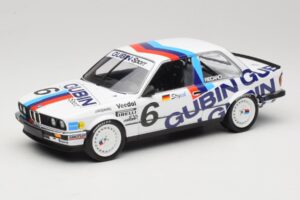
BMW’s scale model range runs from Group A touring cars and GT3 race replicas through to tuner specials and modern classics, in 1:18, 1:43 and 1:12. This collection draws on established diecast and resin manufacturers, giving collectors a route into four decades of Bavarian performance without a single trip to the Nürburgring.
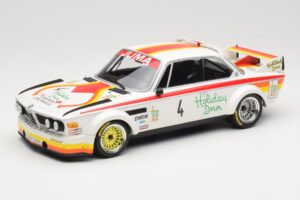
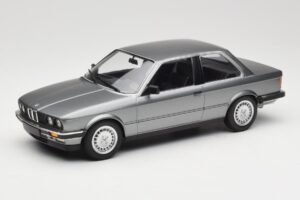
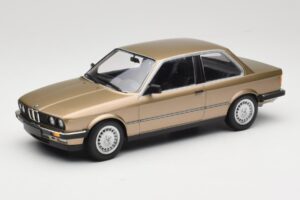
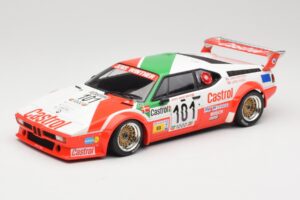
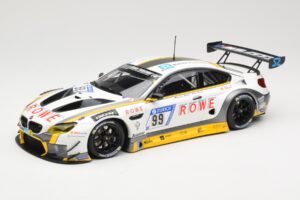
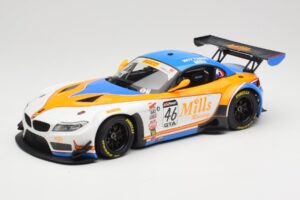
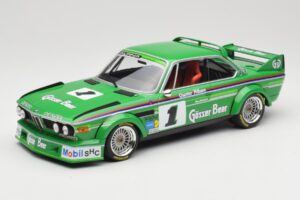
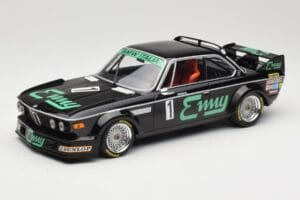

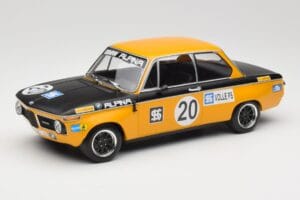

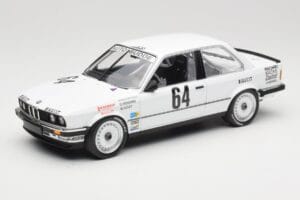
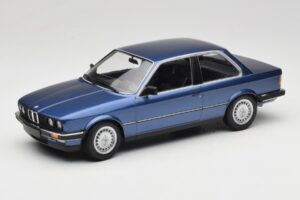
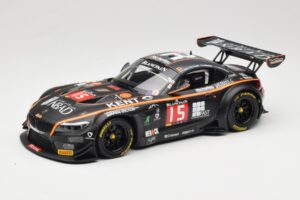
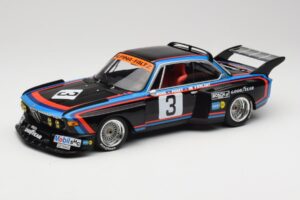
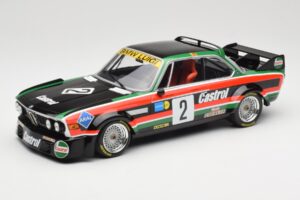
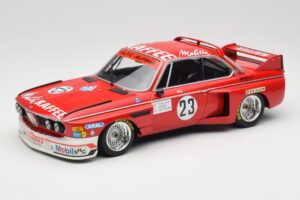
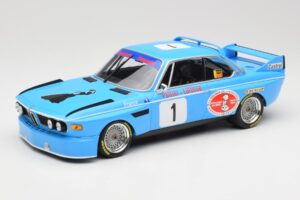
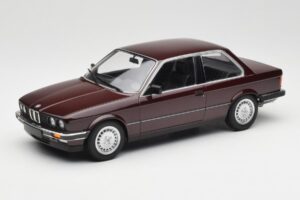

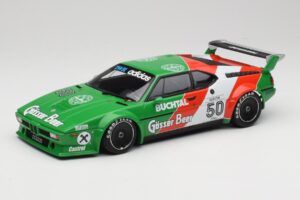
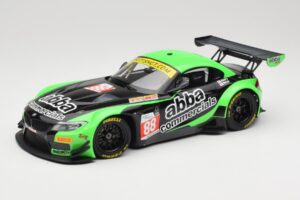
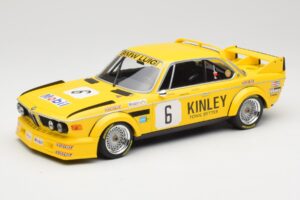




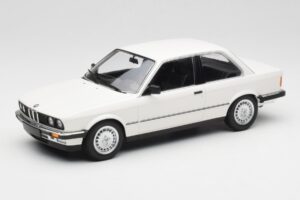
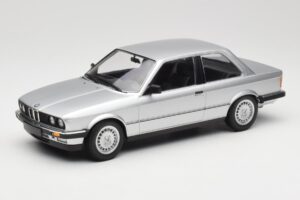

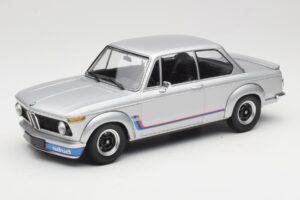
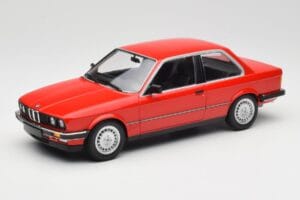
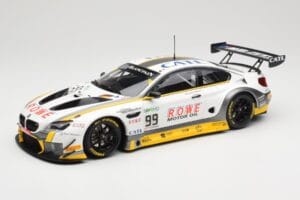

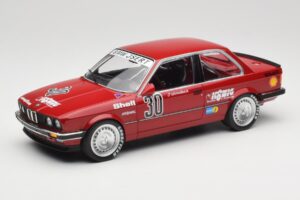
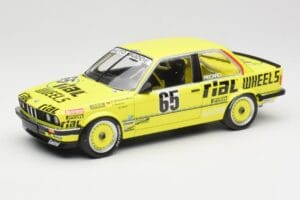
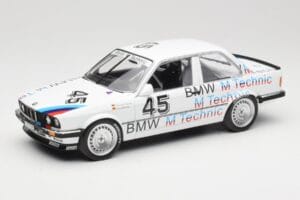
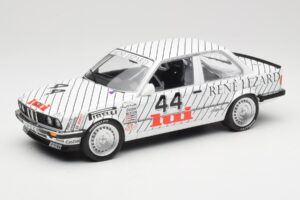
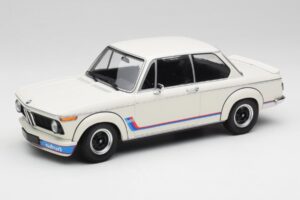
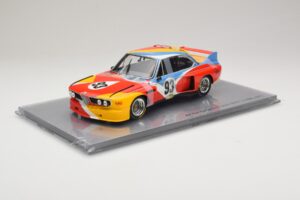

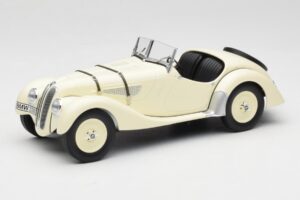
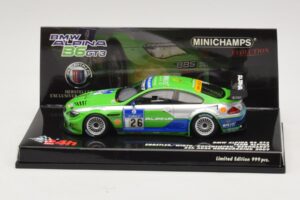
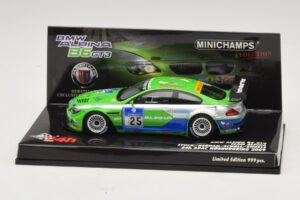
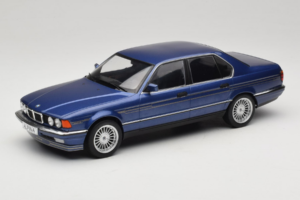
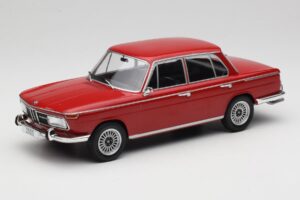
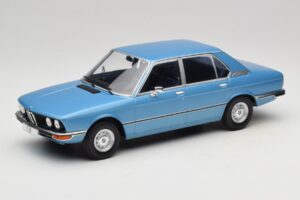
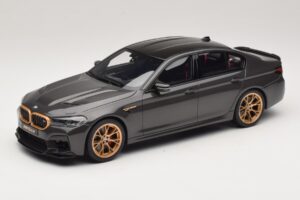
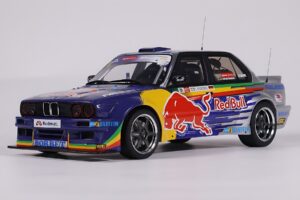
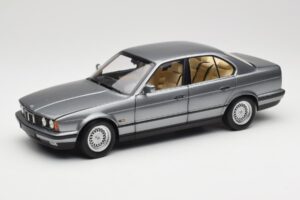



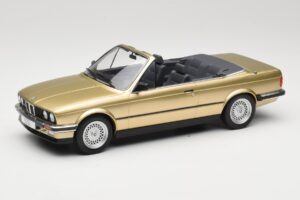
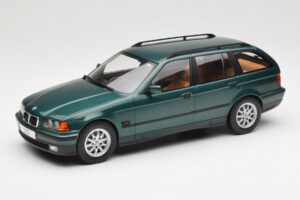

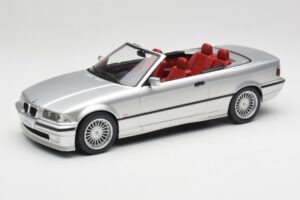
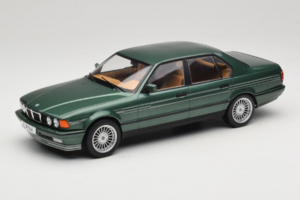


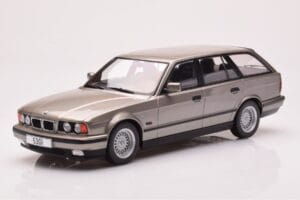
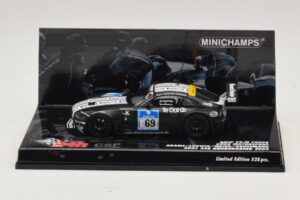
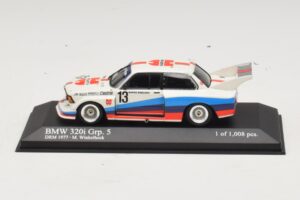
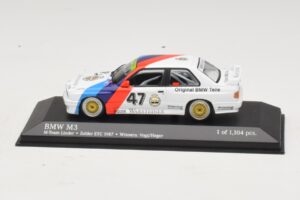
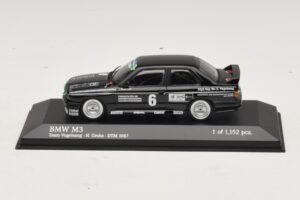
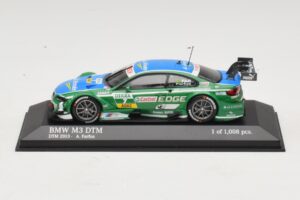
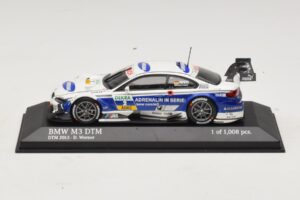
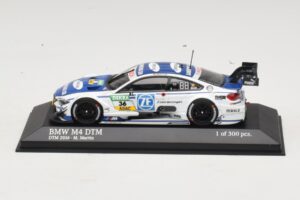

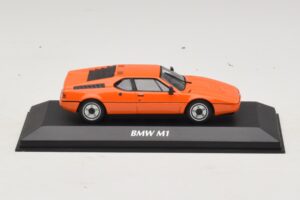

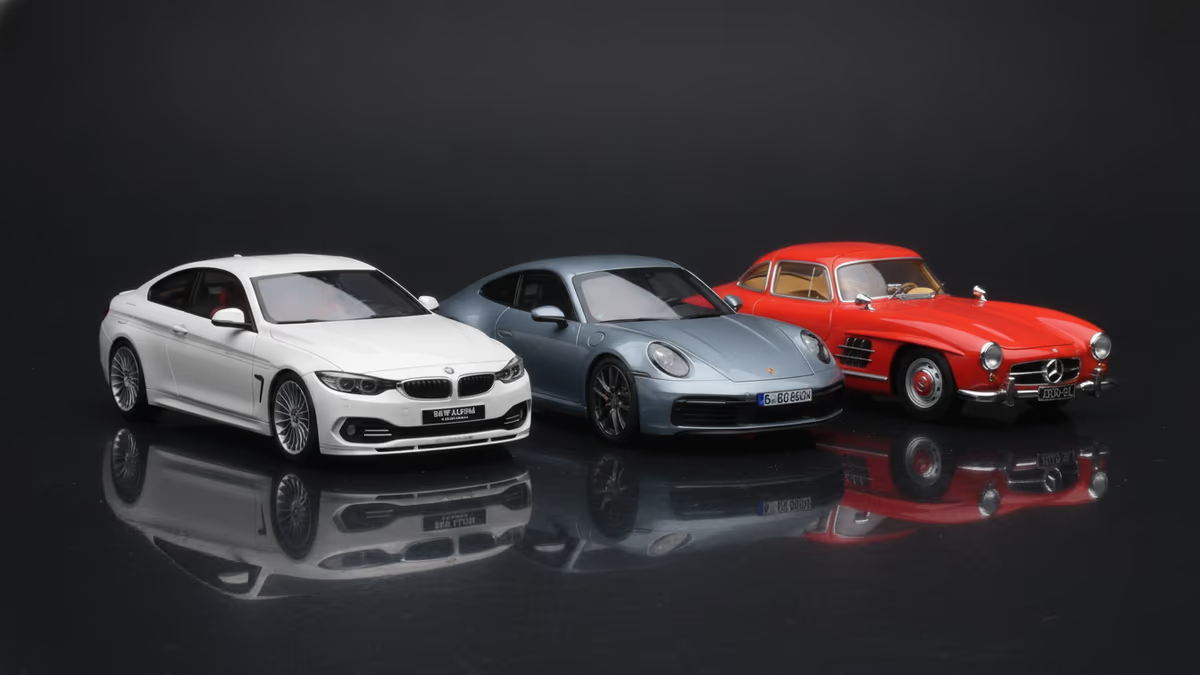
TL;DR: BMW scale models in this collection span 1:18, 1:43 and 1:12 diecast and resin, covering premium sports, GT3 and GT4 race cars, classic touring cars and tuner specials from the 1980s through the 2010s. Manufacturers range from accessible diecast producers to resin specialists chasing racing livery accuracy.
BMW's scale model catalogue mirrors a brand that has spent five decades chasing lap times as hard as it has chased luxury sales. Touring car dominance, GT3 endurance racing and a Formula 1 turbo championship all sit alongside road-going M cars and tuner specials, giving this collection more racing pedigree than most premium marques manage. What follows covers the manufacturer landscape, the motorsport history behind it, and how to build a coherent BMW shelf across scales and decades.
Minichamps carries the broadest coverage here, its diecast construction spanning touring car liveries, road cars and motorsport specials across four decades without pushing into premium pricing. UT Models, though no longer in production, remains a recognisable name among collectors for its 1990s and 2000s M-car diecast, and pieces from that era still turn up as a useful entry point into the range.
GT Spirit and Otto both work in sealed resin, a construction that suits the sponsor-heavy liveries of GT3 and GT4 race cars and the aftermarket bodywork of tuner specials better than a diecast opening body. Without shut lines breaking up a wide arch or splitter, printed graphics and panel gaps read more cleanly, which matters on a livery-driven subject far more than on a plain road car.
Kyosho's presence spans both diecast and resin depending on the subject, giving collectors a further reference point when comparing finish quality between the accessible end of the range and the resin specialists above it.
The E30 M3's Group A touring car career through the late 1980s established BMW's reputation for punching above its weight on undersized budgets, a theme that recurs through the marque's DTM programmes in the decades that followed. Brabham's BMW-powered turbo engine took the 1983 Formula 1 drivers' championship, proving the four-cylinder unit could compete with far larger rivals, and BMW's V12 LMR closed the 1990s with an outright Le Mans win.
That motorsport record explains why GT3 and GT4 race liveries occupy such a prominent place in this collection alongside road-going M cars. Few premium manufacturers can claim touring car, endurance and Grand Prix success within the same badge, and the scale models here reflect all three strands rather than favouring one.
The 1980s and 1990s classes lean toward touring car and Group Racing Historic subjects, while the 2000s and 2010s bring in GT3, GT4 and modern classics alongside tuner specials. A themed approach, following one discipline such as touring cars across its full 1980s-2010s span, or tracking the M3 specifically through its generations, gives a shelf more coherence than buying road cars and race cars interchangeably.
Tuner specials sit slightly apart from the rest, appealing to collectors interested in the aftermarket scene rather than factory motorsport, and they are worth treating as a distinct sub-theme rather than folding into a generic road car collection.
1:12 scale, where available, gives a hero touring car or race subject genuine display presence, with livery detail and cockpit fittings visible at a glance. 1:18 remains the practical default for most road and race subjects, balancing detail against shelf space. 1:43 suits collectors chasing comprehensive grid coverage across a full touring car or GT3 season, where fitting a dozen liveries on one shelf matters more than examining any single car up close.
The E30 M3's Group A dominance in the late 1980s and BMW's continued DTM presence give the marque a touring car pedigree that few rivals match, which is why race liveries feature so heavily across this collection's road and motorsport subjects alike.
Sealed resin, used by GT Spirit and Otto here, generally reproduces sponsor liveries and race bodywork more cleanly, since there are no shut lines to interrupt the graphics. Diecast from Minichamps offers opening features and a lower price, better suited to road-going subjects.
It depends on the goal. 1:12 delivers genuine display presence for a single hero subject but demands significant shelf space, so it suits collectors building around a small number of standout pieces rather than comprehensive era coverage.
The 2000s and 2010s offer the broadest range here, spanning GT3, GT4 and modern classics, though the 1980s and 1990s touring car era remains well represented for collectors chasing BMW's motorsport roots specifically.