New arrival
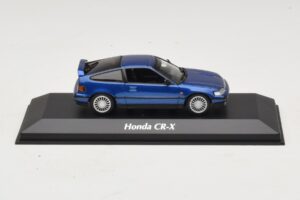
Japanese domestic market performance cars built a global tuning culture on accessible engineering and turbocharged ambition, and scale replicas have followed enthusiastically. This collection spans 1990s icons through 2020s successors across diecast, resin and composite construction.
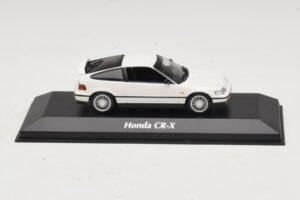
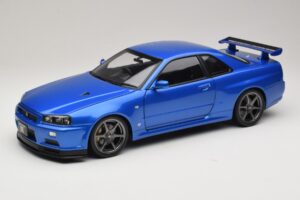
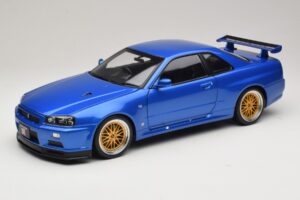


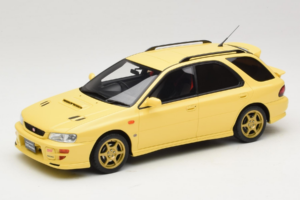


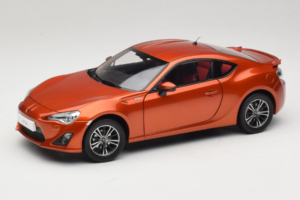
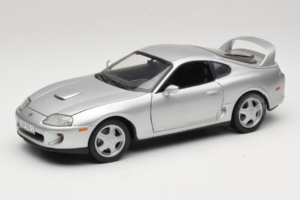

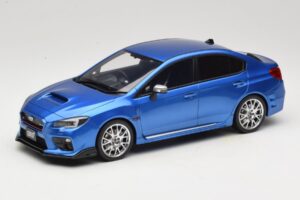
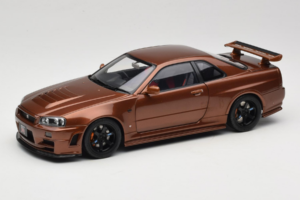
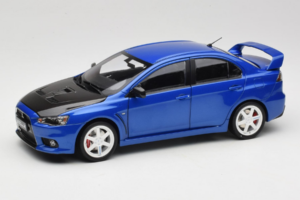


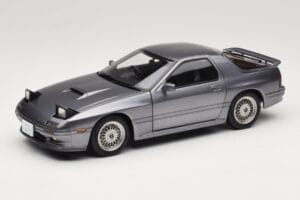

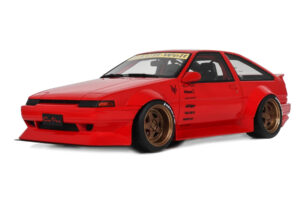

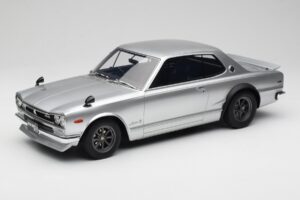
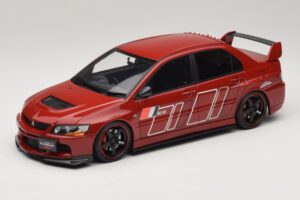



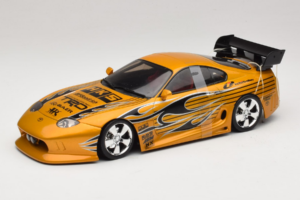
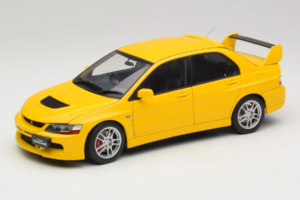

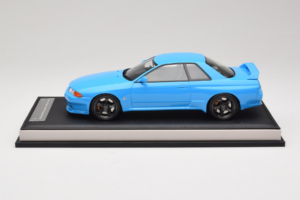
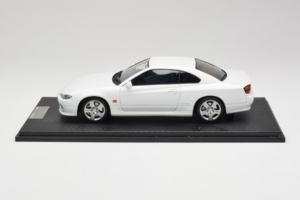
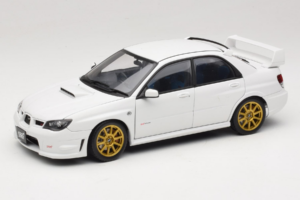

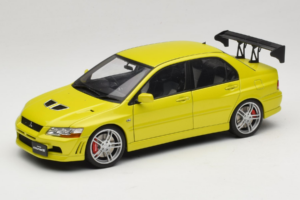


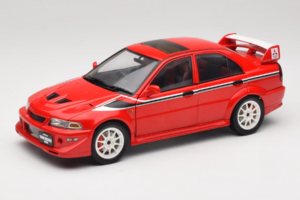
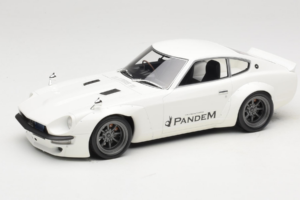
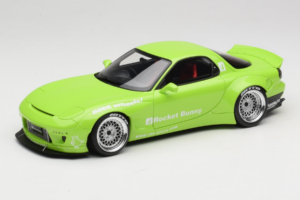




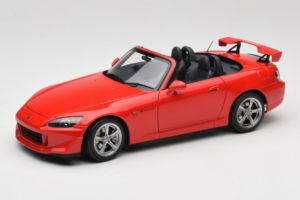

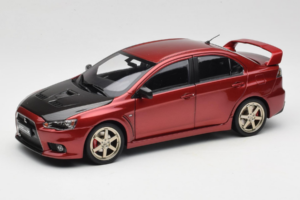

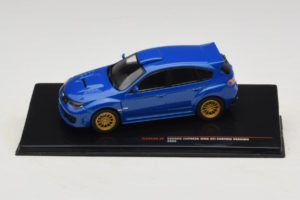
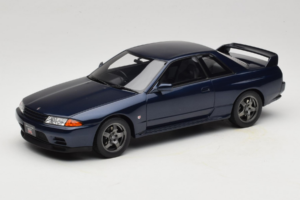
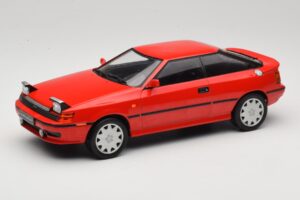
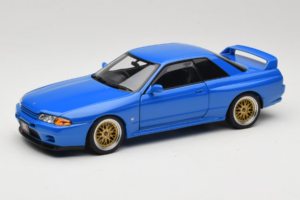
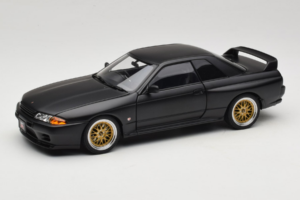
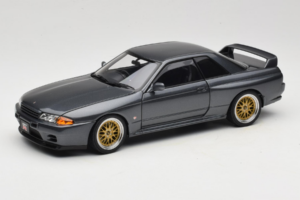


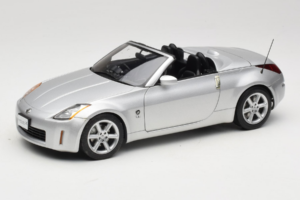
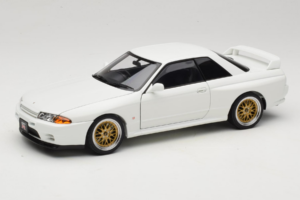
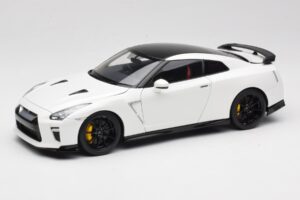
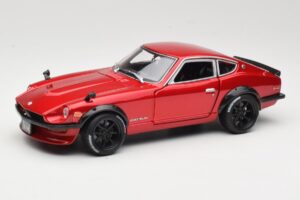


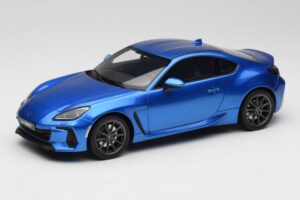
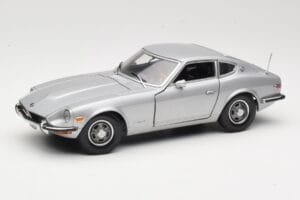
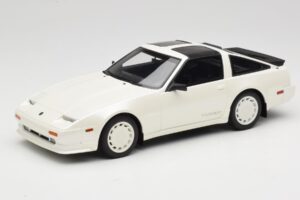
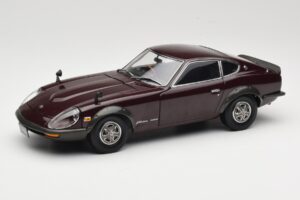

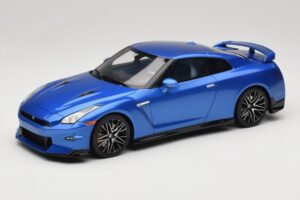



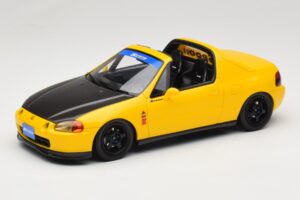

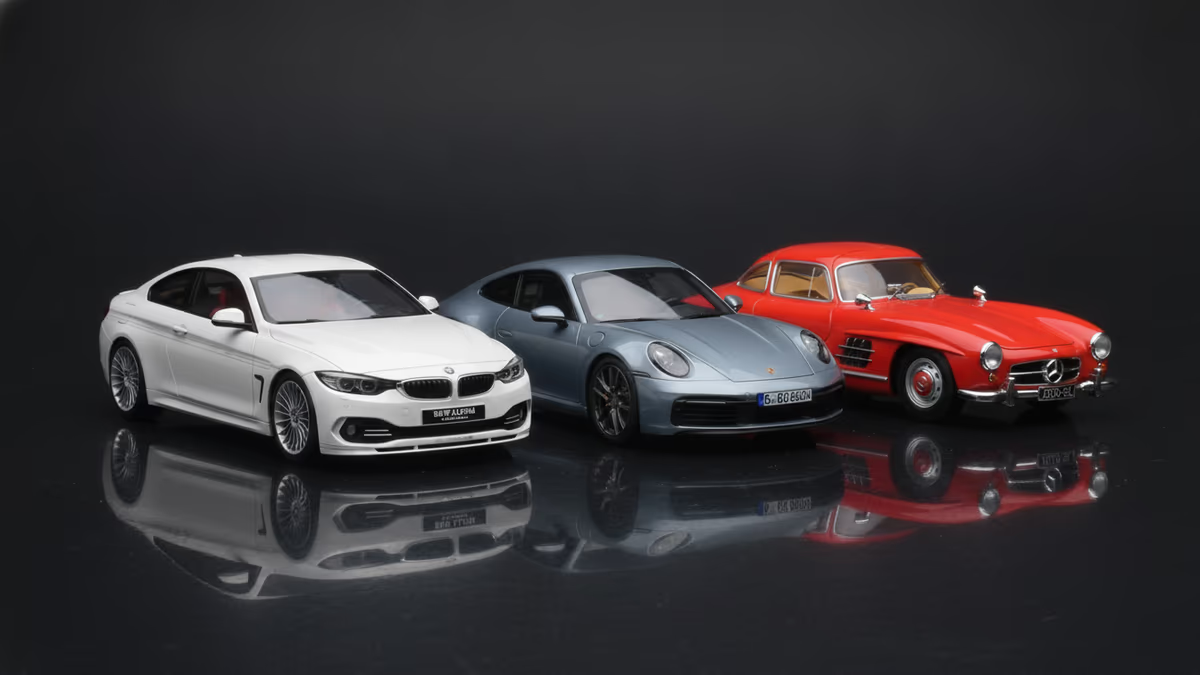
TL;DR: JDM sports models here span 1:18, 1:43 and 1:12 diecast, resin and composite from Otto, AUTOart, MotorHelix, Kyosho and GT Spirit, covering Nissan, Toyota, Honda, Subaru, Mitsubishi, Mazda, Datsun and Lexus subjects from the 1990s through the 2020s.
JDM sports cars built their following on a specific formula: accessible turbocharged performance, a strong tuning aftermarket, and designs that aged into cult status rather than fading. That culture translates directly into scale collecting, where specific trims and aftermarket-styled variants matter as much as the base model.
AUTOart earned early credibility in this category with tightly detailed 1990s Nissan and Toyota diecast that set the standard for engine bay and interior accuracy. Kyosho works largely in resin and diecast at a premium finish level, particularly on Mitsubishi and Toyota subjects. Otto specialises in resin, often producing tuner-specification variants and limited colourways that diecast houses skip entirely, while MotorHelix and GT Spirit fill composite and resin niches with detailed aftermarket-styled builds. This is a category where the smaller resin specialists frequently outpace larger diecast houses on subject specificity.
The 1990s remain the JDM sports car's golden era, producing the Nissan, Toyota, Mazda and Mitsubishi models that still anchor tuning culture today. The 2000s and 2010s brought successor generations and revival models, while 2020s subjects show the segment's continued relevance as manufacturers reintroduce sports coupes into modern lineups.
Aftermarket wheels, body kits and livery-style graphics are common in this segment's scale output, reflecting how heavily tuning shaped the real cars' identity, and this makes subject research genuinely important before buying, since two models of the same car can represent very different specification choices.
Many collectors organise by marque rivalry, Nissan against Toyota, or Subaru against Mitsubishi, tracing each side's flagship model across generations.
Coverage varies by producer and release cycle rather than sitting fixed with one marque, though Nissan and Toyota subjects tend to appear most consistently across the specialist resin and diecast houses working in this segment.
Tuning culture is central to how these cars are remembered, so producers frequently reproduce aftermarket wheels, body kits and period-correct modifications rather than sticking strictly to factory specification.
Resin specialists like Otto often cover niche colourways and tuner variants diecast houses skip, so resin tends to serve deep specification collecting better, while diecast remains the more durable, accessible everyday option.
1:43 works best for tracing a model across several generations on one shelf, while 1:18 suits collectors focused on a single generation examined in full detail.