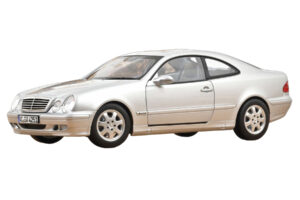
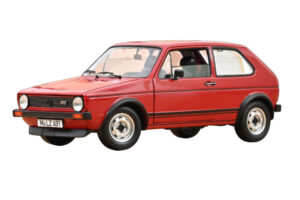
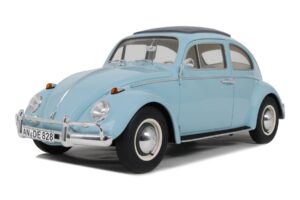
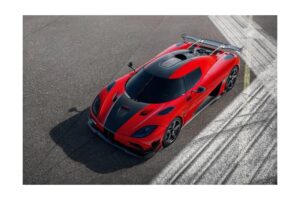
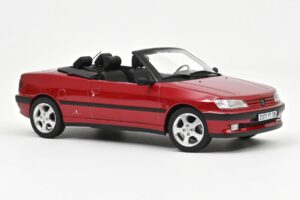
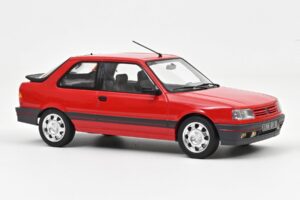
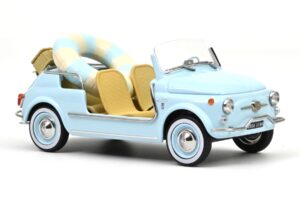
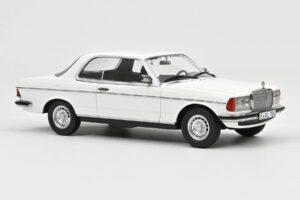
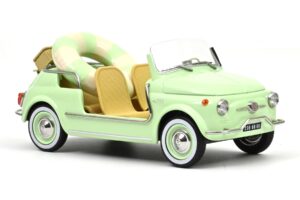
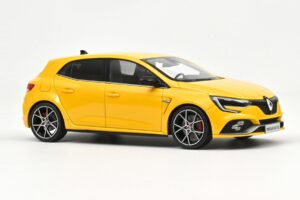
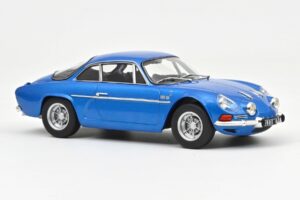
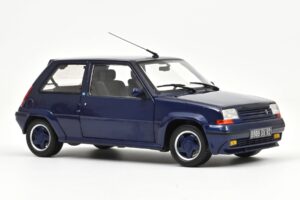
TL;DR: Era browsing groups model cars by decade, from 1940s wartime and post-war classics through to 2020s current motorsport, each period carrying its own design language, manufacturer tiers and collecting themes. It is the starting point for collectors who think chronologically rather than by marque or body style.
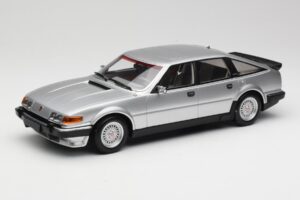
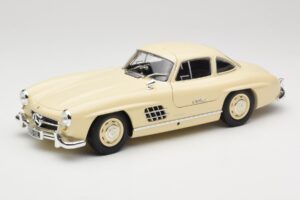
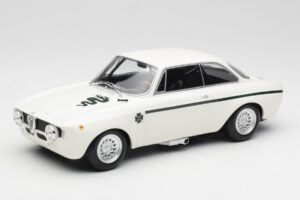
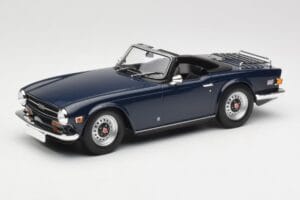
A decade tells a story a single marque never can. The 1980s' turbocharged excess, the 1960s' road-racing crossover golden age, the 2020s' hybrid-powered present, each era carries its own design language and collecting logic, and browsing chronologically lets that story unfold across a shelf rather than within a single badge.
How Era Browsing Structures a Collection
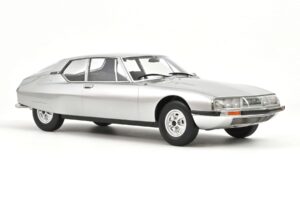
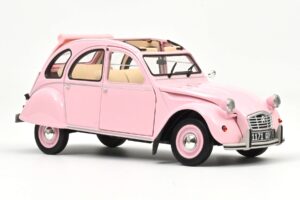
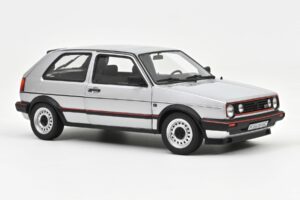
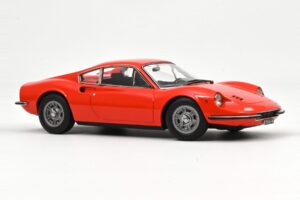
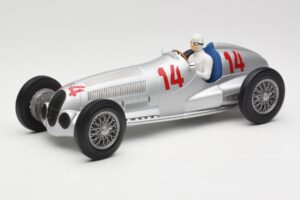
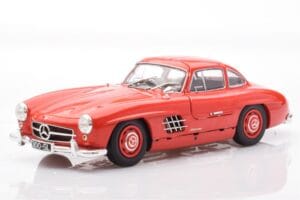
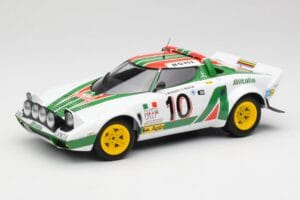
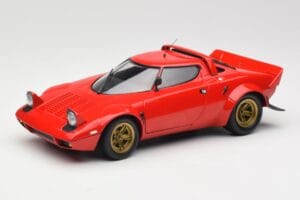
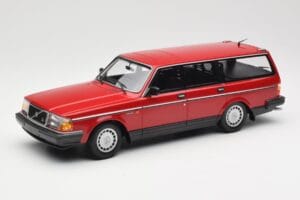
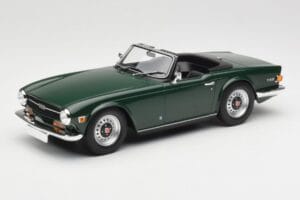
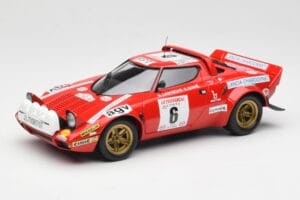
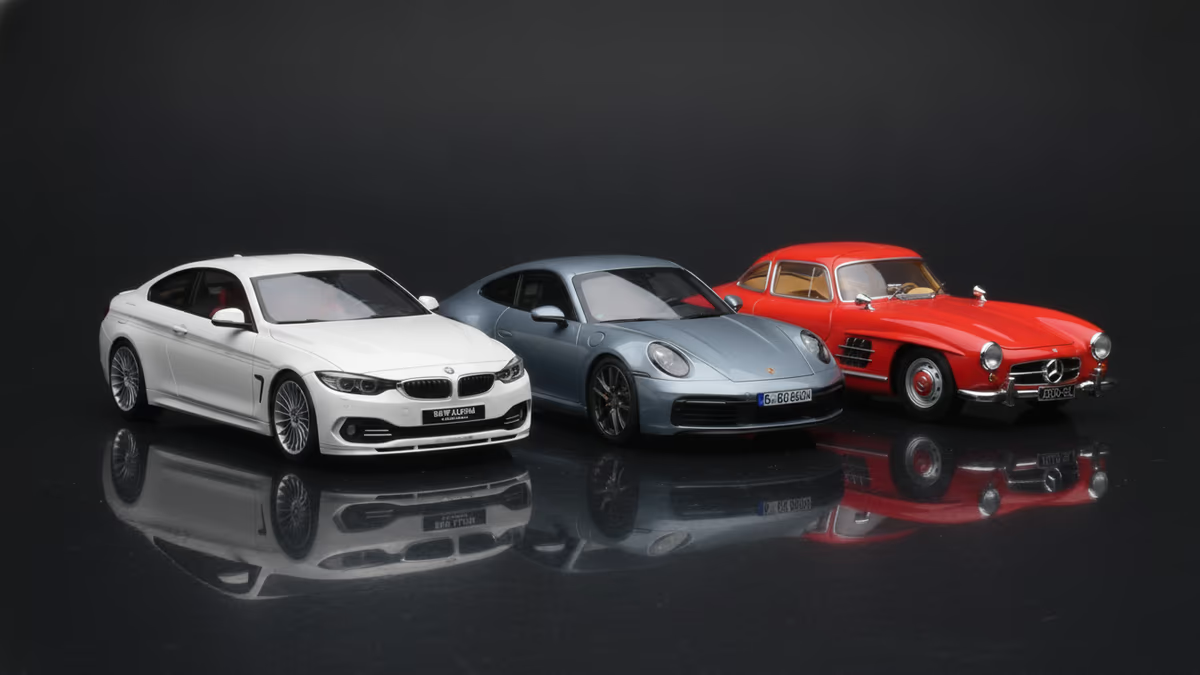
Where marque browsing follows a badge and body type follows a silhouette, era browsing follows time itself, grouping models by the decade that shaped their design and engineering priorities. Each decade page in this catalogue goes deep into that period's dominant manufacturers, vehicle classes and heritage context. Broadly, the eras collectors explore fall into a few natural groupings:
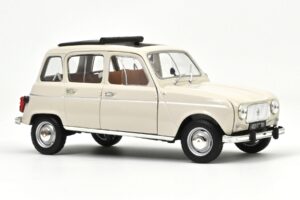
- Pre-war and 1940s: wartime utility and early post-war recovery
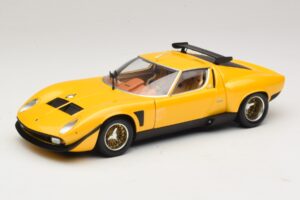
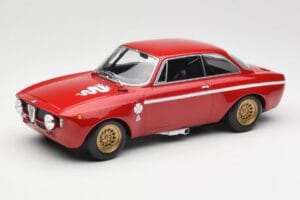
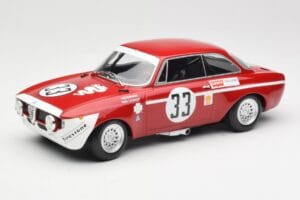
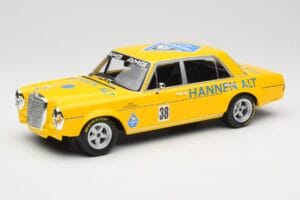
- 1950s-1960s: the golden age of sports car and grand touring design
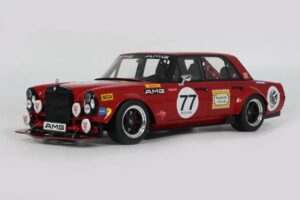
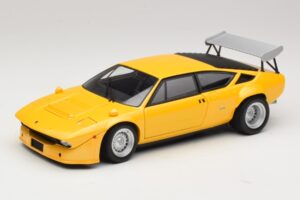
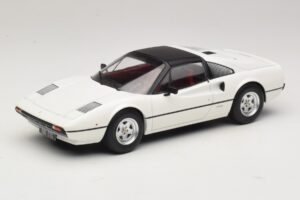
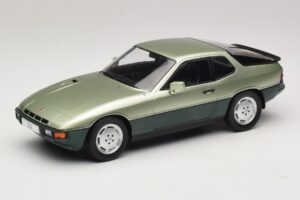
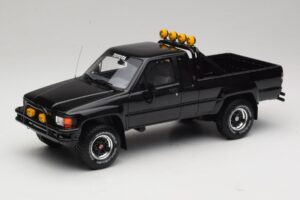
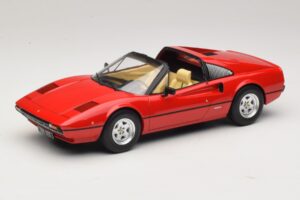
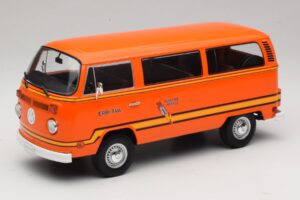
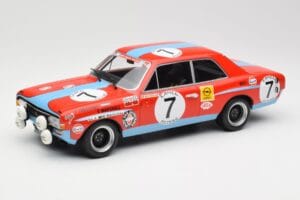
- 1970s-1980s: touring car racing, rally's unrestrained era and turbocharged excess
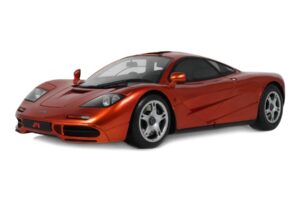
- 1990s-2000s: supercar refinement and motorsport technical dominance
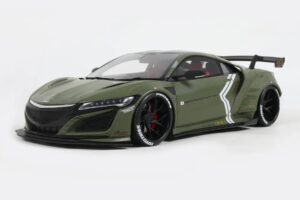
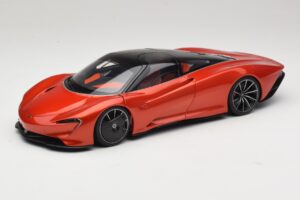
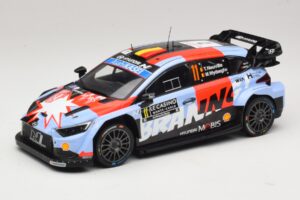
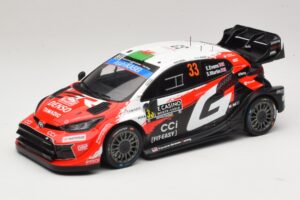
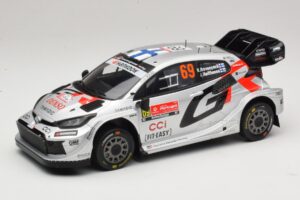
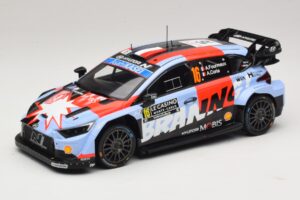
- 2010s-2020s: GT3 customer racing, hypercars and hybrid-era performance
Each grouping carries a distinct visual and mechanical character that a chronological display captures more effectively than a marque-only collection ever could.
Reading Manufacturer Tiers Across Different Decades
Construction quality and tier positioning vary by era as much as by manufacturer, since earlier decades often have thinner overall catalogue depth than more recent, extensively documented periods. A 1940s subject may require more patience to source at a specific tier than an equivalent 1990s release, simply because fewer manufacturers have chosen to reproduce that earlier period in depth. Understanding this uneven coverage helps set realistic expectations when building an era-led collection.
Choosing a Decade to Collect
Some collectors choose an era tied to personal memory, such as the decade they learned to drive, while others select a period defined by a specific motorsport theme they want to document, like Group B's brief but intense 1980s window. Either approach benefits from exploring that decade's own dedicated page, where manufacturer tiers and thematic depth specific to the period are covered in full.
Frequently Asked Questions
Should a collector organise by era or by marque?
Era suits collectors interested in design evolution and historical context, while marque suits those drawn to a specific badge's identity. Many mature collections eventually blend both approaches once a preferred focus emerges.
Are earlier decades harder to collect than recent ones?
Often yes, since earlier eras like the 1940s and 1950s typically have thinner catalogue depth than extensively documented recent decades, meaning specific subjects may take more patience to source at a preferred tier.
What defines a strong decade-themed display?
Consistency in scale and a clear thematic focus, whether a single motorsport discipline or a broader design language, helps a decade-led collection read coherently rather than becoming a loose assortment of unrelated subjects.
Can eras and body types be combined in one collection?
Yes, many collectors combine a decade focus with a body type, such as 1980s coupes or 1960s classic sports cars, creating a display with both chronological and visual coherence at once.