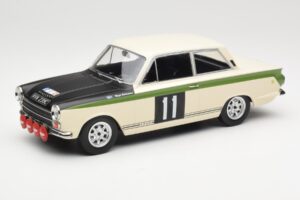
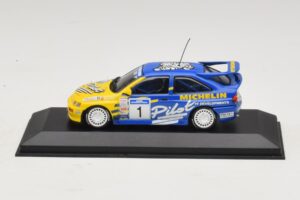
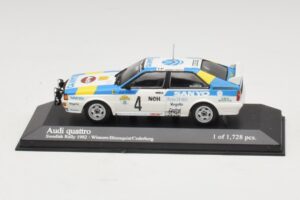
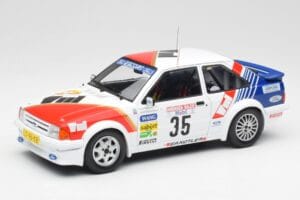
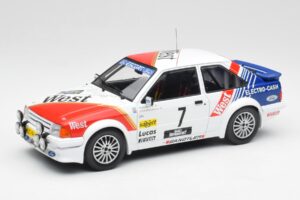
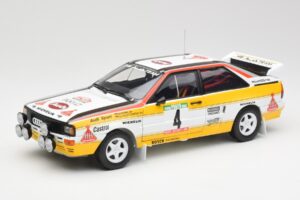
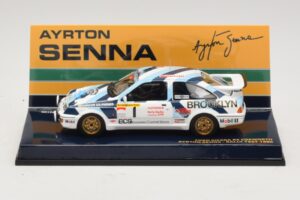
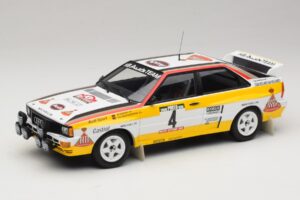
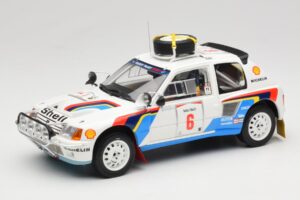
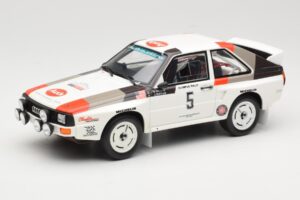
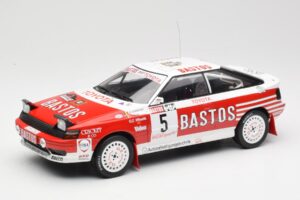
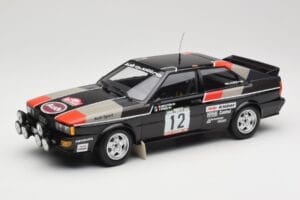
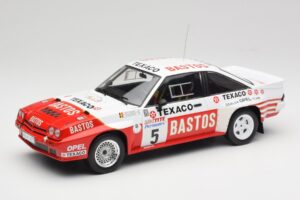
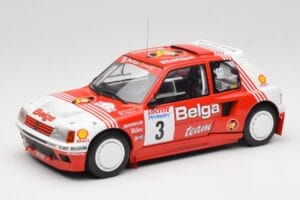
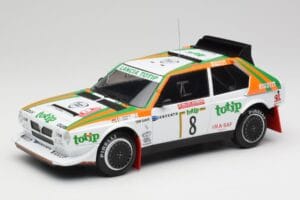
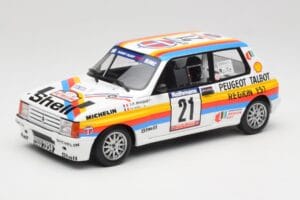
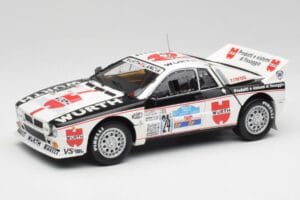
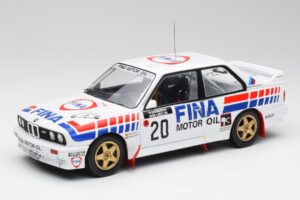
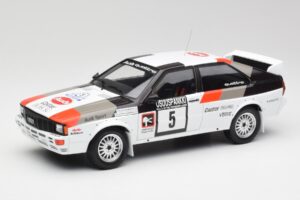
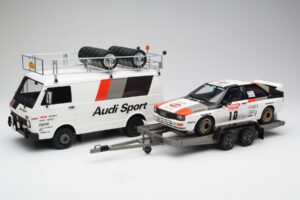
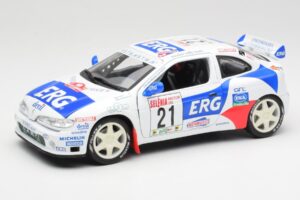
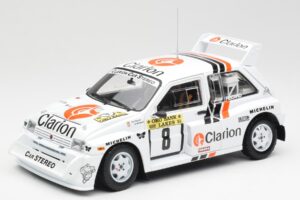
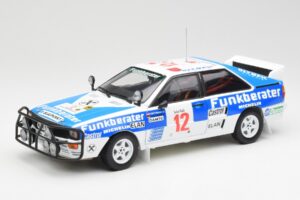
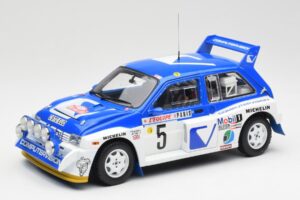
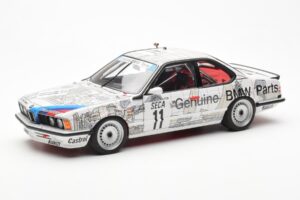
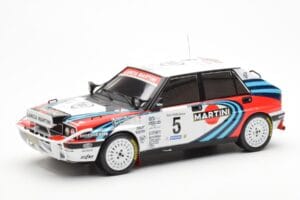
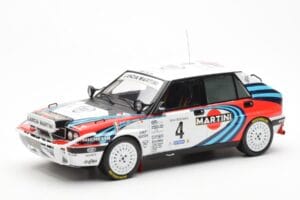
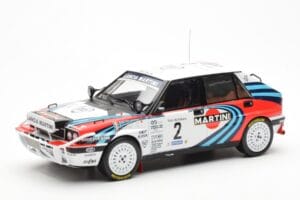
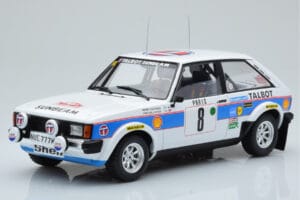
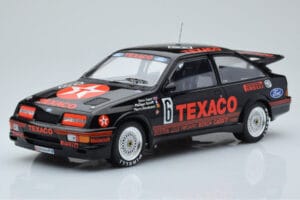
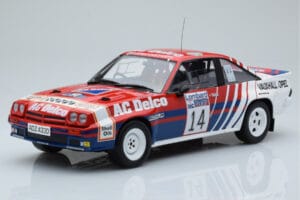
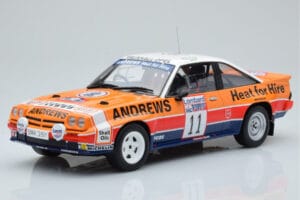
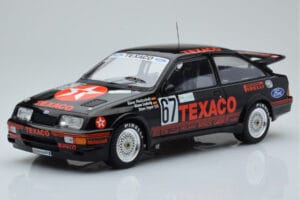
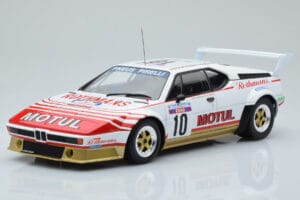
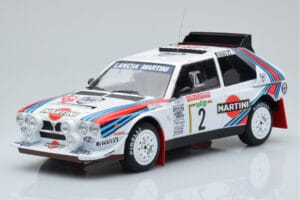
TL;DR: Group B and Group A Legends model cars span Audi, Lancia, Ford, Opel, BMW and Peugeot across 1:18 and 1:12 scale, in diecast, resin and composite construction. Manufacturers including IXO, Otto, Minichamps, Kyosho and Sun Star document rallying's most dramatic era from the 1980s through the 2000s.
Regulation almost never disappeared entirely from motorsport, but Group B came close, and the result was a handful of years where rally manufacturers built genuinely extreme machines with minimal restriction on power or aerodynamics. That brief, unrepeatable window is exactly what gives this category its enduring collecting appeal.
Group B and Group A Across Manufacturer Tiers
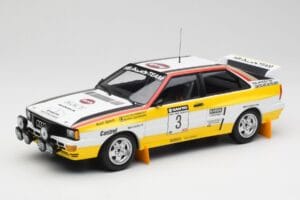
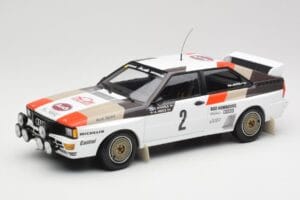
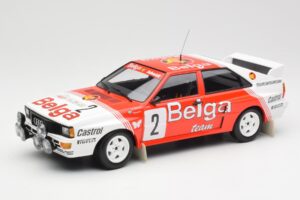
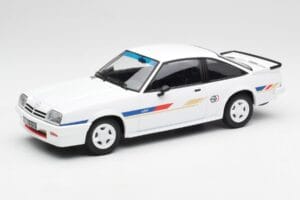
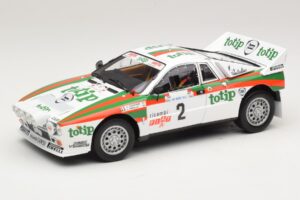
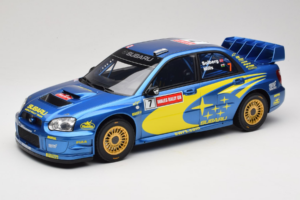
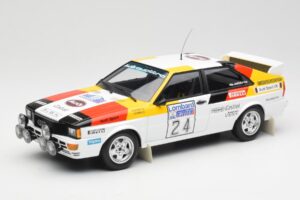
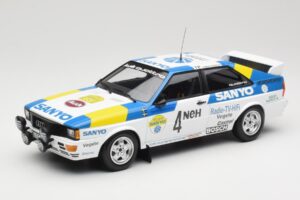
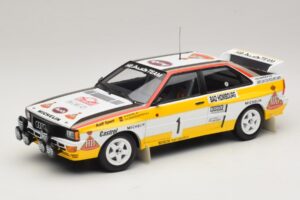
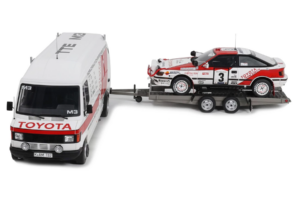
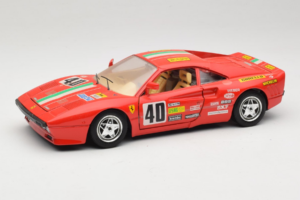
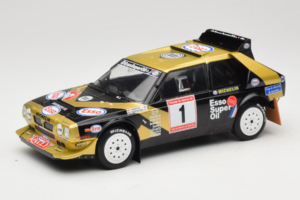
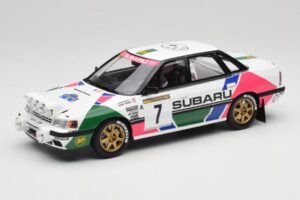
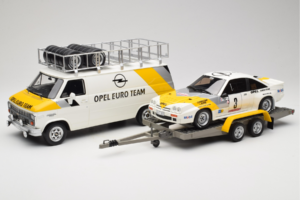
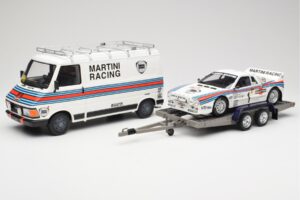
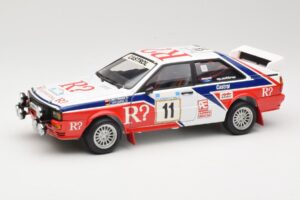
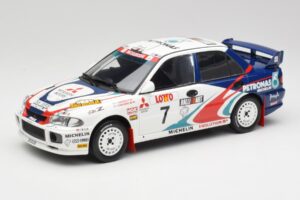
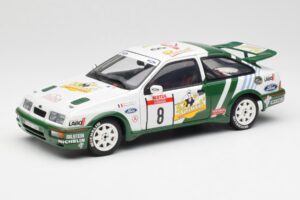
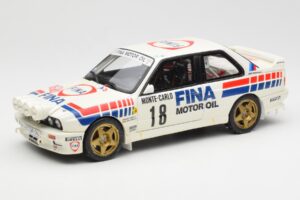
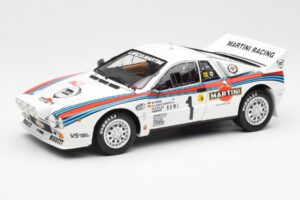
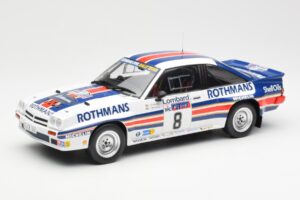
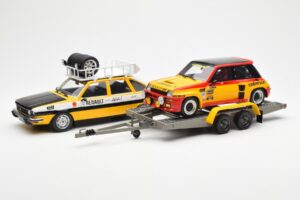
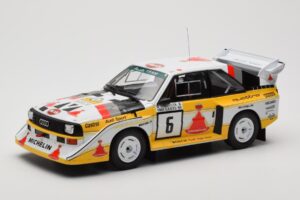
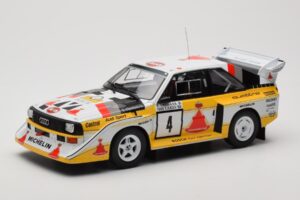
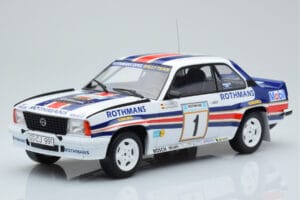
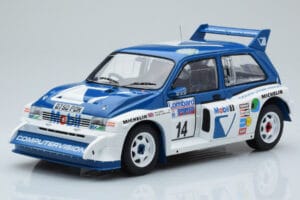
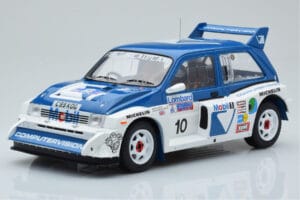
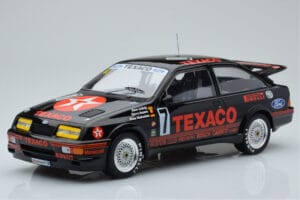
Otto and IXO have both built strong reputations reproducing this era's cars with correct period livery, stance and aerodynamic detail, Minichamps and Kyosho bring broader marque coverage and motorsport-honed precision, and Sun Star has documented several of the category's most significant subjects with dedicated attention. When judging a Group B or Group A piece:
- Wide-arch and spoiler accuracy, since these cars carried extreme aerodynamic addenda
- Four-wheel-drive era stance and wheel proportion, particularly on Audi and Lancia subjects
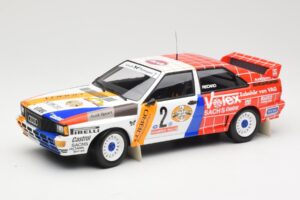
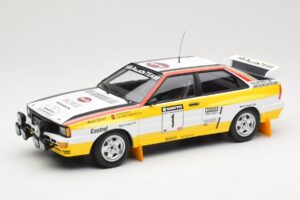
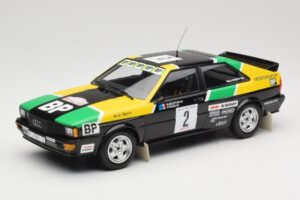
- Livery accuracy across specific rally rounds, since teams often varied schemes by event
- Composite or resin construction where sealed-body precision suits the aggressive bodywork
Because this era's competitive window was so short, correct period and event-specific detail carries more weight than in almost any other motorsport theme in the catalogue.
Four-Wheel Drive Changes Everything
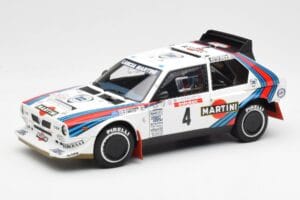
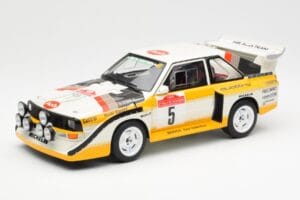
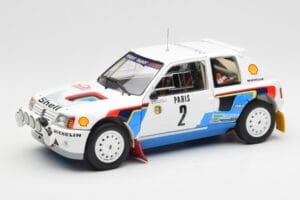
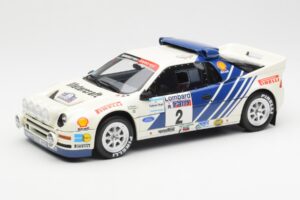
Audi's quattro system reshaped rally strategy entirely during this era, forcing rivals like Lancia, Ford, Opel and Peugeot to develop their own four-wheel-drive and aerodynamic solutions in response. Lancia's Group B entries remain among the category's most visually dramatic, while Peugeot's later Group B campaign showed how quickly the discipline's engineering had escalated before its withdrawal from top-level competition. Group A's tighter regulations that followed produced a different, more mechanically grounded era, with BMW and others adapting to the new rules.
Building a Group B and Group A Collection
Because Group B's competitive life was so brief, a focused collector can reasonably aim to cover its major manufacturers and liveries without the collection becoming genuinely open-ended, which is part of what makes this theme so satisfying to pursue. Pairing a Group B monster with its Group A successor from the same manufacturer shows how quickly regulation reshaped rally engineering. Given the aggressive bodywork typical of this era, 1:18 shows off aerodynamic detail particularly well.
Frequently Asked Questions
Why is Group B considered rallying's golden era?
Minimal regulation allowed manufacturers to build cars with extreme power and aerodynamics before the discipline was withdrawn from top-level rallying, leaving a short but intensely collectible window of unrestrained engineering ambition.
How did Group A differ from Group B?
Group A introduced tighter production-based regulations after Group B's withdrawal, producing a more mechanically grounded era of rally cars that still carried significant competition pedigree despite the reduced extremity of their engineering.
Which manufacturer reproduces this era most authentically?
Otto and IXO are both well regarded for period-correct liveries and stance across Group B and Group A subjects, with Minichamps and Sun Star adding further depth to specific manufacturers and events.
Is a complete Group B collection achievable?
More realistically than most motorsport themes, since the discipline's competitive era was brief enough that a dedicated collector can reasonably cover its major manufacturers without the collection expanding indefinitely.