Last one
Used
Back in stock
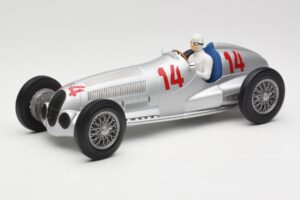
Mercedes W125 #14 Daimler-Benz AG M. von Brauchitsch 2nd Place German GP 1937 Minichamps 1:18
Only 1 left
Price:
£120.00
Single seater racing extends well beyond Formula 1’s headline grid, through feeder categories, electric racing and IndyCar’s distinct oval and road course tradition. This range covers the full ladder across two scales, in diecast and resin.
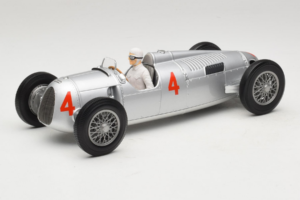

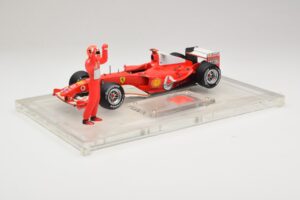
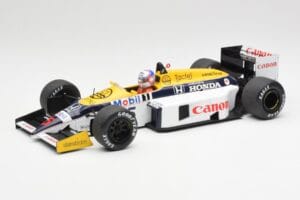
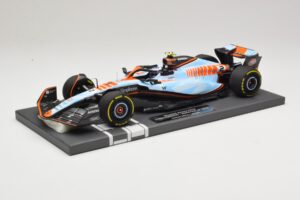
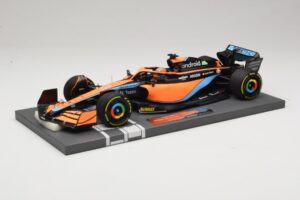
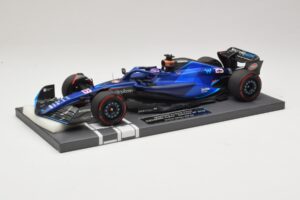
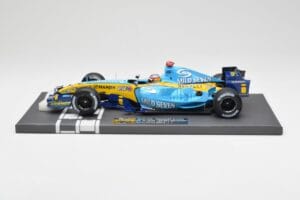
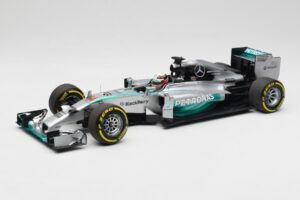
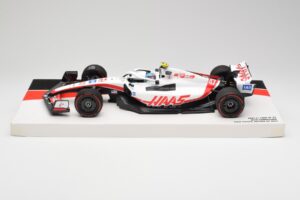
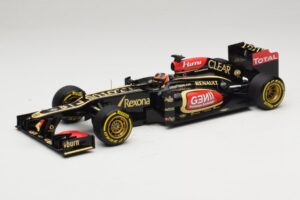
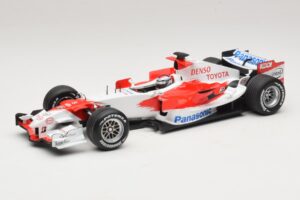
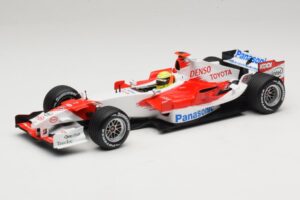
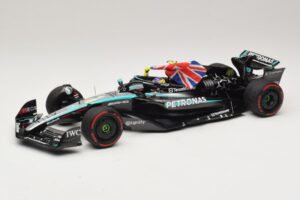
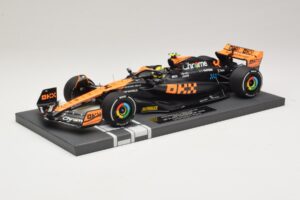
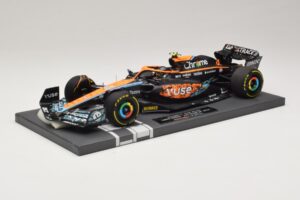
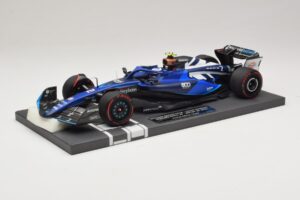
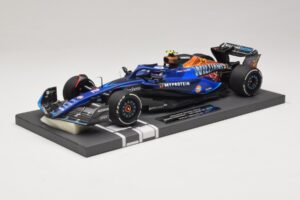
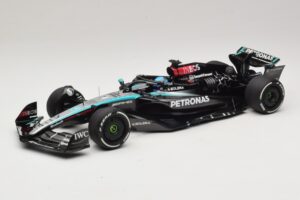
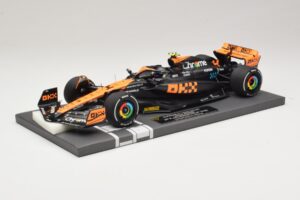
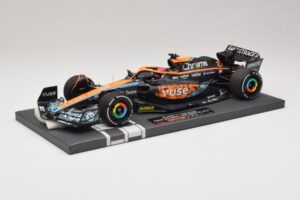
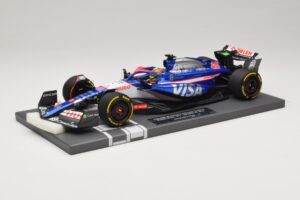
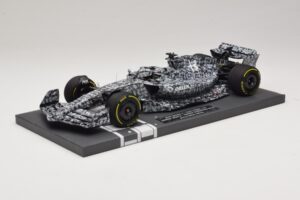
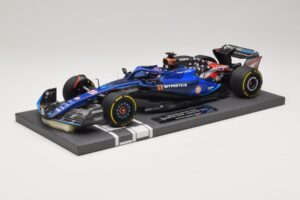
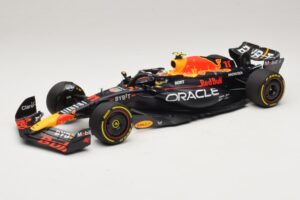
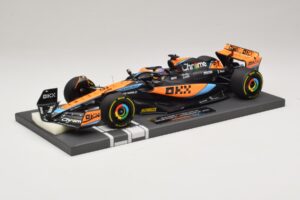
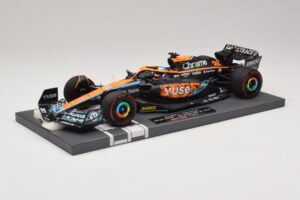
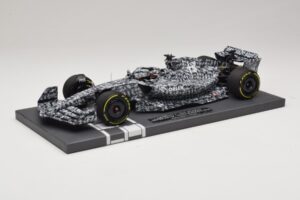
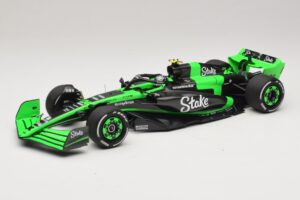
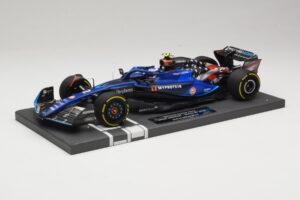
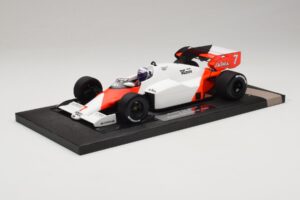
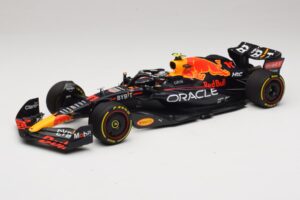
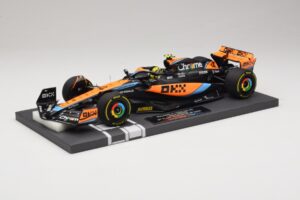
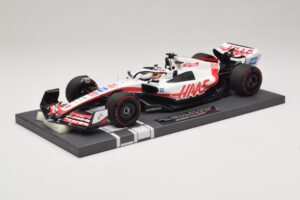
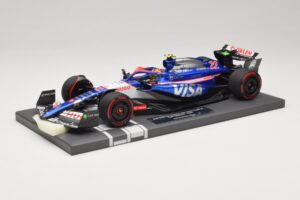
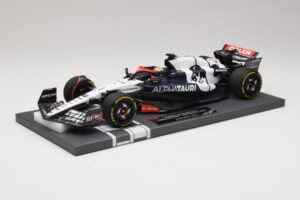
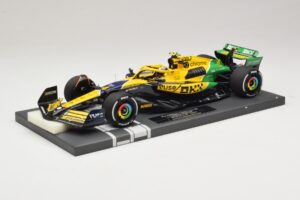
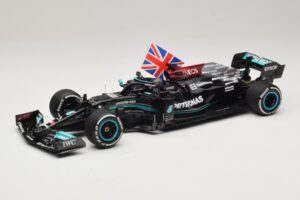
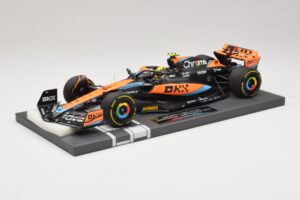
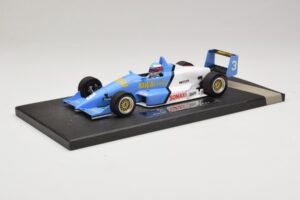
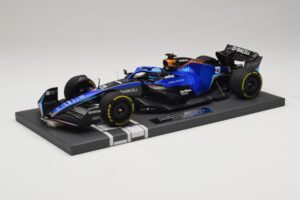
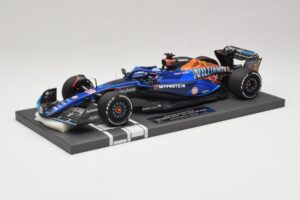
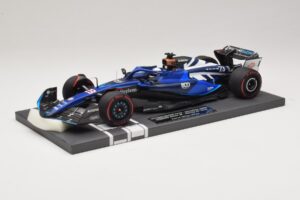
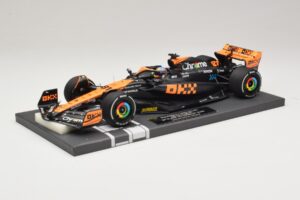
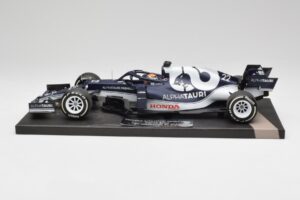
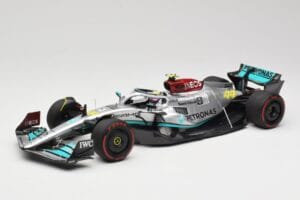
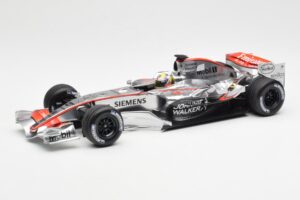
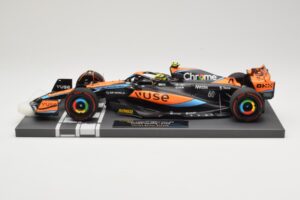
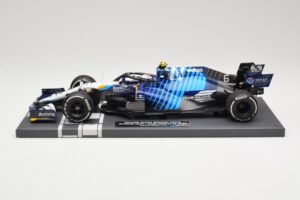
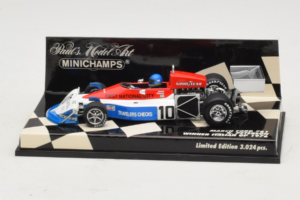


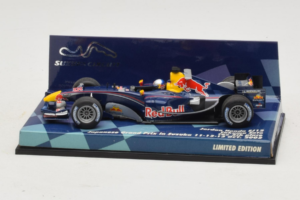
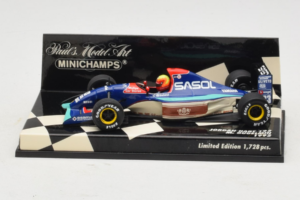
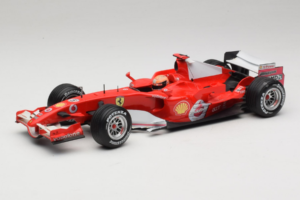

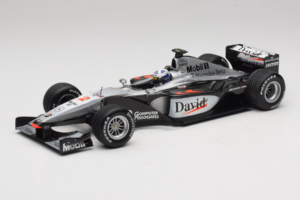

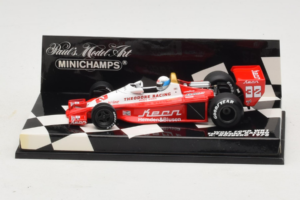
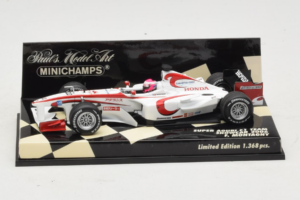
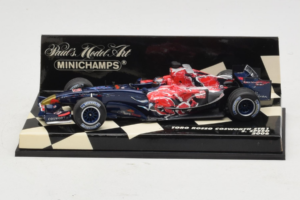


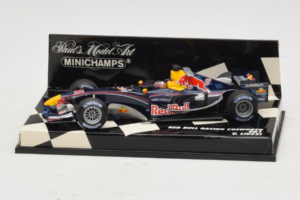
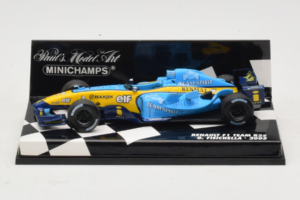

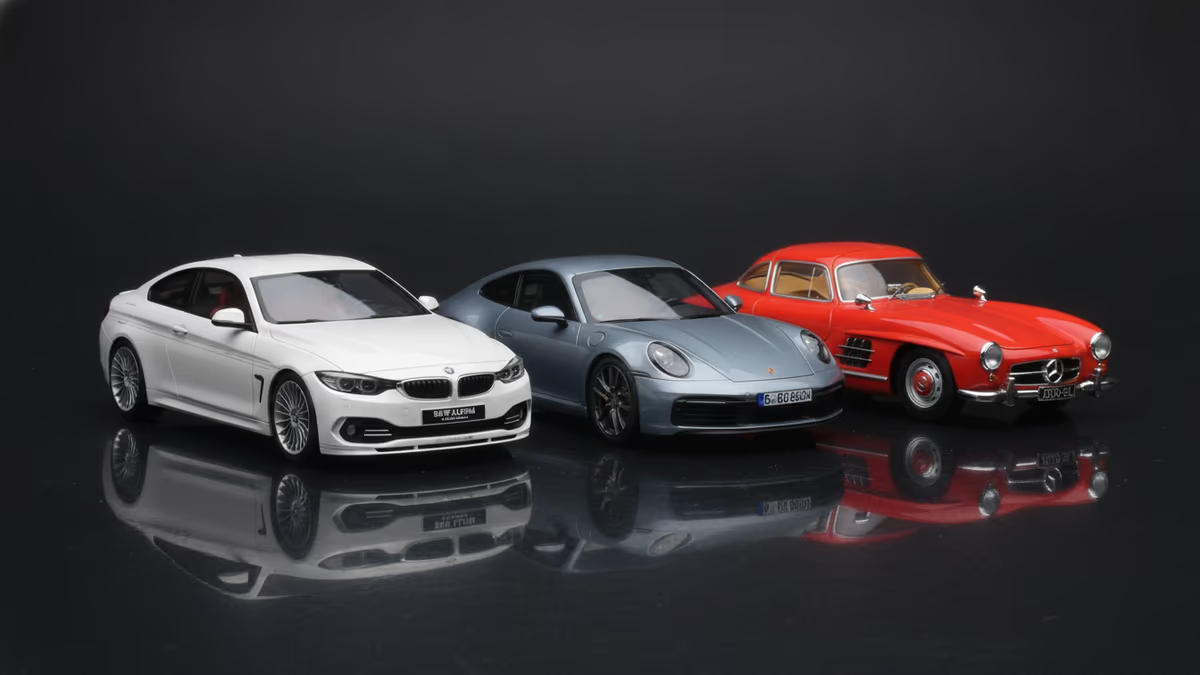
TL;DR: Formula racing model cars span Formula 1, Formula 2/3/E and IndyCar subjects from Red Bull Racing, McLaren, Mercedes and Williams across 1:18 and 1:43 scale, in diecast and resin. Manufacturers including Minichamps, MCG, BBR and CMC document the single seater ladder from the 1990s through the 2020s.
Formula 1 gets most of the attention, but the single seater ladder beneath it tells its own compelling story. Formula 2 and Formula 3 develop the drivers who eventually reach the top flight, Formula E applies open-wheel racing to electric powertrains, and IndyCar maintains a distinct American open-wheel tradition with its own oval and road course character.
Minichamps covers the breadth of this category with strong season documentation across Formula 1 and its feeder series, MCG fills gaps in less mainstream category and season coverage, BBR applies hand-built resin precision to the ladder's most significant single seaters, and CMC brings its own detail-focused construction to selected historic subjects. When evaluating a formula racing piece:
Because each series carries its own distinct regulations and aesthetic, correct category identification matters as much as team accuracy when judging a specific model.
Formula 2 and Formula 3 have long served as the proving ground for drivers who go on to Formula 1 grids with teams like Red Bull Racing, McLaren and Mercedes, giving these feeder categories a genuine narrative connection to the sport's top flight. Formula E's electric racing brings a completely different engineering philosophy to open-wheel competition, while IndyCar's American tradition, spanning both oval and road course racing, gives the wider single seater world a distinct character that European-focused categories don't replicate.
Following a single driver's progression from Formula 3 through Formula 2 and into Formula 1 gives this category genuine narrative structure that a single-series collection can't match on its own. Others focus on Formula E specifically, given its distinct visual identity and rapidly evolving technical regulations. Because coverage across feeder series and IndyCar is naturally thinner than mainstream Formula 1, patience in sourcing specific subjects pays off here more than elsewhere.
Formula 3 and Formula 2 serve as feeder categories developing drivers who eventually reach Formula 1, with each level carrying progressively more powerful and technically complex cars as drivers move up the ladder.
Yes, Formula E's electric powertrains and distinct visual identity, including unique wheel and bodywork design, give it a different aesthetic and collecting character compared with combustion-powered Formula 1 or IndyCar subjects.
IndyCar maintains a distinct American tradition spanning both oval and road course racing, with different chassis regulations and a separate manufacturer landscape from the European-focused Formula 1 ladder.
Generally yes, since Formula 2, Formula 3 and IndyCar coverage tends to be thinner than mainstream Formula 1 documentation, so sourcing specific drivers or seasons often requires more patience.