Last one
Used
Back in stock
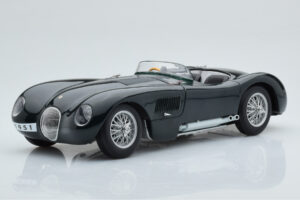
The 1950s gave the automotive world tailfins, chrome and the first true postwar sports cars, a decade collectors return to for its sheer stylistic confidence. This range spans Mercedes, Chevrolet, Jaguar and Ferrari across four scales, in diecast and resin.
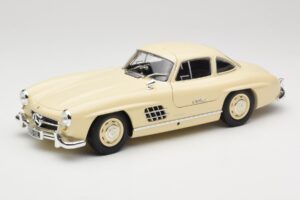
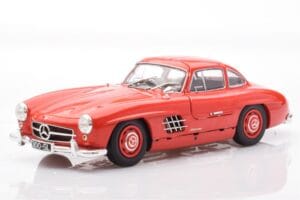
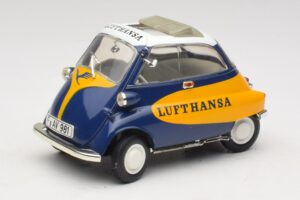
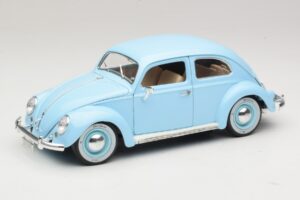
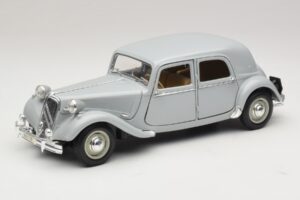
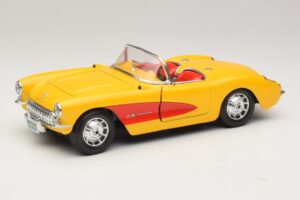
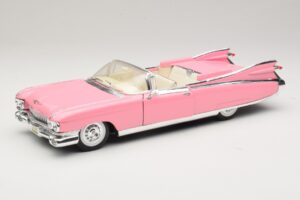
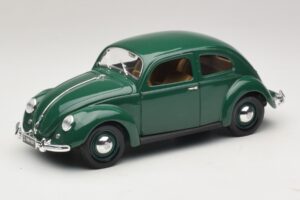
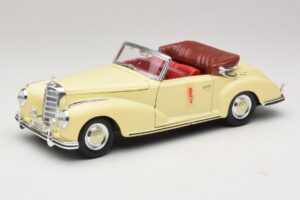
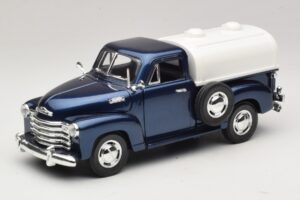
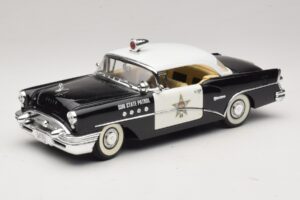
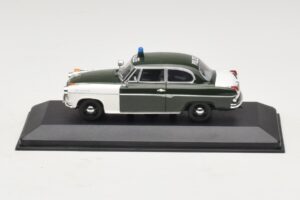
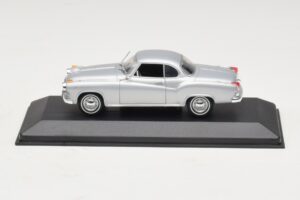
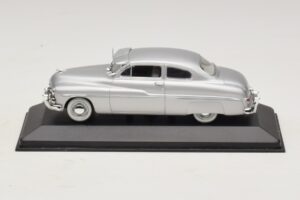
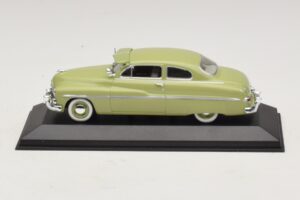
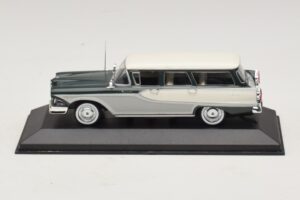
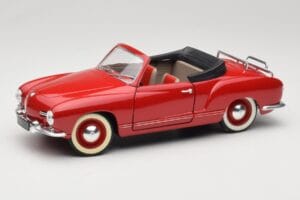
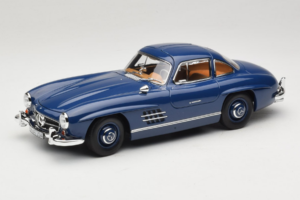
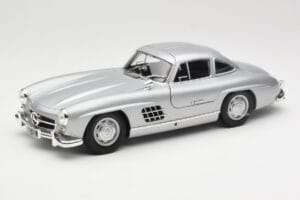
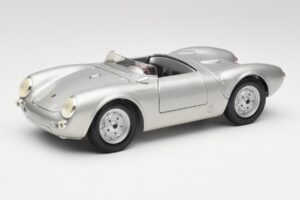
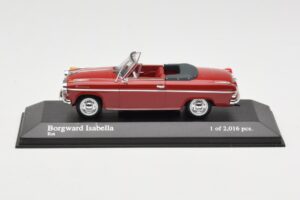

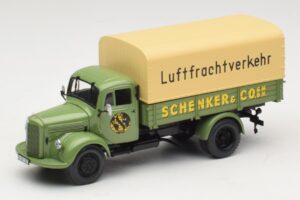

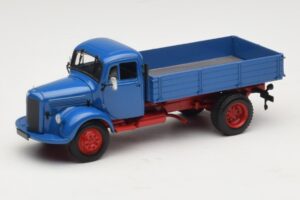
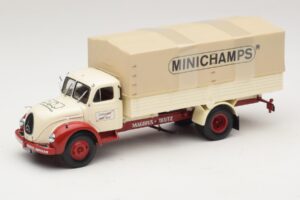
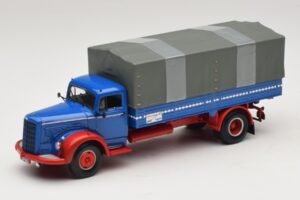
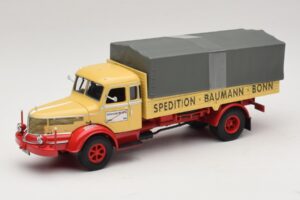
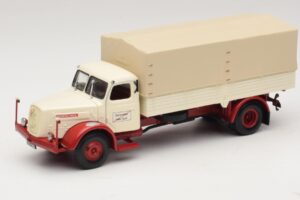

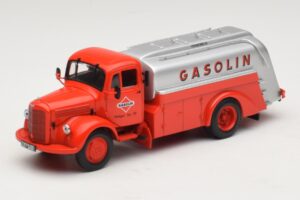
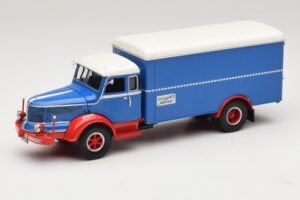

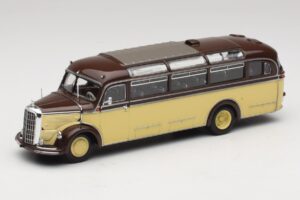
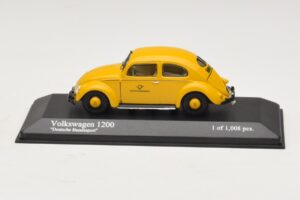
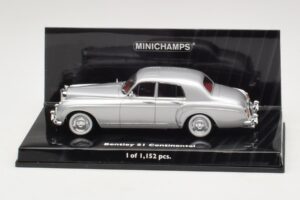
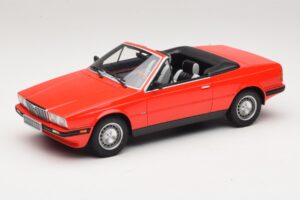
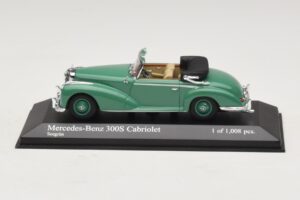
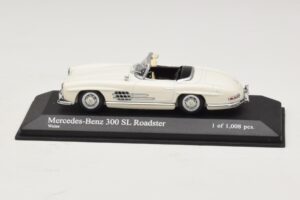
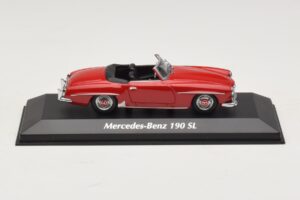
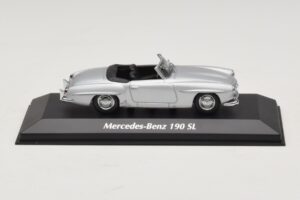
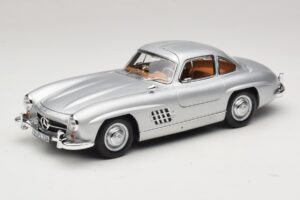
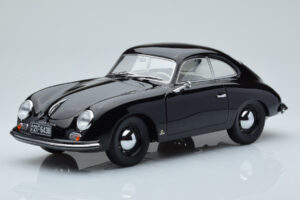
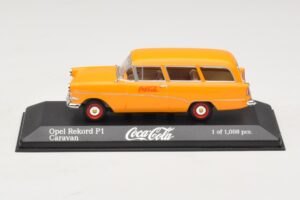
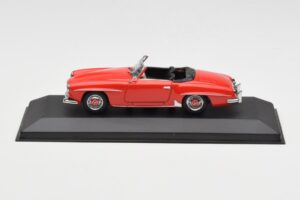
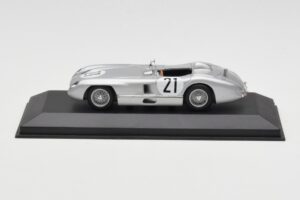
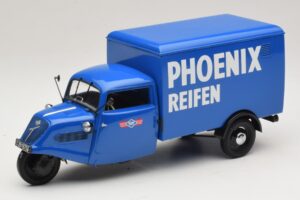

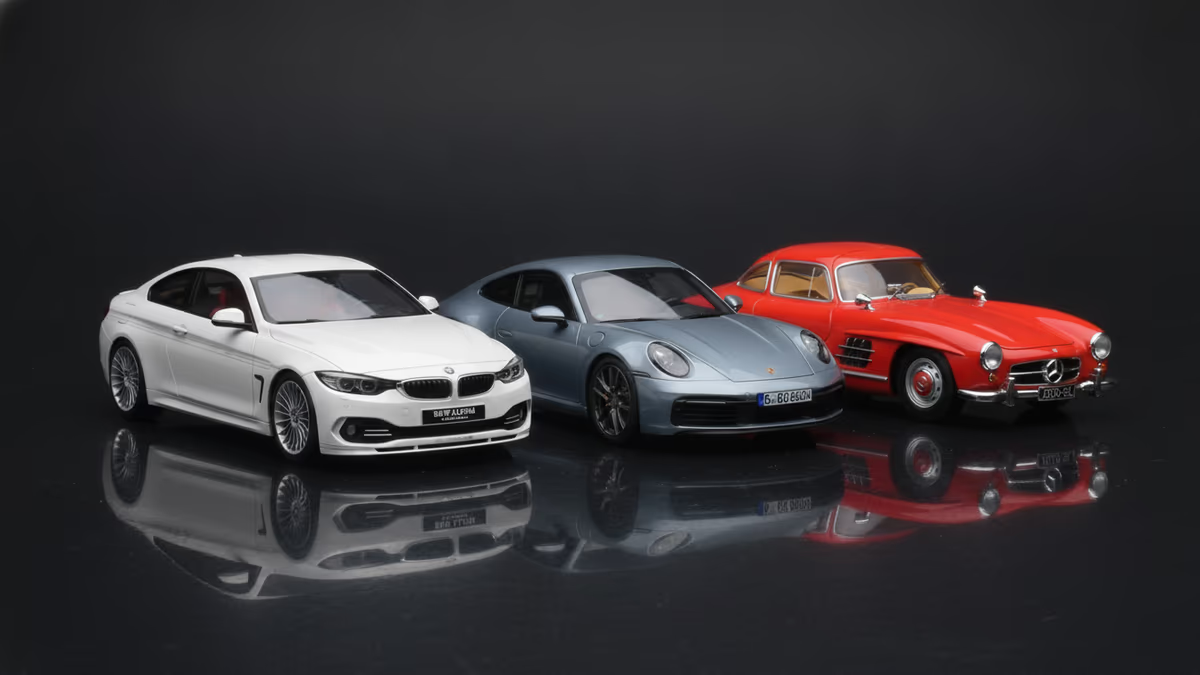
TL;DR: 1950s model cars span vintage classics, historic GT subjects and early concept cars from Mercedes, Chevrolet, BMW, Ferrari and Jaguar. Manufacturers including Minichamps, Bburago, Revell and Norev reproduce the decade across 1:18, 1:43, 1:24 and 1:12 in diecast and resin.
Automotive design found its confidence in the 1950s. Chrome grew bolder, tailfins appeared and disappeared within a few short years, and sports car manufacturing genuinely came of age after the wartime interruption. Few decades give scale model manufacturers so much stylistic material to work with, and the range here reflects that abundance.
Bburago's accessible diecast makes early Ferrari and Jaguar subjects available at entry-level pricing, while Minichamps and Norev cover the decade with more considered mid-tier construction across a broader marque spread. Revell's kit heritage brings a distinct build-oriented perspective to the era, and specialist resin producers capture the low-volume sports cars that never justified diecast tooling. When evaluating a 1950s piece:
The decade's design variety means tier and construction quality vary more subject to subject than in more standardised later eras.
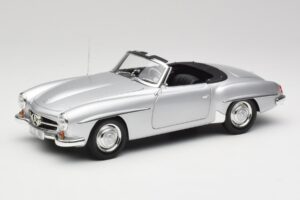
This is the decade when the modern sports car and grand tourer genuinely emerged. Mercedes' gullwing-era engineering and Jaguar's competition-bred road cars sit at the heart of the era's classic sports and historic GT presence, while Ferrari's earliest production models establish the road-racing crossover that would define the marque for decades after. Citroen and Volkswagen represent the more democratic side of the decade, and concept cars from this period capture an industry experimenting openly with what came next.
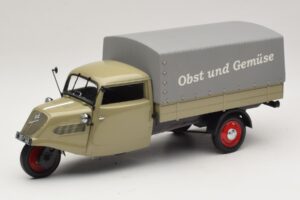
A 1950s collection rewards a marque-led or theme-led approach, since the decade's design range is genuinely wide, from American chrome excess to European sports car restraint. Many collectors pair a hero sports car in 1:18 with a run of 1:43 saloons to capture both the glamour and the everyday motoring of the period. Special and unique models from this era, including early light commercial vehicles, add texture beyond the obvious sports car choices.
Chrome trim, tailfins and the emergence of the modern sports car define the decade. American manufacturers pursued bold styling while European marques like Mercedes and Jaguar refined competition-derived engineering into genuine road cars, giving the era real stylistic range.
Mercedes, Chevrolet, BMW, Ferrari and Jaguar lead the range, alongside Volkswagen, Citroen and Ford, covering everything from grand touring sports cars to everyday saloons of the period.
1:18 shows off the era's chrome and interior detail most effectively, though 1:43 remains popular for collectors building a broader survey of the decade's saloons and sports cars together.
Entry-tier diecast from this era is genuinely accessible, particularly for mainstream American and European saloons, making the 1950s a practical starting point before moving toward rarer sports car subjects.