Last one
Used
Back in stock
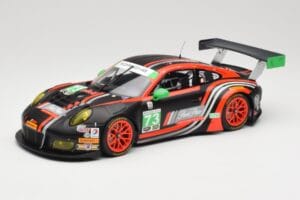
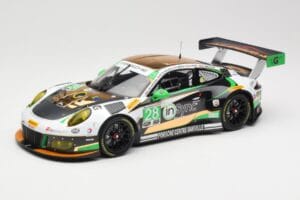
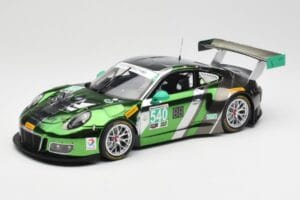
Porsche 911 991.2 GT3 R Park Place Motorsport #73 P. Lindsey / J. Bergmeister / M. McMurry / N. Siedler 24 Hours of Daytona 2017 Minichamps 1:18
Only 1 left
Price:
£95.00
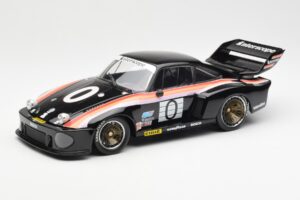
American endurance racing built its own identity around Daytona and Sebring, and the liveries reflect it: bold sponsor graphics, GTP silhouettes and factory-backed privateer teams rarely seen in European series. This collection spans four decades of that story across diecast and resin.
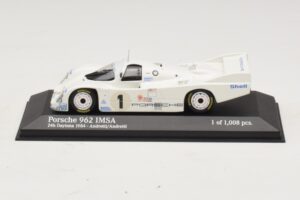
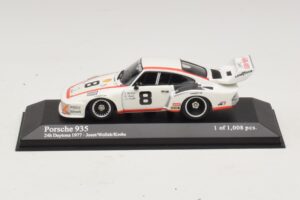
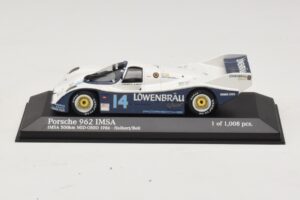
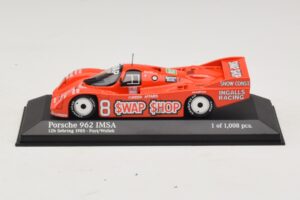


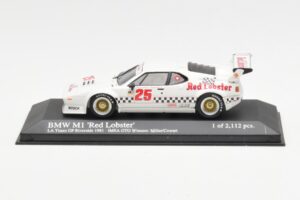
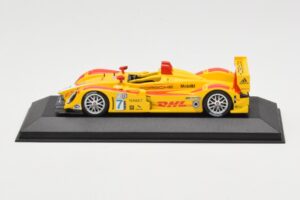

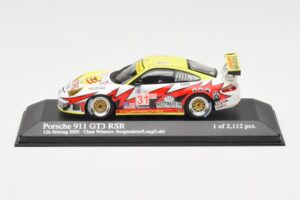
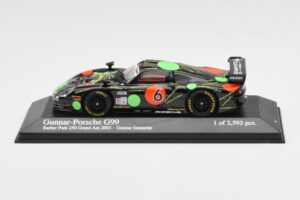
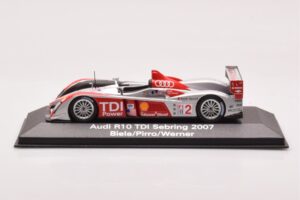
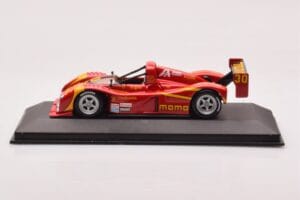
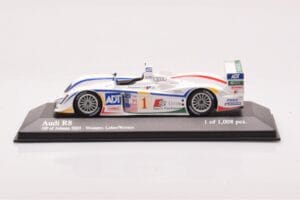
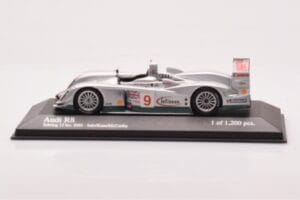



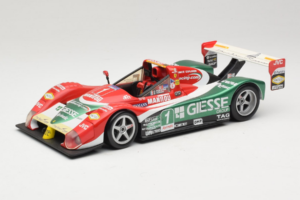
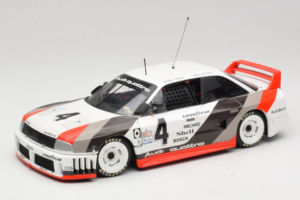
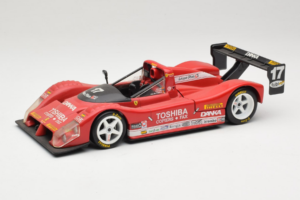
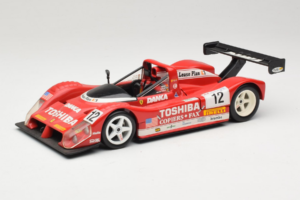
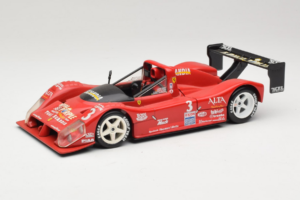
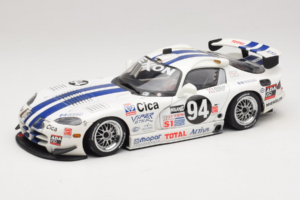
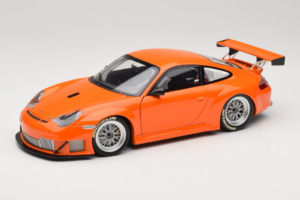
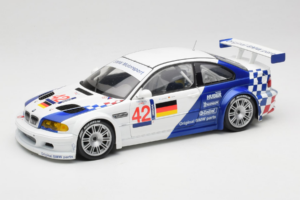
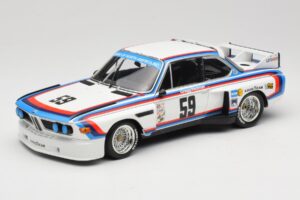
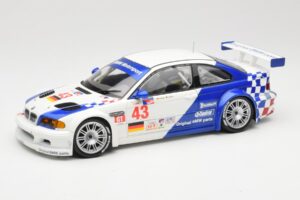
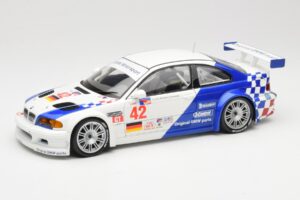
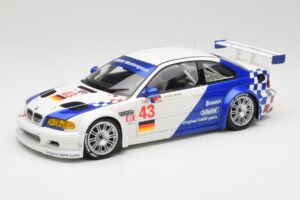
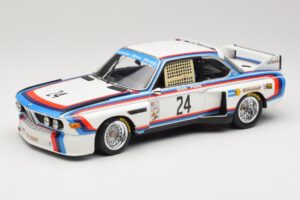
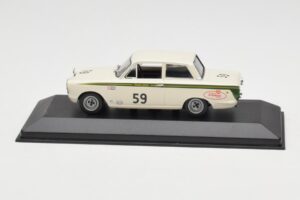
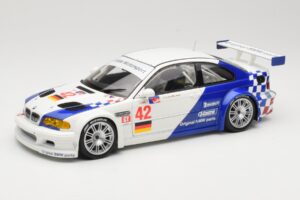
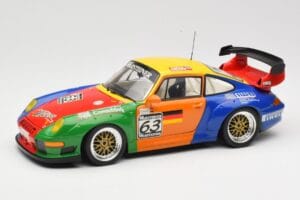

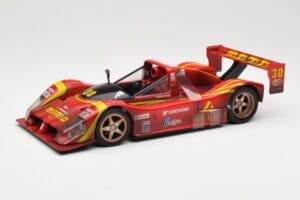
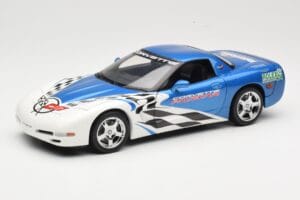
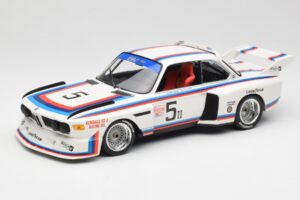
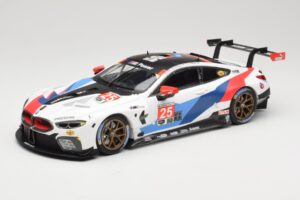
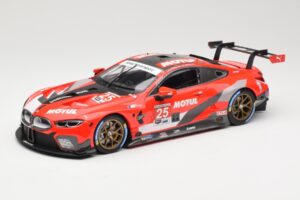


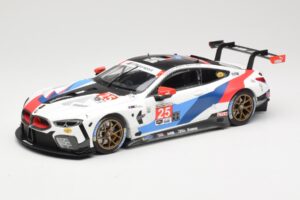
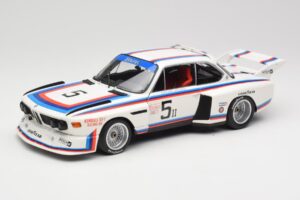
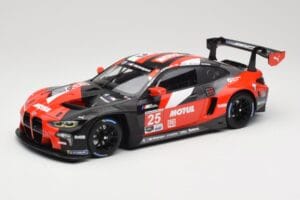
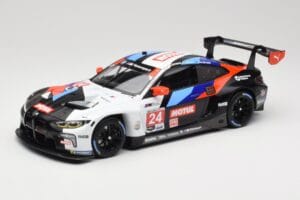
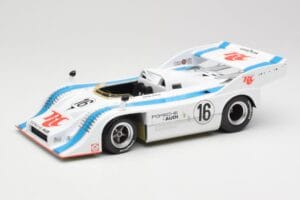
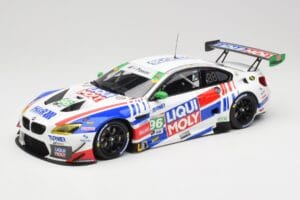
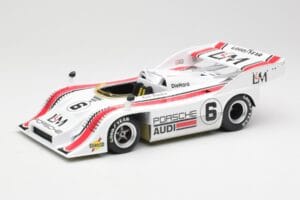
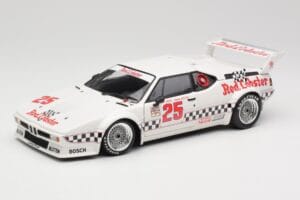

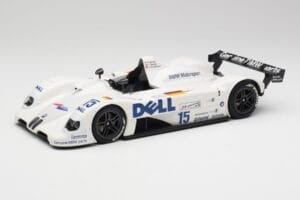
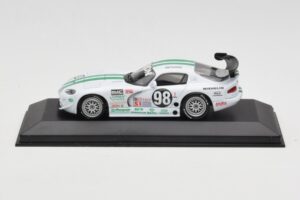
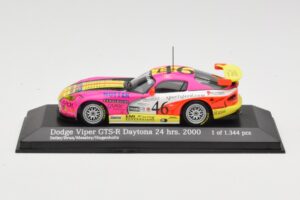
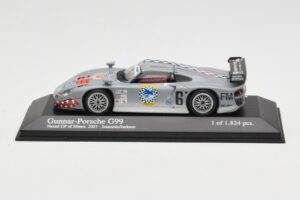
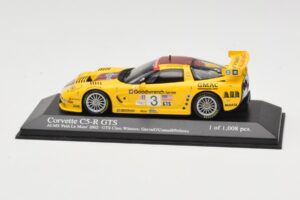
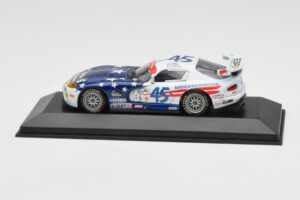

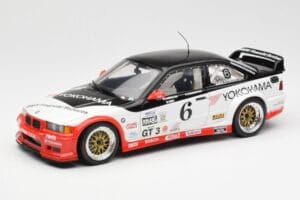
TL;DR: IMSA and North American sportscar models here cover Porsche, BMW, Ferrari, Audi, Dodge, Chevrolet, Acura and Bentley subjects in 1:18 and 1:43 diecast and resin, spanning the 1970s through the 2010s across GTP, GT and prototype categories.
IMSA racing developed a visual language distinct from European sportscar competition: wide-bodied GTP prototypes, factory teams running alongside determined privateers, and sponsor liveries that turned cars into rolling billboards. This collection follows that story from 1970s roots through the modern GT era.
Minichamps anchors much of the road-relevant GT coverage with its usual mid-to-premium diecast finish, while UT Models built a reputation among collectors for early GT1 and GTP-era subjects from the late 1990s. AUTOart's diecast sits at a comparable tier, favouring crisp tampo-printed sponsor graphics that matter enormously in a series built on livery variety. MCG's resin work fills gaps at the smaller-scale end, and Hot Wheels contributes accessible entry pieces for broader subject coverage. None of these producers dominates the category outright; the depth comes from several specialists each covering a slice of the series' long history.
Porsche's presence spans GTP prototypes through modern GT3 privateer entries, while BMW and Audi represent the factory manufacturer programmes that periodically dominated the top class. Dodge and Chevrolet supply the American muscle-flavoured GT entries that gave the series its home-grown identity, and Ferrari, Acura and Bentley round out a grid that has always mixed European engineering with American racing culture.
The 1970s-1990s GTP period produced some of the most visually striking racing liveries ever run, and reproducing them accurately depends on tampo precision most collectors judge closely before buying.
A season-by-season approach suits this category well, since IMSA's class structure changed repeatedly across the decades. Collectors often build around one marque's factory programme, tracking its progression through GTP, GT1 and modern GT3 eras, or focus purely on Daytona and Sebring-winning liveries regardless of manufacturer.
Livery style is the clearest difference. American sponsor graphics tend toward bold, colourful schemes, and GTP-era prototypes had wider, more flared bodywork than their European Group C rivals, giving the category a distinct visual identity worth collecting on its own terms.
1:43 suits season documentation, since a full field of liveries fits practical shelf space. Reserve 1:18 for standout cars, such as a Daytona-winning prototype, where the extra detail justifies the larger footprint.
Coverage varies by manufacturer and release cycle rather than following a fixed pattern, so availability depends more on which producer has recently revisited a given era than on the era itself.
Both work well; the deciding factor is usually tampo sharpness on complex sponsor graphics rather than the base material, since either can reproduce fine livery detail when the producer's print quality is strong.