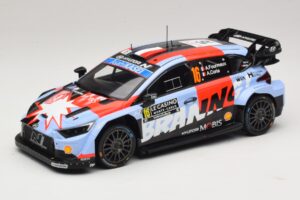
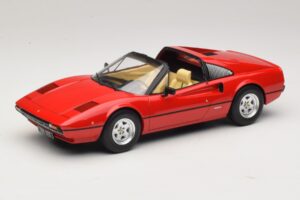
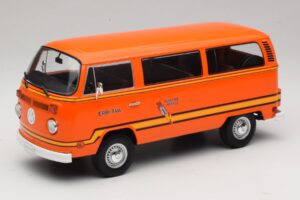
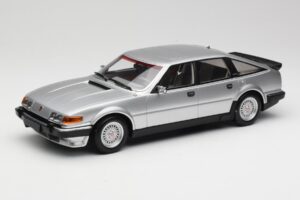
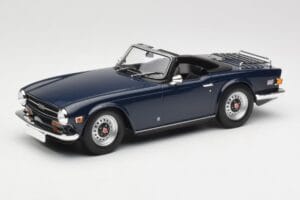
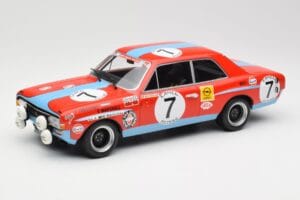
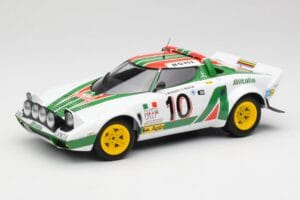
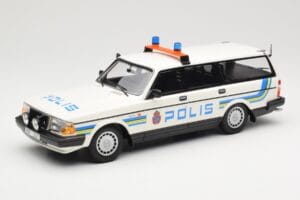
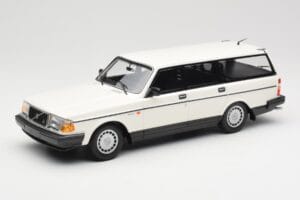
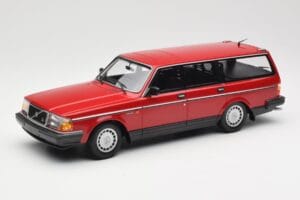
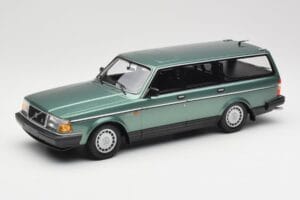
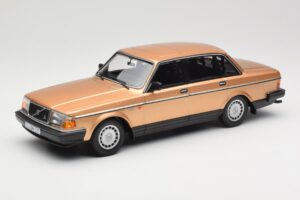
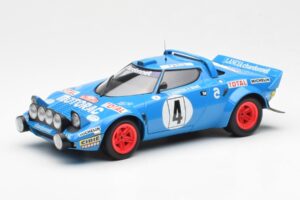
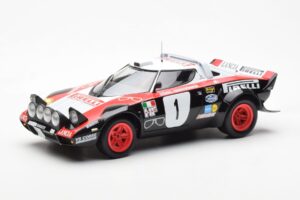
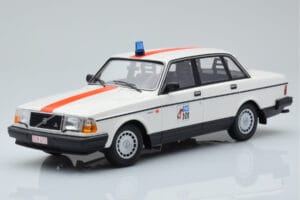
TL;DR: Diecast model cars use zinc alloy construction across 1:18, 1:43, 1:12 and 1:24 scale, spanning Porsche, Mercedes, BMW, Ferrari and Ford. Manufacturers including Minichamps, Norev, Bburago, MCG and AUTOart cover vintage classics through modern supercars in this material.
Weight is the first thing most people notice when they pick up a diecast model, and that heft is exactly the point. Cast zinc alloy gives a model durability and presence that lighter materials struggle to match, while usually allowing doors, bonnets and boots to open and reveal detail that a sealed body only ever suggests.
Diecast Construction Across Manufacturer Tiers
Bburago's licensed diecast sits at the accessible end, prioritising opening features and broad subject coverage, while Minichamps and Norev bring tighter shut lines and more considered interiors at the mid-tier. MCG has carved out a niche reproducing lesser-known subjects that larger diecast manufacturers overlook, and AUTOart pairs diecast bodies with composite detailing for a more premium finish. When judging diecast quality:
- Door, bonnet and boot hinge action, since this is diecast's signature interactive feature
- Shut-line tightness around opening panels, where tier differences show most clearly
- Base-plate finish and weight distribution for stable display
- Interior detail visible through opened doors, an area where tiers diverge significantly
Because opening features require hinge clearance, diecast panel gaps are typically wider than a sealed resin body's, a trade-off most collectors accept for the interactive display value diecast provides.
Why Diecast Remains the Industry Standard
Zinc alloy construction has underpinned the scale model hobby since its earliest mass-market days, and its combination of durability, opening-feature capability and manageable production cost keeps it the default choice for the widest range of subjects across every marque in this catalogue. Ferrari, Porsche and Mercedes all appear extensively in diecast, spanning vintage classics through to current supercars, proving the material's flexibility across both budget and premium construction tiers.
Choosing Diecast for a Collection
Diecast suits collectors who value handling their models and appreciate opening doors and bonnets as a genuine display feature rather than an afterthought. It also tends to be more forgiving of accidental knocks than resin, making it a sensible choice for shelves without a glass cabinet. Many collectors build a diecast-first collection before exploring resin separately for subjects where sealed-body precision matters more than interaction.
Frequently Asked Questions
What is diecast construction made from?
Diecast models use a zinc alloy body, often called zamak, which offers durability and weight while supporting opening features like doors, bonnets and boots that lighter materials struggle to replicate as reliably.
Is diecast better than resin?
Neither is universally better. Diecast offers opening features and durability, while resin achieves tighter panel lines on a sealed body. The right choice depends on whether a collector prioritises interaction or surface precision.
Why do diecast panel gaps look wider than resin?
Opening doors and bonnets require hinge clearance, which naturally widens the shut lines compared to a sealed resin body where nothing needs to move, a trade-off most collectors accept for the interactive display value.
Which scale is most common for diecast models?
1:18 carries the widest diecast range with the most opening features, though 1:43 and 1:24 both offer strong diecast coverage for collectors seeking a more compact display footprint.