On sale:
-5%
New arrival
Pre-order

Volkswagen Beetle Brunswick Blue Otto 1:12
Expected 21-31.10.2026
Only 4 left!
Discount ends in: 00d 00h 00m
Price:
was
£146.67
£139.17
Save £7.50
A fixed, sealed body holds tighter panel lines than a model built to open, and many collectors deliberately choose this construction for display precision over interaction. This range spans Formula 1, tuner specials and vintage classics without opening doors, bonnets or boots.
Save £7.50

Save £5.00

Save £7.50

Save £5.00

Save £5.00

Save £5.00

Save £5.00

Save £7.50

Save £7.50

Save £5.00

Save £5.00

Save £3.00

Save £3.00

Save £3.00

Save £6.00

Save £6.00

Save £3.00




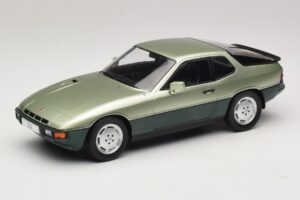



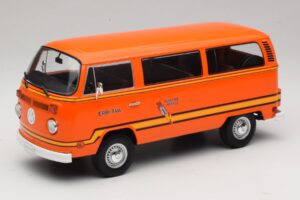








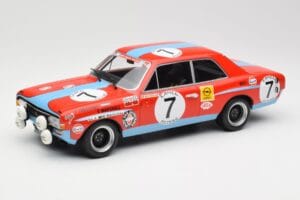








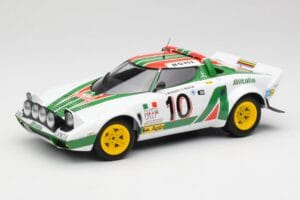









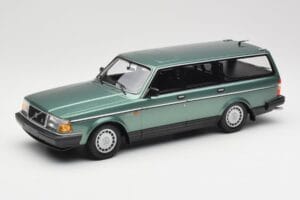

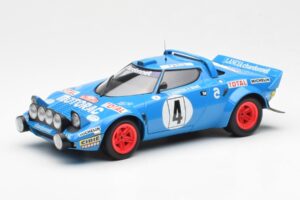
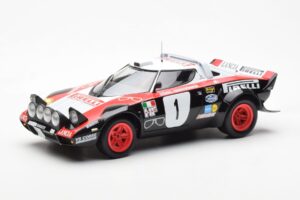

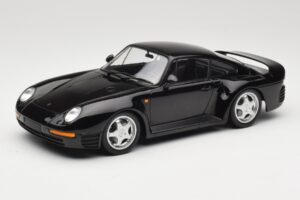














TL;DR: Sealed models without openable parts here span 1:18, 1:43 and 1:12 diecast and resin from Minichamps, GT Spirit, Otto, MCG and IXO, covering Formula 1, tuner specials, modern classics, vintage classics and premium sports subjects from the 1980s through the 2020s.
Not every collector wants doors that open. A sealed, fixed body prioritises panel-line precision and surface accuracy over interactive features, and this category groups models built that way, regardless of whether the underlying material is diecast or resin.
Sealed bodies allow tighter shut lines than opening panels ever can, since there is no hinge mechanism demanding clearance. Formula 1 subjects, where aerodynamic bodywork has no doors to begin with, sit naturally in this category, but so do road car subjects deliberately built sealed for display purposes. Minichamps and GT Spirit both produce sealed pieces specifically to chase the surface precision that opening features would compromise.
A sealed model can carry more visible surface detail than an opening equivalent, since the body does not need to accommodate hinge mechanisms or interior access points that affect exterior panel tolerances.
Motorsport subjects like Formula 1 naturally fall here, since real racing cars have no opening doors to replicate. Road car subjects across tuner specials, modern classics and premium sports also appear sealed when a producer prioritises panel accuracy over interactive display.
Producers sometimes choose sealed construction deliberately to achieve tighter panel lines and sharper surface detail, trading interactive features for display accuracy on subjects where that precision matters most.
No, sealed construction appears in both diecast and resin, though resin more commonly uses sealed bodies since the material favours surface precision over mechanical opening features.
Not inherently; value depends on subject significance, tier and condition rather than whether a model opens, though sealed pieces do avoid wear issues that opening hinges can develop over time.
No, Formula 1 cars have no doors in reality, so a sealed model is simply an accurate reproduction rather than a simplified one, with detail concentrated on aerodynamic surfaces instead.