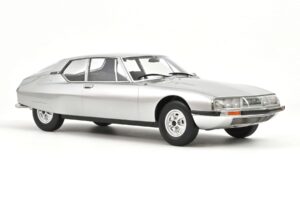
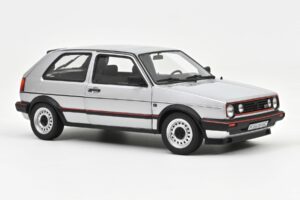
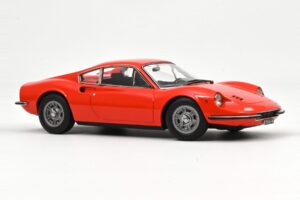
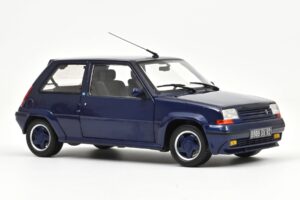
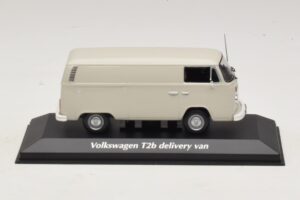
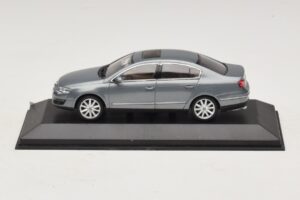
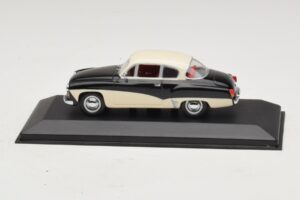
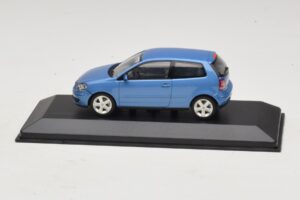
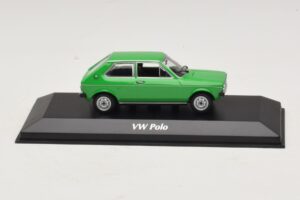
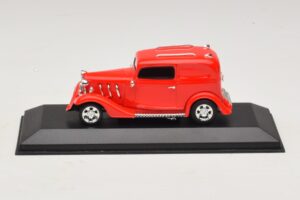
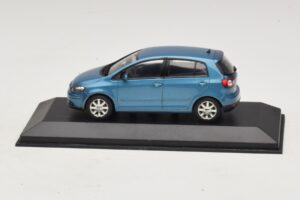
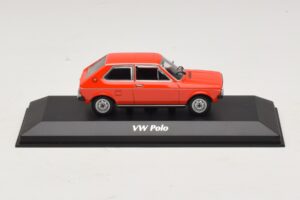
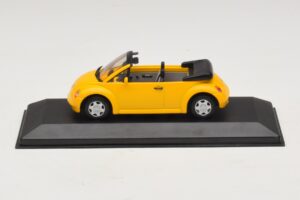
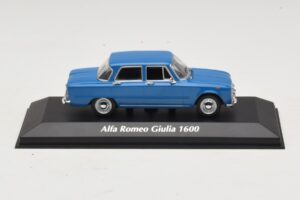
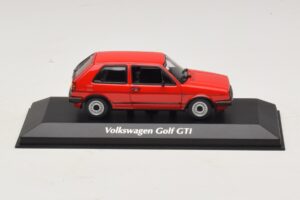
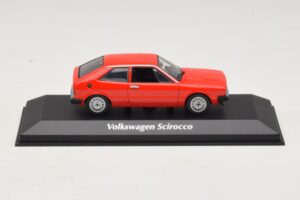
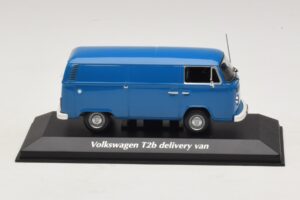
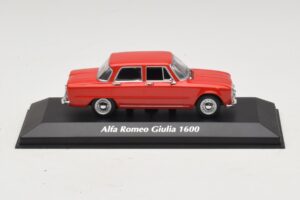
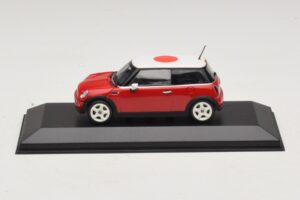
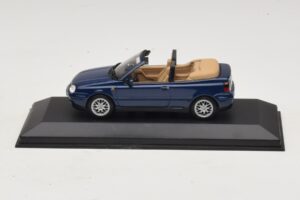
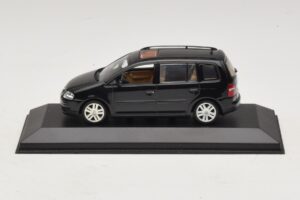
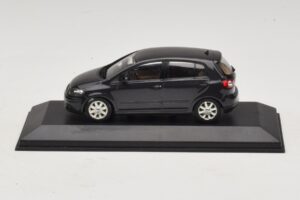
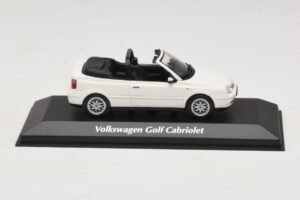
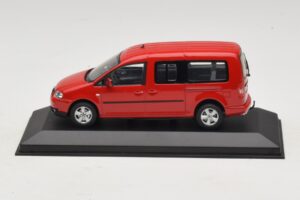
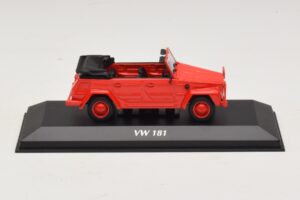
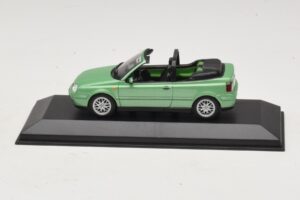
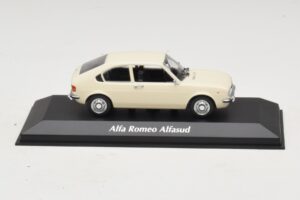
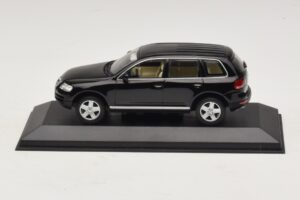
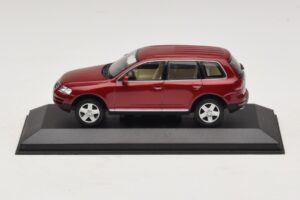
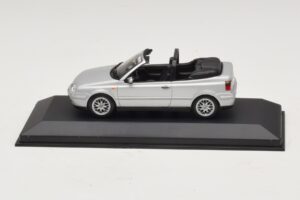
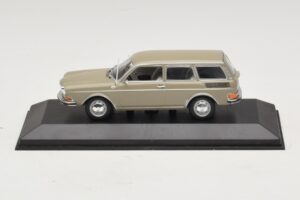
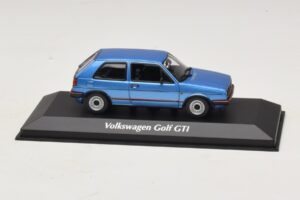
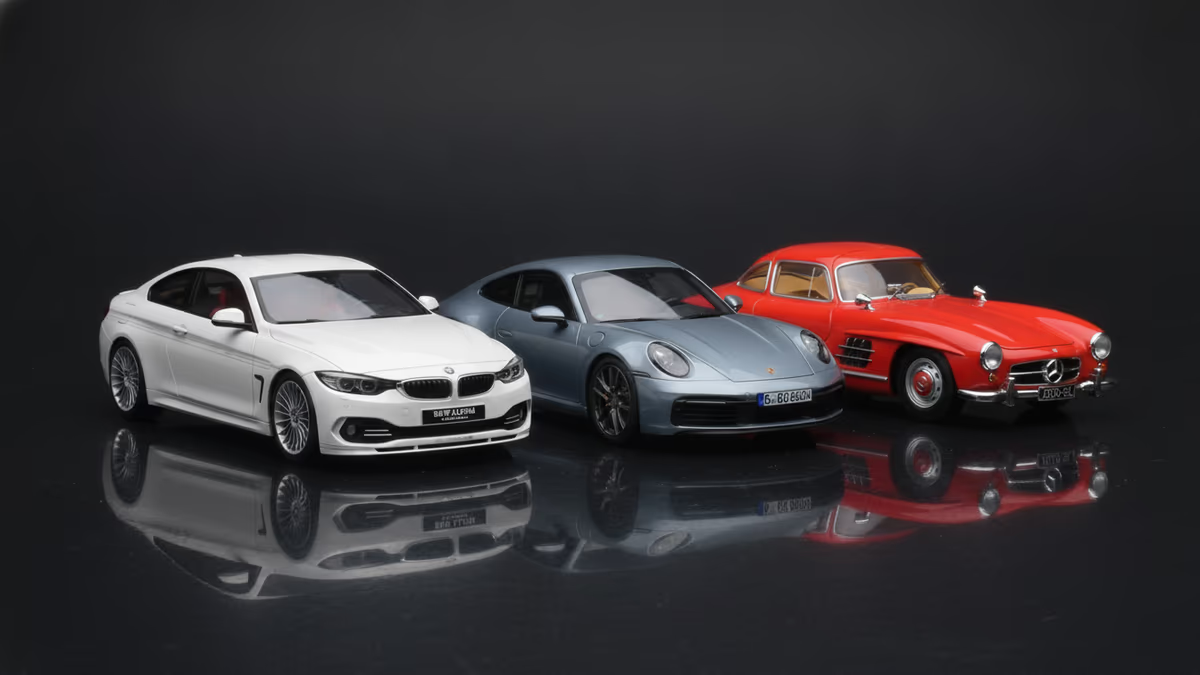
TL;DR: Scale model cars are commonly produced at 1:18, 1:43, 1:24 and 1:12, each ratio trading display footprint against surface detail. Larger scales such as 1:18 and 1:12 suit hero pieces and close inspection, while 1:43 favours breadth and comprehensive lineage collecting.
Every scale model car carries a ratio in its name, and that number decides more about the collecting experience than most buyers initially realise. Choosing a primary scale early makes every subsequent purchase easier to plan.
What the Common Ratios Mean for a Collector
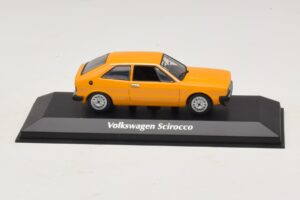
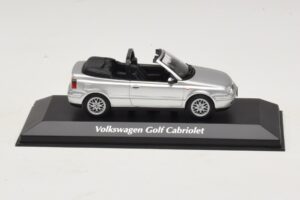
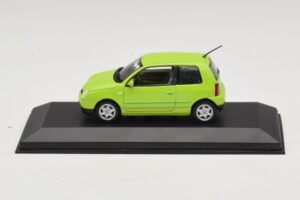
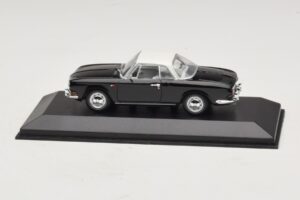
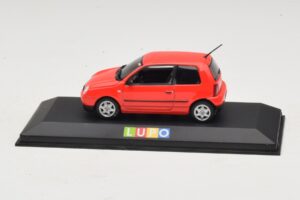
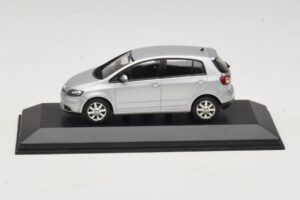
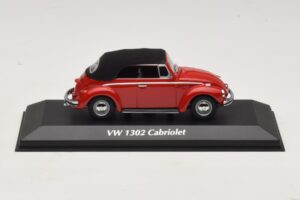
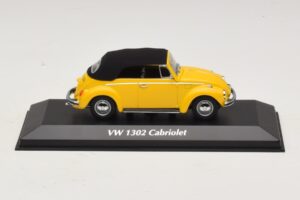
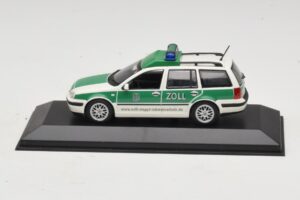
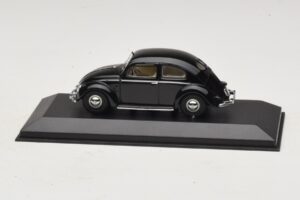
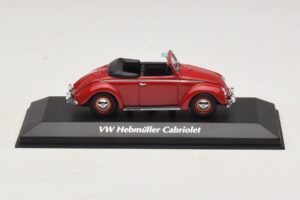
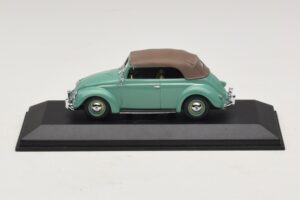
1:18 represents one eighteenth of the real car, typically around 25 to 28 centimetres in length, large enough for panel-gap and interior detail to reward close inspection while still allowing several models to share a shelf. 1:43 shrinks to a matchbox-sized footprint, ideal for documenting an entire model lineage or racing season without needing a room's worth of shelving. 1:24 sits between the two, popular for kit-built and diecast alike, while 1:12 steps up to a genuinely large presence best suited to a single statement subject.
- 1:18 - the flagship display scale, balancing detail and footprint
- 1:43 - compact, ideal for comprehensive era or season coverage
- 1:24 - a middle ground popular across diecast and resin
- 1:12 - a large-format scale reserved for hero pieces
Scale and Material Work Together
Material choice interacts with scale rather than existing separately from it. Diecast at 1:18 typically carries opening doors and bonnets, while resin at the same scale favours a sealed body with tighter panel lines. At 1:43, both materials narrow the detail gap considerably, since the scale itself limits how much surface information either can resolve.
Choosing a Primary Scale
Collectors building a themed display around a marque, era or motorsport series often settle on 1:43 for its shelf economy, reserving 1:18 for two or three subjects that carry particular personal significance. There is no wrong answer here; the right scale is the one that matches how the collection will actually be displayed and how much shelf space is realistically available.
Frequently Asked Questions
Which scale is easiest to start collecting?
1:18 is the most widely available scale across manufacturers and price tiers, making it the easiest starting point for a new collector who wants a strong choice of subjects at every budget level.
Can different scales be displayed together?
Mixing scales on one shelf tends to look inconsistent, since a 1:18 car dwarfs a 1:43 example placed beside it. Most collectors separate scales onto different shelves or cabinets to keep the proportions visually coherent.
Is a larger scale always more detailed?
Generally yes, since more physical surface area allows finer detail to be moulded or cast, but construction quality still matters more than raw size. A well-made 1:43 model can outshine a poorly finished 1:18 piece on the same subject.
What scale suits documenting a full racing season?
1:43 is the standard choice for season-long or full-lineage collecting, since its compact footprint makes owning dozens of liveries practical within normal shelf space.