
Chevrolet Corvette C8 IMSA Pace Car 2020 GT Spirit 1:18
Sold out
1
/
6
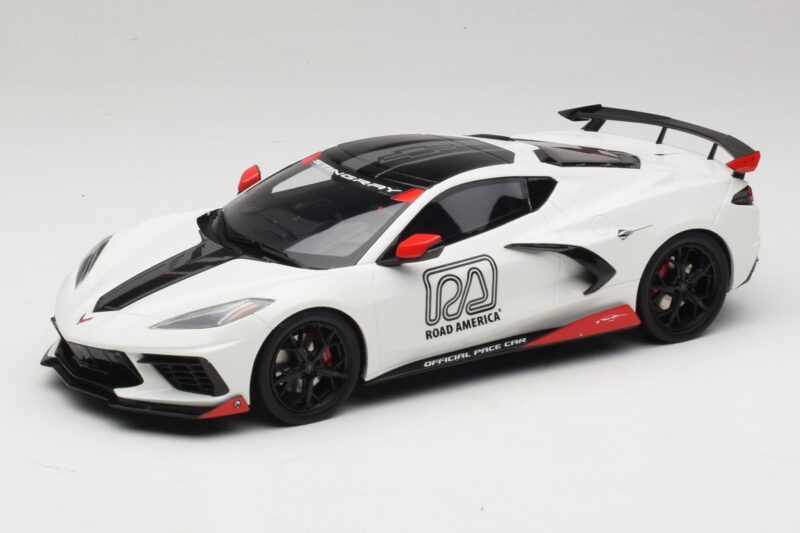
GT Spirit's 1:18 resin Chevrolet Corvette C8 reproduces the pace car built to mark the model's launch, the first Corvette generation to move its engine behind the driver rather than in front. Cast as a single sealed resin body, the model carries sharp, continuous panel lines and crisp cast-in exterior detail rather than any opening doors or bonnet. A distinctive piece for a shelf tracking American sports car engineering through its biggest structural change in decades.
1 / 6
[{"index":0,"id":"1664518","thumb":"https:\/\/models118.co.uk\/wp-content\/uploads\/2026\/09\/chevrolet-corvette-c8-imsa-pace-car-2020-gt-spirit-1-18-gt370-1-1-300x200.jpg","medium":"https:\/\/models118.co.uk\/wp-content\/uploads\/2026\/09\/chevrolet-corvette-c8-imsa-pace-car-2020-gt-spirit-1-18-gt370-1-1-800x533.jpg","full":"https:\/\/models118.co.uk\/wp-content\/uploads\/2026\/09\/chevrolet-corvette-c8-imsa-pace-car-2020-gt-spirit-1-18-gt370-1-1.jpg","srcset":"https:\/\/models118.co.uk\/wp-content\/uploads\/2026\/09\/chevrolet-corvette-c8-imsa-pace-car-2020-gt-spirit-1-18-gt370-1-1-800x533.jpg 800w, https:\/\/models118.co.uk\/wp-content\/uploads\/2026\/09\/chevrolet-corvette-c8-imsa-pace-car-2020-gt-spirit-1-18-gt370-1-1-300x200.jpg 300w, https:\/\/models118.co.uk\/wp-content\/uploads\/2026\/09\/chevrolet-corvette-c8-imsa-pace-car-2020-gt-spirit-1-18-gt370-1-1-64x43.jpg 64w, https:\/\/models118.co.uk\/wp-content\/uploads\/2026\/09\/chevrolet-corvette-c8-imsa-pace-car-2020-gt-spirit-1-18-gt370-1-1-480x320.jpg 480w, https:\/\/models118.co.uk\/wp-content\/uploads\/2026\/09\/chevrolet-corvette-c8-imsa-pace-car-2020-gt-spirit-1-18-gt370-1-1.jpg 1800w","sizes":"(max-width: 1023px) 400px, 640px","srcsetAvif":"https:\/\/models118.co.uk\/wp-content\/uploads\/2026\/09\/chevrolet-corvette-c8-imsa-pace-car-2020-gt-spirit-1-18-gt370-1-1-800x533.jpg.avif 800w, https:\/\/models118.co.uk\/wp-content\/uploads\/2026\/09\/chevrolet-corvette-c8-imsa-pace-car-2020-gt-spirit-1-18-gt370-1-1-300x200.jpg.avif 300w, https:\/\/models118.co.uk\/wp-content\/uploads\/2026\/09\/chevrolet-corvette-c8-imsa-pace-car-2020-gt-spirit-1-18-gt370-1-1-64x43.jpg.avif 64w, https:\/\/models118.co.uk\/wp-content\/uploads\/2026\/09\/chevrolet-corvette-c8-imsa-pace-car-2020-gt-spirit-1-18-gt370-1-1-480x320.jpg.avif 480w, https:\/\/models118.co.uk\/wp-content\/uploads\/2026\/09\/chevrolet-corvette-c8-imsa-pace-car-2020-gt-spirit-1-18-gt370-1-1.jpg.avif 1800w","srcsetWebp":"https:\/\/models118.co.uk\/wp-content\/uploads\/2026\/09\/chevrolet-corvette-c8-imsa-pace-car-2020-gt-spirit-1-18-gt370-1-1-800x533.jpg.webp 800w, https:\/\/models118.co.uk\/wp-content\/uploads\/2026\/09\/chevrolet-corvette-c8-imsa-pace-car-2020-gt-spirit-1-18-gt370-1-1-300x200.jpg.webp 300w, https:\/\/models118.co.uk\/wp-content\/uploads\/2026\/09\/chevrolet-corvette-c8-imsa-pace-car-2020-gt-spirit-1-18-gt370-1-1-64x43.jpg.webp 64w, https:\/\/models118.co.uk\/wp-content\/uploads\/2026\/09\/chevrolet-corvette-c8-imsa-pace-car-2020-gt-spirit-1-18-gt370-1-1-480x320.jpg.webp 480w, https:\/\/models118.co.uk\/wp-content\/uploads\/2026\/09\/chevrolet-corvette-c8-imsa-pace-car-2020-gt-spirit-1-18-gt370-1-1.jpg.webp 1800w","alt":"Chevrolet Corvette C8 IMSA Pace Car 2020 GT Spirit 1:18 GT370 Resin"},{"index":1,"id":1664525,"thumb":"https:\/\/models118.co.uk\/wp-content\/uploads\/2026\/09\/chevrolet-corvette-c8-imsa-pace-car-2020-gt-spirit-1-18-gt370-4-300x200.jpg","medium":"https:\/\/models118.co.uk\/wp-content\/uploads\/2026\/09\/chevrolet-corvette-c8-imsa-pace-car-2020-gt-spirit-1-18-gt370-4-800x533.jpg","full":"https:\/\/models118.co.uk\/wp-content\/uploads\/2026\/09\/chevrolet-corvette-c8-imsa-pace-car-2020-gt-spirit-1-18-gt370-4.jpg","srcset":"https:\/\/models118.co.uk\/wp-content\/uploads\/2026\/09\/chevrolet-corvette-c8-imsa-pace-car-2020-gt-spirit-1-18-gt370-4-800x533.jpg 800w, https:\/\/models118.co.uk\/wp-content\/uploads\/2026\/09\/chevrolet-corvette-c8-imsa-pace-car-2020-gt-spirit-1-18-gt370-4-300x200.jpg 300w, https:\/\/models118.co.uk\/wp-content\/uploads\/2026\/09\/chevrolet-corvette-c8-imsa-pace-car-2020-gt-spirit-1-18-gt370-4-64x43.jpg 64w, https:\/\/models118.co.uk\/wp-content\/uploads\/2026\/09\/chevrolet-corvette-c8-imsa-pace-car-2020-gt-spirit-1-18-gt370-4.jpg 1800w","sizes":"(max-width: 1023px) 400px, 640px","srcsetAvif":"https:\/\/models118.co.uk\/wp-content\/uploads\/2026\/09\/chevrolet-corvette-c8-imsa-pace-car-2020-gt-spirit-1-18-gt370-4-800x533.jpg.avif 800w, https:\/\/models118.co.uk\/wp-content\/uploads\/2026\/09\/chevrolet-corvette-c8-imsa-pace-car-2020-gt-spirit-1-18-gt370-4-300x200.jpg.avif 300w, https:\/\/models118.co.uk\/wp-content\/uploads\/2026\/09\/chevrolet-corvette-c8-imsa-pace-car-2020-gt-spirit-1-18-gt370-4-64x43.jpg.avif 64w, https:\/\/models118.co.uk\/wp-content\/uploads\/2026\/09\/chevrolet-corvette-c8-imsa-pace-car-2020-gt-spirit-1-18-gt370-4.jpg.avif 1800w","srcsetWebp":"https:\/\/models118.co.uk\/wp-content\/uploads\/2026\/09\/chevrolet-corvette-c8-imsa-pace-car-2020-gt-spirit-1-18-gt370-4-800x533.jpg.webp 800w, https:\/\/models118.co.uk\/wp-content\/uploads\/2026\/09\/chevrolet-corvette-c8-imsa-pace-car-2020-gt-spirit-1-18-gt370-4-300x200.jpg.webp 300w, https:\/\/models118.co.uk\/wp-content\/uploads\/2026\/09\/chevrolet-corvette-c8-imsa-pace-car-2020-gt-spirit-1-18-gt370-4-64x43.jpg.webp 64w, https:\/\/models118.co.uk\/wp-content\/uploads\/2026\/09\/chevrolet-corvette-c8-imsa-pace-car-2020-gt-spirit-1-18-gt370-4.jpg.webp 1800w","alt":"Chevrolet Corvette C8 IMSA Pace Car 2020 GT Spirit 1:18 GT370 Resin \u2014 photo 2 of 6"},{"index":2,"id":1664522,"thumb":"https:\/\/models118.co.uk\/wp-content\/uploads\/2026\/09\/chevrolet-corvette-c8-imsa-pace-car-2020-gt-spirit-1-18-gt370-2-300x200.jpg","medium":"https:\/\/models118.co.uk\/wp-content\/uploads\/2026\/09\/chevrolet-corvette-c8-imsa-pace-car-2020-gt-spirit-1-18-gt370-2-800x533.jpg","full":"https:\/\/models118.co.uk\/wp-content\/uploads\/2026\/09\/chevrolet-corvette-c8-imsa-pace-car-2020-gt-spirit-1-18-gt370-2.jpg","srcset":"https:\/\/models118.co.uk\/wp-content\/uploads\/2026\/09\/chevrolet-corvette-c8-imsa-pace-car-2020-gt-spirit-1-18-gt370-2-800x533.jpg 800w, https:\/\/models118.co.uk\/wp-content\/uploads\/2026\/09\/chevrolet-corvette-c8-imsa-pace-car-2020-gt-spirit-1-18-gt370-2-300x200.jpg 300w, https:\/\/models118.co.uk\/wp-content\/uploads\/2026\/09\/chevrolet-corvette-c8-imsa-pace-car-2020-gt-spirit-1-18-gt370-2-64x43.jpg 64w, https:\/\/models118.co.uk\/wp-content\/uploads\/2026\/09\/chevrolet-corvette-c8-imsa-pace-car-2020-gt-spirit-1-18-gt370-2.jpg 1800w","sizes":"(max-width: 1023px) 400px, 640px","srcsetAvif":"https:\/\/models118.co.uk\/wp-content\/uploads\/2026\/09\/chevrolet-corvette-c8-imsa-pace-car-2020-gt-spirit-1-18-gt370-2-800x533.jpg.avif 800w, https:\/\/models118.co.uk\/wp-content\/uploads\/2026\/09\/chevrolet-corvette-c8-imsa-pace-car-2020-gt-spirit-1-18-gt370-2-300x200.jpg.avif 300w, https:\/\/models118.co.uk\/wp-content\/uploads\/2026\/09\/chevrolet-corvette-c8-imsa-pace-car-2020-gt-spirit-1-18-gt370-2-64x43.jpg.avif 64w, https:\/\/models118.co.uk\/wp-content\/uploads\/2026\/09\/chevrolet-corvette-c8-imsa-pace-car-2020-gt-spirit-1-18-gt370-2.jpg.avif 1800w","srcsetWebp":"https:\/\/models118.co.uk\/wp-content\/uploads\/2026\/09\/chevrolet-corvette-c8-imsa-pace-car-2020-gt-spirit-1-18-gt370-2-800x533.jpg.webp 800w, https:\/\/models118.co.uk\/wp-content\/uploads\/2026\/09\/chevrolet-corvette-c8-imsa-pace-car-2020-gt-spirit-1-18-gt370-2-300x200.jpg.webp 300w, https:\/\/models118.co.uk\/wp-content\/uploads\/2026\/09\/chevrolet-corvette-c8-imsa-pace-car-2020-gt-spirit-1-18-gt370-2-64x43.jpg.webp 64w, https:\/\/models118.co.uk\/wp-content\/uploads\/2026\/09\/chevrolet-corvette-c8-imsa-pace-car-2020-gt-spirit-1-18-gt370-2.jpg.webp 1800w","alt":"Chevrolet Corvette C8 IMSA Pace Car 2020 GT Spirit 1:18 GT370 Resin \u2014 photo 3 of 6"},{"index":3,"id":1664557,"thumb":"https:\/\/models118.co.uk\/wp-content\/uploads\/2026\/09\/chevrolet-corvette-c8-imsa-pace-car-2020-gt-spirit-1-18-gt370-4-1-300x200.jpg","medium":"https:\/\/models118.co.uk\/wp-content\/uploads\/2026\/09\/chevrolet-corvette-c8-imsa-pace-car-2020-gt-spirit-1-18-gt370-4-1-800x533.jpg","full":"https:\/\/models118.co.uk\/wp-content\/uploads\/2026\/09\/chevrolet-corvette-c8-imsa-pace-car-2020-gt-spirit-1-18-gt370-4-1.jpg","srcset":"https:\/\/models118.co.uk\/wp-content\/uploads\/2026\/09\/chevrolet-corvette-c8-imsa-pace-car-2020-gt-spirit-1-18-gt370-4-1-800x533.jpg 800w, https:\/\/models118.co.uk\/wp-content\/uploads\/2026\/09\/chevrolet-corvette-c8-imsa-pace-car-2020-gt-spirit-1-18-gt370-4-1-300x200.jpg 300w, https:\/\/models118.co.uk\/wp-content\/uploads\/2026\/09\/chevrolet-corvette-c8-imsa-pace-car-2020-gt-spirit-1-18-gt370-4-1-64x43.jpg 64w, https:\/\/models118.co.uk\/wp-content\/uploads\/2026\/09\/chevrolet-corvette-c8-imsa-pace-car-2020-gt-spirit-1-18-gt370-4-1.jpg 1800w","sizes":"(max-width: 1023px) 400px, 640px","srcsetAvif":"https:\/\/models118.co.uk\/wp-content\/uploads\/2026\/09\/chevrolet-corvette-c8-imsa-pace-car-2020-gt-spirit-1-18-gt370-4-1-800x533.jpg.avif 800w, https:\/\/models118.co.uk\/wp-content\/uploads\/2026\/09\/chevrolet-corvette-c8-imsa-pace-car-2020-gt-spirit-1-18-gt370-4-1-300x200.jpg.avif 300w, https:\/\/models118.co.uk\/wp-content\/uploads\/2026\/09\/chevrolet-corvette-c8-imsa-pace-car-2020-gt-spirit-1-18-gt370-4-1-64x43.jpg.avif 64w, https:\/\/models118.co.uk\/wp-content\/uploads\/2026\/09\/chevrolet-corvette-c8-imsa-pace-car-2020-gt-spirit-1-18-gt370-4-1.jpg.avif 1800w","srcsetWebp":"https:\/\/models118.co.uk\/wp-content\/uploads\/2026\/09\/chevrolet-corvette-c8-imsa-pace-car-2020-gt-spirit-1-18-gt370-4-1-800x533.jpg.webp 800w, https:\/\/models118.co.uk\/wp-content\/uploads\/2026\/09\/chevrolet-corvette-c8-imsa-pace-car-2020-gt-spirit-1-18-gt370-4-1-300x200.jpg.webp 300w, https:\/\/models118.co.uk\/wp-content\/uploads\/2026\/09\/chevrolet-corvette-c8-imsa-pace-car-2020-gt-spirit-1-18-gt370-4-1-64x43.jpg.webp 64w, https:\/\/models118.co.uk\/wp-content\/uploads\/2026\/09\/chevrolet-corvette-c8-imsa-pace-car-2020-gt-spirit-1-18-gt370-4-1.jpg.webp 1800w","alt":"Chevrolet Corvette C8 IMSA Pace Car 2020 GT Spirit 1:18 GT370 Resin \u2014 photo 4 of 6"},{"index":4,"id":1664524,"thumb":"https:\/\/models118.co.uk\/wp-content\/uploads\/2026\/09\/chevrolet-corvette-c8-imsa-pace-car-2020-gt-spirit-1-18-gt370-3-300x200.jpg","medium":"https:\/\/models118.co.uk\/wp-content\/uploads\/2026\/09\/chevrolet-corvette-c8-imsa-pace-car-2020-gt-spirit-1-18-gt370-3-800x533.jpg","full":"https:\/\/models118.co.uk\/wp-content\/uploads\/2026\/09\/chevrolet-corvette-c8-imsa-pace-car-2020-gt-spirit-1-18-gt370-3.jpg","srcset":"https:\/\/models118.co.uk\/wp-content\/uploads\/2026\/09\/chevrolet-corvette-c8-imsa-pace-car-2020-gt-spirit-1-18-gt370-3-800x533.jpg 800w, https:\/\/models118.co.uk\/wp-content\/uploads\/2026\/09\/chevrolet-corvette-c8-imsa-pace-car-2020-gt-spirit-1-18-gt370-3-300x200.jpg 300w, https:\/\/models118.co.uk\/wp-content\/uploads\/2026\/09\/chevrolet-corvette-c8-imsa-pace-car-2020-gt-spirit-1-18-gt370-3-64x43.jpg 64w, https:\/\/models118.co.uk\/wp-content\/uploads\/2026\/09\/chevrolet-corvette-c8-imsa-pace-car-2020-gt-spirit-1-18-gt370-3.jpg 1800w","sizes":"(max-width: 1023px) 400px, 640px","srcsetAvif":"https:\/\/models118.co.uk\/wp-content\/uploads\/2026\/09\/chevrolet-corvette-c8-imsa-pace-car-2020-gt-spirit-1-18-gt370-3-800x533.jpg.avif 800w, https:\/\/models118.co.uk\/wp-content\/uploads\/2026\/09\/chevrolet-corvette-c8-imsa-pace-car-2020-gt-spirit-1-18-gt370-3-300x200.jpg.avif 300w, https:\/\/models118.co.uk\/wp-content\/uploads\/2026\/09\/chevrolet-corvette-c8-imsa-pace-car-2020-gt-spirit-1-18-gt370-3-64x43.jpg.avif 64w, https:\/\/models118.co.uk\/wp-content\/uploads\/2026\/09\/chevrolet-corvette-c8-imsa-pace-car-2020-gt-spirit-1-18-gt370-3.jpg.avif 1800w","srcsetWebp":"https:\/\/models118.co.uk\/wp-content\/uploads\/2026\/09\/chevrolet-corvette-c8-imsa-pace-car-2020-gt-spirit-1-18-gt370-3-800x533.jpg.webp 800w, https:\/\/models118.co.uk\/wp-content\/uploads\/2026\/09\/chevrolet-corvette-c8-imsa-pace-car-2020-gt-spirit-1-18-gt370-3-300x200.jpg.webp 300w, https:\/\/models118.co.uk\/wp-content\/uploads\/2026\/09\/chevrolet-corvette-c8-imsa-pace-car-2020-gt-spirit-1-18-gt370-3-64x43.jpg.webp 64w, https:\/\/models118.co.uk\/wp-content\/uploads\/2026\/09\/chevrolet-corvette-c8-imsa-pace-car-2020-gt-spirit-1-18-gt370-3.jpg.webp 1800w","alt":"Chevrolet Corvette C8 IMSA Pace Car 2020 GT Spirit 1:18 GT370 Resin \u2014 photo 5 of 6"},{"index":5,"id":1664520,"thumb":"https:\/\/models118.co.uk\/wp-content\/uploads\/2026\/09\/chevrolet-corvette-c8-imsa-pace-car-2020-gt-spirit-1-18-gt370-1-300x200.jpg","medium":"https:\/\/models118.co.uk\/wp-content\/uploads\/2026\/09\/chevrolet-corvette-c8-imsa-pace-car-2020-gt-spirit-1-18-gt370-1-800x533.jpg","full":"https:\/\/models118.co.uk\/wp-content\/uploads\/2026\/09\/chevrolet-corvette-c8-imsa-pace-car-2020-gt-spirit-1-18-gt370-1.jpg","srcset":"https:\/\/models118.co.uk\/wp-content\/uploads\/2026\/09\/chevrolet-corvette-c8-imsa-pace-car-2020-gt-spirit-1-18-gt370-1-800x533.jpg 800w, https:\/\/models118.co.uk\/wp-content\/uploads\/2026\/09\/chevrolet-corvette-c8-imsa-pace-car-2020-gt-spirit-1-18-gt370-1-300x200.jpg 300w, https:\/\/models118.co.uk\/wp-content\/uploads\/2026\/09\/chevrolet-corvette-c8-imsa-pace-car-2020-gt-spirit-1-18-gt370-1-64x43.jpg 64w, https:\/\/models118.co.uk\/wp-content\/uploads\/2026\/09\/chevrolet-corvette-c8-imsa-pace-car-2020-gt-spirit-1-18-gt370-1.jpg 1800w","sizes":"(max-width: 1023px) 400px, 640px","srcsetAvif":"https:\/\/models118.co.uk\/wp-content\/uploads\/2026\/09\/chevrolet-corvette-c8-imsa-pace-car-2020-gt-spirit-1-18-gt370-1-800x533.jpg.avif 800w, https:\/\/models118.co.uk\/wp-content\/uploads\/2026\/09\/chevrolet-corvette-c8-imsa-pace-car-2020-gt-spirit-1-18-gt370-1-300x200.jpg.avif 300w, https:\/\/models118.co.uk\/wp-content\/uploads\/2026\/09\/chevrolet-corvette-c8-imsa-pace-car-2020-gt-spirit-1-18-gt370-1-64x43.jpg.avif 64w, https:\/\/models118.co.uk\/wp-content\/uploads\/2026\/09\/chevrolet-corvette-c8-imsa-pace-car-2020-gt-spirit-1-18-gt370-1.jpg.avif 1800w","srcsetWebp":"https:\/\/models118.co.uk\/wp-content\/uploads\/2026\/09\/chevrolet-corvette-c8-imsa-pace-car-2020-gt-spirit-1-18-gt370-1-800x533.jpg.webp 800w, https:\/\/models118.co.uk\/wp-content\/uploads\/2026\/09\/chevrolet-corvette-c8-imsa-pace-car-2020-gt-spirit-1-18-gt370-1-300x200.jpg.webp 300w, https:\/\/models118.co.uk\/wp-content\/uploads\/2026\/09\/chevrolet-corvette-c8-imsa-pace-car-2020-gt-spirit-1-18-gt370-1-64x43.jpg.webp 64w, https:\/\/models118.co.uk\/wp-content\/uploads\/2026\/09\/chevrolet-corvette-c8-imsa-pace-car-2020-gt-spirit-1-18-gt370-1.jpg.webp 1800w","alt":"Chevrolet Corvette C8 IMSA Pace Car 2020 GT Spirit 1:18 GT370 Resin \u2014 photo 6 of 6"}]
Chevrolet Corvette C8 IMSA Pace Car 2020 GT Spirit 1:18
Current price:
£95.00
Out of production
This model is currently sold out. Enter your email and we'll let you know when it's back in stock. We'll also send you news about new models. You can unsubscribe at any time.
Specifications
- Car Brand
- Chevrolet
- Model Manufacturer
- GT Spirit
- Scale
- 1:18
- Material
- Resin
- Model Condition
- Used Model
- SKU
- GT370
- Year
- 2020
- Era
- 2020s
- Body Type
- Special Models
- Vehicle Class
- IMSA & North American Sportscar
- Openable Parts
- No
- Packaging Condition
- Traces of Storage
- Model Type
- Race Models
- EAN / GTIN
- 9580010308835
Genuine articles
5-layer carton
Foam-filled interior
Hassle-free returns
14-day no-quibble returns
Secure payment
Bank-level encryption
About the Chevrolet Corvette C8 IMSA Pace Car 2020 GT Spirit 1:18
TL;DR: GT Spirit's 1:18 resin Chevrolet Corvette C8 reproduces the 2020 IMSA pace car marking the Corvette's first mid-engine generation. Cast as a single sealed body with no opening panels, the model shows the sharp shut lines resin construction allows, a mid-tier piece for modern American sports car collectors.
The C8 broke with eight decades of Corvette tradition the moment Chevrolet moved the engine behind the driver rather than ahead, a change that reshaped the car's proportions from the ground up. Marking that launch with a dedicated IMSA pace car gave the new generation a visible presence at the sport most closely tied to Corvette's competition history. GT Spirit reproduces that specific pace car in resin.
The C8's Mid-Engine Break From Corvette Tradition
Eight Generations of Front-Engine Layout, Then a Reversal
Every Corvette generation from the original C1 through the C7 kept its engine ahead of the driver, a layout that defined the model's proportions and, for many owners, its identity as an American sports car for generations. The C8 abandoned that entirely, moving to a mid-engine layout more associated with European exotics than anything wearing a Chevrolet badge, a decision Chevrolet had reportedly considered for decades before finally committing to it. That single change reshaped everything about the car's silhouette: a shorter front overhang, a longer tail housing the engine, and a cabin pushed forward over the front axle in a way no earlier Corvette ever offered.
An IMSA Pace Car for a Generational Launch
Introducing such a fundamental change to a nameplate this established called for more than a standard press launch, and pacing an IMSA race put the new C8 in front of exactly the endurance-racing audience most likely to appreciate what had changed underneath the bodywork. IMSA's sports car series has long been tied to Corvette's competition programme, making it a fitting stage for the mid-engine car's public debut rather than an arbitrary choice of series. GT Spirit's reproduction captures that specific pace car livery, a marketing and motorsport crossover piece rather than a straightforward road car or race entry.
GT Spirit's Sealed Resin Body and Livery Detail
One-Piece Resin Construction on a New Shape
This casting has no opening doors, hood or boot, a single sealed resin shell that puts the entire account of the model on its exterior surface rather than behind any hinged panel. Resin takes tighter tolerances than a die, which matters on a genuinely new shape like the C8's, where getting the proportions right the first time carries more weight than on a familiar, long-established silhouette. The lighter weight of a resin body compared to zinc alloy diecast is noticeable the moment it clears its packaging, and it suits a manufacturer working in smaller production runs on newly launched subjects rather than long-established, high-volume ones.
Cast-In Detail and Livery Registration
A pace car livery covers far more surface area than a typical racing scheme, often running unbroken across the roof, doors and rear deck rather than sitting in isolated panels, and getting that registration right on a resin body with genuinely new proportions takes careful pattern work. GT Spirit applies the graphics with attention to how they wrap around the C8's more aggressive character lines than any earlier Corvette carried, avoiding the stretched or misaligned look a rushed print job produces on complex bodywork. The sealed body's continuous surface actually helps here, since there is no door gap to interrupt a design meant to read as one uninterrupted graphic.
Resin Weight and the C8's Footprint at 1:18
At 1:18 the C8's shorter front overhang and longer tail produce a model somewhat different in proportion from earlier Corvette castings, likely landing around 21 or 22 centimetres depending on exact scaling, and it sits comfortably alongside other modern mid-engine sports cars rather than needing the longer cabinet run a traditional long-hood Corvette demanded. Resin construction gives the model a lighter feel in the hand than diecast, but that lightness comes with genuinely sharper edge definition, since cast resin can hold the C8's more angular character lines with less rounding than a die-cast process typically produces. Set beside a C7 or earlier generation for comparison, the C8's proportions look almost like a different manufacturer's work, which is exactly the point GT Spirit's reproduction makes clear at a glance. GT Spirit operates in the resin segment between mass-market diecast and the hand-assembled ultra-limited builds reserved for the rarest historic subjects, a tier suited to newly launched or lower-volume subjects like a specific pace car livery that a larger diecast manufacturer might not prioritise.
Marking a Generational Shift on the Shelf
A C8 pace car earns a specific place on a shelf tracking Corvette's history precisely because it marks the moment the model's identity changed more than at any point since the original C1 arrived. Set beside a C7 or a classic mid-century Corvette, the mid-engine proportions make the generational break immediately visible without needing any text or context to explain it. The sealed resin body photographs cleanly under a single spotlight, since there is no door gap or bonnet seam to catch a shadow at the wrong angle. This is not a piece for a buyer wanting engine-bay access or opening panels, and that trade-off is worth stating plainly, but for anyone documenting Corvette's evolution generation by generation, a pace car from the C8's launch year is a genuinely significant marker rather than a novelty livery.
Same marque, same scale
Last one
Used
Back in stock

Last one
Used
Used

Used
Last one
Used

Last one
Used
Collectors also bought
Browse all 1:18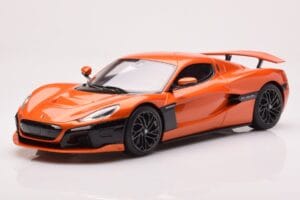
Rimac Nevera Orange GT Spirit 1:18
Price:
£91.00


Last one
Used

Lamborghini Murcielago R-GT #53 Reiter Engineering 24 Hours of Le Mans 2007 GT Spirit 1:18
Only 1 left
Price:
£158.00

Aston Martin Valkyrie Racing Blue GT Spirit 1:18
Price:
£88.00
Recently viewed
{"id":1662692,"name":"Chevrolet Corvette C8 IMSA Pace Car 2020 GT Spirit 1:18","price":"£<\/span>95.00<\/bdi><\/span>","image":"https:\/\/models118.co.uk\/wp-content\/uploads\/2026\/09\/chevrolet-corvette-c8-imsa-pace-car-2020-gt-spirit-1-18-gt370-1-1-400x400.jpg","permalink":"https:\/\/models118.co.uk\/chevrolet-corvette-c8-imsa-pace-car-2020-gt-spirit-1-18-gt370\/","brand":"Chevrolet"}