


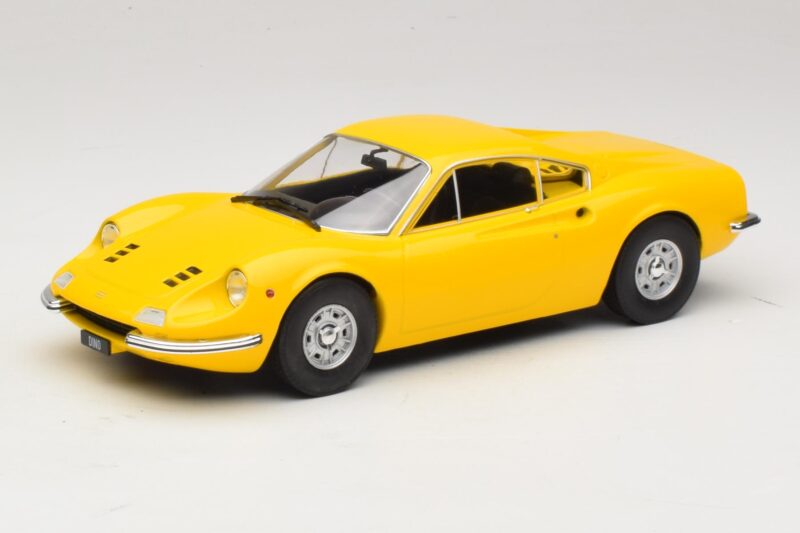
Ferrari Dino 246 GT Yellow MCG 1:18
1
/
6
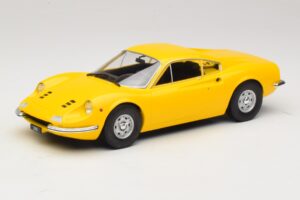
MCG's 1:18 diecast Ferrari Dino 246 GT reproduces the 1969 Pininfarina coupe in yellow, cast as a sealed zinc alloy body with no opening doors, bonnet or boot. The Dino was sold without a Ferrari badge, powered by a transverse V6 rather than a V12, and this mid-tier diecast captures that shape's surfacing with tight, consistent shut lines and deep paint that holds up under cabinet lighting. A distinctive colour choice for collectors tracing Ferrari's badge-less experiment or building a Dino colour set alongside the red variant.
1 / 6
[{"index":0,"id":"1656294","thumb":"https:\/\/models118.co.uk\/wp-content\/uploads\/2026\/08\/ferrari-dino-246-gt-yellow-mcg-1-18-mcg18168-1-1-300x200.jpg","medium":"https:\/\/models118.co.uk\/wp-content\/uploads\/2026\/08\/ferrari-dino-246-gt-yellow-mcg-1-18-mcg18168-1-1-800x533.jpg","full":"https:\/\/models118.co.uk\/wp-content\/uploads\/2026\/08\/ferrari-dino-246-gt-yellow-mcg-1-18-mcg18168-1-1.jpg","srcset":"https:\/\/models118.co.uk\/wp-content\/uploads\/2026\/08\/ferrari-dino-246-gt-yellow-mcg-1-18-mcg18168-1-1-800x533.jpg 800w, https:\/\/models118.co.uk\/wp-content\/uploads\/2026\/08\/ferrari-dino-246-gt-yellow-mcg-1-18-mcg18168-1-1-300x200.jpg 300w, https:\/\/models118.co.uk\/wp-content\/uploads\/2026\/08\/ferrari-dino-246-gt-yellow-mcg-1-18-mcg18168-1-1-64x43.jpg 64w, https:\/\/models118.co.uk\/wp-content\/uploads\/2026\/08\/ferrari-dino-246-gt-yellow-mcg-1-18-mcg18168-1-1.jpg 1800w","sizes":"(max-width: 1023px) 400px, 640px","srcsetAvif":"https:\/\/models118.co.uk\/wp-content\/uploads\/2026\/08\/ferrari-dino-246-gt-yellow-mcg-1-18-mcg18168-1-1-800x533.jpg.avif 800w, https:\/\/models118.co.uk\/wp-content\/uploads\/2026\/08\/ferrari-dino-246-gt-yellow-mcg-1-18-mcg18168-1-1-300x200.jpg.avif 300w, https:\/\/models118.co.uk\/wp-content\/uploads\/2026\/08\/ferrari-dino-246-gt-yellow-mcg-1-18-mcg18168-1-1-64x43.jpg.avif 64w, https:\/\/models118.co.uk\/wp-content\/uploads\/2026\/08\/ferrari-dino-246-gt-yellow-mcg-1-18-mcg18168-1-1.jpg.avif 1800w","srcsetWebp":"https:\/\/models118.co.uk\/wp-content\/uploads\/2026\/08\/ferrari-dino-246-gt-yellow-mcg-1-18-mcg18168-1-1-800x533.jpg.webp 800w, https:\/\/models118.co.uk\/wp-content\/uploads\/2026\/08\/ferrari-dino-246-gt-yellow-mcg-1-18-mcg18168-1-1-300x200.jpg.webp 300w, https:\/\/models118.co.uk\/wp-content\/uploads\/2026\/08\/ferrari-dino-246-gt-yellow-mcg-1-18-mcg18168-1-1-64x43.jpg.webp 64w, https:\/\/models118.co.uk\/wp-content\/uploads\/2026\/08\/ferrari-dino-246-gt-yellow-mcg-1-18-mcg18168-1-1.jpg.webp 1800w","alt":"Ferrari Dino 246 GT Yellow MCG 1:18 MCG18168 Diecast"},{"index":1,"id":1656297,"thumb":"https:\/\/models118.co.uk\/wp-content\/uploads\/2026\/08\/ferrari-dino-246-gt-yellow-mcg-1-18-mcg18168-1-300x200.jpg","medium":"https:\/\/models118.co.uk\/wp-content\/uploads\/2026\/08\/ferrari-dino-246-gt-yellow-mcg-1-18-mcg18168-1-800x533.jpg","full":"https:\/\/models118.co.uk\/wp-content\/uploads\/2026\/08\/ferrari-dino-246-gt-yellow-mcg-1-18-mcg18168-1.jpg","srcset":"https:\/\/models118.co.uk\/wp-content\/uploads\/2026\/08\/ferrari-dino-246-gt-yellow-mcg-1-18-mcg18168-1-800x533.jpg 800w, https:\/\/models118.co.uk\/wp-content\/uploads\/2026\/08\/ferrari-dino-246-gt-yellow-mcg-1-18-mcg18168-1-300x200.jpg 300w, https:\/\/models118.co.uk\/wp-content\/uploads\/2026\/08\/ferrari-dino-246-gt-yellow-mcg-1-18-mcg18168-1-64x43.jpg 64w, https:\/\/models118.co.uk\/wp-content\/uploads\/2026\/08\/ferrari-dino-246-gt-yellow-mcg-1-18-mcg18168-1.jpg 1800w","sizes":"(max-width: 1023px) 400px, 640px","srcsetAvif":"https:\/\/models118.co.uk\/wp-content\/uploads\/2026\/08\/ferrari-dino-246-gt-yellow-mcg-1-18-mcg18168-1-800x533.jpg.avif 800w, https:\/\/models118.co.uk\/wp-content\/uploads\/2026\/08\/ferrari-dino-246-gt-yellow-mcg-1-18-mcg18168-1-300x200.jpg.avif 300w, https:\/\/models118.co.uk\/wp-content\/uploads\/2026\/08\/ferrari-dino-246-gt-yellow-mcg-1-18-mcg18168-1-64x43.jpg.avif 64w, https:\/\/models118.co.uk\/wp-content\/uploads\/2026\/08\/ferrari-dino-246-gt-yellow-mcg-1-18-mcg18168-1.jpg.avif 1800w","srcsetWebp":"https:\/\/models118.co.uk\/wp-content\/uploads\/2026\/08\/ferrari-dino-246-gt-yellow-mcg-1-18-mcg18168-1-800x533.jpg.webp 800w, https:\/\/models118.co.uk\/wp-content\/uploads\/2026\/08\/ferrari-dino-246-gt-yellow-mcg-1-18-mcg18168-1-300x200.jpg.webp 300w, https:\/\/models118.co.uk\/wp-content\/uploads\/2026\/08\/ferrari-dino-246-gt-yellow-mcg-1-18-mcg18168-1-64x43.jpg.webp 64w, https:\/\/models118.co.uk\/wp-content\/uploads\/2026\/08\/ferrari-dino-246-gt-yellow-mcg-1-18-mcg18168-1.jpg.webp 1800w","alt":"Ferrari Dino 246 GT Yellow MCG 1:18 MCG18168 Diecast \u2014 photo 2 of 6"},{"index":2,"id":1656298,"thumb":"https:\/\/models118.co.uk\/wp-content\/uploads\/2026\/08\/ferrari-dino-246-gt-yellow-mcg-1-18-mcg18168-2-300x200.jpg","medium":"https:\/\/models118.co.uk\/wp-content\/uploads\/2026\/08\/ferrari-dino-246-gt-yellow-mcg-1-18-mcg18168-2-800x533.jpg","full":"https:\/\/models118.co.uk\/wp-content\/uploads\/2026\/08\/ferrari-dino-246-gt-yellow-mcg-1-18-mcg18168-2.jpg","srcset":"https:\/\/models118.co.uk\/wp-content\/uploads\/2026\/08\/ferrari-dino-246-gt-yellow-mcg-1-18-mcg18168-2-800x533.jpg 800w, https:\/\/models118.co.uk\/wp-content\/uploads\/2026\/08\/ferrari-dino-246-gt-yellow-mcg-1-18-mcg18168-2-300x200.jpg 300w, https:\/\/models118.co.uk\/wp-content\/uploads\/2026\/08\/ferrari-dino-246-gt-yellow-mcg-1-18-mcg18168-2-64x43.jpg 64w, https:\/\/models118.co.uk\/wp-content\/uploads\/2026\/08\/ferrari-dino-246-gt-yellow-mcg-1-18-mcg18168-2.jpg 1800w","sizes":"(max-width: 1023px) 400px, 640px","srcsetAvif":"https:\/\/models118.co.uk\/wp-content\/uploads\/2026\/08\/ferrari-dino-246-gt-yellow-mcg-1-18-mcg18168-2-800x533.jpg.avif 800w, https:\/\/models118.co.uk\/wp-content\/uploads\/2026\/08\/ferrari-dino-246-gt-yellow-mcg-1-18-mcg18168-2-300x200.jpg.avif 300w, https:\/\/models118.co.uk\/wp-content\/uploads\/2026\/08\/ferrari-dino-246-gt-yellow-mcg-1-18-mcg18168-2-64x43.jpg.avif 64w, https:\/\/models118.co.uk\/wp-content\/uploads\/2026\/08\/ferrari-dino-246-gt-yellow-mcg-1-18-mcg18168-2.jpg.avif 1800w","srcsetWebp":"https:\/\/models118.co.uk\/wp-content\/uploads\/2026\/08\/ferrari-dino-246-gt-yellow-mcg-1-18-mcg18168-2-800x533.jpg.webp 800w, https:\/\/models118.co.uk\/wp-content\/uploads\/2026\/08\/ferrari-dino-246-gt-yellow-mcg-1-18-mcg18168-2-300x200.jpg.webp 300w, https:\/\/models118.co.uk\/wp-content\/uploads\/2026\/08\/ferrari-dino-246-gt-yellow-mcg-1-18-mcg18168-2-64x43.jpg.webp 64w, https:\/\/models118.co.uk\/wp-content\/uploads\/2026\/08\/ferrari-dino-246-gt-yellow-mcg-1-18-mcg18168-2.jpg.webp 1800w","alt":"Ferrari Dino 246 GT Yellow MCG 1:18 MCG18168 Diecast \u2014 photo 3 of 6"},{"index":3,"id":1656300,"thumb":"https:\/\/models118.co.uk\/wp-content\/uploads\/2026\/08\/ferrari-dino-246-gt-yellow-mcg-1-18-mcg18168-3-300x200.jpg","medium":"https:\/\/models118.co.uk\/wp-content\/uploads\/2026\/08\/ferrari-dino-246-gt-yellow-mcg-1-18-mcg18168-3-800x533.jpg","full":"https:\/\/models118.co.uk\/wp-content\/uploads\/2026\/08\/ferrari-dino-246-gt-yellow-mcg-1-18-mcg18168-3.jpg","srcset":"https:\/\/models118.co.uk\/wp-content\/uploads\/2026\/08\/ferrari-dino-246-gt-yellow-mcg-1-18-mcg18168-3-800x533.jpg 800w, https:\/\/models118.co.uk\/wp-content\/uploads\/2026\/08\/ferrari-dino-246-gt-yellow-mcg-1-18-mcg18168-3-300x200.jpg 300w, https:\/\/models118.co.uk\/wp-content\/uploads\/2026\/08\/ferrari-dino-246-gt-yellow-mcg-1-18-mcg18168-3-64x43.jpg 64w, https:\/\/models118.co.uk\/wp-content\/uploads\/2026\/08\/ferrari-dino-246-gt-yellow-mcg-1-18-mcg18168-3.jpg 1800w","sizes":"(max-width: 1023px) 400px, 640px","srcsetAvif":"https:\/\/models118.co.uk\/wp-content\/uploads\/2026\/08\/ferrari-dino-246-gt-yellow-mcg-1-18-mcg18168-3-800x533.jpg.avif 800w, https:\/\/models118.co.uk\/wp-content\/uploads\/2026\/08\/ferrari-dino-246-gt-yellow-mcg-1-18-mcg18168-3-300x200.jpg.avif 300w, https:\/\/models118.co.uk\/wp-content\/uploads\/2026\/08\/ferrari-dino-246-gt-yellow-mcg-1-18-mcg18168-3-64x43.jpg.avif 64w, https:\/\/models118.co.uk\/wp-content\/uploads\/2026\/08\/ferrari-dino-246-gt-yellow-mcg-1-18-mcg18168-3.jpg.avif 1800w","srcsetWebp":"https:\/\/models118.co.uk\/wp-content\/uploads\/2026\/08\/ferrari-dino-246-gt-yellow-mcg-1-18-mcg18168-3-800x533.jpg.webp 800w, https:\/\/models118.co.uk\/wp-content\/uploads\/2026\/08\/ferrari-dino-246-gt-yellow-mcg-1-18-mcg18168-3-300x200.jpg.webp 300w, https:\/\/models118.co.uk\/wp-content\/uploads\/2026\/08\/ferrari-dino-246-gt-yellow-mcg-1-18-mcg18168-3-64x43.jpg.webp 64w, https:\/\/models118.co.uk\/wp-content\/uploads\/2026\/08\/ferrari-dino-246-gt-yellow-mcg-1-18-mcg18168-3.jpg.webp 1800w","alt":"Ferrari Dino 246 GT Yellow MCG 1:18 MCG18168 Diecast \u2014 photo 4 of 6"},{"index":4,"id":1656302,"thumb":"https:\/\/models118.co.uk\/wp-content\/uploads\/2026\/08\/ferrari-dino-246-gt-yellow-mcg-1-18-mcg18168-4-300x200.jpg","medium":"https:\/\/models118.co.uk\/wp-content\/uploads\/2026\/08\/ferrari-dino-246-gt-yellow-mcg-1-18-mcg18168-4-800x533.jpg","full":"https:\/\/models118.co.uk\/wp-content\/uploads\/2026\/08\/ferrari-dino-246-gt-yellow-mcg-1-18-mcg18168-4.jpg","srcset":"https:\/\/models118.co.uk\/wp-content\/uploads\/2026\/08\/ferrari-dino-246-gt-yellow-mcg-1-18-mcg18168-4-800x533.jpg 800w, https:\/\/models118.co.uk\/wp-content\/uploads\/2026\/08\/ferrari-dino-246-gt-yellow-mcg-1-18-mcg18168-4-300x200.jpg 300w, https:\/\/models118.co.uk\/wp-content\/uploads\/2026\/08\/ferrari-dino-246-gt-yellow-mcg-1-18-mcg18168-4-64x43.jpg 64w, https:\/\/models118.co.uk\/wp-content\/uploads\/2026\/08\/ferrari-dino-246-gt-yellow-mcg-1-18-mcg18168-4.jpg 1800w","sizes":"(max-width: 1023px) 400px, 640px","srcsetAvif":"https:\/\/models118.co.uk\/wp-content\/uploads\/2026\/08\/ferrari-dino-246-gt-yellow-mcg-1-18-mcg18168-4-800x533.jpg.avif 800w, https:\/\/models118.co.uk\/wp-content\/uploads\/2026\/08\/ferrari-dino-246-gt-yellow-mcg-1-18-mcg18168-4-300x200.jpg.avif 300w, https:\/\/models118.co.uk\/wp-content\/uploads\/2026\/08\/ferrari-dino-246-gt-yellow-mcg-1-18-mcg18168-4-64x43.jpg.avif 64w, https:\/\/models118.co.uk\/wp-content\/uploads\/2026\/08\/ferrari-dino-246-gt-yellow-mcg-1-18-mcg18168-4.jpg.avif 1800w","srcsetWebp":"https:\/\/models118.co.uk\/wp-content\/uploads\/2026\/08\/ferrari-dino-246-gt-yellow-mcg-1-18-mcg18168-4-800x533.jpg.webp 800w, https:\/\/models118.co.uk\/wp-content\/uploads\/2026\/08\/ferrari-dino-246-gt-yellow-mcg-1-18-mcg18168-4-300x200.jpg.webp 300w, https:\/\/models118.co.uk\/wp-content\/uploads\/2026\/08\/ferrari-dino-246-gt-yellow-mcg-1-18-mcg18168-4-64x43.jpg.webp 64w, https:\/\/models118.co.uk\/wp-content\/uploads\/2026\/08\/ferrari-dino-246-gt-yellow-mcg-1-18-mcg18168-4.jpg.webp 1800w","alt":"Ferrari Dino 246 GT Yellow MCG 1:18 MCG18168 Diecast \u2014 photo 5 of 6"},{"index":5,"id":1656305,"thumb":"https:\/\/models118.co.uk\/wp-content\/uploads\/2026\/08\/ferrari-dino-246-gt-yellow-mcg-1-18-mcg18168-5-300x200.jpg","medium":"https:\/\/models118.co.uk\/wp-content\/uploads\/2026\/08\/ferrari-dino-246-gt-yellow-mcg-1-18-mcg18168-5-800x533.jpg","full":"https:\/\/models118.co.uk\/wp-content\/uploads\/2026\/08\/ferrari-dino-246-gt-yellow-mcg-1-18-mcg18168-5.jpg","srcset":"https:\/\/models118.co.uk\/wp-content\/uploads\/2026\/08\/ferrari-dino-246-gt-yellow-mcg-1-18-mcg18168-5-800x533.jpg 800w, https:\/\/models118.co.uk\/wp-content\/uploads\/2026\/08\/ferrari-dino-246-gt-yellow-mcg-1-18-mcg18168-5-300x200.jpg 300w, https:\/\/models118.co.uk\/wp-content\/uploads\/2026\/08\/ferrari-dino-246-gt-yellow-mcg-1-18-mcg18168-5-64x43.jpg 64w, https:\/\/models118.co.uk\/wp-content\/uploads\/2026\/08\/ferrari-dino-246-gt-yellow-mcg-1-18-mcg18168-5.jpg 1800w","sizes":"(max-width: 1023px) 400px, 640px","srcsetAvif":"https:\/\/models118.co.uk\/wp-content\/uploads\/2026\/08\/ferrari-dino-246-gt-yellow-mcg-1-18-mcg18168-5-800x533.jpg.avif 800w, https:\/\/models118.co.uk\/wp-content\/uploads\/2026\/08\/ferrari-dino-246-gt-yellow-mcg-1-18-mcg18168-5-300x200.jpg.avif 300w, https:\/\/models118.co.uk\/wp-content\/uploads\/2026\/08\/ferrari-dino-246-gt-yellow-mcg-1-18-mcg18168-5-64x43.jpg.avif 64w, https:\/\/models118.co.uk\/wp-content\/uploads\/2026\/08\/ferrari-dino-246-gt-yellow-mcg-1-18-mcg18168-5.jpg.avif 1800w","srcsetWebp":"https:\/\/models118.co.uk\/wp-content\/uploads\/2026\/08\/ferrari-dino-246-gt-yellow-mcg-1-18-mcg18168-5-800x533.jpg.webp 800w, https:\/\/models118.co.uk\/wp-content\/uploads\/2026\/08\/ferrari-dino-246-gt-yellow-mcg-1-18-mcg18168-5-300x200.jpg.webp 300w, https:\/\/models118.co.uk\/wp-content\/uploads\/2026\/08\/ferrari-dino-246-gt-yellow-mcg-1-18-mcg18168-5-64x43.jpg.webp 64w, https:\/\/models118.co.uk\/wp-content\/uploads\/2026\/08\/ferrari-dino-246-gt-yellow-mcg-1-18-mcg18168-5.jpg.webp 1800w","alt":"Ferrari Dino 246 GT Yellow MCG 1:18 MCG18168 Diecast \u2014 photo 6 of 6"}]
Ferrari Dino 246 GT Yellow MCG 1:18
Current price:
£54.00
Only 3 units left
Estimated delivery: 29.09-01.10.2026
Delivery from £11.00
Tracked & insured
10% off your first order — create a free account
Genuine articles
Sourced from manufacturers
5-layer carton
Foam-filled interior
Hassle-free returns
14-day no-quibble returns
Secure payment
Bank-level encryption
About the Ferrari Dino 246 GT Yellow MCG 1:18
TL;DR: MCG's 1:18 diecast Ferrari Dino 246 GT reproduces the 1969 Pininfarina-styled coupe in yellow, cast as a sealed zinc alloy body with no opening panels. Built without the prancing horse badge the real car once omitted, it suits collectors chasing Dino's V6 lineage at a mid-tier price with sharp shut lines and deep paint.
Ferrari sold the 246 GT without its own badge, a marketing choice that kept the small V6 coupe separate from the flagship V12 cars on price. Enzo Ferrari named it after his late son, Dino. MCG's yellow example revisits that story in miniature, its zinc alloy body sealed shut and finished with the paint depth collectors expect at this level.
The Dino 246 GT Ferrari Never Called a Ferrari
No Prancing Horse Badge
Enzo Ferrari's Dino experiment ran from 1968 to 1974, and the badge tells the whole story. Rather than fit the cavallino rampante to a car built around a transverse V6 rather than a V12, Ferrari sold the 246 GT under the Dino marque alone, named for his son Alfredo, known to everyone as Dino, who had pushed for a smaller V6 programme before his early death. The absence of the badge kept the car's price beneath Ferrari's V12 range, a positioning decision rather than an engineering shortfall. Modern collectors now prize the Dino precisely because it stood apart from the badge it never wore.
Pininfarina's V6 Coupe
Pininfarina, working under Leonardo Fioravanti, shaped the 246 GT's coupe body around a mid-mounted, transverse V6 borrowed from Ferrari's Formula 2 programme, a packaging decision that let the cabin sit further forward than any front-engined Ferrari of the period. The proportions that resulted, a low nose, a fastback tail and shoulders that taper toward the glass, became the template Ferrari would return to for decades of mid-engined V8 and V12 cars. MCG's casting follows that shape closely, right down to the taper of the rear pillar, and it is the surfacing rather than any badge that identifies the car as a Ferrari at a glance.
MCG's Zinc Alloy Casting of the Dino 246 GT
MCG builds this Dino as a zinc alloy diecast, and the weight in the hand is the first thing that gives the material away. A body of this size in metal carries real heft, the kind that settles into a display base rather than perching on it, and that density is part of why diecast holds its value on a shelf across decades of handling. The body is sealed, with no doors, bonnet or boot that open, and that construction choice removes the hinge tolerances an opening body has to accommodate. The payoff shows along the door line and the sill, where the shut lines run as continuous grooves rather than gaps that widen with age. Resin alternatives can cut sharper single-piece detail on compound curves, but they trade away the mass and the durability a metal body provides across years of handling. MCG's positioning sits in the middle of the market, above entry-level toy-grade diecast and below the hand-built, multi-part metal builds that command investment-tier prices. For a Dino at this price point, a sealed body with tight, consistent panel gaps is a reasonable trade against an opening body with slightly wider tolerances, and it is a trade collectors should weigh with eyes open rather than treat as a shortcoming.
Why Yellow Suits the Dino's Pininfarina Lines
Yellow Against Pininfarina's Surfacing
Yellow was never the default colour for a 1969 Dino, and that is exactly why it works so well on this shape. Under raking light, a bright yellow reveals every change of surface across the wing line and the sail panel behind the door, tracing the transition that a darker paint would flatten into shadow. Pininfarina's fastback tail, in particular, gains a crisp highlight along its crease that Rosso-toned cars tend to lose. MCG's clear coat sits deep enough over the metal body to carry that highlight cleanly from a normal viewing distance, without the slightly chalky look cheaper diecast paint can show under direct light.
How the Colour Reads in a Cabinet
Placed on a shelf between two red Ferraris, a yellow Dino reads as the outlier that draws the eye first, which matters if the model is meant to anchor a themed display rather than blend into a row of similar liveries. The colour also photographs well under typical cabinet lighting, where warm halogen bulbs can wash out darker reds but tend to intensify a bright yellow instead. For collectors building a run of Dino colour variants side by side, this yellow example is the one that carries the shape's changes of surface most legibly, which is worth factoring in before settling on a single colour for a solitary piece.
Where This Yellow Dino Earns Its Shelf Space
At roughly 21 centimetres nose to tail, the 1:18 Dino sits comfortably in a standard cabinet row alongside other late-1960s coupes, its width narrow enough to leave breathing room either side. MCG also casts this coupe in red, and the two make a natural pair for anyone tracing how a single Pininfarina shape reads in different finishes, one built to disappear into a row of Ferraris, the other built to stand apart from it. Buyers weighing this against pricier hand-built alternatives should recognise what a sealed zinc alloy body actually buys: consistent shut lines and real weight at a price well short of investment-tier resin. It will not satisfy anyone determined to open a bonnet and inspect a transverse V6, but for a collector assembling a Dino chronology, or simply hunting a Ferrari that never wore the badge, this yellow example is a straightforward, well-judged place to start.
Same marque, same scale
Last one
Used
Last one
Used
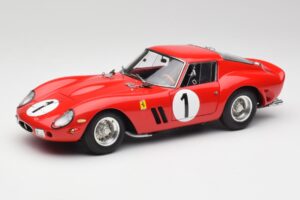
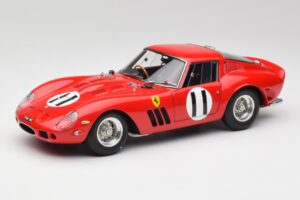
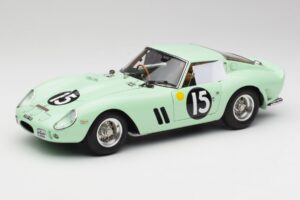
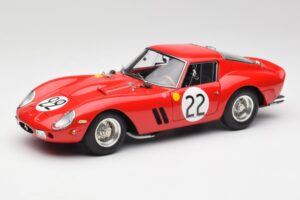
Ferrari 250 GTO #22 Beurlys / Elde / Mason 24 Hours of Le Mans 1962 CMC 1:18
Only 3 left
Price:
£448.33
Collectors also bought
Browse all 1:18
Last one
Last one
Last one
Last one
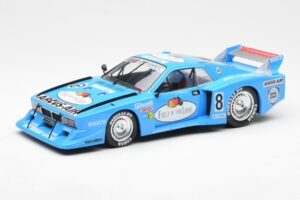
Lancia Beta Montecarlo Gr.5 #8 S. Muller Jr. DRM Nurburgring 1981 MCG 1:18
Only 2 left
Price:
£57.00
Recently viewed
{"id":1656244,"name":"Ferrari Dino 246 GT Yellow MCG 1:18","price":"£<\/span>54.00<\/bdi><\/span>","image":"https:\/\/models118.co.uk\/wp-content\/uploads\/2026\/08\/ferrari-dino-246-gt-yellow-mcg-1-18-mcg18168-1-1-400x400.jpg","permalink":"https:\/\/models118.co.uk\/ferrari-dino-246-gt-yellow-mcg-1-18-mcg18168\/","brand":"Ferrari"}