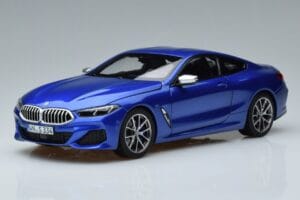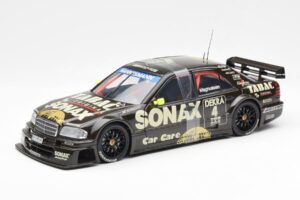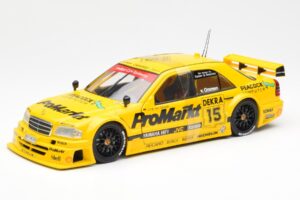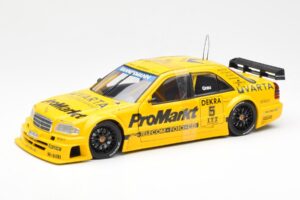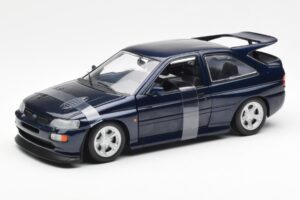
BMW X6M F86 Red Norev 1:18
Price:
94.00 €
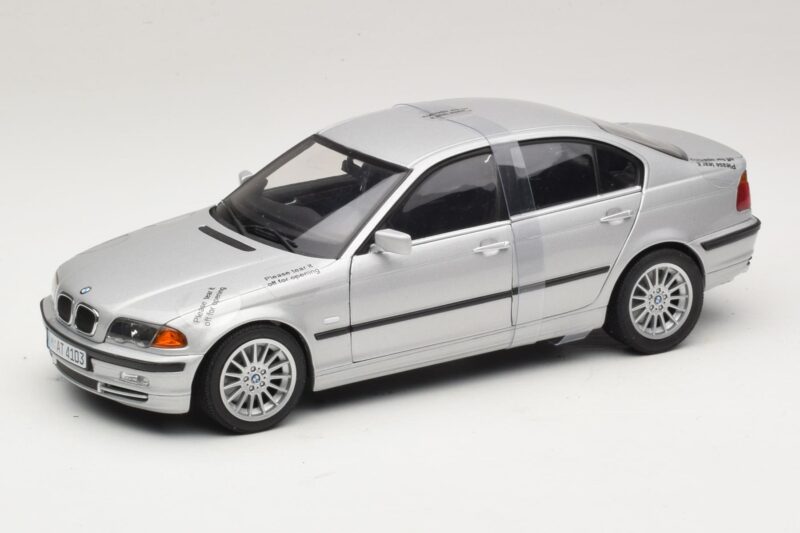
TL;DR: UT Models' 1:18 diecast reproduces the BMW E46 3 Series in silver, powered in real life by BMW's inline six-cylinder engine family. The zinc alloy saloon carries opening panels, and represents the manufacturer's less-common venture into standard road cars rather than the touring car liveries it built its name on.
The E46 arrived in 1998 as the third full redesign of BMW's 3 Series, and many enthusiasts still point to it as the last generation before electronic assistance began softening the steering feel. This silver six-cylinder saloon represents BMW's mainstream success rather than a motorsport special, the everyday car that funded the M division's more exotic projects.
The E46 replaced the E36 in 1998 and quickly earned a reputation for balanced handling that later generations, with their heavier bodies and more intrusive electronics, struggled to match. BMW sold the E46 across saloon, coupe, convertible, touring and compact bodystyles, but the four-door saloon remained the backbone of the range and the version most road-going buyers actually chose. Silver was one of the most common colours ordered new, a reflection of how conservative the average 3 Series buyer tended to be even as BMW built increasingly aggressive M variants alongside it.
BMW's naturally aspirated straight-six, in various displacements through this generation, earned a reputation for smoothness that four-cylinder rivals from the same era rarely matched. That inline-six layout, inherently better balanced than a V6 of similar output, is part of why BMW kept building the configuration long after most competitors had switched to V-engines for packaging reasons. A six-cylinder E46 sat a clear step above the four-cylinder versions in both price and reputation when new, and that distinction still shapes how collectors value surviving examples today. UT Models' choice to reproduce the six-cylinder saloon, rather than a four-cylinder base model, reflects which version actually built the E46's reputation.
Road cars presented a different challenge for UT Models than the touring car liveries examined elsewhere in its catalogue. Without sponsor decals or wing mirrors bristling with aerials, a road-going 3 Series lives or dies on proportion and finish alone. The zinc alloy body gives the saloon real heft in the hand, and the body opens on a hinge solid enough to withstand years of handling, one panel settling exactly where it's left rather than swinging loose. That mass also settles the model firmly on a shelf, without the lightness that lets a cheaper diecast rock on an uneven display base.
Silver is an unforgiving colour to cast well, since it shows every inconsistency in panel gaps and surface finish that a darker shade would hide. UT Models keeps the saloon's proportions honest: the E46's relatively long bonnet and short front overhang, a hallmark of BMW's rear-drive packaging, reads correctly at 1:18 rather than being compressed to fit a generic sedan mould. Under directed light, the metallic flake in the silver paint catches unevenly across the roof and bonnet in a way that flat colours never reveal, a small but genuine test of paint quality a buyer can check within seconds of lifting the model from its box.
Compare this E46 with the sort of homologation specials and race liveries that dominate 1990s diecast catalogues and its appeal becomes clearer, not weaker. Most manufacturers chasing collector attention in this period reached for the loudest subject available, whether a rally car or a touring car livery, and mainstream saloons like this silver E46 were often left to smaller or regional producers. That relative scarcity is exactly why a genuine, well-proportioned road car from this era now holds real interest for anyone building a rounded BMW collection rather than a motorsport-only shelf. The E46 also represents the last 3 Series before BMW's styling department, under Chris Bangle's influence, moved toward the more controversial design language of the following generation, so this shape marks a genuine stylistic hinge point in BMW's history. Owning the ordinary version of an era-defining car tells a more complete story about what BMW actually built and sold, and a diecast catalogue that includes both is more useful to a serious collector than one stocked purely with racing liveries.
This silver E46 works best paired with more dramatic BMW subjects rather than standing alone. Set it beside an M3 from the same generation, or a period touring car livery, and the everyday saloon supplies the context that makes the specials look special by comparison. At roughly 25 centimetres in 1:18, it takes a standard cabinet slot without demanding special accommodation, and the zinc body's weight keeps it settled even on a crowded shelf. It is not the model that draws a second glance from across the room, but it is the one that earns respect from anyone who actually understands what made the E46 significant.