


Ferrari 250 GTO Red Kyosho 1:18
Sold out
1
/
10
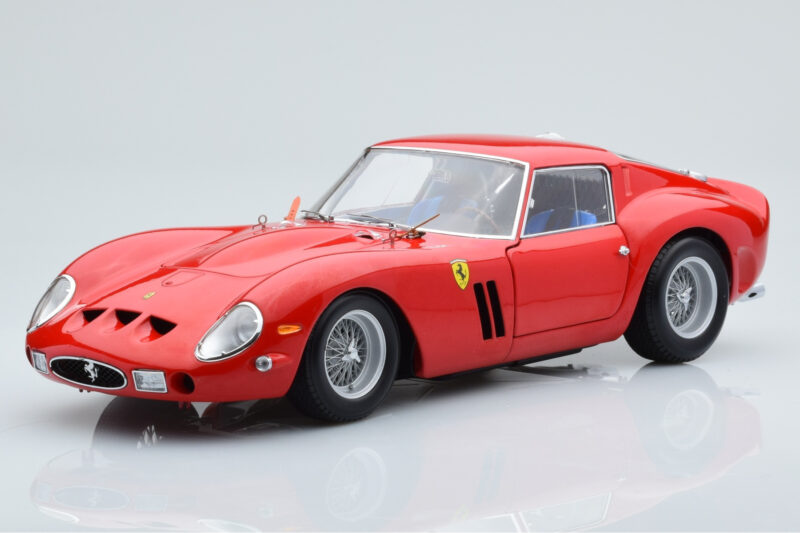
Kyosho's 1:18 diecast Ferrari 250 GTO wears Rosso Corsa red over Giotto Bizzarrini's competition-bred coupe shape, with opening doors, a detailed cabin and correctly proportioned Scaglietti bodywork. One of only 36 originals ever built, the 250 GTO anchors any serious Ferrari GT chronology, and this diecast brings its road-legal racing heritage to an accessible display scale.
1 / 10
[{"index":0,"id":"171374","thumb":"https:\/\/models118.co.uk\/wp-content\/uploads\/2026\/03\/ferrari-250-gto-red-kyosho-1-18-300x200.jpg","medium":"https:\/\/models118.co.uk\/wp-content\/uploads\/2026\/03\/ferrari-250-gto-red-kyosho-1-18-800x533.jpg","full":"https:\/\/models118.co.uk\/wp-content\/uploads\/2026\/03\/ferrari-250-gto-red-kyosho-1-18.jpg","srcset":"https:\/\/models118.co.uk\/wp-content\/uploads\/2026\/03\/ferrari-250-gto-red-kyosho-1-18-800x533.jpg 800w, https:\/\/models118.co.uk\/wp-content\/uploads\/2026\/03\/ferrari-250-gto-red-kyosho-1-18-64x43.jpg 64w, https:\/\/models118.co.uk\/wp-content\/uploads\/2026\/03\/ferrari-250-gto-red-kyosho-1-18-300x200.jpg 300w, https:\/\/models118.co.uk\/wp-content\/uploads\/2026\/03\/ferrari-250-gto-red-kyosho-1-18.jpg 1800w","sizes":"(max-width: 1023px) 400px, 640px","srcsetAvif":"https:\/\/models118.co.uk\/wp-content\/uploads\/2026\/03\/ferrari-250-gto-red-kyosho-1-18-800x533.jpg.avif 800w, https:\/\/models118.co.uk\/wp-content\/uploads\/2026\/03\/ferrari-250-gto-red-kyosho-1-18-64x43.jpg.avif 64w, https:\/\/models118.co.uk\/wp-content\/uploads\/2026\/03\/ferrari-250-gto-red-kyosho-1-18-300x200.jpg.avif 300w, https:\/\/models118.co.uk\/wp-content\/uploads\/2026\/03\/ferrari-250-gto-red-kyosho-1-18.jpg.avif 1800w","srcsetWebp":"https:\/\/models118.co.uk\/wp-content\/uploads\/2026\/03\/ferrari-250-gto-red-kyosho-1-18-800x533.jpg.webp 800w, https:\/\/models118.co.uk\/wp-content\/uploads\/2026\/03\/ferrari-250-gto-red-kyosho-1-18-64x43.jpg.webp 64w, https:\/\/models118.co.uk\/wp-content\/uploads\/2026\/03\/ferrari-250-gto-red-kyosho-1-18-300x200.jpg.webp 300w, https:\/\/models118.co.uk\/wp-content\/uploads\/2026\/03\/ferrari-250-gto-red-kyosho-1-18.jpg.webp 1800w","alt":"Ferrari 250 GTO Red Kyosho 1:18 08438R Diecast"},{"index":1,"id":171401,"thumb":"https:\/\/models118.co.uk\/wp-content\/uploads\/2026\/03\/ferrari-250-gto-red-kyosho-1-18-1-300x200.jpg","medium":"https:\/\/models118.co.uk\/wp-content\/uploads\/2026\/03\/ferrari-250-gto-red-kyosho-1-18-1-800x533.jpg","full":"https:\/\/models118.co.uk\/wp-content\/uploads\/2026\/03\/ferrari-250-gto-red-kyosho-1-18-1.jpg","srcset":"https:\/\/models118.co.uk\/wp-content\/uploads\/2026\/03\/ferrari-250-gto-red-kyosho-1-18-1-800x533.jpg 800w, https:\/\/models118.co.uk\/wp-content\/uploads\/2026\/03\/ferrari-250-gto-red-kyosho-1-18-1-64x43.jpg 64w, https:\/\/models118.co.uk\/wp-content\/uploads\/2026\/03\/ferrari-250-gto-red-kyosho-1-18-1-300x200.jpg 300w, https:\/\/models118.co.uk\/wp-content\/uploads\/2026\/03\/ferrari-250-gto-red-kyosho-1-18-1.jpg 1800w","sizes":"(max-width: 1023px) 400px, 640px","srcsetAvif":"https:\/\/models118.co.uk\/wp-content\/uploads\/2026\/03\/ferrari-250-gto-red-kyosho-1-18-1-800x533.jpg.avif 800w, https:\/\/models118.co.uk\/wp-content\/uploads\/2026\/03\/ferrari-250-gto-red-kyosho-1-18-1-64x43.jpg.avif 64w, https:\/\/models118.co.uk\/wp-content\/uploads\/2026\/03\/ferrari-250-gto-red-kyosho-1-18-1-300x200.jpg.avif 300w, https:\/\/models118.co.uk\/wp-content\/uploads\/2026\/03\/ferrari-250-gto-red-kyosho-1-18-1.jpg.avif 1800w","srcsetWebp":"https:\/\/models118.co.uk\/wp-content\/uploads\/2026\/03\/ferrari-250-gto-red-kyosho-1-18-1-800x533.jpg.webp 800w, https:\/\/models118.co.uk\/wp-content\/uploads\/2026\/03\/ferrari-250-gto-red-kyosho-1-18-1-64x43.jpg.webp 64w, https:\/\/models118.co.uk\/wp-content\/uploads\/2026\/03\/ferrari-250-gto-red-kyosho-1-18-1-300x200.jpg.webp 300w, https:\/\/models118.co.uk\/wp-content\/uploads\/2026\/03\/ferrari-250-gto-red-kyosho-1-18-1.jpg.webp 1800w","alt":"Ferrari 250 GTO Red Kyosho 1:18 08438R Diecast \u2014 photo 2 of 10"},{"index":2,"id":171428,"thumb":"https:\/\/models118.co.uk\/wp-content\/uploads\/2026\/03\/ferrari-250-gto-red-kyosho-1-18-2-300x200.jpg","medium":"https:\/\/models118.co.uk\/wp-content\/uploads\/2026\/03\/ferrari-250-gto-red-kyosho-1-18-2-800x533.jpg","full":"https:\/\/models118.co.uk\/wp-content\/uploads\/2026\/03\/ferrari-250-gto-red-kyosho-1-18-2.jpg","srcset":"https:\/\/models118.co.uk\/wp-content\/uploads\/2026\/03\/ferrari-250-gto-red-kyosho-1-18-2-800x533.jpg 800w, https:\/\/models118.co.uk\/wp-content\/uploads\/2026\/03\/ferrari-250-gto-red-kyosho-1-18-2-64x43.jpg 64w, https:\/\/models118.co.uk\/wp-content\/uploads\/2026\/03\/ferrari-250-gto-red-kyosho-1-18-2-300x200.jpg 300w, https:\/\/models118.co.uk\/wp-content\/uploads\/2026\/03\/ferrari-250-gto-red-kyosho-1-18-2.jpg 1800w","sizes":"(max-width: 1023px) 400px, 640px","srcsetAvif":"https:\/\/models118.co.uk\/wp-content\/uploads\/2026\/03\/ferrari-250-gto-red-kyosho-1-18-2-800x533.jpg.avif 800w, https:\/\/models118.co.uk\/wp-content\/uploads\/2026\/03\/ferrari-250-gto-red-kyosho-1-18-2-64x43.jpg.avif 64w, https:\/\/models118.co.uk\/wp-content\/uploads\/2026\/03\/ferrari-250-gto-red-kyosho-1-18-2-300x200.jpg.avif 300w, https:\/\/models118.co.uk\/wp-content\/uploads\/2026\/03\/ferrari-250-gto-red-kyosho-1-18-2.jpg.avif 1800w","srcsetWebp":"https:\/\/models118.co.uk\/wp-content\/uploads\/2026\/03\/ferrari-250-gto-red-kyosho-1-18-2-800x533.jpg.webp 800w, https:\/\/models118.co.uk\/wp-content\/uploads\/2026\/03\/ferrari-250-gto-red-kyosho-1-18-2-64x43.jpg.webp 64w, https:\/\/models118.co.uk\/wp-content\/uploads\/2026\/03\/ferrari-250-gto-red-kyosho-1-18-2-300x200.jpg.webp 300w, https:\/\/models118.co.uk\/wp-content\/uploads\/2026\/03\/ferrari-250-gto-red-kyosho-1-18-2.jpg.webp 1800w","alt":"Ferrari 250 GTO Red Kyosho 1:18 08438R Diecast \u2014 photo 3 of 10"},{"index":3,"id":171455,"thumb":"https:\/\/models118.co.uk\/wp-content\/uploads\/2026\/03\/ferrari-250-gto-red-kyosho-1-18-3-300x200.jpg","medium":"https:\/\/models118.co.uk\/wp-content\/uploads\/2026\/03\/ferrari-250-gto-red-kyosho-1-18-3-800x533.jpg","full":"https:\/\/models118.co.uk\/wp-content\/uploads\/2026\/03\/ferrari-250-gto-red-kyosho-1-18-3.jpg","srcset":"https:\/\/models118.co.uk\/wp-content\/uploads\/2026\/03\/ferrari-250-gto-red-kyosho-1-18-3-800x533.jpg 800w, https:\/\/models118.co.uk\/wp-content\/uploads\/2026\/03\/ferrari-250-gto-red-kyosho-1-18-3-64x43.jpg 64w, https:\/\/models118.co.uk\/wp-content\/uploads\/2026\/03\/ferrari-250-gto-red-kyosho-1-18-3-300x200.jpg 300w, https:\/\/models118.co.uk\/wp-content\/uploads\/2026\/03\/ferrari-250-gto-red-kyosho-1-18-3.jpg 1800w","sizes":"(max-width: 1023px) 400px, 640px","srcsetAvif":"https:\/\/models118.co.uk\/wp-content\/uploads\/2026\/03\/ferrari-250-gto-red-kyosho-1-18-3-800x533.jpg.avif 800w, https:\/\/models118.co.uk\/wp-content\/uploads\/2026\/03\/ferrari-250-gto-red-kyosho-1-18-3-64x43.jpg.avif 64w, https:\/\/models118.co.uk\/wp-content\/uploads\/2026\/03\/ferrari-250-gto-red-kyosho-1-18-3-300x200.jpg.avif 300w, https:\/\/models118.co.uk\/wp-content\/uploads\/2026\/03\/ferrari-250-gto-red-kyosho-1-18-3.jpg.avif 1800w","srcsetWebp":"https:\/\/models118.co.uk\/wp-content\/uploads\/2026\/03\/ferrari-250-gto-red-kyosho-1-18-3-800x533.jpg.webp 800w, https:\/\/models118.co.uk\/wp-content\/uploads\/2026\/03\/ferrari-250-gto-red-kyosho-1-18-3-64x43.jpg.webp 64w, https:\/\/models118.co.uk\/wp-content\/uploads\/2026\/03\/ferrari-250-gto-red-kyosho-1-18-3-300x200.jpg.webp 300w, https:\/\/models118.co.uk\/wp-content\/uploads\/2026\/03\/ferrari-250-gto-red-kyosho-1-18-3.jpg.webp 1800w","alt":"Ferrari 250 GTO Red Kyosho 1:18 08438R Diecast \u2014 photo 4 of 10"},{"index":4,"id":171482,"thumb":"https:\/\/models118.co.uk\/wp-content\/uploads\/2026\/03\/ferrari-250-gto-red-kyosho-1-18-4-300x200.jpg","medium":"https:\/\/models118.co.uk\/wp-content\/uploads\/2026\/03\/ferrari-250-gto-red-kyosho-1-18-4-800x533.jpg","full":"https:\/\/models118.co.uk\/wp-content\/uploads\/2026\/03\/ferrari-250-gto-red-kyosho-1-18-4.jpg","srcset":"https:\/\/models118.co.uk\/wp-content\/uploads\/2026\/03\/ferrari-250-gto-red-kyosho-1-18-4-800x533.jpg 800w, https:\/\/models118.co.uk\/wp-content\/uploads\/2026\/03\/ferrari-250-gto-red-kyosho-1-18-4-64x43.jpg 64w, https:\/\/models118.co.uk\/wp-content\/uploads\/2026\/03\/ferrari-250-gto-red-kyosho-1-18-4-300x200.jpg 300w, https:\/\/models118.co.uk\/wp-content\/uploads\/2026\/03\/ferrari-250-gto-red-kyosho-1-18-4.jpg 1800w","sizes":"(max-width: 1023px) 400px, 640px","srcsetAvif":"https:\/\/models118.co.uk\/wp-content\/uploads\/2026\/03\/ferrari-250-gto-red-kyosho-1-18-4-800x533.jpg.avif 800w, https:\/\/models118.co.uk\/wp-content\/uploads\/2026\/03\/ferrari-250-gto-red-kyosho-1-18-4-64x43.jpg.avif 64w, https:\/\/models118.co.uk\/wp-content\/uploads\/2026\/03\/ferrari-250-gto-red-kyosho-1-18-4-300x200.jpg.avif 300w, https:\/\/models118.co.uk\/wp-content\/uploads\/2026\/03\/ferrari-250-gto-red-kyosho-1-18-4.jpg.avif 1800w","srcsetWebp":"https:\/\/models118.co.uk\/wp-content\/uploads\/2026\/03\/ferrari-250-gto-red-kyosho-1-18-4-800x533.jpg.webp 800w, https:\/\/models118.co.uk\/wp-content\/uploads\/2026\/03\/ferrari-250-gto-red-kyosho-1-18-4-64x43.jpg.webp 64w, https:\/\/models118.co.uk\/wp-content\/uploads\/2026\/03\/ferrari-250-gto-red-kyosho-1-18-4-300x200.jpg.webp 300w, https:\/\/models118.co.uk\/wp-content\/uploads\/2026\/03\/ferrari-250-gto-red-kyosho-1-18-4.jpg.webp 1800w","alt":"Ferrari 250 GTO Red Kyosho 1:18 08438R Diecast \u2014 photo 5 of 10"},{"index":5,"id":171509,"thumb":"https:\/\/models118.co.uk\/wp-content\/uploads\/2026\/03\/ferrari-250-gto-red-kyosho-1-18-5-300x200.jpg","medium":"https:\/\/models118.co.uk\/wp-content\/uploads\/2026\/03\/ferrari-250-gto-red-kyosho-1-18-5-800x533.jpg","full":"https:\/\/models118.co.uk\/wp-content\/uploads\/2026\/03\/ferrari-250-gto-red-kyosho-1-18-5.jpg","srcset":"https:\/\/models118.co.uk\/wp-content\/uploads\/2026\/03\/ferrari-250-gto-red-kyosho-1-18-5-800x533.jpg 800w, https:\/\/models118.co.uk\/wp-content\/uploads\/2026\/03\/ferrari-250-gto-red-kyosho-1-18-5-64x43.jpg 64w, https:\/\/models118.co.uk\/wp-content\/uploads\/2026\/03\/ferrari-250-gto-red-kyosho-1-18-5-300x200.jpg 300w, https:\/\/models118.co.uk\/wp-content\/uploads\/2026\/03\/ferrari-250-gto-red-kyosho-1-18-5.jpg 1800w","sizes":"(max-width: 1023px) 400px, 640px","srcsetAvif":"https:\/\/models118.co.uk\/wp-content\/uploads\/2026\/03\/ferrari-250-gto-red-kyosho-1-18-5-800x533.jpg.avif 800w, https:\/\/models118.co.uk\/wp-content\/uploads\/2026\/03\/ferrari-250-gto-red-kyosho-1-18-5-64x43.jpg.avif 64w, https:\/\/models118.co.uk\/wp-content\/uploads\/2026\/03\/ferrari-250-gto-red-kyosho-1-18-5-300x200.jpg.avif 300w, https:\/\/models118.co.uk\/wp-content\/uploads\/2026\/03\/ferrari-250-gto-red-kyosho-1-18-5.jpg.avif 1800w","srcsetWebp":"https:\/\/models118.co.uk\/wp-content\/uploads\/2026\/03\/ferrari-250-gto-red-kyosho-1-18-5-800x533.jpg.webp 800w, https:\/\/models118.co.uk\/wp-content\/uploads\/2026\/03\/ferrari-250-gto-red-kyosho-1-18-5-64x43.jpg.webp 64w, https:\/\/models118.co.uk\/wp-content\/uploads\/2026\/03\/ferrari-250-gto-red-kyosho-1-18-5-300x200.jpg.webp 300w, https:\/\/models118.co.uk\/wp-content\/uploads\/2026\/03\/ferrari-250-gto-red-kyosho-1-18-5.jpg.webp 1800w","alt":"Ferrari 250 GTO Red Kyosho 1:18 08438R Diecast \u2014 photo 6 of 10"},{"index":6,"id":171536,"thumb":"https:\/\/models118.co.uk\/wp-content\/uploads\/2026\/03\/ferrari-250-gto-red-kyosho-1-18-6-300x200.jpg","medium":"https:\/\/models118.co.uk\/wp-content\/uploads\/2026\/03\/ferrari-250-gto-red-kyosho-1-18-6-800x533.jpg","full":"https:\/\/models118.co.uk\/wp-content\/uploads\/2026\/03\/ferrari-250-gto-red-kyosho-1-18-6.jpg","srcset":"https:\/\/models118.co.uk\/wp-content\/uploads\/2026\/03\/ferrari-250-gto-red-kyosho-1-18-6-800x533.jpg 800w, https:\/\/models118.co.uk\/wp-content\/uploads\/2026\/03\/ferrari-250-gto-red-kyosho-1-18-6-64x43.jpg 64w, https:\/\/models118.co.uk\/wp-content\/uploads\/2026\/03\/ferrari-250-gto-red-kyosho-1-18-6-300x200.jpg 300w, https:\/\/models118.co.uk\/wp-content\/uploads\/2026\/03\/ferrari-250-gto-red-kyosho-1-18-6.jpg 1800w","sizes":"(max-width: 1023px) 400px, 640px","srcsetAvif":"https:\/\/models118.co.uk\/wp-content\/uploads\/2026\/03\/ferrari-250-gto-red-kyosho-1-18-6-800x533.jpg.avif 800w, https:\/\/models118.co.uk\/wp-content\/uploads\/2026\/03\/ferrari-250-gto-red-kyosho-1-18-6-64x43.jpg.avif 64w, https:\/\/models118.co.uk\/wp-content\/uploads\/2026\/03\/ferrari-250-gto-red-kyosho-1-18-6-300x200.jpg.avif 300w, https:\/\/models118.co.uk\/wp-content\/uploads\/2026\/03\/ferrari-250-gto-red-kyosho-1-18-6.jpg.avif 1800w","srcsetWebp":"https:\/\/models118.co.uk\/wp-content\/uploads\/2026\/03\/ferrari-250-gto-red-kyosho-1-18-6-800x533.jpg.webp 800w, https:\/\/models118.co.uk\/wp-content\/uploads\/2026\/03\/ferrari-250-gto-red-kyosho-1-18-6-64x43.jpg.webp 64w, https:\/\/models118.co.uk\/wp-content\/uploads\/2026\/03\/ferrari-250-gto-red-kyosho-1-18-6-300x200.jpg.webp 300w, https:\/\/models118.co.uk\/wp-content\/uploads\/2026\/03\/ferrari-250-gto-red-kyosho-1-18-6.jpg.webp 1800w","alt":"Ferrari 250 GTO Red Kyosho 1:18 08438R Diecast \u2014 photo 7 of 10"},{"index":7,"id":171563,"thumb":"https:\/\/models118.co.uk\/wp-content\/uploads\/2026\/03\/ferrari-250-gto-red-kyosho-1-18-7-300x200.jpg","medium":"https:\/\/models118.co.uk\/wp-content\/uploads\/2026\/03\/ferrari-250-gto-red-kyosho-1-18-7-800x533.jpg","full":"https:\/\/models118.co.uk\/wp-content\/uploads\/2026\/03\/ferrari-250-gto-red-kyosho-1-18-7.jpg","srcset":"https:\/\/models118.co.uk\/wp-content\/uploads\/2026\/03\/ferrari-250-gto-red-kyosho-1-18-7-800x533.jpg 800w, https:\/\/models118.co.uk\/wp-content\/uploads\/2026\/03\/ferrari-250-gto-red-kyosho-1-18-7-64x43.jpg 64w, https:\/\/models118.co.uk\/wp-content\/uploads\/2026\/03\/ferrari-250-gto-red-kyosho-1-18-7-300x200.jpg 300w, https:\/\/models118.co.uk\/wp-content\/uploads\/2026\/03\/ferrari-250-gto-red-kyosho-1-18-7.jpg 1800w","sizes":"(max-width: 1023px) 400px, 640px","srcsetAvif":"https:\/\/models118.co.uk\/wp-content\/uploads\/2026\/03\/ferrari-250-gto-red-kyosho-1-18-7-800x533.jpg.avif 800w, https:\/\/models118.co.uk\/wp-content\/uploads\/2026\/03\/ferrari-250-gto-red-kyosho-1-18-7-64x43.jpg.avif 64w, https:\/\/models118.co.uk\/wp-content\/uploads\/2026\/03\/ferrari-250-gto-red-kyosho-1-18-7-300x200.jpg.avif 300w, https:\/\/models118.co.uk\/wp-content\/uploads\/2026\/03\/ferrari-250-gto-red-kyosho-1-18-7.jpg.avif 1800w","srcsetWebp":"https:\/\/models118.co.uk\/wp-content\/uploads\/2026\/03\/ferrari-250-gto-red-kyosho-1-18-7-800x533.jpg.webp 800w, https:\/\/models118.co.uk\/wp-content\/uploads\/2026\/03\/ferrari-250-gto-red-kyosho-1-18-7-64x43.jpg.webp 64w, https:\/\/models118.co.uk\/wp-content\/uploads\/2026\/03\/ferrari-250-gto-red-kyosho-1-18-7-300x200.jpg.webp 300w, https:\/\/models118.co.uk\/wp-content\/uploads\/2026\/03\/ferrari-250-gto-red-kyosho-1-18-7.jpg.webp 1800w","alt":"Ferrari 250 GTO Red Kyosho 1:18 08438R Diecast \u2014 photo 8 of 10"},{"index":8,"id":171590,"thumb":"https:\/\/models118.co.uk\/wp-content\/uploads\/2026\/03\/ferrari-250-gto-red-kyosho-1-18-8-300x200.jpg","medium":"https:\/\/models118.co.uk\/wp-content\/uploads\/2026\/03\/ferrari-250-gto-red-kyosho-1-18-8-800x533.jpg","full":"https:\/\/models118.co.uk\/wp-content\/uploads\/2026\/03\/ferrari-250-gto-red-kyosho-1-18-8.jpg","srcset":"https:\/\/models118.co.uk\/wp-content\/uploads\/2026\/03\/ferrari-250-gto-red-kyosho-1-18-8-800x533.jpg 800w, https:\/\/models118.co.uk\/wp-content\/uploads\/2026\/03\/ferrari-250-gto-red-kyosho-1-18-8-64x43.jpg 64w, https:\/\/models118.co.uk\/wp-content\/uploads\/2026\/03\/ferrari-250-gto-red-kyosho-1-18-8-300x200.jpg 300w, https:\/\/models118.co.uk\/wp-content\/uploads\/2026\/03\/ferrari-250-gto-red-kyosho-1-18-8.jpg 1800w","sizes":"(max-width: 1023px) 400px, 640px","srcsetAvif":"https:\/\/models118.co.uk\/wp-content\/uploads\/2026\/03\/ferrari-250-gto-red-kyosho-1-18-8-800x533.jpg.avif 800w, https:\/\/models118.co.uk\/wp-content\/uploads\/2026\/03\/ferrari-250-gto-red-kyosho-1-18-8-64x43.jpg.avif 64w, https:\/\/models118.co.uk\/wp-content\/uploads\/2026\/03\/ferrari-250-gto-red-kyosho-1-18-8-300x200.jpg.avif 300w, https:\/\/models118.co.uk\/wp-content\/uploads\/2026\/03\/ferrari-250-gto-red-kyosho-1-18-8.jpg.avif 1800w","srcsetWebp":"https:\/\/models118.co.uk\/wp-content\/uploads\/2026\/03\/ferrari-250-gto-red-kyosho-1-18-8-800x533.jpg.webp 800w, https:\/\/models118.co.uk\/wp-content\/uploads\/2026\/03\/ferrari-250-gto-red-kyosho-1-18-8-64x43.jpg.webp 64w, https:\/\/models118.co.uk\/wp-content\/uploads\/2026\/03\/ferrari-250-gto-red-kyosho-1-18-8-300x200.jpg.webp 300w, https:\/\/models118.co.uk\/wp-content\/uploads\/2026\/03\/ferrari-250-gto-red-kyosho-1-18-8.jpg.webp 1800w","alt":"Ferrari 250 GTO Red Kyosho 1:18 08438R Diecast \u2014 photo 9 of 10"},{"index":9,"id":171617,"thumb":"https:\/\/models118.co.uk\/wp-content\/uploads\/2026\/03\/ferrari-250-gto-red-kyosho-1-18-9-300x200.jpg","medium":"https:\/\/models118.co.uk\/wp-content\/uploads\/2026\/03\/ferrari-250-gto-red-kyosho-1-18-9-800x533.jpg","full":"https:\/\/models118.co.uk\/wp-content\/uploads\/2026\/03\/ferrari-250-gto-red-kyosho-1-18-9.jpg","srcset":"https:\/\/models118.co.uk\/wp-content\/uploads\/2026\/03\/ferrari-250-gto-red-kyosho-1-18-9-800x533.jpg 800w, https:\/\/models118.co.uk\/wp-content\/uploads\/2026\/03\/ferrari-250-gto-red-kyosho-1-18-9-64x43.jpg 64w, https:\/\/models118.co.uk\/wp-content\/uploads\/2026\/03\/ferrari-250-gto-red-kyosho-1-18-9-300x200.jpg 300w, https:\/\/models118.co.uk\/wp-content\/uploads\/2026\/03\/ferrari-250-gto-red-kyosho-1-18-9.jpg 1800w","sizes":"(max-width: 1023px) 400px, 640px","srcsetAvif":"https:\/\/models118.co.uk\/wp-content\/uploads\/2026\/03\/ferrari-250-gto-red-kyosho-1-18-9-800x533.jpg.avif 800w, https:\/\/models118.co.uk\/wp-content\/uploads\/2026\/03\/ferrari-250-gto-red-kyosho-1-18-9-64x43.jpg.avif 64w, https:\/\/models118.co.uk\/wp-content\/uploads\/2026\/03\/ferrari-250-gto-red-kyosho-1-18-9-300x200.jpg.avif 300w, https:\/\/models118.co.uk\/wp-content\/uploads\/2026\/03\/ferrari-250-gto-red-kyosho-1-18-9.jpg.avif 1800w","srcsetWebp":"https:\/\/models118.co.uk\/wp-content\/uploads\/2026\/03\/ferrari-250-gto-red-kyosho-1-18-9-800x533.jpg.webp 800w, https:\/\/models118.co.uk\/wp-content\/uploads\/2026\/03\/ferrari-250-gto-red-kyosho-1-18-9-64x43.jpg.webp 64w, https:\/\/models118.co.uk\/wp-content\/uploads\/2026\/03\/ferrari-250-gto-red-kyosho-1-18-9-300x200.jpg.webp 300w, https:\/\/models118.co.uk\/wp-content\/uploads\/2026\/03\/ferrari-250-gto-red-kyosho-1-18-9.jpg.webp 1800w","alt":"Ferrari 250 GTO Red Kyosho 1:18 08438R Diecast \u2014 photo 10 of 10"}]
Ferrari 250 GTO Red Kyosho 1:18
Current price:
£237.50
Price shown excluding UK VAT. Import VAT and the courier's customs clearance fee are collected on delivery.
Out of production
This model is currently sold out. Enter your email and we'll let you know when it's back in stock.
Genuine articles
Sourced from manufacturers
5-layer carton
Foam-filled interior
Hassle-free returns
14-day no-quibble returns
Secure payment
Bank-level encryption
About the Ferrari 250 GTO Red Kyosho 1:18
TL;DR: Kyosho's 1:18 diecast Ferrari 250 GTO reproduces the 1962 competition coupe in Rosso Corsa red, with opening doors, a mapped cabin and correctly proportioned Scaglietti bodywork. Standard-tier diecast construction brings the road-legal racer behind three consecutive Le Mans GT class wins to an accessible display scale.
Only 36 examples of the 250 GTO left Maranello, built to satisfy homologation rules for a car that went on to win its class at Le Mans three years running. Kyosho's red diecast brings that rarity within reach of a display shelf.
Kyosho's 1:18 Diecast Interpretation of the 250 GTO
Rosso Corsa Finish and Scaglietti Bodywork
The Rosso Corsa finish sits evenly across the long bonnet and short tail, and the paint depth under direct light shows off the compound curves Bizzarrini's design relied on, without the rear haunches or side vents that later Ferraris exaggerated for effect. Kyosho keeps the panel lines tight around the doors and boot, and the chrome trim around the windscreen and headlamp covers is plated rather than painted, giving it the reflective depth a painted substitute never achieves at this scale.
Opening Features and Diecast Weight
Doors open on metal hinges to reveal a cabin with mapped seats, a simplified dashboard and the correct three-spoke steering wheel position, and lifting the model from its base immediately confirms zinc alloy diecast construction through its solid weight. That heft is worth noting against sealed resin alternatives of the same subject: this diecast trades some of resin's razor-sharp shut-line precision for the ability to open doors and inspect the cabin directly, a genuine trade-off rather than a simple downgrade.
The Road-Legal Racer Behind This Coupe
Bizzarrini's Chassis and a Homologation Special
Giotto Bizzarrini engineered the 250 GTO's chassis and running gear before Scaglietti's coachbuilders shaped the aerodynamic body that gave the car its name, Gran Turismo Omologato, built specifically to satisfy the FIA's homologation requirement for GT racing. Ferrari built just 36 examples between 1962 and 1964, a scarcity driven entirely by competition need rather than deliberate limited-run marketing.
Three Consecutive Years at the Top of the GT Class
The 250 GTO won its class at Le Mans in 1962, 1963 and 1964, three consecutive results that cemented its competition record before Ferrari moved on to purpose-built prototypes. That sustained success at the world's most demanding endurance race is the foundation of the car's reputation, and it explains why a red road-style example like this one still carries genuine competition DNA underneath its street-legal presentation.
Diecast Versus Resin for a Subject Like This
For a subject this significant, the diecast-versus-resin choice matters more than usual. Sealed resin renditions of the 250 GTO typically achieve sharper, more consistent shut lines because the body has no hinge tolerances to accommodate, and specialist resin producers often invest heavily in paint depth for exactly this reason. Kyosho's diecast approach trades some of that surface precision for functioning doors and a viewable cabin, which suits a collector who wants to handle the model and show off the interior rather than treat it purely as a static display object. Neither approach is objectively better; they serve different collecting priorities. At 1:18, the GTO's proportions, particularly the long bonnet relative to the short cabin, are where the car's aerodynamic intent actually reads clearly; smaller scales tend to compress that relationship into something less distinctive.
The 250 GTO's Place in a Ferrari GT Chronology
A red 250 GTO works naturally as the anchor piece in a wider Ferrari GT chronology, sitting alongside a 275 GTB or a Daytona to trace Maranello's road-going GT philosophy across the 1960s and into the following decade. Its rarity and racing pedigree make it one of the more consequential subjects a manufacturer can choose to reproduce, and Kyosho's diecast treatment offers a genuinely accessible way to own that history without the six-figure territory the originals now occupy at auction. For a collector prioritising handling and interior detail over ultimate surface precision, this diecast GTO is a sound, honest way into 250 GTO ownership.
Same marque, same scale
Last one
Last one
Used
Used
Last one
Used
Last one
Used
Collectors also bought
Browse all 1:18
Last one
Back in stock
Last one
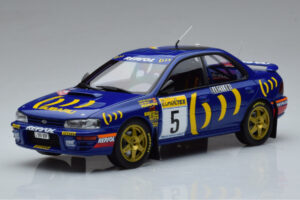
Subaru Impreza #5 C. Sainz / L. Moya 2nd Place Rally Monte Carlo 1995 Kyosho 1:18
Only 1 left
Price:
£180.83
Last one
Last one
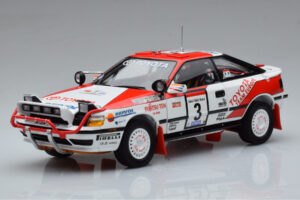
Toyota Celica GT-Four ST165 #3 B. Waldegard / F. Gallagher Winner Safari Rally 1990 Kyosho 1:18
Only 1 left
Price:
£180.83
Last one
Back in stock
Last one
Back in stock
Last one
Back in stock
Recently viewed
{"id":302519,"name":"Ferrari 250 GTO Red Kyosho 1:18","price":"£<\/span>237.50<\/bdi><\/span>","image":"https:\/\/models118.co.uk\/wp-content\/uploads\/2026\/03\/ferrari-250-gto-red-kyosho-1-18-400x400.jpg","permalink":"https:\/\/models118.co.uk\/ferrari-250-gto-red-kyosho-1-18-08438r\/","brand":"Ferrari"}