Last one
Used
Back in stock
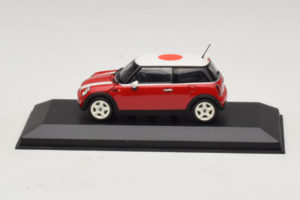
Few marques bridge two design eras as distinctly as Mini. This collection runs from the boxy Issigonis original through the rounder, BMW-era hatch, giving collectors a rare chance to display sixty years of one nameplate’s reinvention side by side.



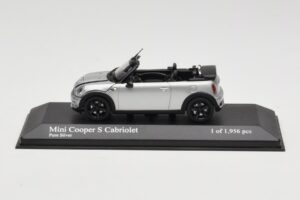



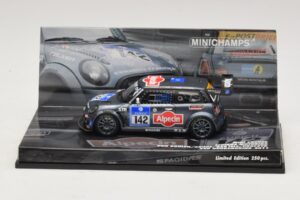

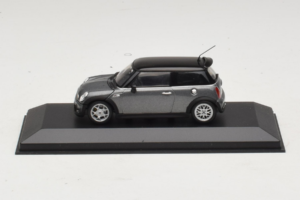


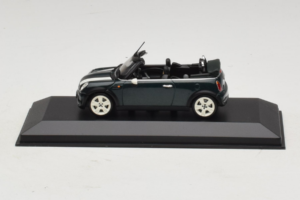
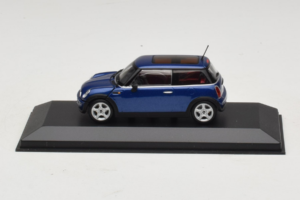
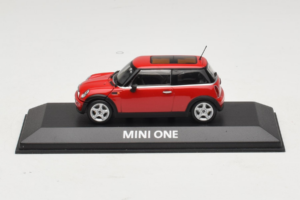
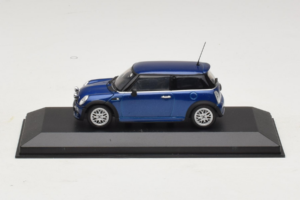
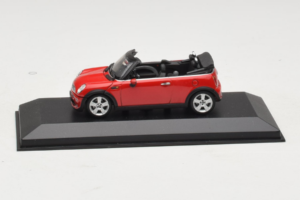
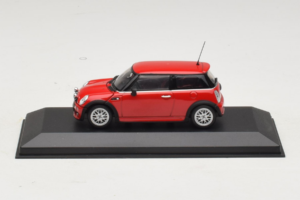
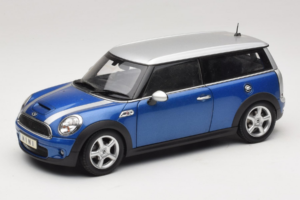





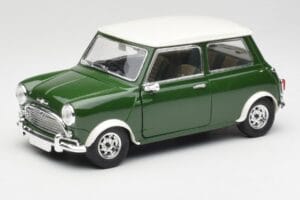







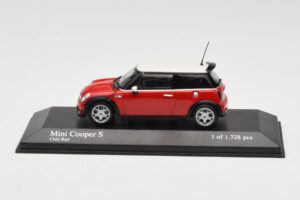
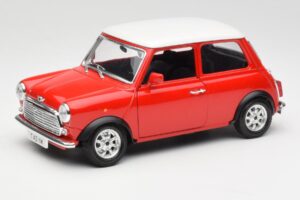
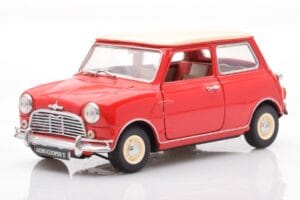



TL;DR: Mini scale models cover the original 1960s Issigonis classic and the modern BMW-era hatch, in 1:18 and 1:43 diecast and resin. Manufacturers span entry-level Bburago and Maisto through mid-tier Kyosho and Minichamps to premium sealed-resin work from Otto.
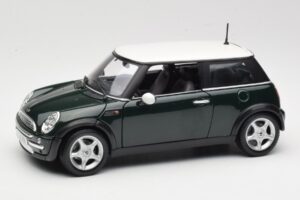
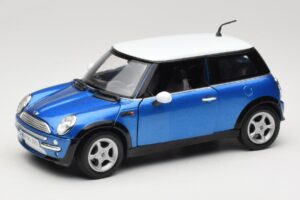
Mini scale models capture a nameplate that reinvented itself once and never lost its identity in the process. The original 1959 city car, packaged around Alec Issigonis's transverse-engine layout, and the 2001 BMW-era hatch that revived the name share almost nothing mechanically, yet both wear the round headlamps and short overhangs that collectors instantly recognise on a shelf.
The manufacturer spread reflects how broadly Mini appeals across budgets. Bburago and Maisto cover both eras at entry-level pricing, giving newer collectors an accessible route into the classic shape without a specialist outlay. Kyosho and Minichamps sit in the mid tier, with tighter panel fit and more considered interior detail, while Otto's sealed-resin castings push into premium territory with sharper shut lines and deeper paint on selected classic and Cooper subjects.
The original Mini's tiny footprint and huge cabin space made it a genuine packaging breakthrough, and that engineering story is part of what collectors are buying into. Factory specials and works-liveried competition versions from the 1960s widen the classic-era subject pool beyond the plain road car, giving a themed shelf real variety within one small chassis.
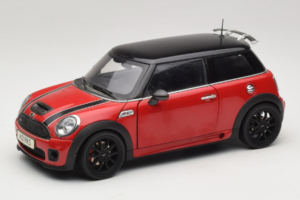
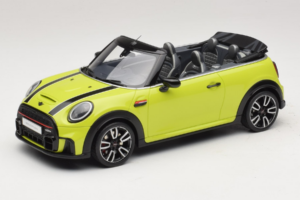
The 2000s and 2010s hatch generations bring hot hatch and compact sport SUV subjects into the range, alongside factory specials that echo the works-car tradition of the original. Collectors building a modern-era shelf typically prioritise Cooper and JCW-badged performance variants, where the more aggressive detailing gives models more visual presence than the base hatch.
A dual-era approach works well here: 1:43 for compact coverage of both the classic and modern lineage side by side, 1:18 reserved for a hero classic Cooper or a standout modern factory special. Because the two eras look so different in profile, mixing them on one shelf reads as intentional design history rather than a mismatched collection.
Classic Mini models reproduce the boxy 1959-2000 Issigonis design, while modern Mini models cover the rounder BMW-era hatch launched in 2001. Both share round-headlamp styling cues, but the underlying proportions and vehicle classes differ considerably.
Bburago or Maisto make sensible starting points, offering accessible diecast coverage of both eras. Collectors wanting sharper panel fit and interior detail typically move up to Kyosho or Minichamps once the basic shape is established on the shelf.
Sealed resin castings from specialists like Otto trade opening doors and bonnet for sharper shut lines and a deeper paint finish. That trade-off suits collectors prioritising display accuracy on a hero piece over interactive features.
1:43 allows both eras to sit together compactly, useful for a broad chronology. 1:18 gives a single standout Cooper or classic factory special more shelf presence, so many collectors run both scales for different purposes.