{"ajaxurl":"https:\/\/models118.co.uk\/wp-admin\/admin-ajax.php","nonce":"1ac71b5fbc","homeUrl":"https:\/\/models118.co.uk\/","shopUrl":"https:\/\/models118.co.uk\/shop\/","collectionLimit":12,"i18n":{"addedToCart":"Added to cart","addedToWishlist":"Added to wishlist","removedFromWishlist":"Removed from wishlist","error":"Something went wrong","loading":"Loading...","outOfStock":"Out of stock","viewCart":"View cart","addedToCollection":"Added to Collection","reserved":"Reserved!","invalidEmail":"Please enter a valid email address","connectionError":"Connection error. Please try again."},"stats":{"models":552,"brands":31,"makers":11,"collectors":10000}}
Vintage Classic Model Cars - Golden Age Motoring Heritage
More about our models
Vintage diecast models capture five decades of automotive excellence from the 1920s through 1970s golden age. British marques like Jaguar and MG, Italian legends including Ferrari and Alfa Romeo, plus American muscle and European touring cars across 1:18, 1:43, and 1:64 scales. Manufacturers from Minichamps and Vitesse to Corgi and Lledo serve collectors preserving period design and motorsport heritage.
Browse 7 Vintage Classics scale models — diecast and resin from leading manufacturers
What Vintage Classics model cars do you offer?
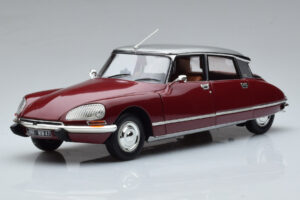
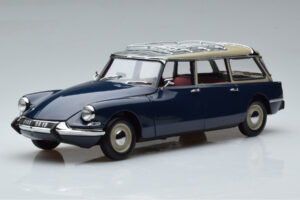
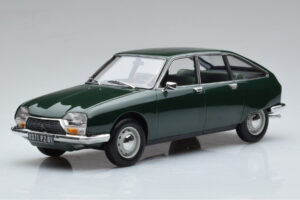
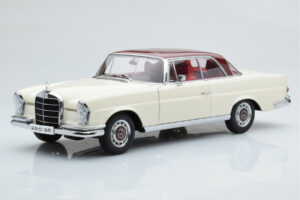
Our Vintage Classics collection features 7 diecast and resin scale models across all major scales and price ranges. Featured brands: Citroen, Mercedes. New arrivals added regularly.
Which manufacturers make Vintage Classics models?
Vintage Classics models are produced by Norev, among others. Each manufacturer brings different strengths — from budget-friendly diecast to hand-finished resin limited editions.
What scales are available for Vintage Classics model cars?
Vintage Classics models are available in 1:18. The 1:18 scale (25-28 cm) offers the most detail; 1:43 is compact and ideal for larger collections.
Are Vintage Classics diecast models collectible?
Vintage Classics models are among the most sought-after in the hobby. Limited resin editions (under 3,000 pieces) appreciate after selling out. Key factors: production run size, manufacturer reputation, and the car's status among enthusiasts.
How to choose the best Vintage Classics model car?
For Vintage Classics models, choose your scale first — 1:18 for display impact, 1:43 for variety. Then compare materials: diecast for hands-on handling, resin for sharper detail. Solido and Norev for value, AUTOart for premium with opening parts.
Are Vintage Classics model cars good gifts for car enthusiasts?
Vintage Classics diecast models make memorable gifts for car enthusiasts. Choose 1:18 scale for maximum visual impact on the shelf. Look for models with opening parts for interactive display. Norev and Solido offer gift-ready quality in branded manufacturer packaging.
How are model cars shipped?
5-layer packing: original box, bubble wrap, foam inserts, reinforced carton, FRAGILE markings. All shipments tracked and insured. Damage rate under 0.1%.
Do you offer returns?
14-day returns on unused items in original packaging. Defective or damaged in transit? Free replacement — contact us with photos within 48 hours.
Vintage diecast models preserve automotive design's most celebrated period, spanning the 1920s through 1970s when engineering innovation and styling courage produced vehicles that define classic car culture today. From pre-war elegance through post-war sports car revolution and into muscle car dominance, vintage model cars document the golden age when chrome bumpers, wire wheels, and hand-beaten aluminium bodywork represented automotive craftsmanship at its peak. British marque heritage from Jaguar E-Type and Aston Martin DB5 through MG roadsters and Triumph sports cars, Italian racing pedigree exemplified by Ferrari 250 GTO and Alfa Romeo Giulia, American muscle power from Ford Mustang and Chevrolet Corvette, plus European grand touring elegance characterised motoring's most romantic decades. Collectors building period-focused displays pursue these replicas across multiple scales and quality tiers, seeking the design purity and mechanical honesty that disappeared when safety regulations, emissions standards, and cost engineering transformed automotive character in the 1980s.Era Characteristics and Period Design Language
The vintage classic category encompasses distinct design eras, each contributing unique aesthetic and engineering signatures that collectors recognise instantly. Pre-war classics from the 1920s and 1930s feature separate wings, running boards, and upright proportions that reflected coach-building traditions inherited from horse-drawn carriage design, with manufacturers like Bugatti, Bentley, and Rolls-Royce establishing luxury automotive identity through hand-crafted coachwork and imposing road presence. The immediate post-war period through the 1950s brought streamlining influences as aerodynamic understanding informed increasingly integrated bodywork, whilst sports car development accelerated through Jaguar XK120, Mercedes 300SL, and Porsche 356 designs that married performance engineering with elegant proportions. The 1960s represented automotive design's golden age, producing icons like Jaguar E-Type, Ferrari 250 GTO, Aston Martin DB5, and Alfa Romeo Giulia Sprint that balanced sculptural beauty with functional aerodynamics through shapes that remain influential decades later. American muscle cars from the same period pursued different aesthetics, with Ford Mustang, Chevrolet Camaro, and Dodge Charger emphasising aggressive stance and powerful engines over European subtlety. The 1970s brought design excess before regulatory constraints arrived, with wedge shapes, pop-up headlamps, and dramatic spoilers characterising supercars like Lamborghini Countach and Lancia Stratos, whilst hot hatches including Volkswagen Golf GTI pioneered practical performance that would dominate future decades. These period-specific design languages help collectors organise vintage displays chronologically, creating visual narratives that document automotive evolution across five transformative decades.Manufacturer Landscape and Production Approaches
Vintage classic model production spans quality and price spectrums reflecting diverse collector priorities and budget parameters. Premium European manufacturers including Minichamps, Spark, and Vitesse specialise in 1:43 scale vintage replicas that capture period accuracy through detailed research and precise tooling, with particular strength in European marques and motorsport variants that dominated 1950s through 1970s racing. Minichamps catalogues comprehensive Porsche 356 and 911 evolution, Mercedes-Benz grand tourers and racing sports cars, plus British classics from Jaguar, Austin-Healey, and MG that appeal to UK collectors celebrating home-market heritage. Spark focuses on competition variants and limited production models that commanded period motorsport success, delivering 1:43 Le Mans winners, rally champions, and circuit racing legends with authentic liveries and period-correct details at mid-tier pricing. Brumm and Rio specialise in pre-war and immediate post-war classics, capturing 1920s through 1950s vehicles that established automotive luxury and sporting tradition before mass production democratised vehicle ownership. British heritage manufacturers including Corgi and Lledo serve collectors specifically pursuing UK marque nostalgia, with Corgi's Vanguards range delivering detailed British saloons, sports cars, and commercial vehicles that populated UK roads through the 1950s, 1960s, and 1970s. Lledo focuses on British commercial vehicles and period delivery vans that evoke high street memories and corporate heritage, appealing to collectors building scene-setting displays around British motoring culture. Mass-market producers including Bburago and Maisto offer vintage classics in 1:18 scale at accessible price points, typically focusing on the most iconic subjects—Jaguar E-Type, Porsche 911, Ford Mustang, Chevrolet Corvette—where universal recognition justifies production investment in larger format tooling. This manufacturer diversity enables vintage classic collecting across multiple budget approaches, from comprehensive 1:43 European catalogues through selective 1:18 showcase pieces to nostalgic British heritage focus that celebrates home-market motoring memories.Scale Considerations and Collection Formats
Scale selection profoundly influences vintage classic collecting strategy and display outcomes. The 1:43 format dominates European vintage collecting, reflecting both practical space efficiency and historical precedent from early post-war model production when manufacturers including Dinky and Corgi established 1:43 as standard scale for detailed replicas. This scale allows comprehensive collection building across multiple marques, eras, and vehicle types whilst maintaining detail capacity sufficient for period character recognition and authentic proportional accuracy. Collectors building complete Jaguar XK and E-Type lineages, Porsche 356 through early 911 evolution, or Ferrari sports racing progression typically choose 1:43 for breadth, displaying dozens of models that document design development and competition success across standard shelving without overwhelming available space. Premium 1:43 producers deliver opening bonnets revealing engine detail, accurately trimmed interiors with period-correct dashboard layouts, and chassis detail showing suspension and exhaust systems appropriate to 1950s through 1970s engineering. The 1:18 scale serves collectors prioritising hero pieces over comprehensive coverage, with iconic subjects receiving larger format treatment that captures design details visible from across a room and opening features that operate with mechanical satisfaction. A single 1:18 vintage classic becomes display centrepiece rather than collection member, justifying selective acquisition of personally significant vehicles—childhood dream cars, memorable family vehicles, motorsport heroes—rather than attempting systematic marque or era coverage. Bburago's mass-market 1:18 classics provide accessible entry points for iconic subjects, whilst premium producers occasionally release limited vintage subjects in 1:18 format commanding specialist pricing. The 1:64 scale from manufacturers including Matchbox and Hot Wheels enables nostalgic breadth collecting, particularly for American muscle cars and British classics that populated childhood toy boxes. Many vintage collectors maintain multi-scale strategies, using 1:43 for comprehensive marque coverage, 1:18 for singular showcase pieces representing peak emotional attachment, and 1:64 for nostalgic variety capturing period road scene diversity without serious display commitment.Collection Themes and British Heritage Appeal
Vintage classic collecting supports diverse thematic approaches reflecting individual interests and collecting philosophies. Decade-focused collections organise displays chronologically, with separate areas dedicated to 1950s sports car revolution, 1960s golden age design, or 1970s excess and innovation, creating visual timelines that document automotive evolution through period-specific styling and engineering characteristics. Marque specialists pursue single-brand depth, building comprehensive Jaguar, Porsche, Ferrari, or MG collections that span each manufacturer's vintage production, capturing design lineages and model evolution that demonstrate brand identity development across decades. British heritage collectors focus on home-market classics that defined UK motoring culture, from Jaguar saloons and sports cars through MG and Triumph roadsters to Austin-Healey and Mini variants that represented British engineering and design to global audiences. This UK-focused approach particularly resonates with collectors who remember period vehicles on British roads or inherited family enthusiasm for specific marques that defined personal automotive history. Motorsport-focused vintage collections pursue competition variants and racing liveries, documenting Le Mans 24 Hours victories, Formula 1 championship cars, rally champions, and touring car heroes that established manufacturer reputations through period competition success. These racing-focused displays often combine track variants with road-going homologation specials that justified competition eligibility, showing the direct relationship between motorsport engineering and customer vehicles. Type-based collections organise by vehicle category rather than chronology or marque, with dedicated areas for sports cars, grand tourers, saloons, estate cars, or commercial vehicles that show functional diversity within vintage era. UK collectors particularly value commercial vehicle inclusion, as period delivery vans, lorries, and buses evoke high street memories and working vehicle heritage that contextualises passenger car development. Multi-scale integration allows thematic flexibility, using larger 1:18 formats for hero pieces representing collection highlights whilst 1:43 provides supporting context and comprehensive coverage that builds complete thematic narratives without space constraints limiting acquisition ambition.