Last one
Used
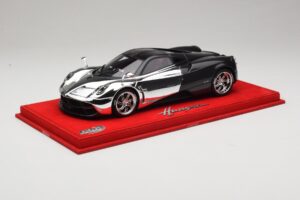
Pagani’s carbon-fibre sculpture demands the same obsessive treatment in miniature that Horacio Pagani applies at full scale. This collection covers the Zonda and Huayra generations across resin and diecast, from track-focused specials to road-going hypercars.
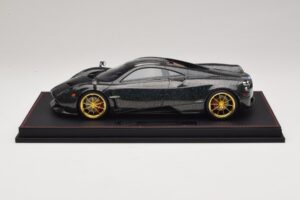
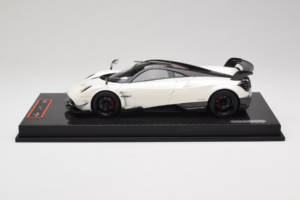
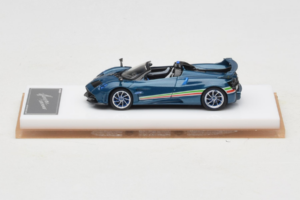
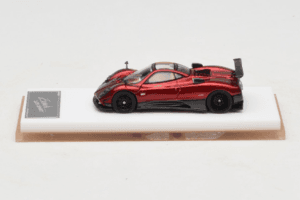
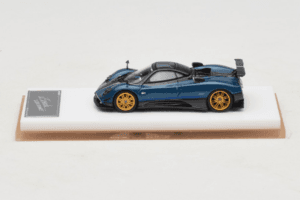
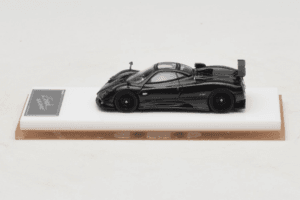
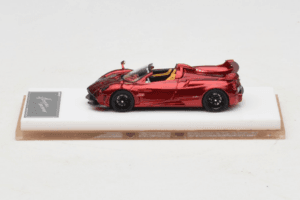
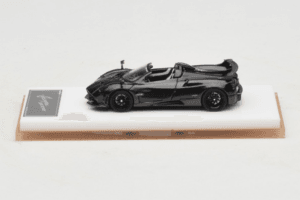
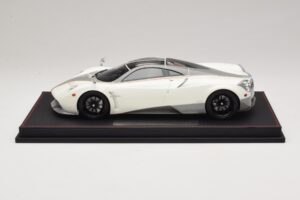

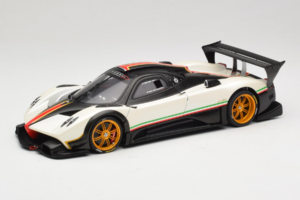
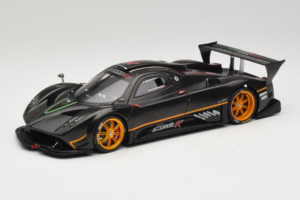
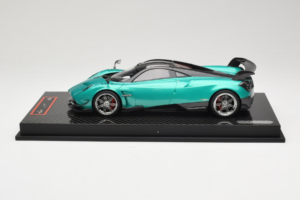
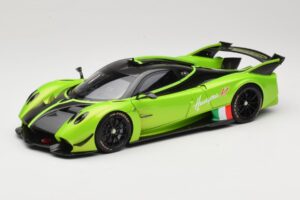
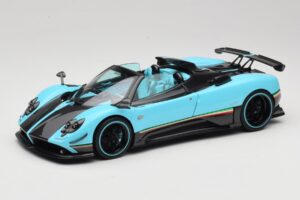


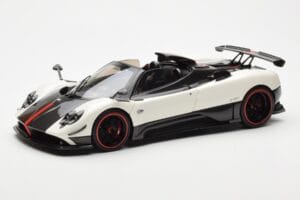
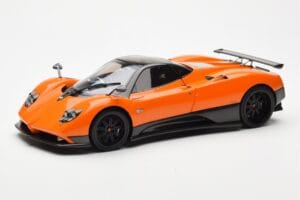
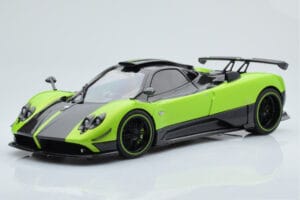
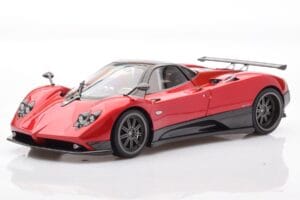
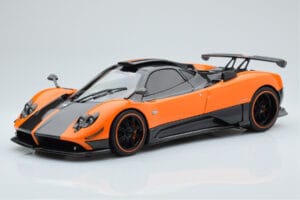
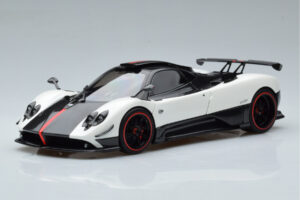

TL;DR: Pagani scale models cover the Zonda and Huayra hypercar generations plus track special variants, in 1:18 and 1:64 resin and diecast. Almost Real, AUTOart, AB and LCD each cover different tiers, from sealed-resin precision to accessible diecast.
Pagani scale models face a demanding brief: reproducing bodywork built around exposed carbon-fibre weave and quadruple exhaust tips that a generic hypercar casting cannot fake. Founder Horacio Pagani's fusion of art and engineering gives the marque a design language that rewards close inspection at any scale.
Almost Real's sealed-resin approach favours surface precision, well suited to reproducing Pagani's compound-curved bodywork and exposed carbon weave without the panel-gap compromises that opening features introduce. AUTOart brings diecast engineering to the marque, balancing opening doors and engine bay detail with the accuracy Pagani's design demands. AB and LCD extend the range at other price points, including compact 1:64 coverage for collectors building broader hypercar displays.
Pagani's signature exposed carbon weave and intricate exhaust clusters are precisely the details that separate a convincing model from a generic supercar shape. Resin specialists tend to reproduce the weave texture and multi-pipe exhausts with sharper definition than diecast can achieve at the same price point, which is part of why this marque skews toward sealed-body construction at the upper tiers.
Given the marque's relatively small production numbers at full scale, a Pagani collection naturally stays compact and hero-piece focused rather than comprehensive. 1:18 suits a single standout Zonda or Huayra as a display centrepiece, while 1:64 offers an accessible way to represent the marque's variety within a wider hypercar shelf.
The exposed carbon-fibre weave and complex multi-pipe exhaust clusters demand fine surface definition that sealed resin construction generally reproduces more sharply than diecast at the same price point.
The Zonda was Pagani's original hypercar from the late 1990s, while the Huayra followed in the 2010s with a more refined design and active aerodynamic elements, giving collectors two distinct design generations to pursue.
Resin suits collectors prioritising surface and carbon-weave precision on a sealed hero piece, while diecast from manufacturers like AUTOart offers opening features for those who want interactive display detail.
Yes, particularly for collectors building a broader hypercar shelf. It offers accessible representation of the marque's variety, though fine carbon-weave and exhaust detail read best at 1:18.