


Last one
Used
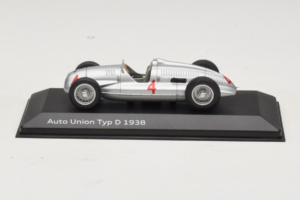
Auto Union’s pre-war Silver Arrows remain some of the most technically radical grand prix cars ever built, their rear-mounted engines decades ahead of convention. This category gathers the manufacturers who have reproduced that era faithfully, from hand-built CMC replicas to more accessible diecast alternatives.
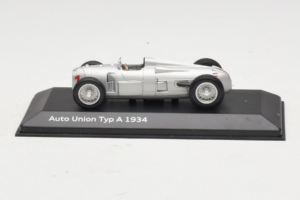
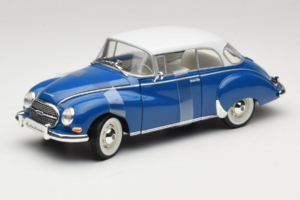
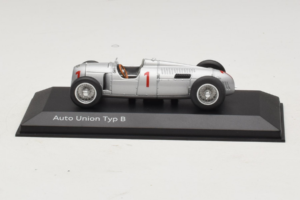
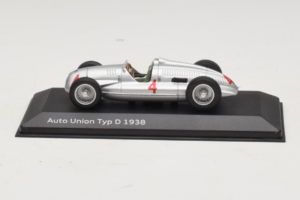
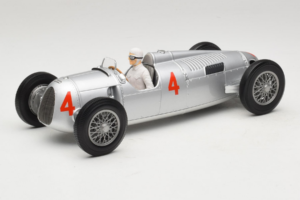
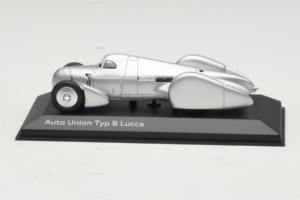
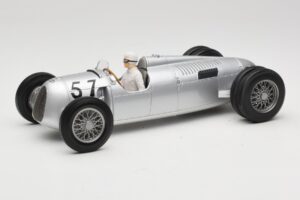

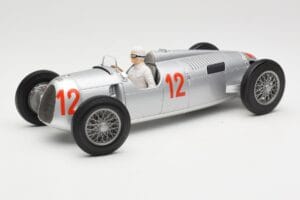
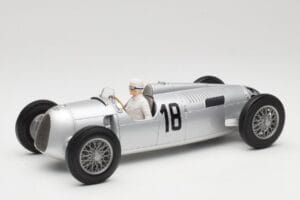
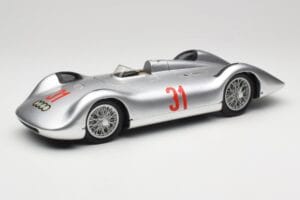
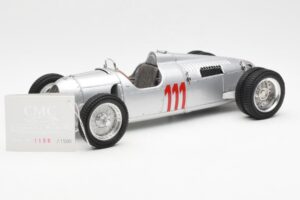
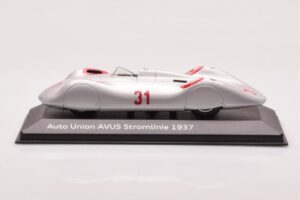
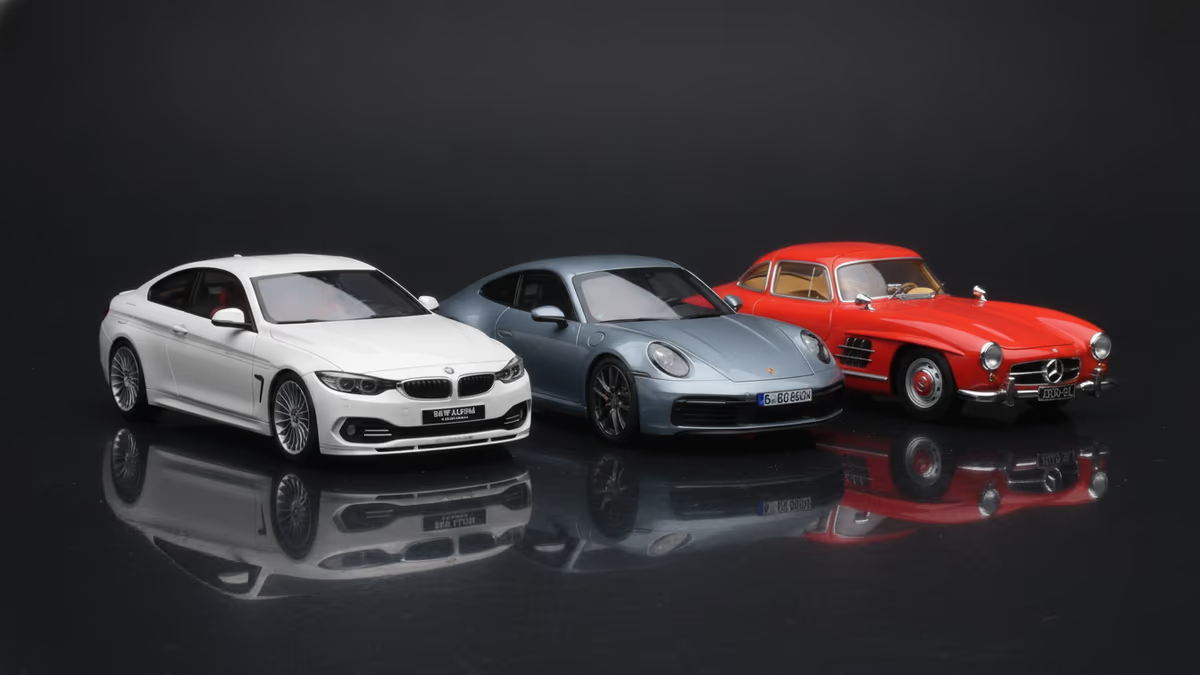
TL;DR: Auto Union scale models from CMC, Minichamps and Revell recreate the pre-war Silver Arrow grand prix racers and hillclimb specials in 1:18 and 1:43 diecast, covering the marque's brief but technically radical Pre-War and early 1950s racing history.
Auto Union scale models document one of motorsport's most technically daring chapters. The Silver Arrow grand prix cars of the 1930s placed their engines behind the driver at a time when every rival ran conventional front-engined layouts, and that engineering gamble still gives these subjects genuine significance on a collector's shelf.
CMC brings its hand-finished approach to Auto Union's grand prix racers, treating the rear-engined layout and period bodywork with the panel-line precision the marque's engineering significance deserves. Minichamps offers a more accessible route into the same subjects in 1:18 and 1:43, while Revell has historically produced Auto Union subjects at a further accessible price point, useful for a first purchase before stepping up to CMC's more detailed work.
A faithful Auto Union reproduction needs to communicate that unconventional layout clearly, since the visual rear weight bias is part of what made these cars historically significant, distinct from the front-engined Mercedes rivals of the same era.
Beyond pure grand prix racing, this category also touches Hillclimb and Special Events coverage, reflecting how these cars were campaigned across multiple disciplines during their short but intense competitive life.
Auto Union's grand prix programme ran alongside its great rival of the period, and building a collection that places both marques side by side captures the genuine engineering rivalry that defined pre-war grand prix racing.
Auto Union's competitive story is brief by modern standards, running through the Pre-War years into the early 1950s, but its engineering influence on later rear and mid-engined racing cars gives it lasting relevance. That short subject window makes a complete Auto Union shelf a genuinely achievable goal for a dedicated collector, unlike marques with decades of continuous production to track.
They placed the engine behind the driver at a time when every grand prix rival used a conventional front-engined layout, a genuinely radical decision for the 1930s that influenced later racing car design decades ahead of its time.
CMC's hand-finished approach gives the most detailed reproduction of the Silver Arrow's rear-engined layout and period bodywork, though Minichamps offers a strong, more accessible alternative in the same subjects.
1:18 shows the unconventional rear-engined layout most clearly and suits a hero-piece display, while 1:43 allows a broader run of grand prix and hillclimb variants within limited shelf space.
Because the marque's competitive era was short, spanning the Pre-War years into the early 1950s, a dedicated collector can realistically pursue a near-complete run of its most significant grand prix and hillclimb subjects.