


New arrival
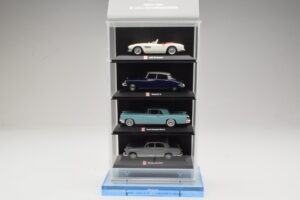
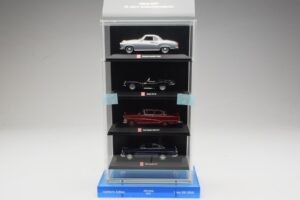
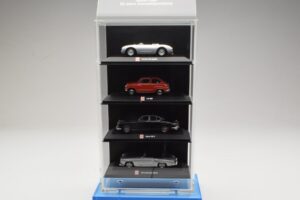
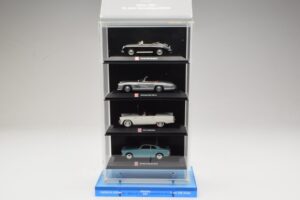
Auto Bild Modelcar Set 2006 Minichamps 1:43
Price:
£122.00
Auto Bild diecast models are 1:43 Minichamps pieces produced in partnership with one of Germany’s best-known car magazines, covering special edition and one-off subjects from the 2000s rather than a single marque’s history. The category suits collectors drawn to promotional history and unusual subjects, offering a distinctive addition to any broader German motoring shelf.
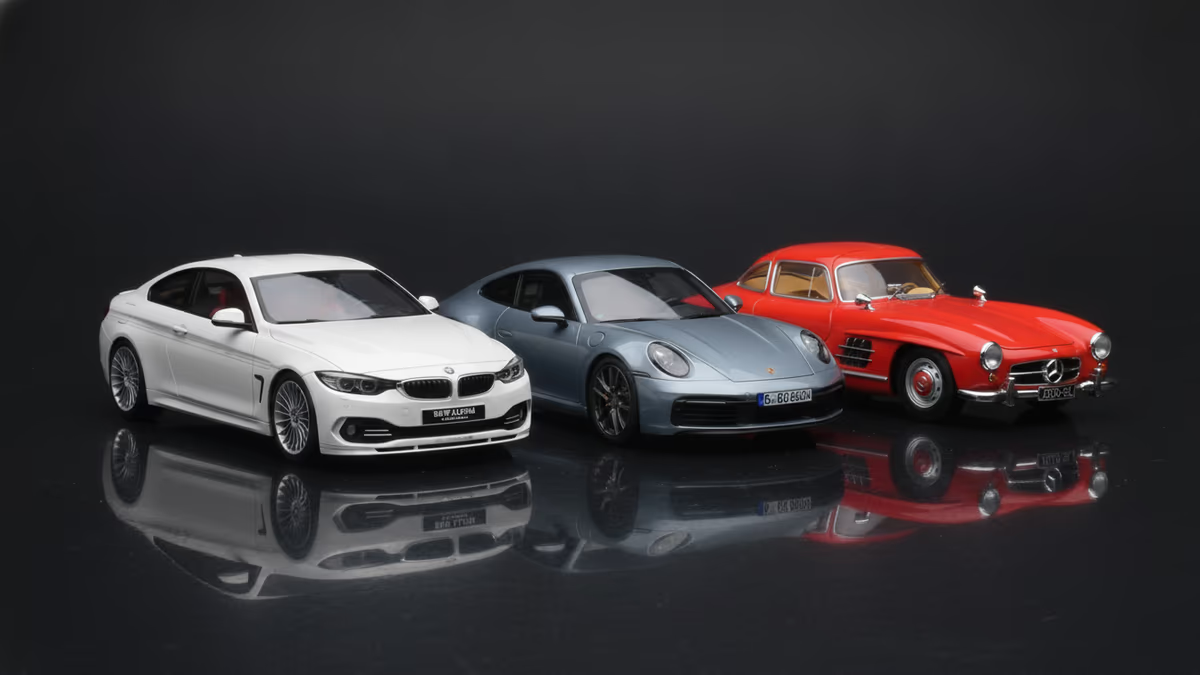
TL;DR: Auto Bild diecast models are 1:43 scale Minichamps replicas produced in partnership with Germany's leading car magazine, covering special edition and one-off subjects from the 2000s rather than a single marque. The category rewards collectors drawn to promotional history and unusual subjects beyond standard production ranges.
Most brand categories in scale model collecting trace a single marque's history. Auto Bild breaks that pattern: it is a magazine, not a vehicle manufacturer, and its diecast tie-ins document a publishing house's relationship with the German motoring scene rather than one manufacturer's model range. Minichamps built the 1:43 programme around special edition and one-off subjects commissioned through the 2000s, giving readers-turned-collectors a way to own a piece of the magazine's own history alongside their marque-specific shelves.
Auto Bild has been one of Germany's best-known weekly car magazines for decades, reporting on new launches, road tests and the classic car scene around them. At some point the title moved from writing about cars to putting its own name on them, partnering with Minichamps to issue small-batch 1:43 diecast tied to reader offers, anniversary campaigns and one-off promotional subjects. That makes this category unlike almost anything else on a collector's shelf: it is not organised around a marque's lineage or a manufacturer's production run, but around a publishing brand's relationship with the hobby. Collectors who pursue it tend to be drawn less by badge loyalty and more by the novelty of each subject and the promotional history it represents. The category sits alongside marque-specific collections without competing with them, since its appeal is historical curiosity more than lineage completism. For anyone assembling a broader German motoring library, an Auto Bild piece works as a footnote to the bigger collection rather than its spine.
Minichamps is best known among 1:43 collectors for tight panel lines, crisp tampo printing and interiors that hold up under close inspection, and the Auto Bild range is built to a comparable standard. Judge any release the way a diecast specialist would: check paint depth under a raking light, look for consistent shut lines around bonnet and boot, and see whether wheels and glazing sit flush rather than proud of the bodywork. Because the range covers special and one-off subjects rather than a repeated production line, finish quality varies release to release more than within a single marque catalogue, so handling each piece on its own merits matters more here than trusting a fixed reputation. Mid-range pricing is typical for the format, sitting above mass-market diecast but below hand-built resin specialists, reflecting diecast construction and moderate run sizes rather than any special-edition premium. A collector new to the category does well to treat each release as an individual purchase decision using the fidelity checks that apply to any 1:43 diecast.
1:43 is the default scale for this kind of promotional diecast, and the reasons are practical rather than sentimental. At roughly nine to eleven centimetres depending on subject, a 1:43 model is compact enough to post as a magazine promotion or reader gift without heavy packaging costs, while still carrying enough surface area for decent paintwork and tampo detail. Diecast construction brings the durability a promotional item needs to survive years of handling, keeping unit costs down across a print run aimed at a readership rather than a specialist collector base. A typical release includes:
The trade-off is the usual one at this scale: interior detail and opening features are limited compared with 1:18, and a collector examining panel gaps needs to get close rather than relying on an arm's-length view. Anyone used to 1:18 marque collecting will notice the scale shift immediately, but it suits what this range sets out to do.
The vehicle class recorded against this collection is Special and Unique Models, and that label fits the reality of a magazine tie-in. Rather than following one marque through its generations, the range gathers whatever subject suited a particular campaign: a reader-competition prize car, a one-off liveried subject tied to an editorial feature, or an anniversary release marking a milestone for the magazine itself. The 2000s era placement reflects when this partnership between publication and manufacturer was most active, a period when print magazines still commanded large readerships and diecast tie-ins were a viable promotional tool. Collecting chronologically is less useful than collecting thematically here, since the subjects do not form a lineage the way a marque's model history does. Some collectors treat each piece as a snapshot of what the magazine considered newsworthy at the time, giving the shelf a documentary quality a standard brand collection lacks.
A small run of 1:43 special editions displays well on a single narrow shelf, and keeping the original packaging insert helps explain to visitors why an odd assortment of unrelated vehicles sits together. Keep the group away from direct sunlight, since UV exposure fades printed graphics and dulls gloss over years of display. Dust settles into fine tampo lines the same way it would on any 1:43 piece, so a soft brush rather than a cloth keeps detail crisp without smearing printed logos. Because these models were often produced as promotional items rather than premium collectibles, original boxes and certificates carry more relative importance here, preserving both the story and the resale context of each piece. Many collectors group the range by theme or campaign rather than chronology, mirroring how the models were actually issued.
Starting an Auto Bild collection works best as a deliberate decision, since the category will never offer the completism of a marque range with a defined start and end point. Set a scope early: some collectors chase every release from a specific campaign period, others pick up pieces opportunistically alongside other German diecast at a fair or online listing. Because the Minichamps standard applies across the range, quality risk is lower than with unfamiliar promotional diecast from less established sources, making the category a reasonably safe way to diversify a shelf. Pairing a piece with the marque model it depicts, where the subject overlaps a collector's existing interest, adds context the piece alone does not carry. Treating this category as a supporting cast rather than a headline act keeps expectations realistic and the collecting experience satisfying.
They are organised around a publishing brand's promotional history rather than a manufacturer's model lineage. Subjects vary by campaign or anniversary instead of following one marque's generations, which gives the category a documentary quality standard brand collections do not share.
The range is produced in 1:43 diecast by Minichamps, a compact scale chosen originally for affordable production and postage as a magazine promotion, while still carrying enough surface area for decent paint and printed detail.
Within this collection, Minichamps supplies the assortment, applying its usual 1:43 diecast standard across the special edition and one-off subjects issued through the magazine's various campaigns and anniversaries.
Treat it as a supporting theme rather than a primary collection, picking up pieces opportunistically or from a specific campaign period, and pairing releases with related marque models where the subjects overlap for added context.