{"ajaxurl":"https:\/\/models118.co.uk\/wp-admin\/admin-ajax.php","nonce":"40459cb95a","homeUrl":"https:\/\/models118.co.uk\/","shopUrl":"https:\/\/models118.co.uk\/shop\/","collectionLimit":12,"i18n":{"addedToCart":"Added to cart","addedToWishlist":"Added to wishlist","removedFromWishlist":"Removed from wishlist","error":"Something went wrong","loading":"Loading...","outOfStock":"Out of stock","viewCart":"View cart","addedToCollection":"Added to Collection","reserved":"Reserved!","invalidEmail":"Please enter a valid email address","connectionError":"Connection error. Please try again."},"stats":{"models":552,"brands":31,"makers":11,"collectors":10000}}
<h1>Tuner Specials - Performance Tuning House Editions</h1>
<p>Tuning house models represent the pinnacle of specialist performance engineering, from Nismo and HKS to AMG and Brabus. Covering Japanese tuning legends and European performance specialists across 1:18, 1:43, and 1:64 scales from Kyosho, AutoArt, and Ignition Model for dedicated tuner collectors.</p>
Browse 4 Tuner Specials scale models — diecast and resin from leading manufacturers
What Tuner Specials model cars do you offer?
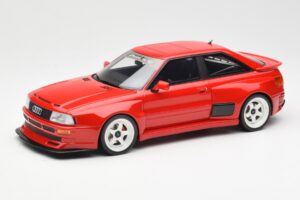
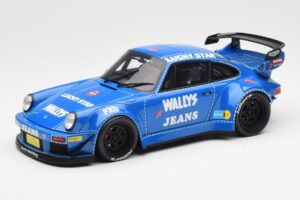
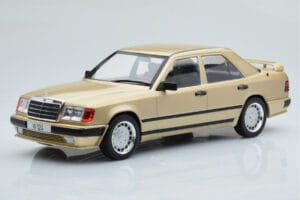
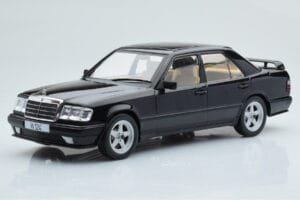
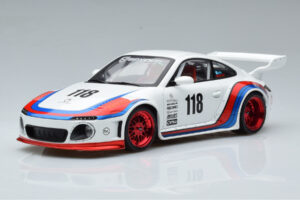
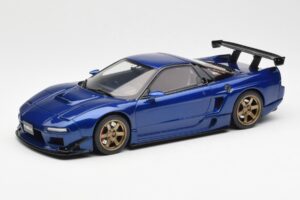
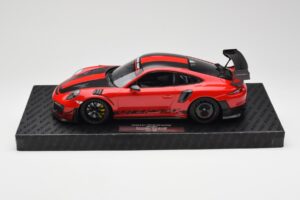
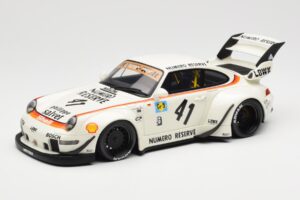
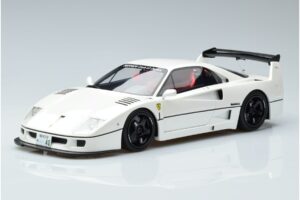
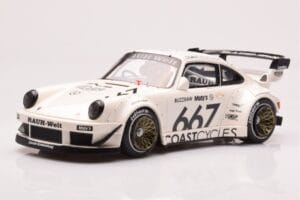
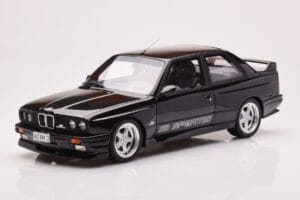
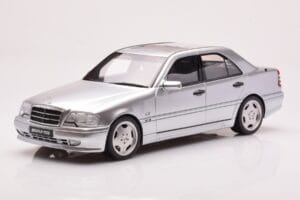
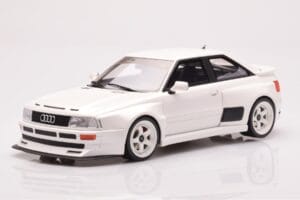
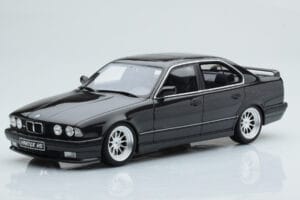
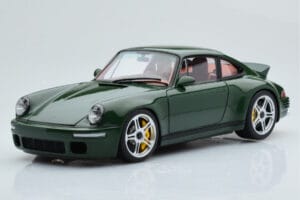
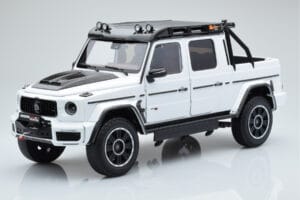
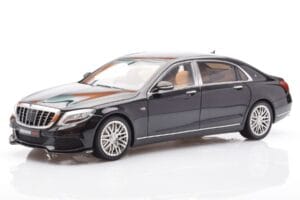
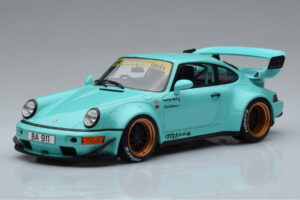
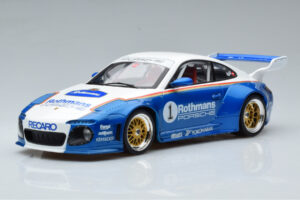
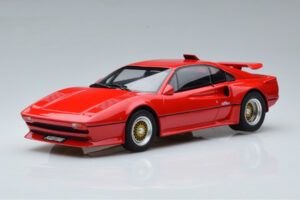
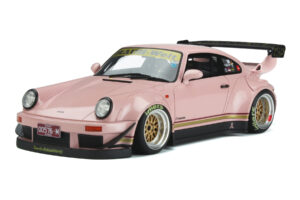
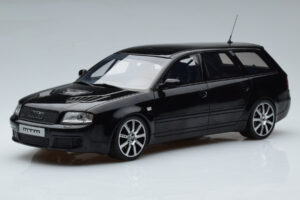
Our Tuner Specials collection features 4 diecast and resin scale models across all major scales and price ranges. Featured brands: Audi, Honda, Porsche. New arrivals added regularly.
Which manufacturers make Tuner Specials models?
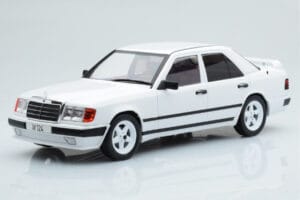
Tuner Specials models are produced by GT Spirit, Otto, among others. Each manufacturer brings different strengths — from budget-friendly diecast to hand-finished resin limited editions.
What scales are available for Tuner Specials model cars?
Tuner Specials models are available in 1:18. The 1:18 scale (25-28 cm) offers the most detail; 1:43 is compact and ideal for larger collections.
Are Tuner Specials diecast models collectible?
Tuner Specials models are among the most sought-after in the hobby. Limited resin editions (under 3,000 pieces) appreciate after selling out. Key factors: production run size, manufacturer reputation, and the car's status among enthusiasts.
How to choose the best Tuner Specials model car?
For Tuner Specials models, choose your scale first — 1:18 for display impact, 1:43 for variety. Then compare materials: diecast for hands-on handling, resin for sharper detail. Solido and Norev for value, AUTOart for premium with opening parts.
Are Tuner Specials model cars good gifts for car enthusiasts?
Tuner Specials diecast models make memorable gifts for car enthusiasts. Choose 1:18 scale for maximum visual impact on the shelf. Look for models with opening parts for interactive display. Norev and Solido offer gift-ready quality in branded manufacturer packaging.
How are model cars shipped?
5-layer packing: original box, bubble wrap, foam inserts, reinforced carton, FRAGILE markings. All shipments tracked and insured. Damage rate under 0.1%.
Do you offer returns?
14-day returns on unused items in original packaging. Defective or damaged in transit? Free replacement — contact us with photos within 48 hours.
<p>Performance tuner replicas preserve the engineering achievements of specialist modification houses that transformed production vehicles into limited-edition performance machines, capturing the work of companies who built their reputations through motorsport success, engineering innovation, and the ability to extract performance beyond what mainstream manufacturers would risk. From Nissan's in-house Nismo division to independent specialists like HKS, Brabus, and RUF, these replicas document the alternative automotive industry where small-volume specialists delivered exclusive performance that mass production couldn't accommodate, creating collecting appeal rooted in rarity, engineering extremes, and the specialist knowledge that separates genuine tuning house editions from cosmetic trim packages.</p><h2>Japanese Tuning House Heritage and Specialist Engineering</h2>
<p>Nismo, Nissan Motorsport International, represents the factory-backed tuning house that transformed GT-R models into even more focused performance machines through decades of racing-derived expertise. The Nismo 400R, built in 1996 using R33 GT-R as its foundation, exemplified Nismo's engineering ambition by enlarging the RB26DETT to 2.8 liters, fitting larger turbochargers, and comprehensively reworking suspension and aerodynamics to create a 400PS machine that cost more than twice the standard GT-R's price. Only 44 examples left Nismo's Omori Factory, making replicas of this rare specification particularly valuable to collectors documenting GT-R's ultimate expression. Modern Nismo editions continue this tradition with GT-R NISMO variants that apply motorsport-derived aerodynamics, carbon fiber construction, and track-focused suspension tuning that positions them as Nissan's halo offerings.</p>
<p>HKS built tuning house reputation through drag racing dominance and the development of aftermarket turbocharger systems that became industry standards, with their signature blue and silver livery visible on modified Skylines, Supras, and Evos that achieved magazine-feature status through their performance achievements. HKS's Zero-R Skyline GT-R represented their flagship demonstration vehicle, a comprehensively modified R34 that showcased the company's turbocharged engineering expertise and served as rolling advertisement for their product line. Replicas of HKS demonstration vehicles capture specific builds that influenced tuner culture, with accurate livery reproduction and the visual cues—intercooler sizing, exhaust configurations, wheel selections—that marked these machines as serious performance projects rather than cosmetic exercises.</p>
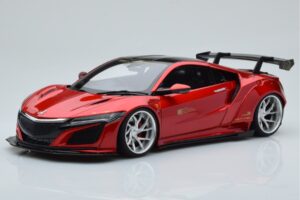
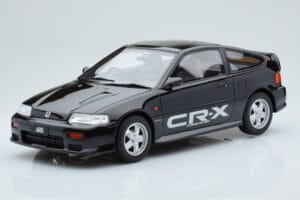
<p>Mugen, founded by Hirotoshi Honda, brought racing-derived expertise to Honda modification with naturally aspirated engine development that emphasized throttle response and high-RPM power delivery over turbocharged torque. Mugen NSX variants, Civic Type R editions, and Integra Type R developments demonstrated the tuning house's philosophy of extracting performance through precision rather than forced induction, with replicas capturing the subtler visual modifications—refined aerodynamics, lightweight wheel designs, minimal badging—that distinguished Mugen philosophy from more visually aggressive tuning approaches. The Mugen RR Civic Type R represented their most extreme road-going offering, with weight reduction and suspension geometry changes creating track-focused capability that maintained Honda's naturally aspirated performance tradition.</p>
<p>TRD, Toyota Racing Development, applied decades of motorsport expertise to Supra, MR2, and Celica development with supercharger kits, chassis reinforcement packages, and aerodynamic additions validated through competition experience. TRD 3000GT Supra variants and TRD2000GT MR2 turbocharged editions represented factory-backed performance upgrades that maintained warranty coverage while delivering significant power increases, creating a middle ground between standard specification and full aftermarket modification. Replicas document TRD's approach of engineered performance upgrades that emphasized reliability alongside power gains, showing the specialist's understanding that daily-driven performance required durability that race-only applications could sacrifice.</p>
<p>STI, Subaru Tecnica International, transformed Impreza models through rally-derived modifications that included close-ratio gearboxes, mechanical limited-slip differentials, and comprehensive chassis strengthening that brought WRC technology to road applications. The 22B STI represented their ultimate expression, a widebody Impreza built in limited numbers to celebrate Subaru's constructor championship success, with its flared arches and unique bodywork making it instantly recognizable in replica form. Modern STI variants continue this heritage with track-focused Impreza and WRX editions that apply motorsport-derived suspension geometry and aerodynamic development from Subaru's continued rally involvement.</p><h2>European Performance Specialists and Factory Tuning Houses</h2>
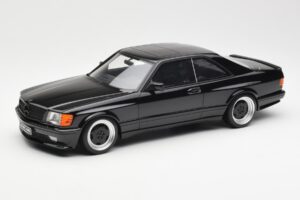
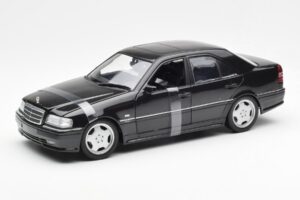
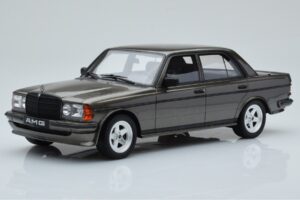
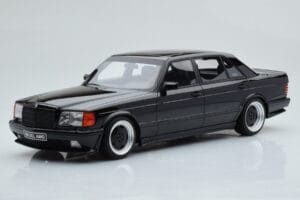
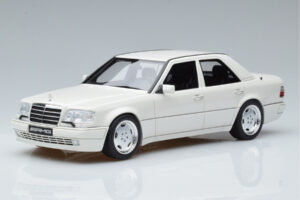
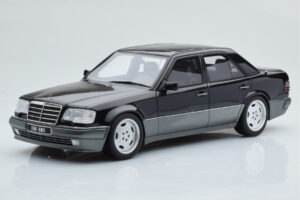
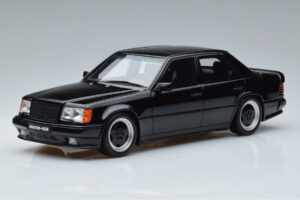
<p>AMG transformed from independent Mercedes-Benz tuning specialist to factory performance division, with its history documenting the evolution from small-volume modifier to mainstream manufacturer's in-house performance arm. Early independent-era AMG models like the 300E 6.0 "Hammer" represented the tuning house at its most extreme, fitting massive V8 engines into E-Class sedans to create autobahn weapons that embarrassed contemporary supercars in straight-line performance. The transition to factory integration brought Black Series variants that applied motorsport-derived engineering to create track-focused editions of AMG's core models, from SLK55 Black through to GT Black Series, with aggressive aerodynamics, weight reduction through carbon fiber construction, and power outputs pushing 700+ horsepower creating collecting appeal through their status as AMG's ultimate expression of each model generation.</p>
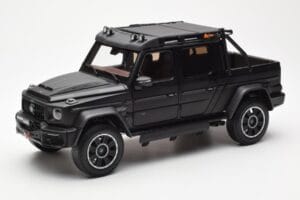
<p>Brabus represents independent Mercedes modification at its most extreme, with engine upgrades reaching beyond what factory AMG development would accommodate and luxury appointments that position Brabus conversions in ultra-premium territory. Brabus Rocket models achieving 350+ km/h top speeds demonstrate the tuner's commitment to engineering extremes, while comprehensive interior refinishing and bespoke luxury touches create vehicles positioned above standard Mercedes pricing by significant margins. Replicas capture Brabus's distinctive styling—Monoblock wheels, aggressive bodykit proportions, subtle badging—that signals their specialist intervention, with black-and-red livery schemes on demonstration vehicles becoming particularly recognizable in collecting circles.</p>
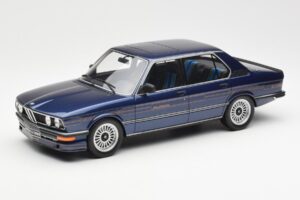
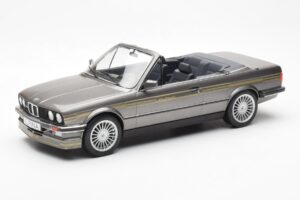
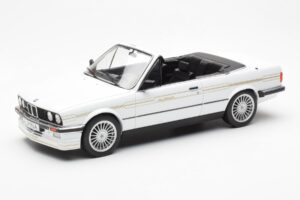
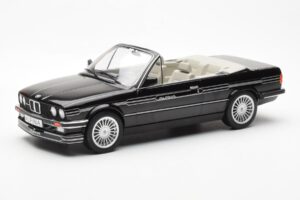
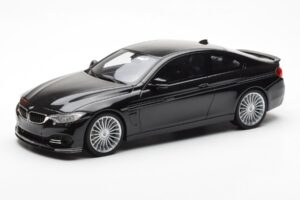
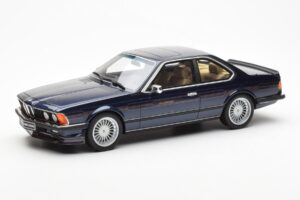
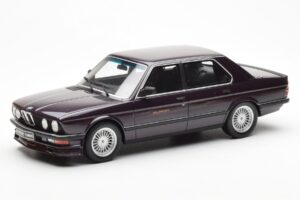
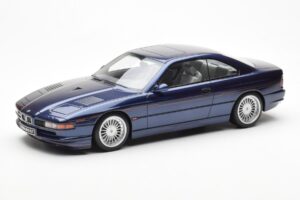
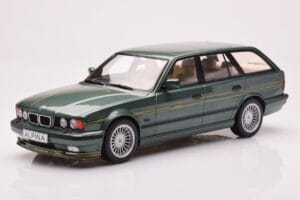
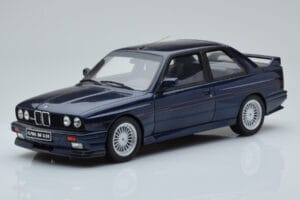
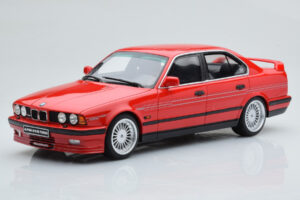
<p>Alpina maintains its position as BMW's officially recognized tuning partner through decades of refined performance upgrades that emphasize grand touring capability over outright track performance, with turbocharger development, suspension refinement, and luxury interior appointments creating alternatives to M Division's more aggressive approach. Alpina B7 and B5 variants deliver V8 performance with noise and ride quality characteristics suited to long-distance comfort, while classic Alpina E21 and E30 models from the 1970s and 1980s represent the tuning house's early work transforming BMW sedans into autobahn express machines. The distinctive Alpina pinstripe graphics and their classic twenty-spoke alloy wheels make these conversions instantly identifiable in replica form.</p>
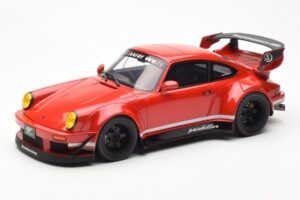
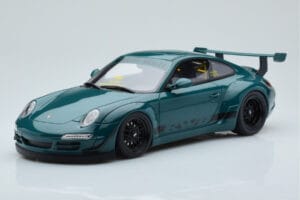
<p>RUF occupies unique territory as Porsche modifier and independent manufacturer, with their complete vehicle production allowing RUF to avoid classification as merely a tuning house while their work focuses almost exclusively on Porsche platforms. The CTR "Yellowbird" achieved legendary status through 1987 performance testing that recorded 340+ km/h speeds, making it the world's fastest production car at the time and cementing RUF's reputation for extracting extreme performance from air-cooled 911 foundations. Modern RUF models continue this tradition with comprehensive engine rebuilding, chassis modifications, and aerodynamic development that creates vehicles distinct from Porsche's own GT and Turbo variants, commanding collecting interest through their rarity and the engineering expertise visible in their specification sheets.</p>
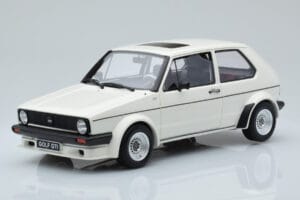
<p>ABT Sportsline brings Audi and Volkswagen Group modification expertise developed through touring car racing success, with power upgrades, suspension modifications, and aerodynamic packages that enhance VAG performance models from Audi RS variants to Volkswagen Golf R editions. ABT's motorsport participation in DTM and Formula E demonstrates the engineering depth behind their road car modifications, with replicas of ABT demonstration vehicles and racing machines documenting the tuner's competition heritage and its application to customer vehicle development.</p><h2>Collecting Strategy for Tuning House Editions</h2>
<p>Performance tuner collecting differs from standard model accumulation through the emphasis on specification accuracy and the rarity that defines many tuning house editions. Limited production numbers characterize specialist conversions, with vehicles like the Nismo 400R's 44-unit run or various Black Series AMG production limitations creating inherent collectibility that extends to their replica documentation. Collectors pursuing tuning house themes benefit from research into actual production specifications, as replicas that accurately capture rare color combinations, specific wheel designs, or period-correct modifications command particular interest from enthusiasts who understand these vehicles' significance within tuning culture.</p>
<p>Manufacturer selection becomes critical for tuner special collections due to the specialized knowledge required to replicate these vehicles accurately. Kyosho's relationship with Nissan provides access to Nismo specifications that inform their GT-R special edition replicas, while Ignition Model's Japanese manufacturing brings local expertise to HKS and other tuning house documentation. AutoArt covers European specialists with their AMG Black Series range showing attention to the aerodynamic details and carbon fiber components that define these ultimate variants. Otto Mobile's modified car focus includes specific tuner builds that achieved recognition through magazine features or motorsport success, providing documented examples of tuning house philosophy applied to customer vehicles.</p>
<p>Thematic organization suits tuner special collections particularly well, with approaches including single-tuner documentation showing one specialist's range across multiple platforms, platform-specific collections gathering all tuning house variants of individual models, or era-focused accumulation capturing the golden periods when specific tuners achieved their most significant work. A comprehensive Nismo collection might span R32, R33, and R34 GT-R special editions alongside Z-car variants and modern GT-R NISMO versions, documenting the tuning house's evolution across decades. Platform-specific approaches could gather all R34 GT-R tuning house variants—Nismo editions, HKS demonstration vehicles, Mine's specifications, Top Secret builds—showing the diversity of approaches different specialists took with the same foundation.</p>
<p>Scale choice influences collecting approach significantly in the tuner special category. The 1:18 format captures specification details that matter to enthusiasts who understand tuning house modifications—visible intercooler cores behind modified bumpers, brake caliper upgrades behind aftermarket wheels, carbon fiber component weaves, interior roll cage additions. These details justify premium pricing when accurately reproduced and create display pieces that reward examination by knowledgeable collectors. The 1:43 scale from Kyosho and Ignition Model balances specification detail with collection breadth, allowing comprehensive tuning house documentation while maintaining practical display requirements. The 1:64 format serves collectors building extensive tuner databases where the goal involves systematic coverage of multiple specialists across numerous platforms, with compact size enabling displays that show the full landscape of tuning house development across Japanese and European markets simultaneously.</p>