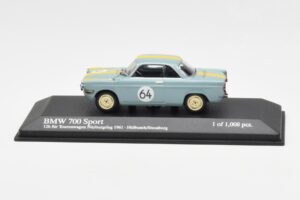
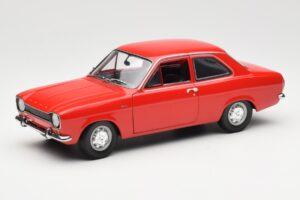
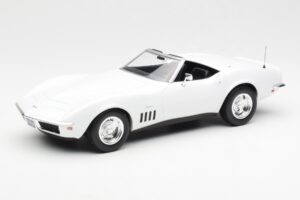
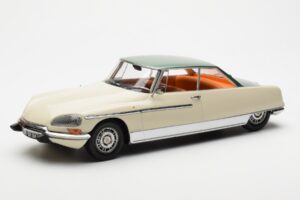
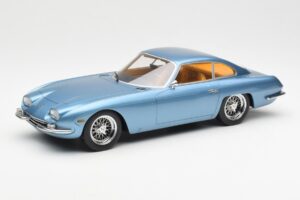
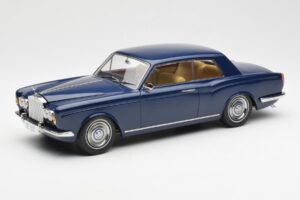
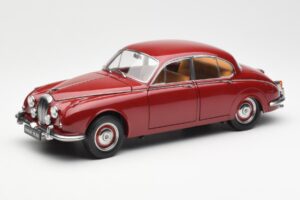
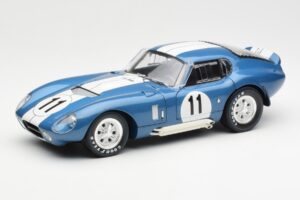
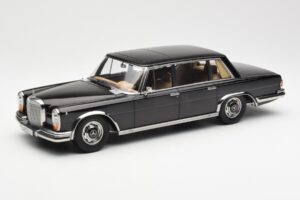
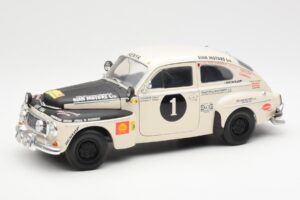
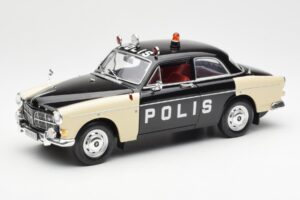
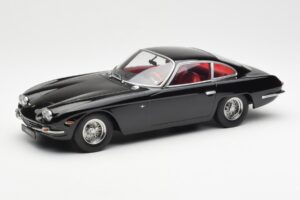
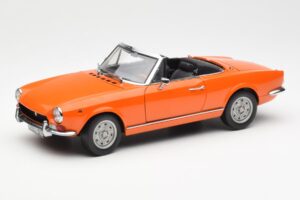
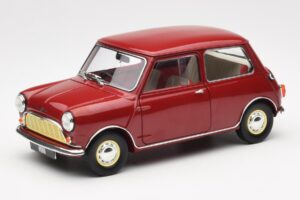
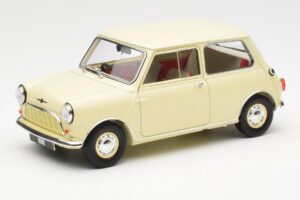
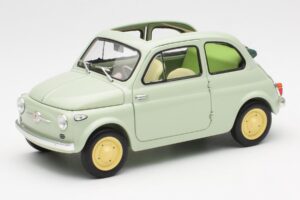
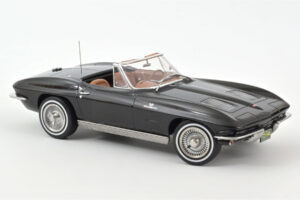
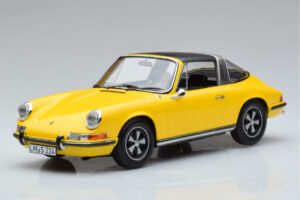
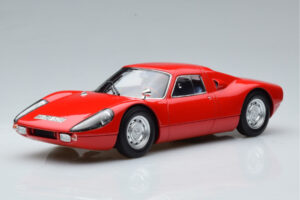
1960s Model Cars - Golden Age Road & Racing Icons

More about our models

Recreate the decade of E-Type glamour, Mini Cooper cheek and Le Mans rivalry with 1960s model cars in 1:18, 1:43 and 1:64 scale. From road-going icons to GT40s and early F1 machinery, this era is perfect for building a cohesive, period-correct display.

Shipping to:
United States (US)
Currency:
GBP
Prices include
VAT
Free shipping:
from 79€
Secure Checkout 14-Day Returns 4.8/5 rating
Secure Checkout
Free shipping from 79€
14-Day Returns

1960s Model Cars — Collector Replicas from the Era

8 models from the 1960s — diecast and resin replicas of the era's most collected cars

What 1960s model cars do you offer?

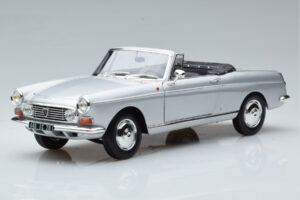
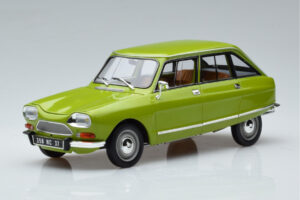
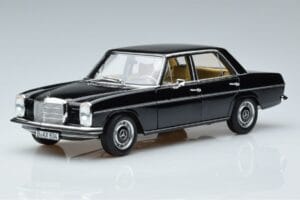
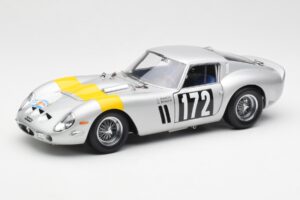
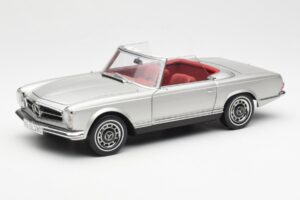
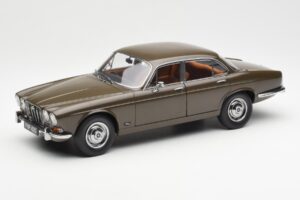
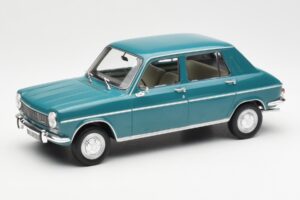
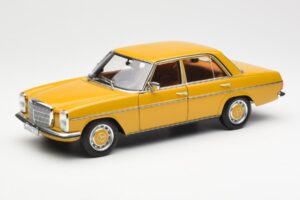
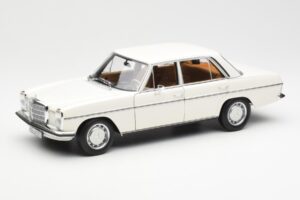
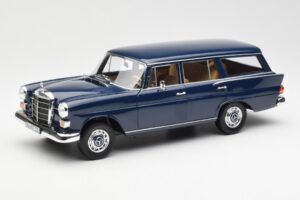
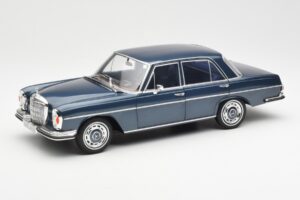
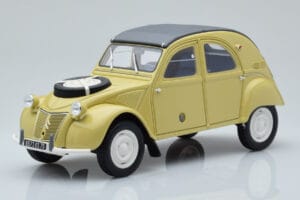
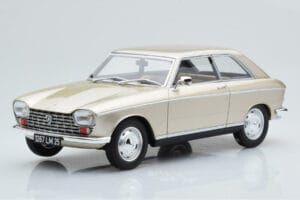
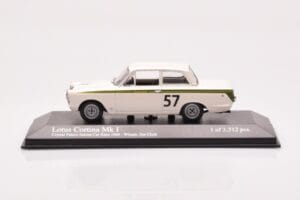
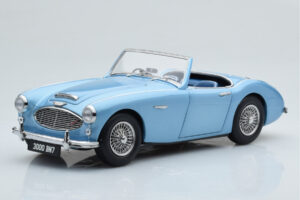
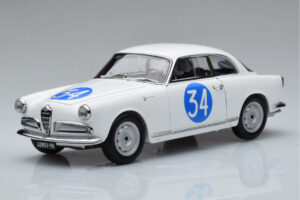
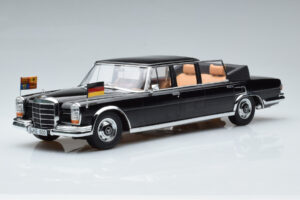
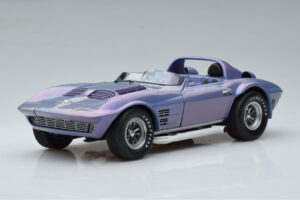
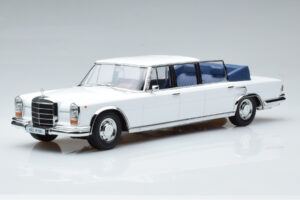
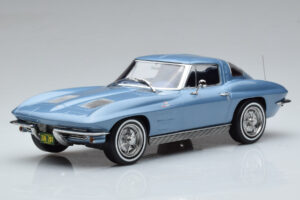
Our 1960s collection includes 8 scale replicas in diecast and resin — road cars, racing legends, and limited editions from the period. Featured marques: Citroen, Dodge, Jaguar, Lotus, Mercedes.

Which car brands define the 1960s?

The 1960s produced cars from Citroen, Dodge, Jaguar, Lotus, Mercedes — many now discontinued in model form and sought after by collectors. Browse by brand to find specific models from the period.

What are the most collectible 1960s car models?

The most sought-after 1960s replicas are limited-edition recreations of legendary road and race cars. Discontinued models in low production runs (under 1,000 pieces) appreciate fastest. Original packaging and certificates add value.

Which manufacturers produce 1960s model cars?

1960s car replicas are produced by AUTOart, GT Spirit, Norev. Diecast brands focus on accurate road cars; resin specialists recreate rare and limited variants unavailable elsewhere.

What scales are available for 1960s models?

1960s models are available in 1:18. The 1:18 scale captures period-correct details best — chrome trim, dashboard gauges, and engine bays authentic to the era.

Why do collectors love 1960s car models?

The 1960s produced some of the most iconic cars in automotive history — and model manufacturers capture that legacy in precise detail. Limited editions of legendary road and race cars from the period are highly sought after. Period-correct details make these models time capsules of automotive design.

How are model cars shipped?

5-layer packing: original box, bubble wrap, foam inserts, reinforced carton, FRAGILE markings. All shipments tracked and insured. Damage rate under 0.1%.

Do you offer returns?

14-day returns on unused items in original packaging. Defective or damaged in transit? Free replacement — contact us with photos within 48 hours.

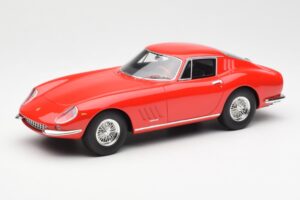
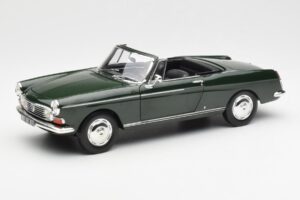
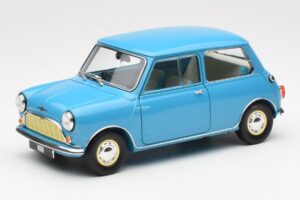
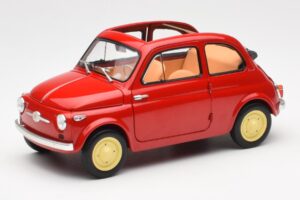
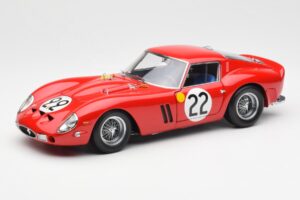
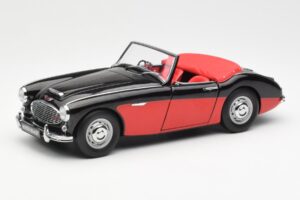
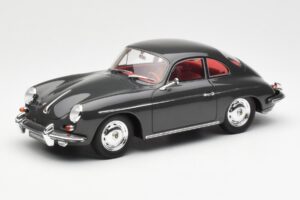
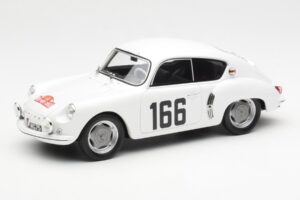
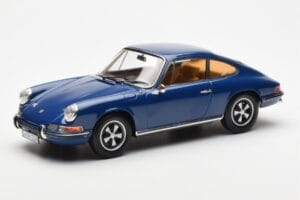
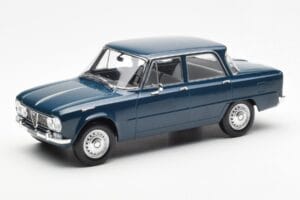
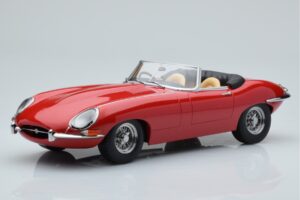
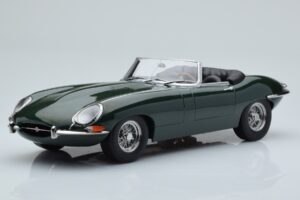
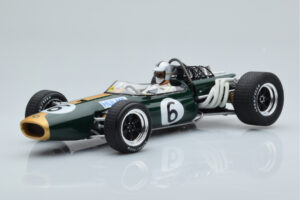
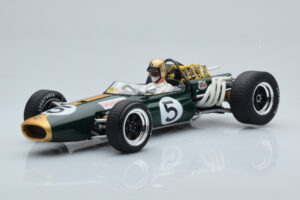
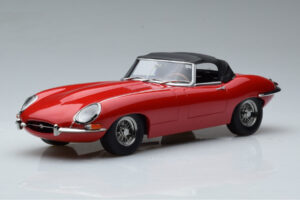
1960s model cars capture the moment motoring became modern: monocoque construction, disc brakes, and styling that shifted from chrome-heavy curves to purposeful, wind-cheating shapes. It is a decade that works brilliantly in miniature because the cars are instantly recognisable, yet still delicate—thin pillars, wire wheels, brightwork and interior detailing that reward a close look. For British collectors, the era means Jaguar E-Type glamour, Mini Cooper S character and Aston Martin DB5 sophistication; globally it also delivers the Ford GT40 and Ferrari prototypes that turned Le Mans into legend, plus Lotus and BRM machinery from a fiercely competitive Formula One paddock. In this category you can browse road and racing subjects across popular scales and finishes, then curate a display that feels unmistakably 'sixties'.1960s Model Cars and the Shape of the Decade Early-sixties cars still carry post-war optimism—two-tone paint, chromed bumpers and plenty of glass—whilst the latter half of the decade leans harder into performance. Wider tyres appear, wheel arches grow, and spoilers and vents start to look functional rather than decorative. Collectors often enjoy the contrast: you can place a tidy mid-sixties grand tourer beside a late-sixties homologation special and see how quickly priorities changed. This is also when the sports car moved from front-engined elegance towards mid-engined efficiency, a shift visible in everything from supercars to racing prototypes. A well-chosen row of 1960s pieces tells that story without needing a single information card.Because the original cars were slimmer and more lightly trimmed than later machines, strong replicas depend on proportion. Look for accurate ride height (many budget models sit too high), correctly sized wheels with period sidewalls, and crisp shut lines around bonnets and doors. On open-top sports cars, the windscreen frame and interior tonneau details matter as much as the body shape; on saloons, the grille texture and chrome strips define the character. Premium makers often use separate brightwork parts, photo-etched grilles and finely printed instrument dials, which helps a 1960s model avoid that toy-like feel even at smaller scales.The decade also lends itself to thematic collecting. Some collectors build a British motoring cabinet centred on sports cars and everyday heroes; others follow the international narrative of GT racing, endurance and the supercar dawn. There is also the cultural angle: the London of the swinging sixties, the rise of the motorway, and the Bond-era mix of style and technology. Choosing a theme first makes browsing far easier, especially when you are comparing different makers, scales and finishing approaches for the same iconic subject.Road-car icons: Britain, Europe and America Start with the home favourites and you could comfortably fill a shelf with 1960s British classic car models alone. The Jaguar E-Type remains a natural centrepiece, with its long bonnet and delicate chrome detailing; Aston Martin’s DB4/DB5/DB6 line brings a more tailored GT mood; and Lotus provides lightweight purity through the Elan and Europa. Then there are the cars that defined the High Street: the original Mini in sporting Cooper guise, the MGB and Triumph’s small sports cars, plus performance saloons such as the Jaguar Mk2. These subjects reward careful model making because their charm is in the details—wire wheels, wood veneers, toggle switches and period upholstery patterns.The appeal of sixties collecting is not limited to exotica. Many collectors enjoy adding ordinary period cars to give context: a family saloon, a police car, a dealership service van or a period taxi can make the display feel lived-in. British brands with strong heritage in UK subjects—Corgi and Oxford Diecast are familiar names here—often lean into period colours, number plates and accessories that suit a diorama approach. If you prefer a cleaner, museum-style presentation, the same decade works equally well as a line-up of pristine road cars, arranged by marque or by design theme (fastbacks, roadsters, or early hatchbacks). Either way, the 1960s are particularly good at evoking place and atmosphere.Beyond Britain, the 1960s produce some of the most collected shapes in motoring history. Ferrari’s 250 and 275 series represent the height of front-engined elegance before mid-engined road cars took over; Lamborghini’s Miura effectively defines what we now call the supercar; and Alfa Romeo’s Giulia-era saloons and coupes mix everyday usability with Italian verve. Germany’s contribution is equally significant, with the early Porsche 911/912 establishing a silhouette that is still current, and Mercedes’ Pagoda SL combining quality with understated style. Even American muscle has its place—early Mustangs, Camaros and Corvettes bring a different stance and colour palette that contrasts well with European restraint. A decade-wide collection becomes richer when you let these national characters sit side by side.Road cars are where scale choice becomes personal. 1960s 1:18 model cars make wonderful focal points because the proportions are generous enough to show chrome trim, grille textures and period interiors properly; at this size, opening doors and bonnets can add genuine value when done well. In 1:43 scale you can build breadth—an entire showroom’s worth of British, Italian and German icons without taking over the living room. Accessible makers such as Solido, Norev and Corgi tend to offer excellent value for building the bones of a collection, whilst premium names like AUTOart, Kyosho, CMC and Amalgam focus on finer assembly, paint depth and more faithful detailing. Mixing tiers is common: use the best model you can justify for the car you care about most, and fill out the decade around it.Motorsport in miniature: Le Mans, F1 and rally stages If your interest leans towards competition, the sixties are arguably the richest decade for 1960s racing model cars. Endurance racing in particular delivers drama and unmistakable silhouettes: the Ford GT40 programme’s showdown with Ferrari, the brutal beauty of Ferrari’s P-series prototypes, and a supporting cast of Porsche, Lola and Chaparral machinery that looks purpose-built and slightly audacious. These models often live in 1:43 scale because it allows collectors to recreate a Le Mans grid, but larger hero versions in 1:18 suit the key winners and personal favourites. When choosing endurance replicas, livery accuracy matters—correct roundels, race numbers, sponsor placement and period headlamp covers can make the difference between a generic GT40 and a specific, historically grounded car.Formula One in the 1960s offers a different kind of visual appeal: exposed suspension, narrow tyres, driver figures in open cockpits and the technical turning points that shaped modern grand prix racing. The Lotus 25’s monocoque chassis and the Lotus 49’s Cosworth DFV era are not just trivia; they change the stance and packaging of the cars in a way that a good model should capture. British teams are central—Lotus, Brabham, BRM and Cooper—and so are British circuits, with Silverstone and Brands Hatch becoming part of the sport’s rhythm. Collectors often look for accurate wheel spoke patterns, correct exhaust routing and a convincing cockpit finish, because these cars reveal their details rather than hiding them under bodywork.Rallying and touring cars add yet another flavour, and they dovetail neatly with British road-car collecting. The Mini Cooper S at Monte Carlo, the Lotus Cortina in touring trim, and late-decade Escorts and Alpine A110s bring spot lamps, number boards, mudflaps and a more used visual language. These models suit collectors who enjoy liveries with a sense of place—snowbanks, gravel stages and night rally scenes—without needing the outright exotica of prototypes. In smaller scales you can create an entire event tableau; in larger scales, a single rally Mini with auxiliary lamps and correct decals can hold its own as a display piece.A satisfying motorsport shelf usually starts with a decision about scope. Some collectors follow one marque (a Ford vs Ferrari line), others focus on a single event year, and others build a representative best-of selection across endurance, F1 and rallying. Consistency helps: keeping one scale for a given theme makes the display look intentional, and it simplifies choices when you are comparing different manufacturers’ interpretations of the same car. It is also worth paying attention to base presentation—some models arrive with plinths or display cases, and they are particularly useful for race cars where delicate mirrors, aerials and photo-etched parts are easy to catch when dusting.Choosing scale, maker and finish for a period-correct collection Collectors often talk about the 1960s as if it were a single aesthetic, but the way you experience it depends on scale. In 1:18 you get weight, presence and the ability to study the fine points of a car’s design—dashboard switchgear, seat pleats, the curve of an E-Type’s bonnet bulge. It is a natural choice for one or two centrepieces per marque, especially if you enjoy opening features. In 1:43 the emphasis shifts to curation: you can represent a whole decade of Porsche 911 evolution or a run of Le Mans winners on one shelf. 1:64 works for desk displays and for collectors who want variety, but still like the discipline of a single era.Material and construction also affect the feel of the model. Traditional diecast models have satisfying heft and often include opening panels, making them appealing for road cars with intricate interiors. Resin models are usually sealed, but they can achieve sharper edges, thinner pillars and more consistent shut lines—useful for 1960s cars where delicacy is part of the charm. Paint finish matters in this era: solid colours should look deep rather than plastic, metallics should be fine-grained, and chrome trim should be cleanly applied without overspray. For race cars, look for crisp tampo printing and decals that sit flat over curves, especially around wheel arches and bonnet vents.The manufacturer landscape is broad, and it helps to know what each type of maker tends to prioritise. Heritage names such as Corgi often capture the nostalgia and cultural side of the sixties, whilst Oxford Diecast is well known in the UK for everyday vehicles that anchor a period scene. Solido and Norev can be excellent for building a larger decade-spanning collection without turning it into an investment project. Minichamps has long been a reference point for breadth across road and motorsport subjects, whilst Spark is particularly respected for endurance racing detail and accurate event-specific liveries. At the premium end, AUTOart and Kyosho focus on refinement and engineering in diecast, CMC specialises in intricate classic detailing such as wire wheels and metalwork, and Amalgam sits in the museum-grade bracket for those who want a handful of truly statement pieces.However you collect, presentation is part of the pleasure. A sixties display benefits from breathing space: chrome and bright colours can look busy when models are crowded together, so leaving a little room between cars often makes the shapes clearer. Glass cabinets reduce dusting and protect delicate mirrors and aerials, and keeping models out of direct sunlight helps prevent paint fade and tyre marking over time. If you enjoy dioramas, period details—service station signage, rally plaques, or a simple motor show backdrop—can add context without overwhelming the models themselves. The goal is coherence: a collection that looks like a deliberate edit of the decade, not a random assortment.Whether your taste runs to British Racing Green roadsters, Italian exotica or a grid of Le Mans legends, the 1960s remain one of the most rewarding eras to collect. Explore the selection of 1960s model cars above, use the filters to narrow by scale, marque and manufacturer, and compare different approaches—from accessible diecast to sealed resin and premium hand-finished pieces. With a little curation, the decade becomes more than a date range: it turns into a coherent story told in miniature.
0
Privacy Overview

This website uses cookies so that we can provide you with the best user experience possible. Cookie information is stored in your browser and performs functions such as recognising you when you return to our website and helping our team to understand which sections of the website you find most interesting and useful.