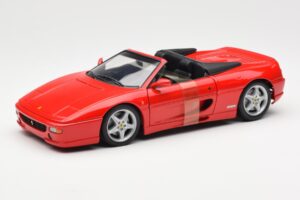
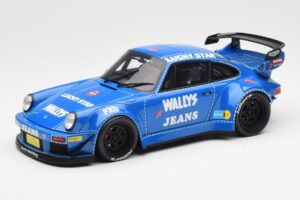
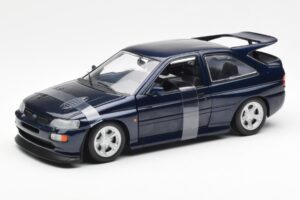
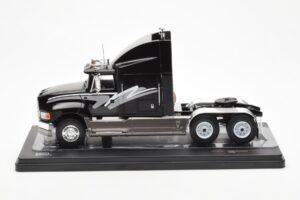
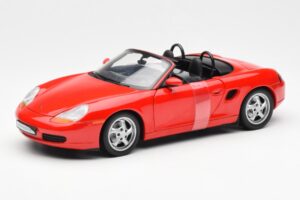
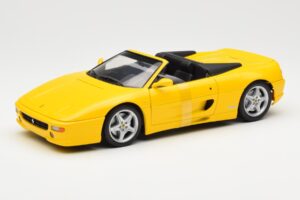
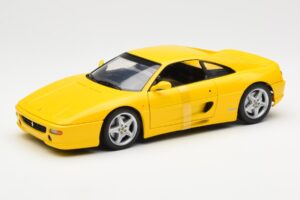
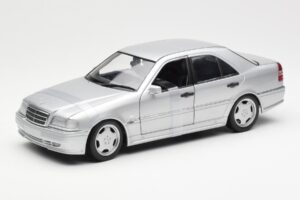
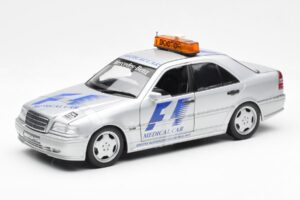
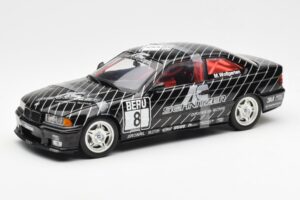
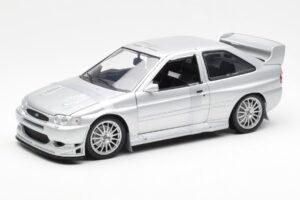
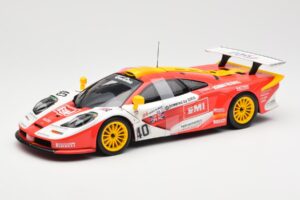
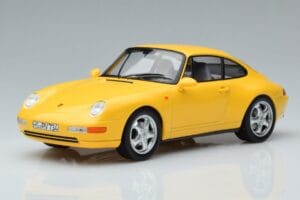
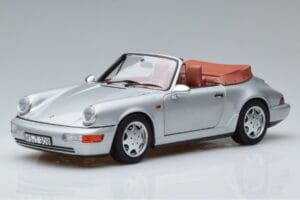
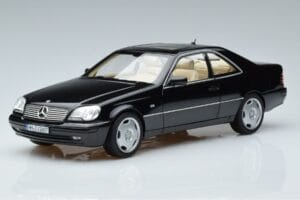
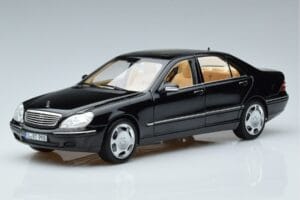
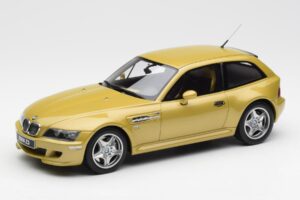
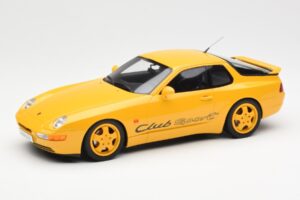
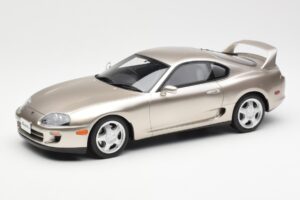
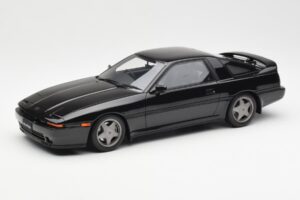
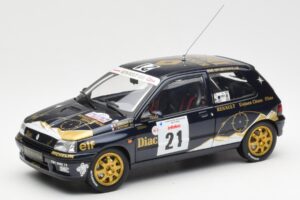
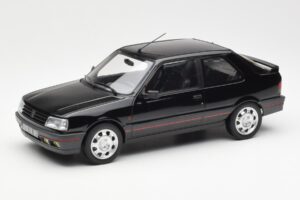
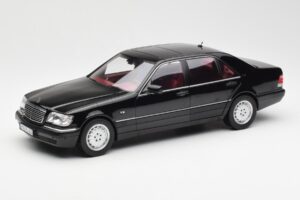
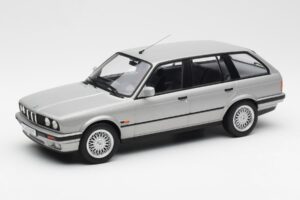
1990s Model Cars - Modern Classics & Motorsport Icons

More about our models

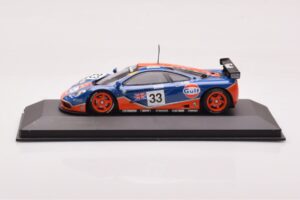
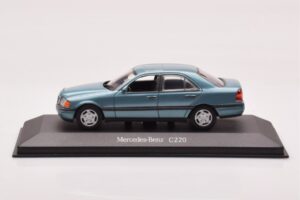
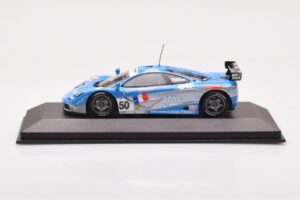
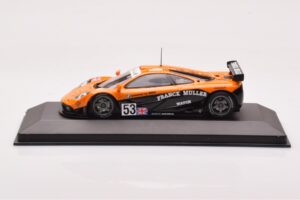
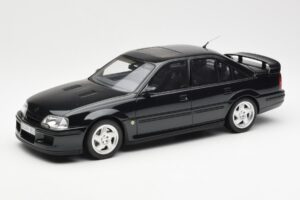
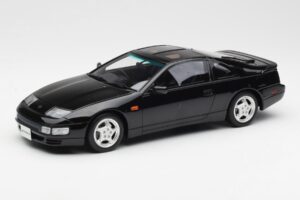
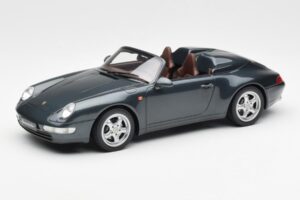
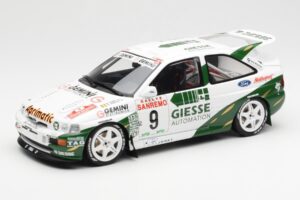
1990s model cars capture a decade of analogue feel and fast-changing technology, from early supercars to the heroes of BTCC, Le Mans and the WRC. Browse 1990s scale model cars in popular collector scales, with options ranging from accessible diecast to limited-run resin pieces.

Shipping to:
United States (US)
Currency:
GBP
Prices include
VAT
Free shipping:
from 79€
Secure Checkout 14-Day Returns 4.8/5 rating
Secure Checkout
Free shipping from 79€
14-Day Returns

1990s Model Cars — Collector Replicas from the Era

29 models from the 1990s — diecast and resin replicas of the era's most collected cars

What 1990s model cars do you offer?

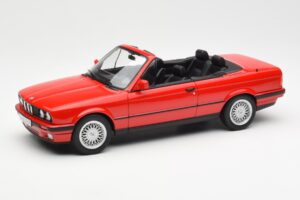
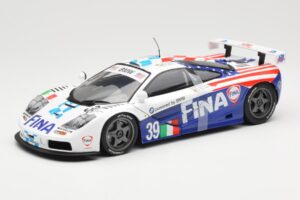
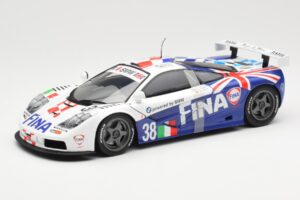
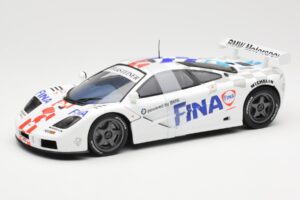
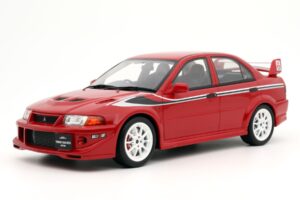
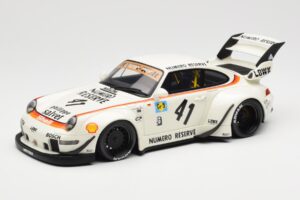
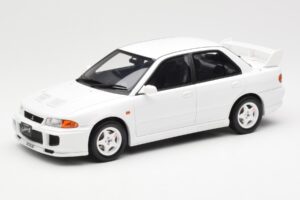
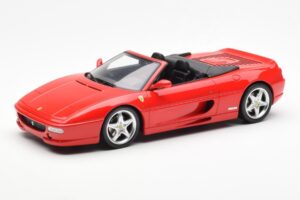
Our 1990s collection includes 29 scale replicas in diecast and resin — road cars, racing legends, and limited editions from the period. Featured marques: BMW, Citroen, Ferrari, Ford, Honda, Lamborghini.

Which car brands define the 1990s?

The 1990s produced cars from BMW, Citroen, Ferrari, Ford, Honda, Lamborghini, Mazda, Mercedes — many now discontinued in model form and sought after by collectors. Browse by brand to find specific models from the period.

What are the most collectible 1990s car models?

The most sought-after 1990s replicas are limited-edition recreations of legendary road and race cars. Discontinued models in low production runs (under 1,000 pieces) appreciate fastest. Original packaging and certificates add value.

Which manufacturers produce 1990s model cars?

1990s car replicas are produced by GT Spirit, MCG, Norev, Otto. Diecast brands focus on accurate road cars; resin specialists recreate rare and limited variants unavailable elsewhere.

What scales are available for 1990s models?

1990s models are available in 1:18. The 1:18 scale captures period-correct details best — chrome trim, dashboard gauges, and engine bays authentic to the era.

Why do collectors love 1990s car models?

The 1990s produced some of the most iconic cars in automotive history — and model manufacturers capture that legacy in precise detail. Limited editions of legendary road and race cars from the period are highly sought after. Period-correct details make these models time capsules of automotive design.

How are model cars shipped?

5-layer packing: original box, bubble wrap, foam inserts, reinforced carton, FRAGILE markings. All shipments tracked and insured. Damage rate under 0.1%.

Do you offer returns?

14-day returns on unused items in original packaging. Defective or damaged in transit? Free replacement — contact us with photos within 48 hours.

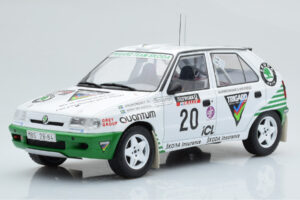
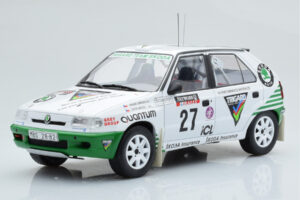
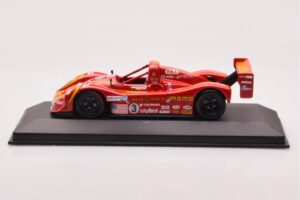
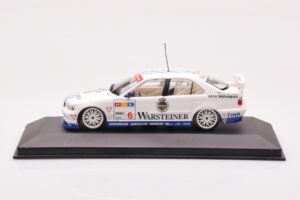
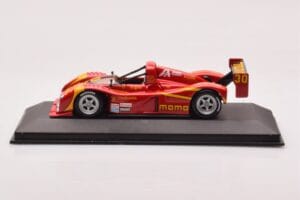
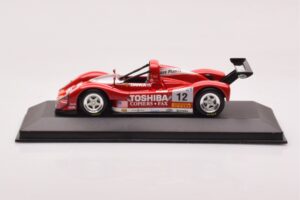
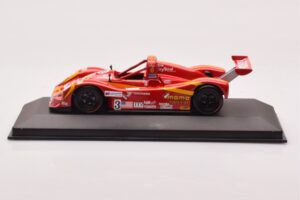
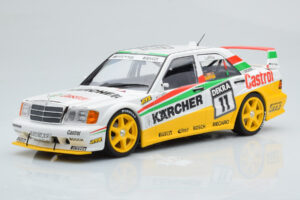
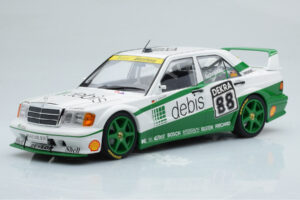
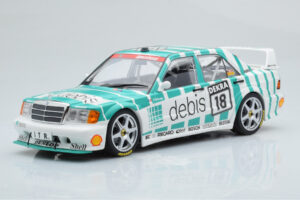
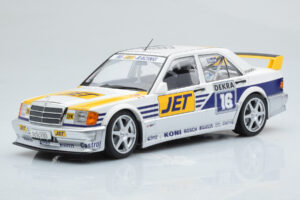
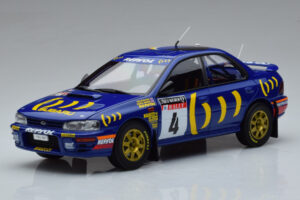
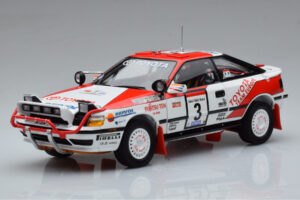
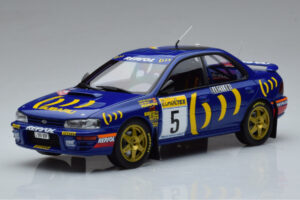
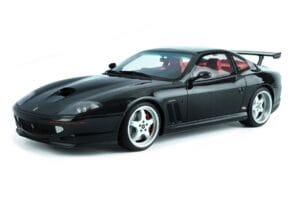
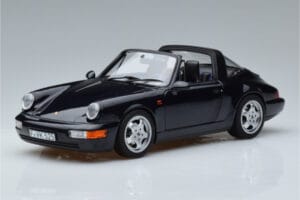
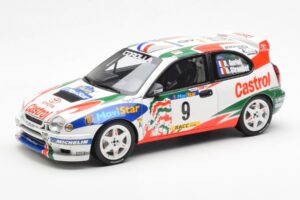
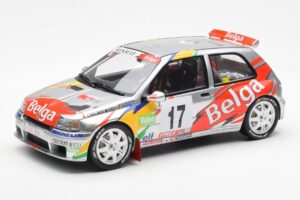
1990s model cars sit in a particularly satisfying sweet spot for collectors: modern enough to feature recognisable aerodynamics, multi-valve engines and the first wave of serious electronics, yet still close to the analogue era in steering feel, sound and design honesty. For many enthusiasts in the UK, it is also the decade that formed their taste through magazine covers, Gran Turismo-era poster cars, and motorsport on terrestrial television. As a category, 1990s scale model cars let you build a collection that moves naturally between road-going icons and competition machinery, without feeling like you are collecting museum pieces from a distant age.The decade opens with cars still shaped by late-1980s thinking and closes with manufacturers preparing for the millennium: tighter emissions rules, rapid advances in safety, and the growth of performance derivatives that became household names. That variety is why 1990s collecting rarely gets dull. You can place a stripped-back homologation special next to a leather-trimmed grand tourer, or a screaming naturally aspirated supercar beside a turbocharged monster, and both will feel authentic to the period.1990s model cars as a collector era Collecting by era is as much about atmosphere as it is about model names. The 1990s delivered a distinct design language: rounded forms replacing sharp wedges, headlamps evolving from pop-ups to fixed clusters, and interiors moving towards airbags, integrated consoles and early navigation experiments. In miniature, those changes become surprisingly visible. The way a model maker handles period-correct wheel designs, tyre sidewalls, indicator lenses and even seat patterns often determines whether a replica looks “right” for the era, rather than simply being the correct silhouette.This is also a decade of meaningful performance variety. The 1990s gave us lightweight driver’s cars that prized balance and feedback, alongside increasingly powerful flagships intended to demonstrate technical supremacy. That split makes the category ideal for collectors who enjoy pairing contrasts on the shelf: a compact sports car from Japan, a German performance saloon, an Italian V12 showpiece, and a British grand tourer in a subtle colour that suits the era’s taste for understated speed.Motorsport storylines: touring cars, endurance and rally If your interest leans toward liveries and competition provenance, 1990s racing car models are arguably the heart of the decade. In the UK, touring cars are an obvious anchor: the BTCC era of door-handle-to-door-handle racing produced machines that were close enough to road cars to feel relatable, yet specialised enough to look purposeful in scale. Wide arches, deep splitters, dense sponsor decals and period-correct wheels create replicas with tremendous visual energy, especially in 1:18 where the cockpit details and roll cage geometry can be properly appreciated.Endurance racing in the 1990s offers a different mood: long-tail aero, dramatic headlights, and a sense of engineering theatre. The transition from late Group C thinking to GT1-era intensity, and then to more regulated approaches, gives collectors an easy way to build mini “grids” that still feel coherent. The best replicas capture more than just the livery; they communicate how the bodywork sits over the wheels, how vents and NACA ducts are shaped, and how the stance changes between sprint-focused GT machinery and long-distance prototypes.Rallying completes the picture with cars that look like they have lived hard: mudflaps, auxiliary lamps, and the unmistakable proportions of performance four-wheel-drive. The 1990s WRC period is especially rewarding because liveries are both bold and historically grounded. Even if your shelves are mostly road cars, one or two rally replicas from this era can add texture to a collection, particularly when paired with period road-going homologation specials.Choosing scale and build style for 1990s scale model cars Because this is an era category rather than a single make or a single format, the best approach is to let the subject dictate the scale. Many collectors in the UK favour 1:18 for “hero” cars of the decade: the models with distinctive door lines, memorable cabin shapes and complex wheel designs. In 1:18, manufacturers can render interior textures more convincingly, and paint finishes—especially metallics and darker colours—tend to read more realistically at typical display distance.1:43 is often the practical choice if you are building breadth: a run of touring cars across multiple seasons, a timeline of supercars, or a mixed display of saloons, hot hatches and sports cars that defines the period. A well-made 1:43 model can look exceptionally crisp, and the smaller footprint allows you to tell a wider story of the decade without turning your display into a storage problem.It is also worth thinking about construction style. Diecast models can offer reassuring weight and, in some ranges, opening features that suit the 1990s well—bonnets that reveal period engine bays, or doors that show upholstery and instrument binnacles typical of the time. Resin models tend to focus on surface accuracy, clean shut lines and faithful proportions, which can be particularly convincing for low-volume supercars and special editions where the stance and body surfacing matter more than moving parts. Neither approach is universally “better”; they simply serve different collecting priorities.Building a coherent 1990s collection The easiest way to make a 1990s shelf feel intentional is to choose a narrative and then allow yourself a few carefully selected exceptions. A motorsport-led collection might start with a touring car cornerstone and then add one endurance racer and one rally car to show how the decade expressed performance across disciplines. A road-led collection might begin with a flagship supercar, then expand into the cars enthusiasts could realistically aspire to at the time: performance saloons, hot hatches and the increasingly capable sports cars that defined the era’s everyday speed.Colour is a surprisingly effective curator. The 1990s suit deep metallics, restrained silvers and greys, and the occasional bright statement shade that feels period-correct rather than modern. British racing green works particularly well in this era when applied to the right subjects, and it can tie British and continental cars together on the shelf in a way that feels deliberate rather than random.Finally, treat the decade as a bridge. The 1990s connect classic analogue sports cars to the more digital, safety-led 2000s, and that makes the category an excellent organising principle for collectors who want variety without chaos. Browse the range of 1990s model cars and you can build displays that feel like a snapshot of the period—cars you remember, cars you admired, and cars whose significance has only become clearer with time.
0
Privacy Overview

This website uses cookies so that we can provide you with the best user experience possible. Cookie information is stored in your browser and performs functions such as recognising you when you return to our website and helping our team to understand which sections of the website you find most interesting and useful.