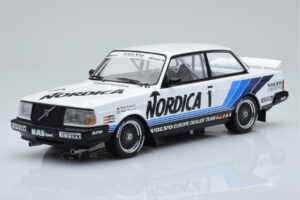
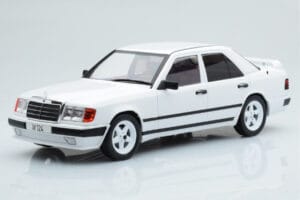
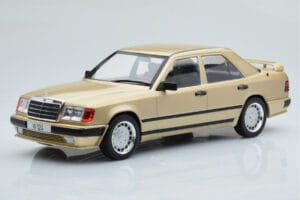
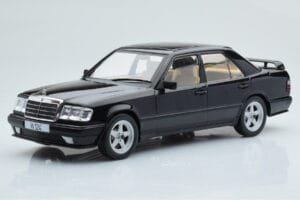
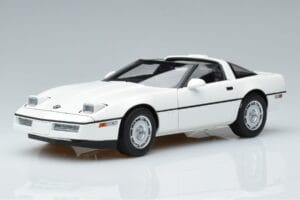
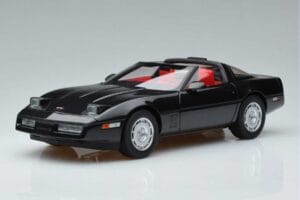
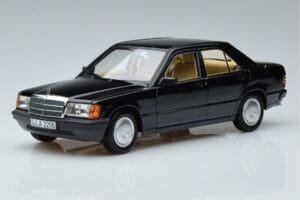
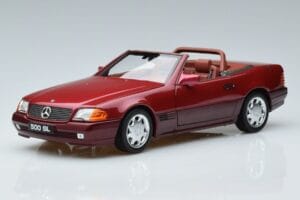
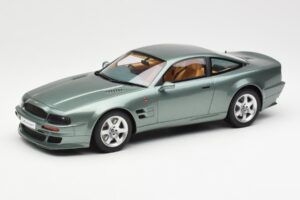
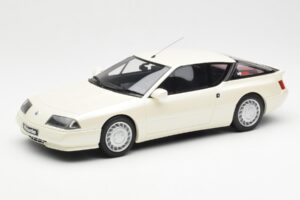
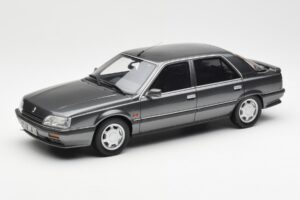
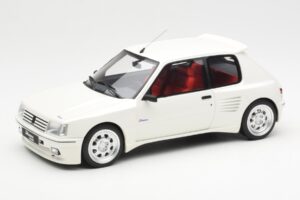
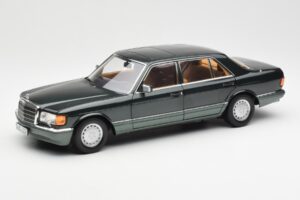
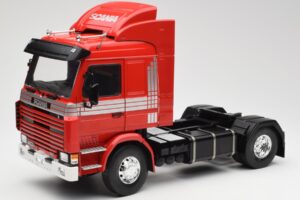
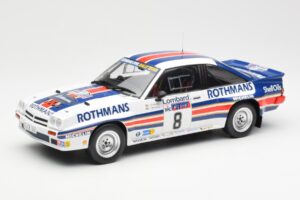
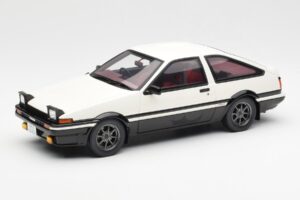
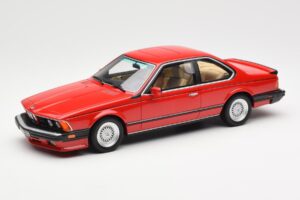
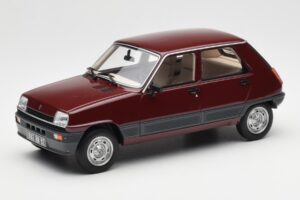
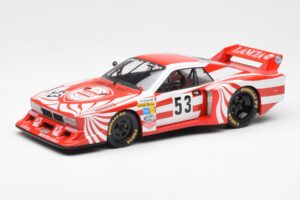
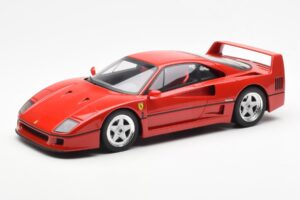
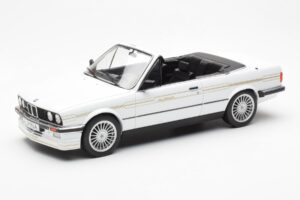
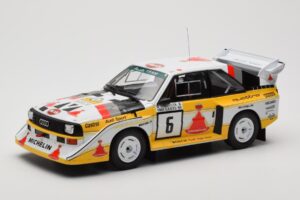
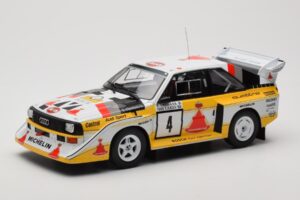
1980s Model Cars - Hot Hatches, Rally and Supercar Icons

More about our models

Revisit the decade of turbocharged performance, bold styling and motorsport drama. Browse 1980s scale model cars across popular collector scales, from everyday hot hatches to Group B rally machines and era-defining supercars. Ideal for building period-correct displays or filling gaps in a timeline collection.

Shipping to:
United States (US)
Currency:
GBP
Prices include
VAT
Free shipping:
from 79€
Secure Checkout 14-Day Returns 4.8/5 rating
Secure Checkout
Free shipping from 79€
14-Day Returns

1980s Model Cars — Collector Replicas from the Era

28 models from the 1980s — diecast and resin replicas of the era's most collected cars

What 1980s model cars do you offer?

Our 1980s collection includes 28 scale replicas in diecast and resin — road cars, racing legends, and limited editions from the period. Featured marques: Aston Martin, Audi, Chevrolet, Ferrari, Ford, Jaguar.

Which car brands define the 1980s?

The 1980s produced cars from Aston Martin, Audi, Chevrolet, Ferrari, Ford, Jaguar, Lancia, Mazda — many now discontinued in model form and sought after by collectors. Browse by brand to find specific models from the period.

What are the most collectible 1980s car models?

The most sought-after 1980s replicas are limited-edition recreations of legendary road and race cars. Discontinued models in low production runs (under 1,000 pieces) appreciate fastest. Original packaging and certificates add value.

Which manufacturers produce 1980s model cars?

1980s car replicas are produced by GT Spirit, MCG, Norev, Otto. Diecast brands focus on accurate road cars; resin specialists recreate rare and limited variants unavailable elsewhere.

What scales are available for 1980s models?

1980s models are available in 1:18. The 1:18 scale captures period-correct details best — chrome trim, dashboard gauges, and engine bays authentic to the era.

Why do collectors love 1980s car models?

The 1980s produced some of the most iconic cars in automotive history — and model manufacturers capture that legacy in precise detail. Limited editions of legendary road and race cars from the period are highly sought after. Period-correct details make these models time capsules of automotive design.

How are model cars shipped?

5-layer packing: original box, bubble wrap, foam inserts, reinforced carton, FRAGILE markings. All shipments tracked and insured. Damage rate under 0.1%.

Do you offer returns?

14-day returns on unused items in original packaging. Defective or damaged in transit? Free replacement — contact us with photos within 48 hours.

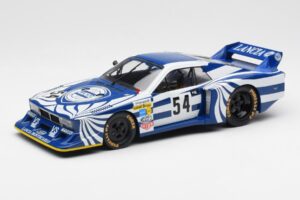
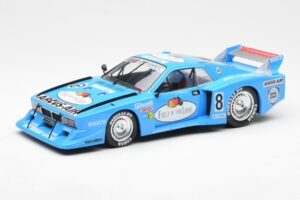
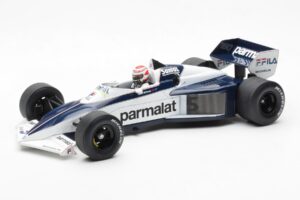
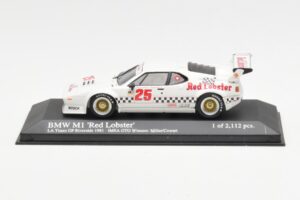
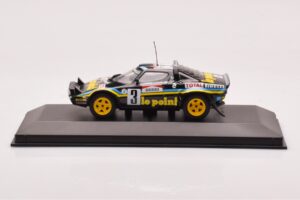
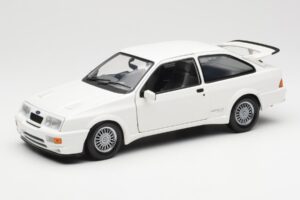
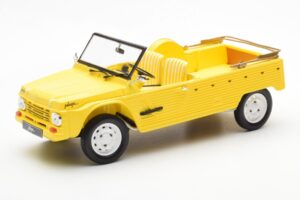
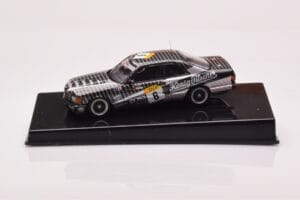
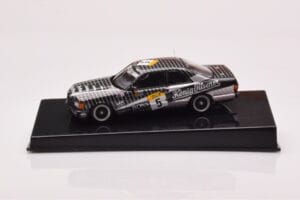
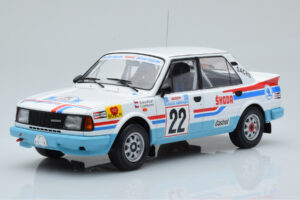
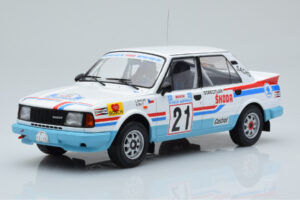
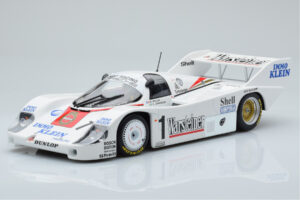
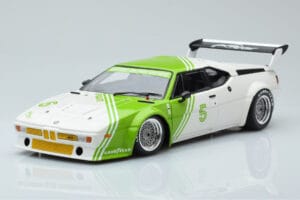
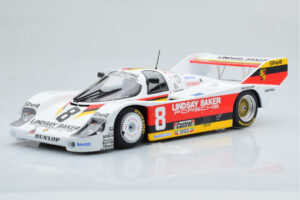
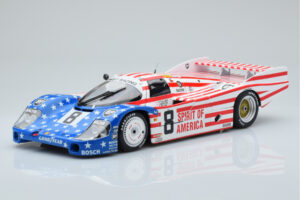
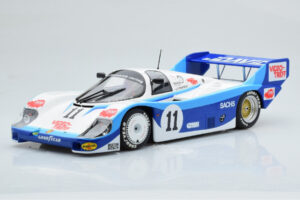
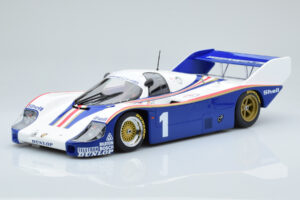
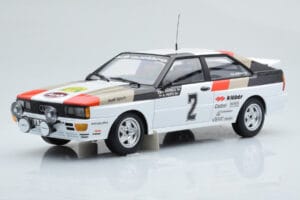
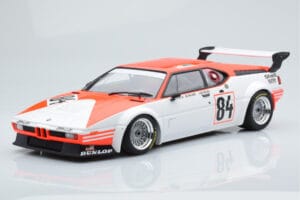
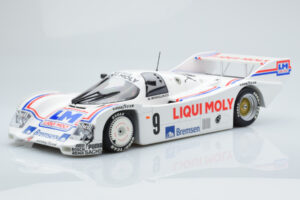
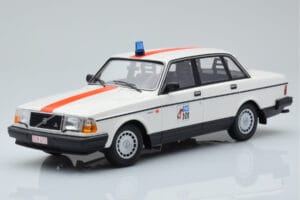
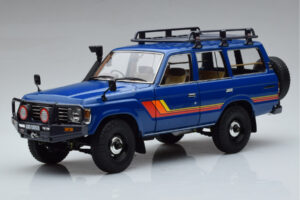
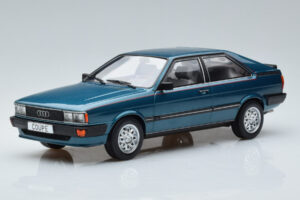
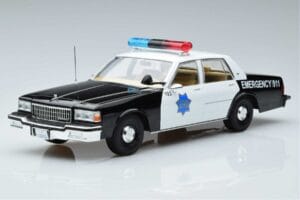
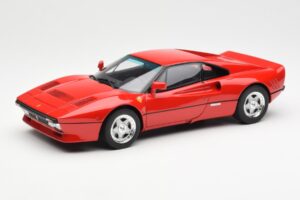
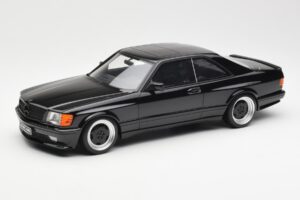
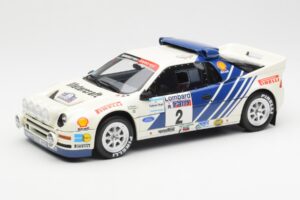
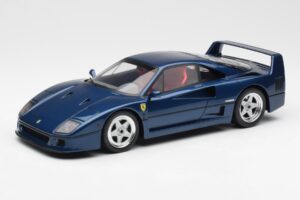
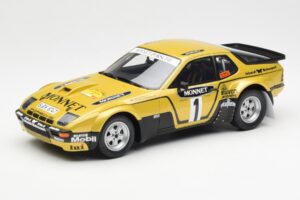
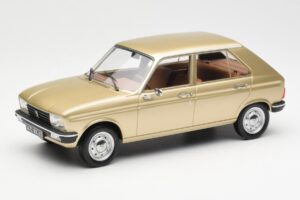
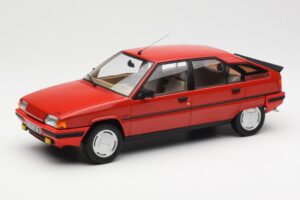
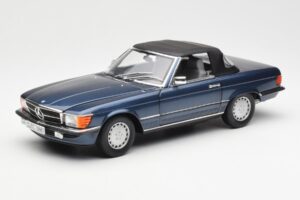
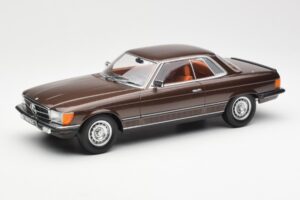
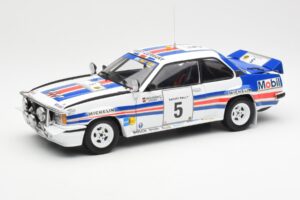
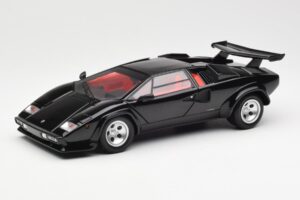
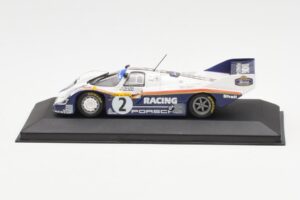
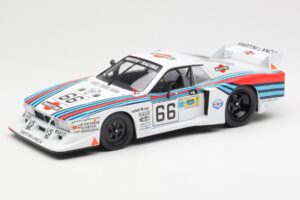
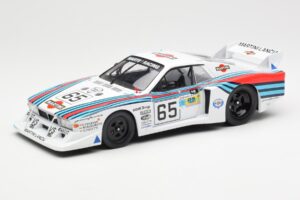
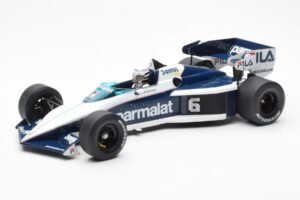
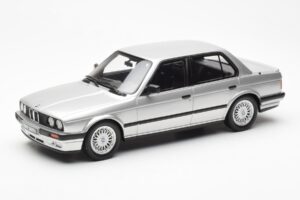
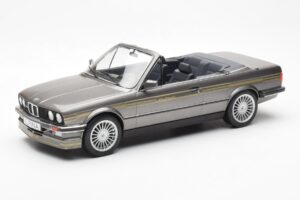
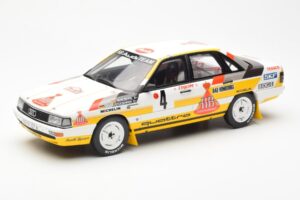
1980s model cars capture a decade when performance went turbo, styling went angular, and motorsport became a spectacle on road and rally stages alike. For collectors, the appeal is the sheer range: hot hatches that filled British car parks, homologation specials built to win championships, and supercars that lived on bedroom walls. The 1980s also sit at a sweet spot for replicas, with distinctive graphics, wheel designs and interior trim that reward close inspection in 1:18, while 1:43 remains ideal for building a complete decade-wide timeline. Whether you prefer road cars, competition liveries, or a mixture of both, this era lends itself to themed shelves that feel unmistakably period-correct.1980s Model Cars as Modern Classics Collectors often describe the decade as the beginning of the “modern classic”: still mechanical enough to feel analogue, yet packed with the first wave of electronics, fuel injection and turbocharging that reshaped road-car performance. That mix makes 1980s scale model cars particularly satisfying to curate, because the story is easy to read in miniature. Early cars retain chrome details and slimmer tyres, while later machines adopt deeper bumpers, wider arches and the more integrated body kits that defined the late Eighties. It is a decade where a display can move from restrained executive saloons to unapologetic wide-body exotics without ever leaving the same ten-year bracket.The period’s design language is also wonderfully “modellable”. Crisp shoulder lines, black plastic cladding, louvred rear windows and pop-up headlamps give replicas plenty of hard edges and textures to get right. On a good model, the stance matters as much as the badge: an E30 BMW M3 should sit square and purposeful, a Porsche 911 Turbo should look slightly nose-light, and a rally car should carry the right ride height and wheel offset for its gravel-ready arches. Interiors are equally telling, from tartan or velour seat inserts to the early digital dashboards that scream 1980s. These are the details that separate a passable miniature from one that really feels of its time.For UK collectors, the 1980s are not only about Italian exotica; they are the years of the Sierra Cosworth, the Escort RS Turbo and the first wave of genuinely quick “everyday” cars that made performance feel attainable. British marques add further texture, from Lotus’s turbocharged Esprit to Aston Martin’s V8 grand tourers and Jaguar’s long-legged XJ-S. Add in the decade’s motorsport culture—Williams and McLaren in Formula 1, touring cars, and a rally scene that became headline news—and it is easy to see why an Eighties shelf can feel both personal and historically significant. It is nostalgia with proper mechanical substance behind it.Road-car icons: from hot hatches to supercars The most charming 1980s collections usually include the cars people actually saw, not only the ones they dreamt about. Hot hatches and compact performance cars are the backbone of the decade: the Volkswagen Golf GTI Mk2, Peugeot 205 GTI, Renault 5 GT Turbo and Fiat Uno Turbo represent an era when light weight and boost made small cars genuinely exciting. In miniature, these subjects reward careful attention to wheel design, decals and trim colour, because the real cars relied on details—red pinstripes, body-colour bumpers, pepper-pot alloys—to make their point. In 1:43 you can build a convincing “used car forecourt” line-up; in 1:18 you can enjoy interiors, period radios and seat fabrics that smaller scales can only suggest.Move up a class and the decade becomes a parade of homologation specials and performance saloons. Cars such as the BMW M3 E30, Mercedes-Benz 190E 2.3-16 and Ford Sierra RS Cosworth were built with motorsport in mind, and they look right when displayed with their racing counterparts. Collectors often enjoy pairing a road-going version with the track car it inspired, then filling the gaps with period rivals to tell a proper story of escalation. In model form, look for sharp shut lines around the boot spoiler, correctly shaped mirrors and the right tyre profile—many Eighties cars sit on tall sidewalls that are easy for manufacturers to get subtly wrong. A well-proportioned replica will always outlast a model that chases detail but misses the stance.At the poster-car end of the spectrum, the 1980s gave us design statements that still stop people mid-sentence: Lamborghini’s Countach with its origami surfaces, Ferrari’s Testarossa with its side strakes, and the era-defining Ferrari F40 that distilled turbocharged aggression into a road-legal package. Porsche’s 911 Turbo (930) and the technology showcase of the 959 belong in the same conversation, as do the more understated grand tourers that bridged sports cars and luxury. For these subjects, 1:18 often feels the natural choice because you can appreciate vents, mesh grilles and interior textures at a glance. Resin models frequently capture the complex body shapes with particularly clean surface work, while opening-feature diecast can add theatre through doors, bonnets and engine covers—both approaches have their place depending on what you value.It would be a shame to treat the decade as purely European. Japanese performance began to gather real momentum in the late Eighties, and cars such as the Mazda RX-7 (FC), Toyota Supra (A70) and Nissan Skyline GT-R (R32) are now central to many “youngtimer” collections. Even the more ordinary vehicles of the time—family saloons, early SUVs and practical estates—can add authenticity, especially if you enjoy building dioramas rather than a row of supercars. A 1980s display with one or two humble daily drivers alongside the heroes simply feels more believable. It is also a reminder that the decade’s appeal lies as much in its atmosphere as in its horsepower figures.Motorsport stories: Group B, touring cars and F1 No discussion of the era is complete without rallying, because the 1980s produced the most mythologised chapter of the World Rally Championship. Group B machines like the Audi Sport Quattro S1, Lancia Delta S4, Peugeot 205 T16, Ford RS200 and the wonderfully unhinged MG Metro 6R4 were engineered around the rulebook’s loopholes, and the results were as dramatic as they were short-lived. Well-made 1980s rally car models capture a particular type of detail: banks of auxiliary lamps, mudflaps, rally plates, roof vents and the slightly battered look of a car built to be thrown at gravel and snow. Liveries matter enormously here, not only for colour but for typography and sponsor placement; collectors will notice if stripes are the wrong width or if the red is a touch off.Circuit racing provides a different flavour of Eighties collecting, with touring cars and endurance prototypes offering some of the most striking period graphics. On the saloon side, the DTM and BTCC era is defined by silhouettes we still recognise instantly: the BMW M3, Ford Sierra RS500 Cosworth, Rover Vitesse and Mercedes 190E, all wearing sponsor-heavy schemes that look superb on a shelf. At the endurance end, Group C cars such as the Porsche 956/962, Jaguar XJR-9 and Sauber-Mercedes C9 turn the decade into a story of speed records and long-distance reliability, with liveries that range from understated to gloriously loud. Motorsport replicas often live in 1:43 because it allows you to display whole grids, but a carefully chosen 1:18 race car can become the centrepiece of an era display.Formula 1 completes the picture, because the 1980s turbo era is still spoken about with a certain reverence: huge power, evolving aerodynamics, and a grid full of teams that resonate strongly with British collectors. McLaren’s success with Prost and Senna, Williams’s engineering-led dominance, and Lotus’s innovation under Chapman’s legacy created cars whose shapes are as recognisable as their drivers. When choosing F1 replicas, collectors tend to care about the subtleties—wing profiles, wheel covers on certain seasons, the correct helmet design, and the small sponsor changes that differentiate one race from another. It is also a category where licensing affects presentation, with some tobacco branding altered or supplied as separate decals. Knowing what “correct” looks like for a given year is part of the enjoyment.Building and displaying a focused 1980s collection The easiest way to make an 1980s shelf look intentional is to decide what story you are telling before you chase individual models. Some collectors build a “road-going heroes” line-up that starts with hot hatches and ends with supercars; others keep it motorsport-only, arranging rally cars by manufacturer or by season. A UK-centred approach can be particularly satisfying, mixing British road cars with British-led racing teams, then adding key European rivals for context. If you already collect by marque, the decade works nicely as a chapter within a larger timeline: it is the point where Porsche went from classic to modern, where Ferrari’s V8 line matured, and where BMW’s M division established the template for performance saloons. A little structure helps you buy fewer random models and more pieces that earn their place.Scale choice is the next practical decision. If you want presence and the ability to enjoy cabin details, 1:18 is hard to beat; a typical Eighties car sits at roughly 25 cm in length, large enough for you to appreciate seat textures, switchgear and engine-bay layout. If breadth matters—complete rally seasons, touring car grids, or a decade-spanning road-car timeline—1:43 is often the collector’s workhorse, letting you display dozens of cars in the space that a handful of 1:18 models would occupy. 1:64 sits in a different place again: ideal for desk displays, diorama scenes, or for building a “greatest hits” selection without committing an entire cabinet. Many seasoned collectors mix scales deliberately, using larger models for the icons and smaller ones to fill in the narrative.Manufacturer choice tends to reflect what you value: opening features and heft, or surface accuracy and variety. Premium diecast makers such as AUTOart and Kyosho have long been associated with crisp paintwork and convincing interiors, while brands like Minichamps have a strong foothold in 1:43 across road and motorsport subjects. For niche hot hatches, touring cars and “youngtimer” saloons, resin specialists such as Otto and GT Spirit often cover the interesting gaps, typically as sealed display pieces with very clean body lines. More accessible ranges from makers like Solido, Norev, Bburago or Maisto can be excellent for building a broad 1980s backdrop without turning every purchase into an event. UK collectors may also appreciate British-leaning producers such as Corgi and Oxford Diecast for certain home-market subjects, particularly where the mainstream global brands have overlooked them.When you are comparing models in this decade, a few visual checks go a long way. Start with stance: does the wheel-and-arch relationship look right, and do the tyres suit the period? Then look at the “graphic” elements that define Eighties cars—side stripes, badges, headlamp surrounds, window trim and the finish of the wheels. On motorsport pieces, check the clarity of printed sponsor logos, the alignment of colour breaks, and whether the ancillary parts (mirrors, aerials, splitters, spotlights) sit neatly without heavy glue marks. Interiors deserve attention too: many Eighties cars had distinctive fabrics and steering wheels, and a good model will capture those shapes rather than offering a generic cabin. Finally, think about display conditions; bright sunlight can fade tampo printing and paint over time, so a cabinet or shaded shelf is a sensible long-term choice for preserving colour and decals.Collected thoughtfully, the decade offers a rare combination of recognisable shapes and genuine historical variety. You can place a boxy hot hatch beside a slippery Group C prototype and a wedge-shaped supercar and still feel that everything belongs together, tied by the era’s materials, colours and design cues. Use this category to browse 1980s model cars by theme, manufacturer and scale, and you will quickly find that the most satisfying acquisitions are the ones that strengthen your chosen narrative—whether that is Group B drama, British motorsport pride, or simply the cars you grew up noticing on the road. The Eighties are a decade worth revisiting in miniature, because the story is as entertaining as the models themselves.
0
Privacy Overview

This website uses cookies so that we can provide you with the best user experience possible. Cookie information is stored in your browser and performs functions such as recognising you when you return to our website and helping our team to understand which sections of the website you find most interesting and useful.