Vehicle Class

More about our models
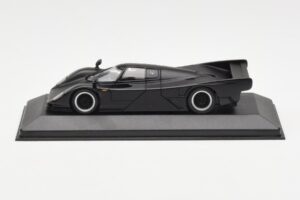
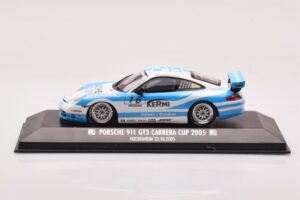
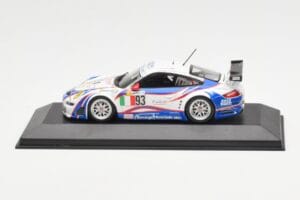
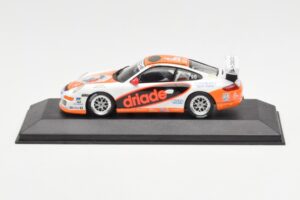
<h1>Vehicle Class Model Cars - Browse by Type and Purpose</h1> <p>Vehicle class organisation enables collectors to browse scale models by automotive purpose and design philosophy, spanning low-slung sports cars through practical estate cars and commercial vehicles. Organising replicas by vehicle type rather than brand or era helps collectors build focused displays around specific automotive philosophies—performance-oriented sports machines, luxury grand tourers, family-focused saloons, or utility-driven transport. Available across all major manufacturers from Minichamps to Hot Wheels and spanning 1:18, 1:43, and 1:64 scales, vehicle classification serves collectors pursuing thematic collections centred on purpose rather than marque.</p>
Shipping to:
United States (US)
Currency:
GBP
Prices include
VAT
Free shipping:
from 79€
Secure Checkout 14-Day Returns 4.8/5 rating
Secure Checkout
Free shipping from 79€
14-Day Returns

Collecting Scale Model Cars

Everything you need to know about collecting scale model cars

How are model cars shipped?

5-layer packing: original box, bubble wrap, foam inserts, reinforced carton, FRAGILE markings. All shipments tracked and insured. Damage rate under 0.1%.

Do you offer returns?

14-day returns on unused items in original packaging. Defective or damaged in transit? Free replacement — contact us with photos within 48 hours.

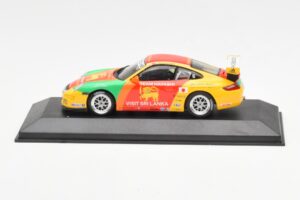
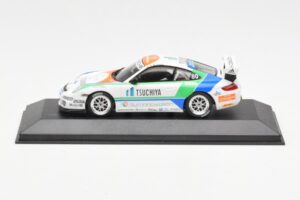
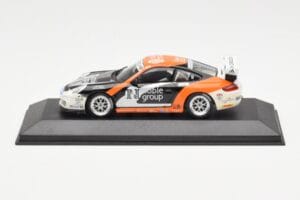
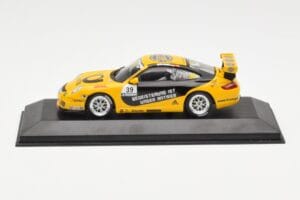
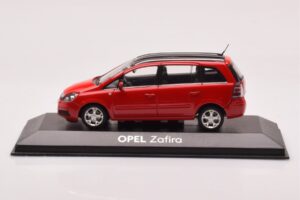
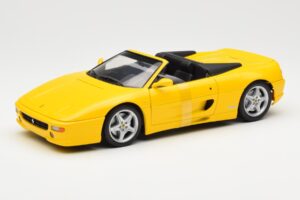
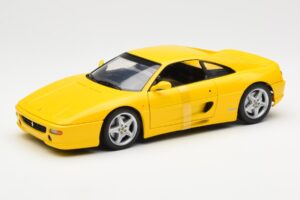
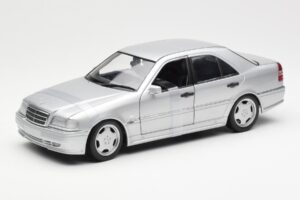
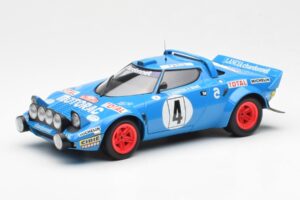
<p>Vehicle class model cars represent a fundamental organizing principle in scale model collecting, enabling enthusiasts to build collections around automotive purpose and design philosophy rather than manufacturer loyalty or chronological progression. Classification by vehicle type reveals how different automotive missions produce distinct engineering solutions, styling approaches, and cultural significance—from the low-slung aerodynamics of purpose-built sports cars through the practical load-carrying philosophy of estate cars to the commanding presence of SUVs and luxury saloons. This browsing approach serves collectors who identify more strongly with specific automotive roles than with particular marques, creating thematic displays that explore how different manufacturers approach the same fundamental transportation challenge across decades of automotive evolution.</p><h2>Sports Cars and Performance Vehicle Philosophy</h2> <p>Sports car replicas capture the purest expression of performance-focused automotive design, where every engineering decision prioritizes driver engagement, handling precision, and speed over practical considerations like passenger space or luggage capacity. This vehicle class spans from affordable roadsters like the Mazda MX-5 and MG MGB through mid-range performance machines including Porsche Boxster and Alpine A110 to exotic supercars from Ferrari, Lamborghini, and McLaren that represent the absolute pinnacle of road-going performance capability. What unifies these diverse machines is their shared design philosophy: low-slung bodywork minimizing aerodynamic drag, rear-wheel or all-wheel drive prioritizing power delivery, lightweight construction enhancing agility, and cockpit layouts focused entirely on the driver rather than passengers.</p> <p>British sports car heritage forms a particularly rich collecting seam within this vehicle class, spanning the Jaguar E-Type's combination of racing-derived aerodynamics with grand touring capability, through Lotus's lightweight philosophy pioneered by Colin Chapman that produced the Elan and Elise, to MG and Triumph roadsters that democratized open-air motoring across the post-war decades. These machines share proportions instantly recognizable to any automotive enthusiast: long bonnet, minimal overhangs, low roofline, and dramatic wheel-to-body ratios that communicate performance intent from any angle.</p> <p>Manufacturer coverage in sports car replicas reflects both mainstream producers offering broad accessibility and specialist resin makers delivering exotic precision. Minichamps provides comprehensive sports car cataloguing from Porsche 911 evolution through BMW Z-series roadsters, IXO covers affordable classics including MGB and Triumph Spitfire, whilst premium producers like BBR and Looksmart focus on Ferrari, Lamborghini, and Pagani models where hand-built resin construction captures the surface complexity these exotics demand. AUTOart delivers opening-feature sports car replicas in 1:18 scale with particular strength in Porsche, McLaren, and Lamborghini subjects where mechanical accuracy rewards close examination. This manufacturer diversity allows sports car collectors to build comprehensive displays spanning accessible classics through contemporary hypercars whilst maintaining consistent quality standards appropriate to each price tier.</p><h2>Grand Touring and Luxury Saloon Categories</h2> <p>Grand touring vehicles occupy the automotive middle ground between pure sports cars and practical family transport, prioritizing long-distance comfort and refinement whilst maintaining performance capability that distinguishes them from conventional saloons. The GT category encompasses front-engined luxury coupes from Bentley Continental and Mercedes-Benz S-Class Coupe through Aston Martin DB series to Ferrari's front-engined V12 berlinettas including 812 Superfast, all sharing design philosophy that balances speed with sophisticated ride quality, interior luxury, and luggage capacity for transcontinental journeys. These machines typically feature 2+2 seating configurations where rear accommodation acknowledges occasional passenger needs without compromising the driver-focused cockpit layout, distinguishing GTs from both pure two-seaters and genuine four-seat saloons.</p> <p>Luxury saloon replicas document how manufacturers approach the four-door executive transport brief with varying emphasis on sporting character versus comfort priority. German prestige marques including Mercedes-Benz S-Class, BMW 7 Series, and Audi A8 represent engineering-focused luxury where technology integration and autobahn performance complement limousine comfort. British luxury through Rolls-Royce and Bentley emphasizes craftsmanship and presence over sporting dynamics, creating models that communicate status through sheer physical scale and interior opulence. Japanese luxury via Lexus LS demonstrates alternative approaches prioritizing reliability and value alongside executive presence.</p> <p>Scale model coverage for grand touring and luxury saloons concentrates heavily in 1:43 and 1:18 formats where the proportions of these typically large vehicles remain manageable for display whilst capturing the distinctive grille designs, lighting signatures, and interior luxury that define each manufacturer's interpretation of the luxury transport brief. Norev specializes in contemporary European luxury saloons with particular strength in Mercedes-Benz, Kyosho covers Japanese luxury marques including Lexus with factory-authorised precision, whilst Almost Real and TSM deliver limited-production British luxury models from Rolls-Royce and Bentley in sealed resin format. Minichamps maintains the broadest luxury saloon catalogue spanning decades of BMW, Mercedes-Benz, and Audi evolution with consistent 1:43 quality that serves collectors building comprehensive marque chronologies within the executive saloon category.</p><h2>Estate Cars, Family Transport, and Practical Vehicle Heritage</h2> <p>Estate car replicas celebrate practical automotive design where load-carrying capability and family-focused versatility take precedence over sporting dynamics, representing a vehicle philosophy particularly significant in European markets where the estate format achieved cultural importance beyond mere utility. British estate heritage spans the Volvo Amazon Estate's introduction of Swedish practicality to UK roads through iconic Volvo 200-series estates that became synonymous with middle-class family transport, Range Rover's luxury interpretation of the utility vehicle concept, and performance estates including BMW M5 Touring and Audi RS6 Avant that prove practicality need not sacrifice speed. These machines share elongated rooflines maintaining headroom across both seating rows, extended rear overhangs accommodating substantial luggage volumes, and side window proportions that emphasize passenger space over sporting stance.</p> <p>The practical vehicle category extends beyond estate cars to encompass commercial vehicles, panel vans, and light trucks that document everyday automotive life beyond the performance and luxury segments dominating most collecting attention. Mercedes-Benz Sprinter and Volkswagen Transporter replicas capture commercial transport evolution, Land Rover Defender models document British utility vehicle heritage spanning civilian and military applications, whilst vintage delivery vans from Morris Minor through Ford Transit preserve memories of high-street commerce from previous generations. These models appeal particularly to collectors building automotive social history displays where transport served functional roles in daily life rather than aspirational performance or status communication.</p> <p>Manufacturer coverage for estate cars and practical vehicles tends toward mid-tier producers where subject matter doesn't justify premium resin investment but warrants more detail than mass-market treatment. Premium X specializes in estate car and utility vehicle subjects underserved by mainstream producers, delivering sealed 1:43 replicas of Volvo estates, Citroën vans, and European commercial vehicles in limited editions. Minichamps covers performance estates including BMW M variants and Audi RS models where sporting credentials warrant collector attention, IXO produces affordable classic estate cars from 1960s-1980s that serve nostalgia-focused collectors, whilst Oxford Diecast concentrates on British commercial vehicles and utility vans in smaller 1:76 and 1:43 scales popular with diorama builders. This practical vehicle focus represents genuine collecting diversity, acknowledging that automotive passion encompasses everyday transport heritage alongside exotic performance machines.</p><h2>SUVs, Crossovers, and Modern Utility Vehicle Evolution</h2> <p>Sport utility vehicle replicas document the contemporary automotive landscape's shift toward raised-driving-position vehicles that blend passenger car refinement with off-road capability claims, representing market dominance that transformed from niche utility to mainstream family transport across the past two decades. The SUV category spans genuinely capable off-roaders including Land Rover Discovery and Toyota Land Cruiser through luxury SUVs from Bentley Bentayga and Rolls-Royce Cullinan to performance-oriented variants like Lamborghini Urus and Porsche Cayenne Turbo that apply supercar engineering to the high-riding SUV format. What distinguishes SUVs from traditional estate cars is raised ground clearance, commanding driving position, and styling emphasizing rugged capability whether or not owners exercise that potential off tarmac.</p> <p>Modern crossover vehicles blur boundaries between traditional SUVs and passenger cars, prioritizing urban maneuverability and fuel economy over genuine off-road credentials whilst maintaining the raised seating position and perceived safety advantages that drove SUV popularity. Models including Nissan Qashqai, BMW X3, and Audi Q5 represent this evolved category where SUV styling cues combine with car-like handling dynamics, appealing to families seeking practicality without the size or fuel consumption of traditional SUVs. Scale model coverage documents this category evolution, with manufacturers increasingly representing contemporary automotive reality where SUVs and crossovers dominate new vehicle sales across most global markets.</p> <p>Collection strategy around vehicle class organization enables focused thematic displays that explore how automotive purpose shapes design across manufacturers and eras. A sports car collection spanning MG MGB through Ferrari SF90 tells the story of performance vehicle evolution across six decades, comparing British affordable enthusiasm with Italian exotic engineering whilst maintaining thematic coherence through shared performance mission. Estate car displays document practical automotive philosophy from 1960s Volvo through modern Audi RS6, showing how carrying capacity and family focus influenced styling, engineering, and cultural significance. Mixed-class collections organized by era rather than type reveal how contemporary automotive zeitgeist produced distinct interpretations across categories, with 1980s sports cars, saloons, and estates all reflecting that decade's particular design language and technology level despite serving different practical purposes.</p>
0
Privacy Overview

This website uses cookies so that we can provide you with the best user experience possible. Cookie information is stored in your browser and performs functions such as recognising you when you return to our website and helping our team to understand which sections of the website you find most interesting and useful.