Audi RS e-tron GT GT Spirit 1:18
We'll notify you once when this item is available. No spam.
You qualify for FREE shipping!
Specifications
- Body Type
- Gran Coupe
- Era
- 2020s
- Vehicle Class
- Electric Performance
- Openable Parts
- No
- Packaging Condition
- New
About the Audi Audi RS e-tron GT GT Spirit 1:18 by GT Spirit
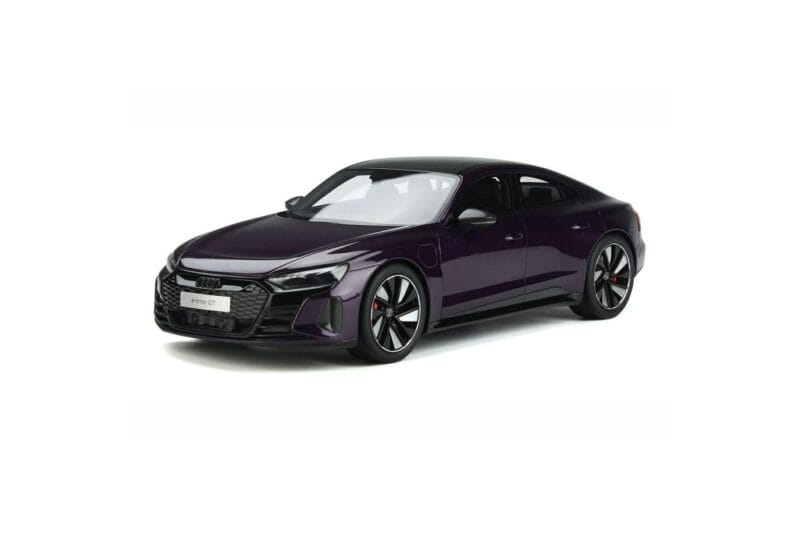
GT Spirit's 1:18 Audi RS e-tron GT documents Audi Sport's transition into electric performance with the marque's first battery-powered RS model. Launched for 2021, this four-door gran coupe shares fundamental platform architecture with the Porsche Taycan whilst maintaining distinctively Audi design language and quattro all-wheel-drive heritage adapted for dual-motor electric propulsion. The Audi e-tron GT 1:18 replica demonstrates how GT Spirit's sealed resin construction serves modern electric vehicles where traditional mechanical details matter less than overall design execution and the historical significance of manufacturer electrification strategies.
Electric RS Heritage and Audi's EV Performance Strategy
The RS e-tron GT represents crucial evolution in Audi Sport's performance philosophy—the first RS-badged model powered purely by electricity rather than the turbocharged petrol engines that defined previous generations. Developed on Volkswagen Group's J1 electric platform shared with Porsche Taycan, the RS e-tron GT delivers 646PS from dual electric motors (one per axle), enabling claimed 3.3-second acceleration to 62mph that matches or exceeds traditional RS models despite the substantial battery pack adding approximately 300kg over equivalent petrol-powered siblings. Audi's adaptation of the Taycan's fundamental engineering introduces distinctively different styling language—where Porsche emphasises compact proportions and sports car visual cues, Audi's interpretation stretches the platform into four-door gran coupe format with more relaxed roofline and gentler design language that prioritises elegance over aggressive sporting character. The quattro branding carries forward to electric propulsion through the dual-motor all-wheel-drive system, maintaining Audi's technological heritage even as the fundamental propulsion methodology transitions from mechanical to electrical. This RS e-tron GT model marks historically significant moment in Audi Sport's timeline—future RS models will increasingly adopt electric or hybrid powertrains as emissions regulations and manufacturer electrification commitments reshape performance car landscape. Collectors documenting Audi's evolution often view early electric RS models like this e-tron GT as pivotal transition pieces—the last generation where traditional combustion RS models coexist with electric alternatives before complete powertrain transition that industry trajectory suggests becomes inevitable within coming decade.
J1 Platform Sharing and Porsche Taycan Relationship
The Audi e-tron GT's relationship with Porsche Taycan provides fascinating study in how shared architecture produces distinctly different market positioning. Volkswagen Group's J1 electric platform provides fundamental engineering—800-volt electrical architecture enabling rapid charging, dual-motor all-wheel-drive layout, sophisticated thermal management for sustained performance, and battery packaging creating low centre of gravity that benefits handling dynamics. Porsche developed the platform for Taycan with traditional sports car priorities—compact dimensions, aggressive styling, focus on circuit capability and maximum performance deployment. Audi's adaptation extends wheelbase, raises roofline slightly for improved rear passenger accommodation, and softens design language into gran coupe elegance rather than sports car aggression. The result demonstrates platform flexibility—identical fundamental engineering supporting vehicles that appeal to different buyer psychology and usage patterns. This GT Spirit Audi electric model captures the gran coupe proportions that distinguish the e-tron GT from Taycan's sportier stance—longer overall length, more relaxed roofline arc, and design details emphasising sophisticated elegance over raw performance drama. Collectors building Volkswagen Group electric performance displays often pair Audi e-tron GT replicas with Porsche Taycan models to illustrate how single platform serves multiple brand identities and market positions. The relationship mirrors historical Audi-Porsche platform sharing including the original R8 and Lamborghini Gallardo pairing where common engineering foundations supported distinctly different brand expressions and target audiences.
Gran Coupe Design Language and Contemporary Audi Styling
The RS e-tron GT's four-door coupe bodystyle represents contemporary automotive design trend prioritising visual drama over traditional three-box saloon practicality. The gran coupe format—four doors with dramatically sloping roofline terminating in notchback or fastback tail—emerged in luxury and performance segments as manufacturers sought to inject sporting visual character into practical four-passenger vehicles. Audi's interpretation emphasises elegant surfacing and sophisticated proportions rather than the aggressive character Mercedes-AMG GT 4-Door Coupe or BMW M8 Gran Coupe adopt. The e-tron GT's design language incorporates Audi's contemporary single-frame grille reinterpreted for electric propulsion where traditional radiator cooling becomes unnecessary, sculptural shoulder line running full body length, and distinctive lighting signature that creates immediate brand recognition. GT Spirit's sealed resin execution captures these design elements without the complications opening doors or boot would introduce—the continuous surfacing and precise panel alignment sealed construction enables proves particularly effective for modern designs where complex character lines and sculpted forms define visual appeal. The 1:18 scale provides sufficient size to appreciate the e-tron GT's proportions—roughly 25cm in length allows the four-door coupe's distinctive silhouette to read clearly whilst remaining practical for display alongside other contemporary Audi models documenting the marque's design evolution. Collectors building modern Audi displays often group the RS e-tron GT model with traditional combustion RS models including RS7 Sportback and RS5 Coupe, illustrating how Audi Sport adapts performance philosophy across different powertrains and bodystyles whilst maintaining consistent brand identity through design language, badge hierarchy, and quattro technological heritage.
Electric Vehicle Collecting and Automotive Transition Documentation
The Audi RS e-tron GT 1:18 model represents emerging collecting category focused on automotive industry's fundamental powertrain transition from combustion to electric propulsion. Early electric performance models carry historical significance as documentation of how traditional performance brands adapted their engineering expertise and brand identities to battery-electric reality. The RS e-tron GT as Audi Sport's first purely electric model marks crucial moment in Ingolstadt performance timeline—comparable to how the original quattro introduced all-wheel-drive technology that became fundamental to Audi's brand identity, the e-tron GT establishes template for future electric RS models that will increasingly dominate the lineup. GT Spirit's choice to document this 2021-model-year e-tron GT acknowledges collector interest in transition-era vehicles that bridge combustion and electric generations. Sealed resin construction proves particularly appropriate for electric vehicle documentation—without traditional engines, transmissions, and exhaust systems to display, opening features matter less for EVs where visual design and overall packaging provide the primary interest. Collectors building automotive transition displays often seek first-generation electric models from traditional manufacturers—Porsche Taycan, Mercedes EQS AMG, BMW i4 M50—documenting how established performance brands translated their expertise and market positioning into electric era. The RS e-tron GT GT Spirit replica serves this documentary function, capturing specific moment when Audi Sport committed to electric performance whilst traditional combustion RS models continued parallel development. Display context often positions electric performance replicas separately from combustion collections, acknowledging fundamental technological difference whilst recognising how brand identity, design language, and performance philosophy carry forward even as propulsion methodology transforms completely.