


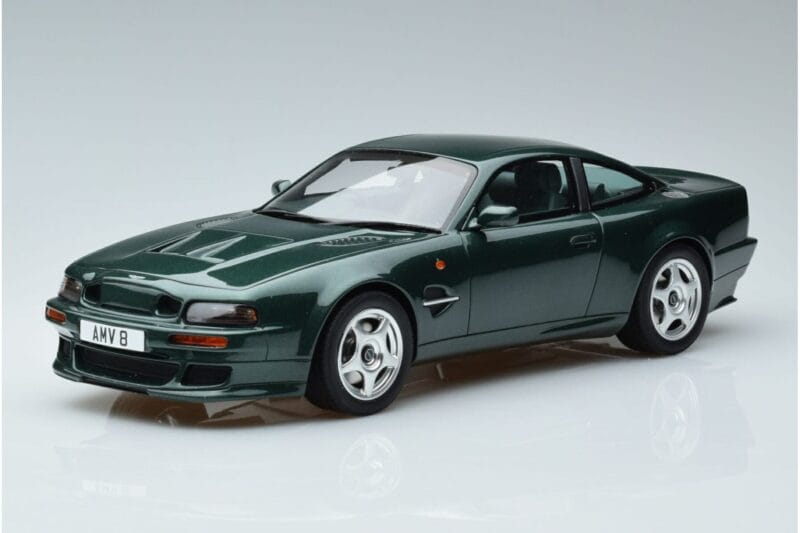
Aston Martin V8 Vantage Le Mans GT Spirit 1:18
Sold Out
1
/
6
1 / 6
[{"index":0,"id":"16266","thumb":"https:\/\/models118.co.uk\/wp-content\/uploads\/2026\/03\/aston-martin-v8-vantage-le-mans-gt-spirit-1-18-150x150.jpg","medium":"https:\/\/models118.co.uk\/wp-content\/uploads\/2026\/03\/aston-martin-v8-vantage-le-mans-gt-spirit-1-18-800x533.jpg","full":"https:\/\/models118.co.uk\/wp-content\/uploads\/2026\/03\/aston-martin-v8-vantage-le-mans-gt-spirit-1-18.jpg","alt":"Aston Martin V8 Vantage Le Mans GT Spirit 1:18 GT401 Resin"},{"index":1,"id":16296,"thumb":"https:\/\/models118.co.uk\/wp-content\/uploads\/2026\/03\/aston-martin-v8-vantage-le-mans-gt-spirit-1-18-1-150x150.jpg","medium":"https:\/\/models118.co.uk\/wp-content\/uploads\/2026\/03\/aston-martin-v8-vantage-le-mans-gt-spirit-1-18-1-800x533.jpg","full":"https:\/\/models118.co.uk\/wp-content\/uploads\/2026\/03\/aston-martin-v8-vantage-le-mans-gt-spirit-1-18-1.jpg","alt":"Aston Martin V8 Vantage Le Mans GT Spirit 1:18 GT401 Resin - image 2 of 6"},{"index":2,"id":16323,"thumb":"https:\/\/models118.co.uk\/wp-content\/uploads\/2026\/03\/aston-martin-v8-vantage-le-mans-gt-spirit-1-18-2-150x150.jpg","medium":"https:\/\/models118.co.uk\/wp-content\/uploads\/2026\/03\/aston-martin-v8-vantage-le-mans-gt-spirit-1-18-2-800x533.jpg","full":"https:\/\/models118.co.uk\/wp-content\/uploads\/2026\/03\/aston-martin-v8-vantage-le-mans-gt-spirit-1-18-2.jpg","alt":"Aston Martin V8 Vantage Le Mans GT Spirit 1:18 GT401 Resin - image 3 of 6"},{"index":3,"id":16350,"thumb":"https:\/\/models118.co.uk\/wp-content\/uploads\/2026\/03\/aston-martin-v8-vantage-le-mans-gt-spirit-1-18-3-150x150.jpg","medium":"https:\/\/models118.co.uk\/wp-content\/uploads\/2026\/03\/aston-martin-v8-vantage-le-mans-gt-spirit-1-18-3-800x533.jpg","full":"https:\/\/models118.co.uk\/wp-content\/uploads\/2026\/03\/aston-martin-v8-vantage-le-mans-gt-spirit-1-18-3.jpg","alt":"Aston Martin V8 Vantage Le Mans GT Spirit 1:18 GT401 Resin - image 4 of 6"},{"index":4,"id":16377,"thumb":"https:\/\/models118.co.uk\/wp-content\/uploads\/2026\/03\/aston-martin-v8-vantage-le-mans-gt-spirit-1-18-4-150x150.jpg","medium":"https:\/\/models118.co.uk\/wp-content\/uploads\/2026\/03\/aston-martin-v8-vantage-le-mans-gt-spirit-1-18-4-800x533.jpg","full":"https:\/\/models118.co.uk\/wp-content\/uploads\/2026\/03\/aston-martin-v8-vantage-le-mans-gt-spirit-1-18-4.jpg","alt":"Aston Martin V8 Vantage Le Mans GT Spirit 1:18 GT401 Resin - image 5 of 6"},{"index":5,"id":16404,"thumb":"https:\/\/models118.co.uk\/wp-content\/uploads\/2026\/03\/aston-martin-v8-vantage-le-mans-gt-spirit-1-18-5-150x150.jpg","medium":"https:\/\/models118.co.uk\/wp-content\/uploads\/2026\/03\/aston-martin-v8-vantage-le-mans-gt-spirit-1-18-5-800x533.jpg","full":"https:\/\/models118.co.uk\/wp-content\/uploads\/2026\/03\/aston-martin-v8-vantage-le-mans-gt-spirit-1-18-5.jpg","alt":"Aston Martin V8 Vantage Le Mans GT Spirit 1:18 GT401 Resin - image 6 of 6"}]
Aston Martin V8 Vantage Le Mans GT Spirit 1:18
Current price:
£393.00
Out of Stock
Get notified when back in stock
We'll notify you once when this item is available. No spam.
View Similar Aston Martin Models
Shipping to United States (US)
Worldwide delivery
Prices exclude VAT
No hidden costs
Shipping from £14.99
Tracked & insured
Pay in GBP £
Local currency
100% Authentic
Authorized distributors
Double-Boxed
5-layer packaging
Easy Returns
14 days, no questions
Secure Payment
256-bit encryption
Specifications
- SKU
- GT401
- Brand
- Aston Martin
- Manufacturer
- GT Spirit
- Scale
- 1:18
- Material
- Resin
- Model Condition
- New Model
- Body Type
- Coupé
- Era
- 1980s
- Vehicle Class
- Grand Tourers
- Openable Parts
- No
- Packaging Condition
- New
- Model Type
- Street Models
Recently Viewed Models
{"id":19685,"name":"Aston Martin V8 Vantage Le Mans GT Spirit 1:18","price":"£<\/span>393.00<\/bdi><\/span>","image":"https:\/\/models118.co.uk\/wp-content\/uploads\/2026\/03\/aston-martin-v8-vantage-le-mans-gt-spirit-1-18-400x400.jpg","permalink":"https:\/\/models118.co.uk\/aston-martin-v8-vantage-le-mans-gt-spirit-1-18-gt401\/","brand":"Aston Martin"}