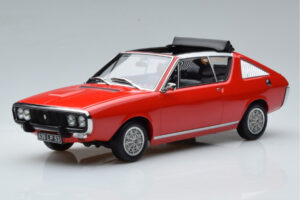
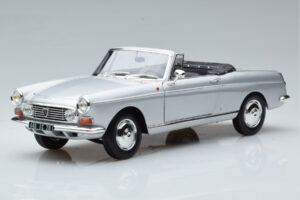
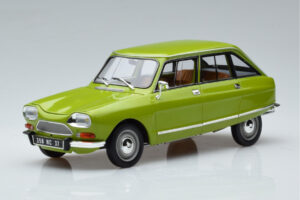
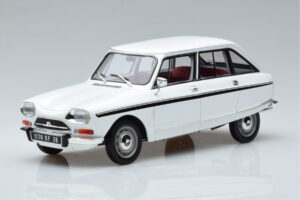
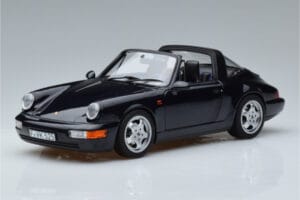

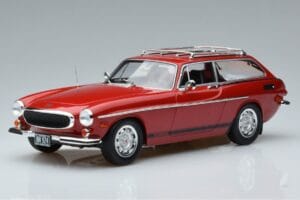

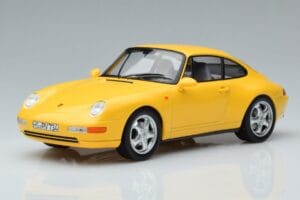
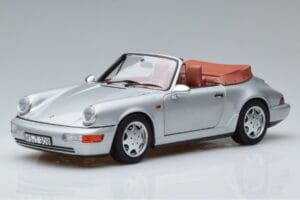
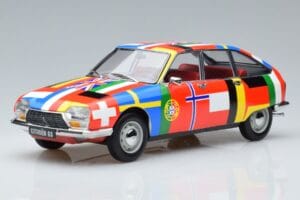

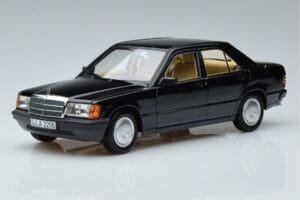

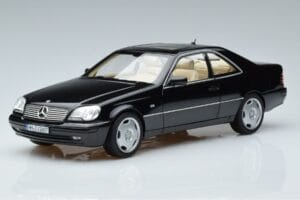
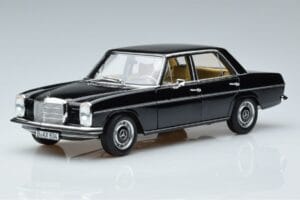
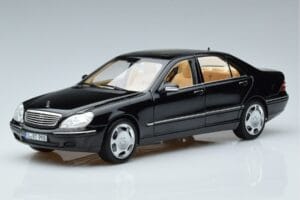
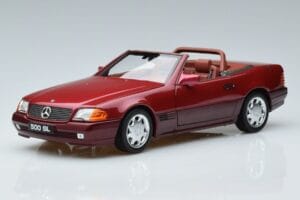
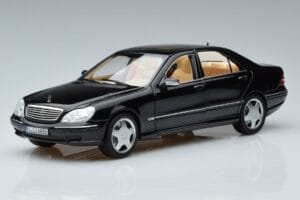
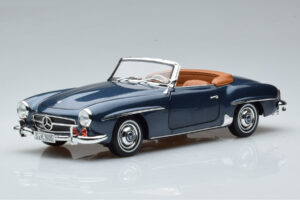
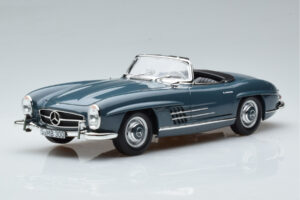

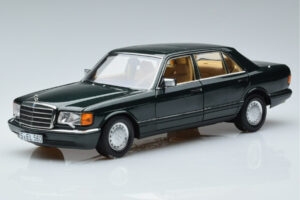

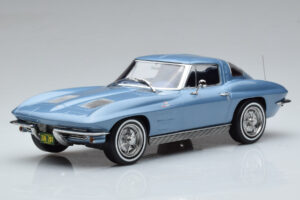
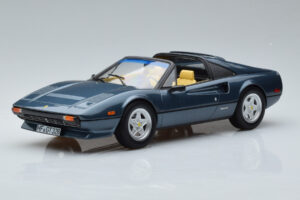
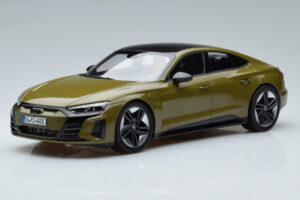
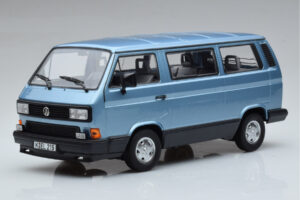
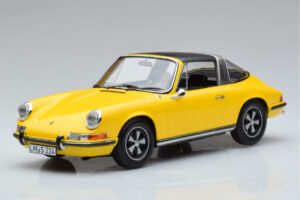
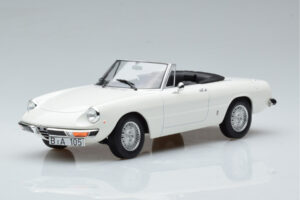
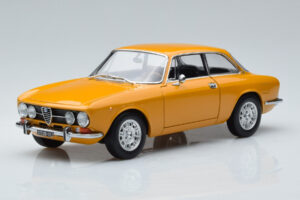
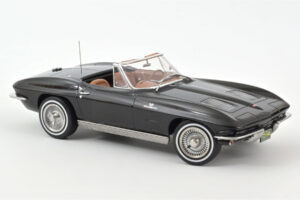
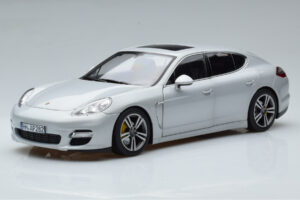
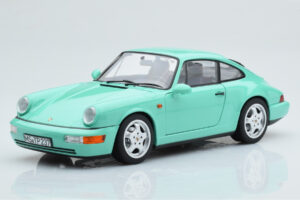
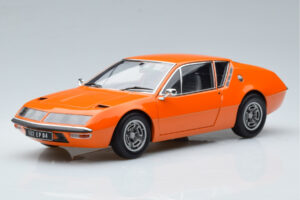
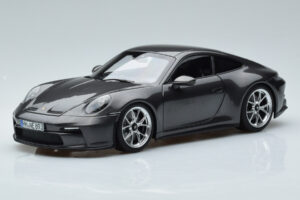
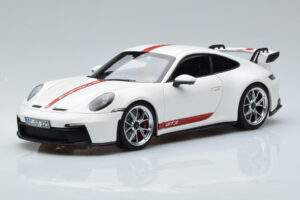
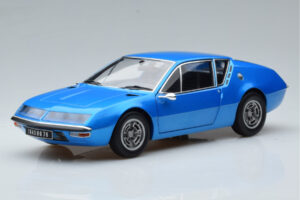
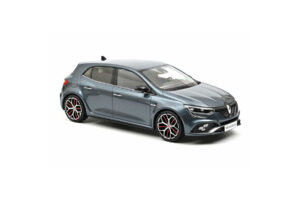
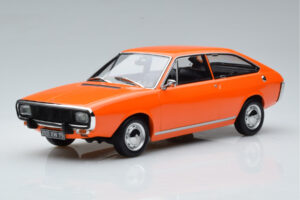
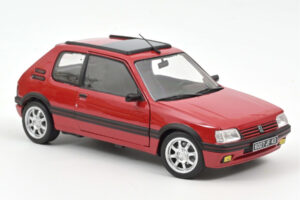
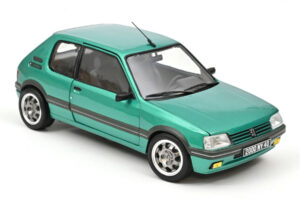
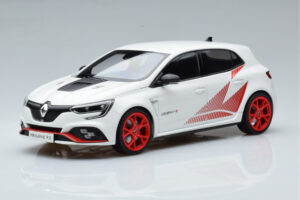
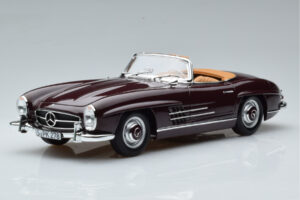
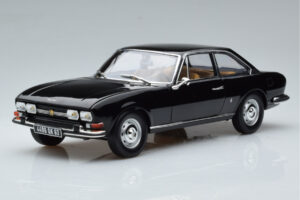
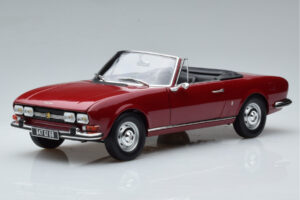
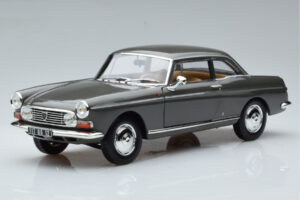
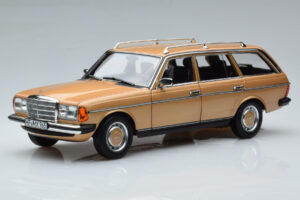
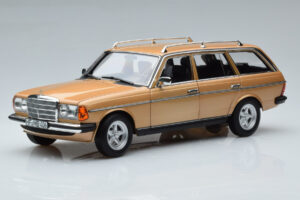
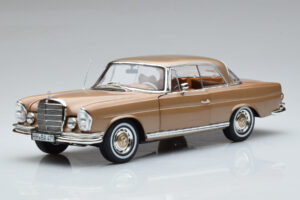
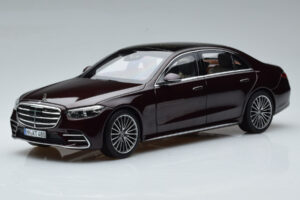
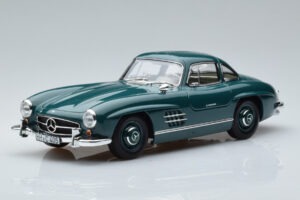
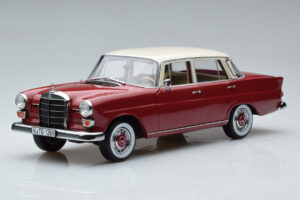
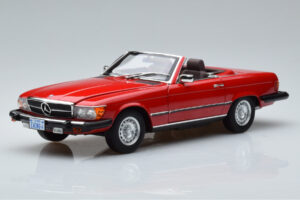
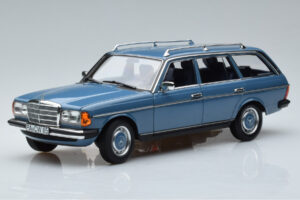
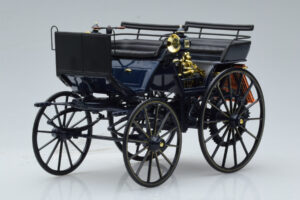
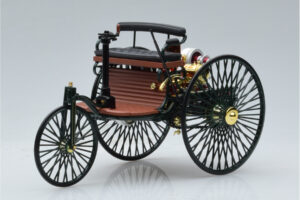
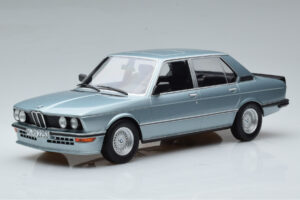
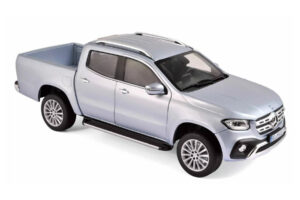
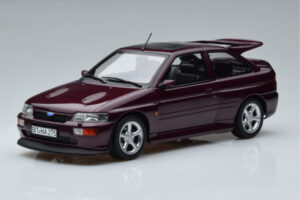
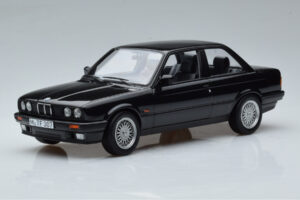
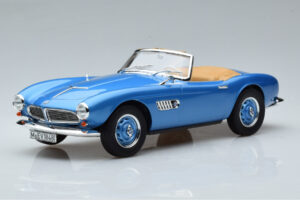
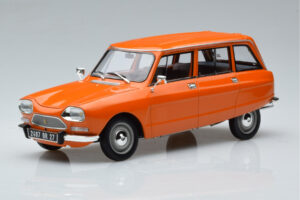
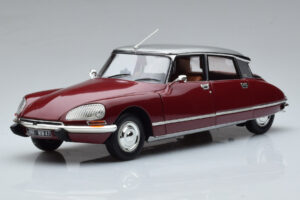
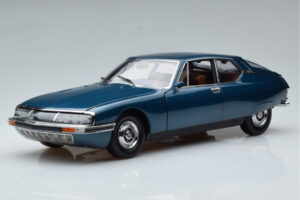
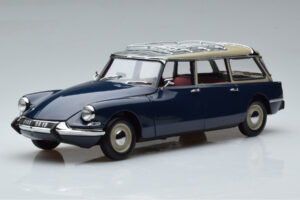
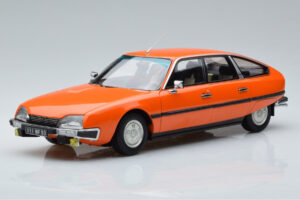
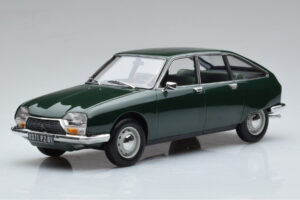
Norev model cars occupy a very useful space in the collector market: well-proportioned replicas with an emphasis on modern European road cars, often offered in the scales most UK collectors display most easily. Norev has long been associated with French automotive culture, and that influence shows in the breadth of its catalogue—strong coverage of French marques alongside a substantial selection of German and Italian icons. For collectors who enjoy building complete line-ups by generation, trim or colour, Norev’s approach is frequently about getting the stance and surfacing right, then supporting it with clean paint and tidy finishing.
The pleasure of browsing Norev is that it suits both focused and broad collections. You might be a Mercedes enthusiast looking for contemporary saloons and performance variants, a Porsche collector wanting a sensible way to represent multiple generations, or a devotee of Peugeot, Citroën or Renault building a shelf that feels distinctly European. Norev often provides that “missing middle” between entry-level models and boutique-priced pieces, making it easier to collect with consistency rather than stopping at one or two statement purchases.Norev’s style: proportion, paint and everyday authenticity
Norev’s best work tends to start with the overall silhouette. Modern cars can be surprisingly hard to capture convincingly in miniature because they rely on subtle curvature, precise shut lines and complex lighting signatures. When a model maker gets the proportions wrong, the replica looks toy-like even with plenty of added detail. Norev generally aims for a faithful stance—wheelbase, roofline and wheel fitment that suit the subject—so that the model looks correct at normal viewing distance, not only under a macro lens.
Paint and colour choice are a particular strength when you are collecting contemporary road cars. Many Norev releases are offered in the kinds of factory shades you actually see: understated greys and silvers, deep blues, sensible whites, and the occasional brighter colour that feels authentic rather than exaggerated. For UK collectors, that matters because it keeps a cabinet looking coherent. It is easy to build a “real-world” fleet display that feels like a line of cars you might encounter on British roads, yet still includes the halo vehicles that make collecting fun.
Finishing details are typically chosen to support the overall impression rather than overwhelm it. Expect neat badging, clean glazing and sensibly rendered trim. On some subjects you will see opening features in larger scale; on others, a sealed approach prioritises body accuracy and keeps shut lines tidy. That variation can actually help collectors: you can decide whether you prefer functional opening panels or the cleaner look of a sealed display model.Brands that suit Norev collecting
Norev’s catalogue naturally encourages marque-based collecting. Mercedes-Benz is a particularly good fit, because Norev’s modern road-car focus aligns well with the kind of vehicles many enthusiasts want to represent: contemporary saloons, estates and performance derivatives in realistic specifications. A Mercedes shelf built with Norev can feel convincingly “fleet-like”, with consistent scale presence and a sensible spread of colours. If your interest leans towards AMG, the same logic applies—performance details read well when the stance is right and the wheels are properly sized for the arches.
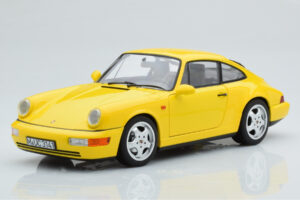
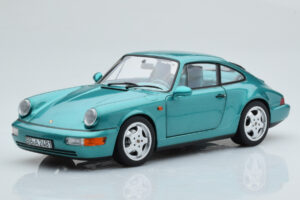
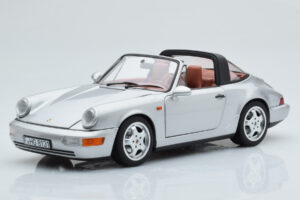
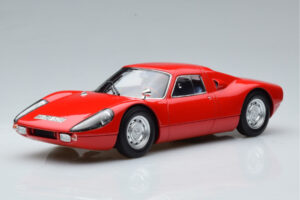
Porsche is another natural pairing. Collectors often want to show evolution—multiple generations of the 911, or a broader story that includes mid-engined cars and SUVs. Norev’s approach works well for that, particularly if you value having a complete run that looks consistent on the shelf. The brand’s clean surfacing and strong design signatures also suit Norev’s strengths in proportion and paint.
French marques, of course, are where Norev feels most culturally at home. Peugeot, Citroën and Renault models have a special appeal in the UK because they blend familiarity with a slightly continental character. Collectors who appreciate automotive history beyond the obvious supercar narrative often enjoy building French-themed shelves: hot hatches, executive saloons, quirky design statements and cars that defined everyday motoring in Europe. In miniature, that theme can be surprisingly elegant, especially when you curate by decade and keep colours period-appropriate.
Norev also appeals to collectors who like modern “design objects” rather than only classics. Contemporary cars have distinctive lighting, wheel designs and interior architecture; a well-judged replica lets you enjoy those details without needing the real vehicle. That is part of why Norev’s modern bias makes sense for many collections: it mirrors the cars enthusiasts see, read about and aspire to now.Norev 1:18 models and 1:43 scale strategy
Norev 1:18 models are often the choice when you want a cabinet centrepiece with enough size for interior presence and convincing road stance. At 1:18, paint finish and body surfacing become more apparent, so a cleanly executed model reads as properly “automotive” rather than simply as a miniature. If the subject includes opening panels, this scale is where they become genuinely enjoyable: doors that reveal seat shapes and dashboard architecture, and in some cases bonnet detail that adds realism even when simplified compared with the real engine bay.
Norev 1:43 model cars, by contrast, are ideal for building breadth. UK collectors frequently use 1:43 to create complete line-ups—multiple generations of a model, different trims, or a themed display that spans decades—without dedicating an entire room to display cases. In 1:43, the most important qualities are proportion, wheel accuracy and print crispness. Norev tends to perform well here, delivering models that look coherent when lined up in groups, which is exactly how many collectors display this scale.
A sensible collecting approach is to use 1:18 for a few heroes—perhaps your favourite Mercedes generation, a standout Porsche, or a meaningful French icon—then use 1:43 to fill out the story around them. That mixed-scale method keeps the collection curated rather than cluttered, and it plays to Norev’s strengths across both formats.What to look for when browsing Norev
Because Norev’s appeal is often about overall realism, begin with the fundamentals. Check stance: do the wheels sit correctly within the arches, and does the car sit at a believable ride height? Then consider wheels and tyres, which can make or break the look of modern cars. A well-chosen wheel design and a sensible tyre profile do more for authenticity than extra under-bonnet detail you will rarely see.
Next, look at paint and trim execution. Metallic colours should have even flake and consistent tone across panels. Black trim around windows and grilles should be cleanly applied, and badges should be legible without appearing oversized. On modern subjects, lighting details matter: headlamp and tail-lamp elements should have depth and the correct internal shapes. On French cars in particular, the character often lives in these design signatures, so it is worth paying attention.
Finally, think about coherence. Norev is at its best when you collect with a plan: a run of Mercedes saloons by generation, a Porsche evolution shelf, or a French-themed cabinet that celebrates everyday icons alongside performance variants. That is why this category works well as a browsing destination—filter by scale, then refine by marque and era, and you can build a collection that looks deliberate rather than accidental.
If you are assembling a display that feels authentically European—realistic colours, recognisable road cars and a few aspirational highlights—Norev is a thoroughly sensible foundation. Browse the selection and choose the models that best match the story you want your shelves to tell.