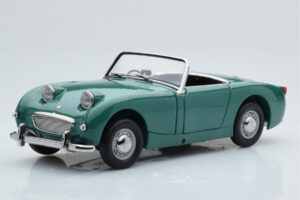
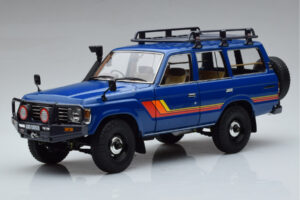
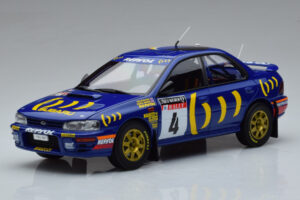
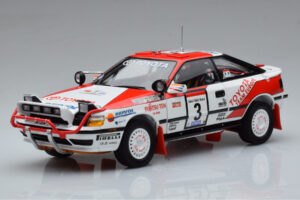
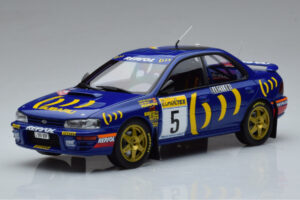
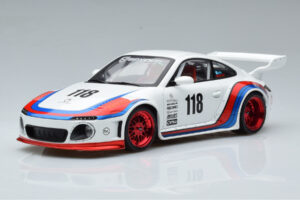
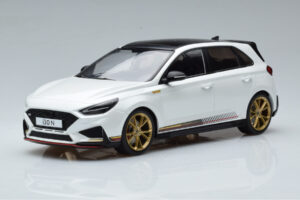
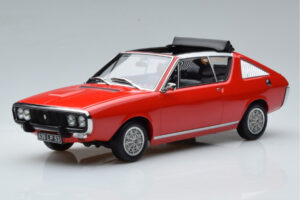
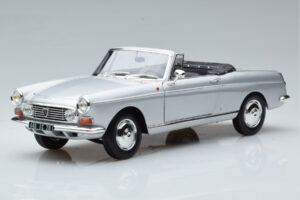
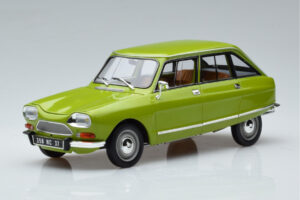
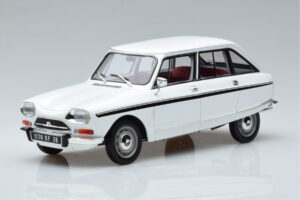
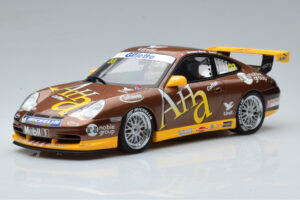
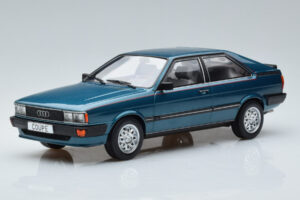
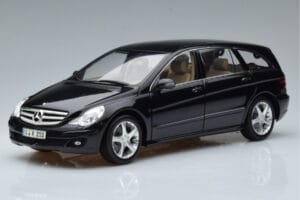



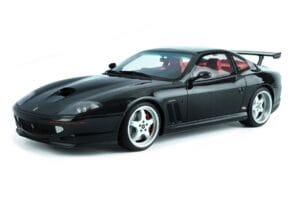
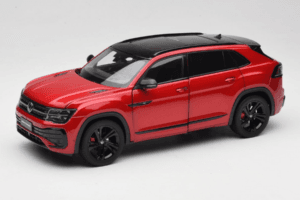
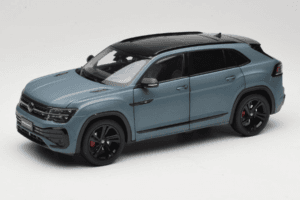
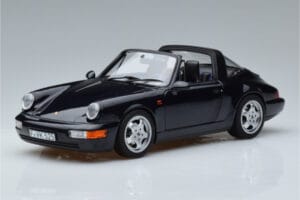
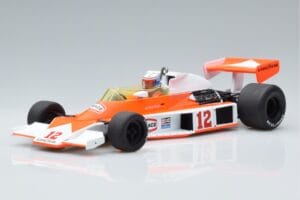
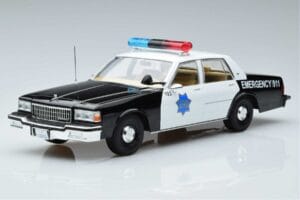

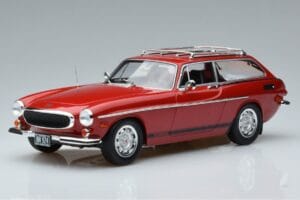

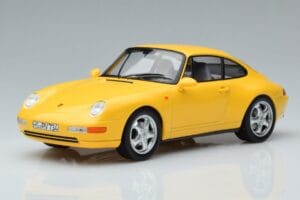
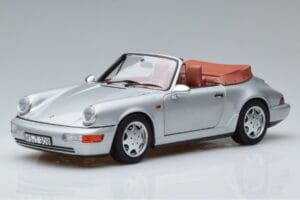
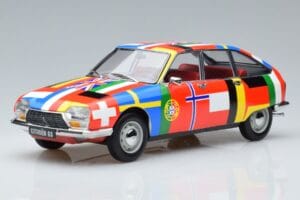
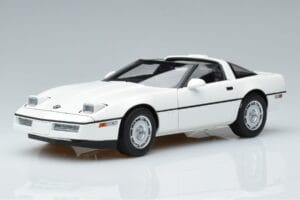
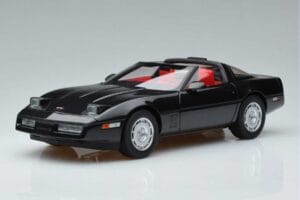


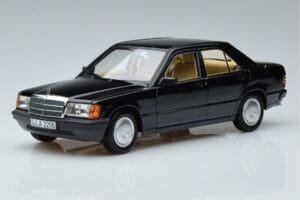

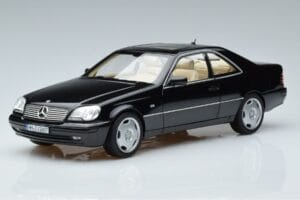
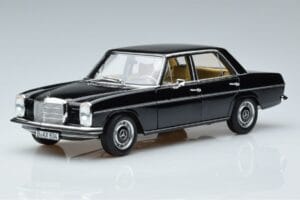
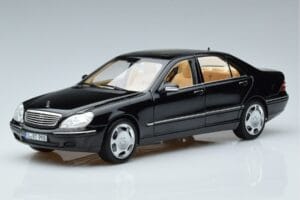
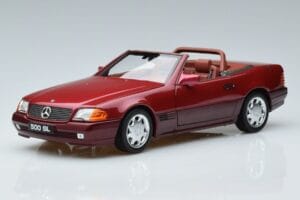
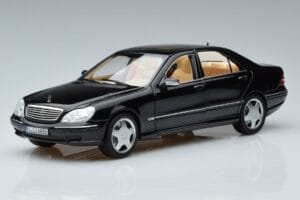
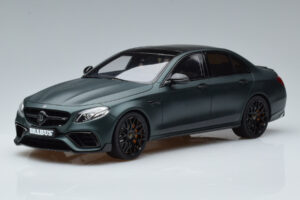
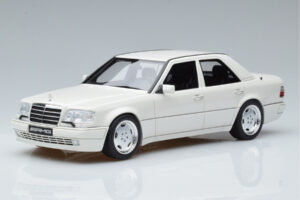
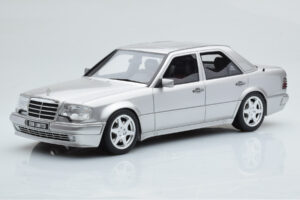
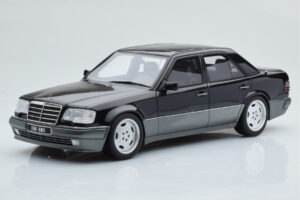
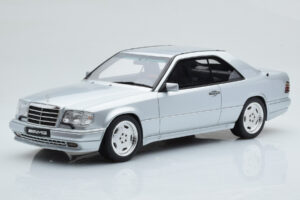
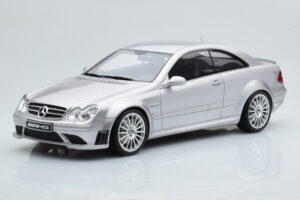
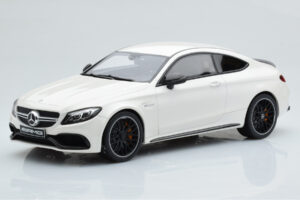
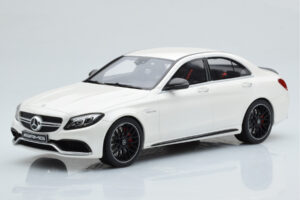
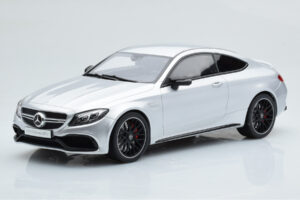
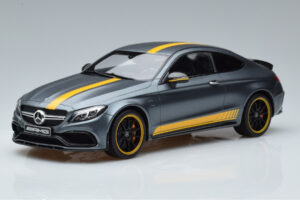


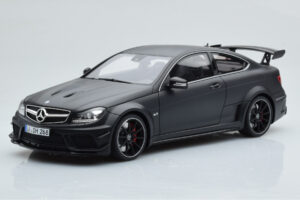
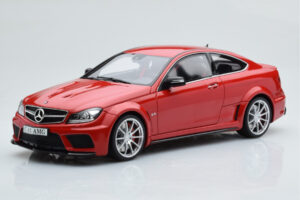

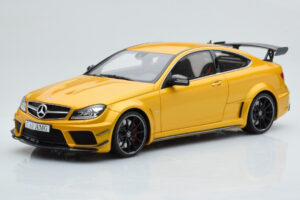
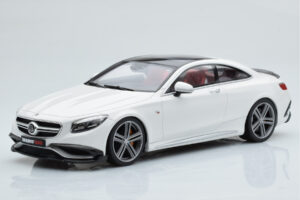
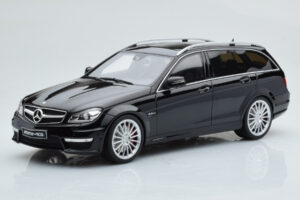
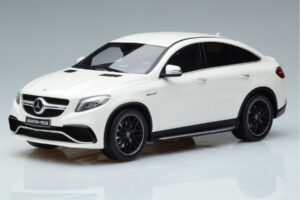
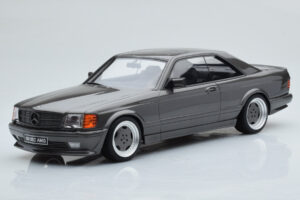
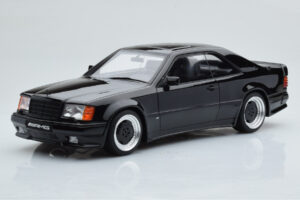
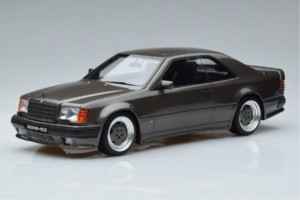
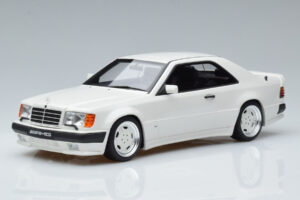
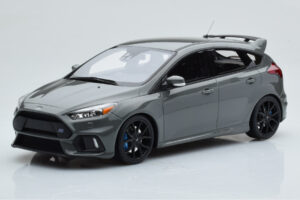
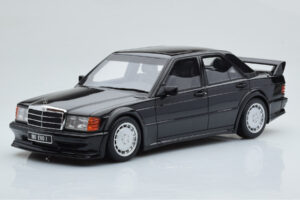
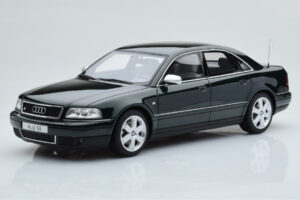
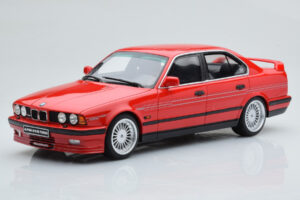
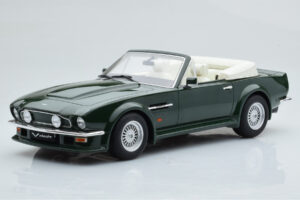
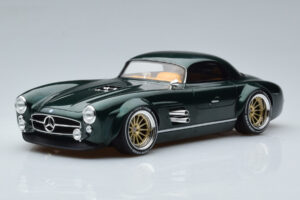
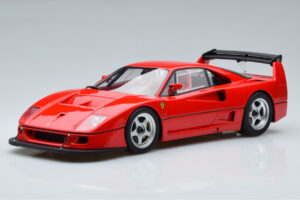
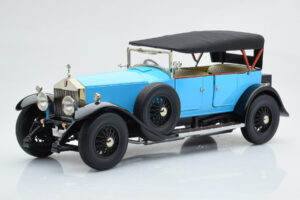
Model cars by era are one of the most satisfying ways to browse a large catalogue because time periods naturally shape design, engineering and motorsport culture. A 1950s sports racer, a 1970s touring car and a modern hypercar may share a badge, but they belong to entirely different worlds in stance, materials and intent. Sorting your collection by decade lets you build displays that feel coherent—chrome-and-wire-wheel classics together, wedge-shaped 1980s icons together, or contemporary carbon-era machines as a modern gallery. It also makes comparison easier: once you keep the era constant, differences between manufacturers, scales and production approaches become much clearer.Era-led collecting: the quickest route to a coherent display
Collectors often begin with a favourite car, then realise that a shelf becomes more convincing when its models share a common visual language. Pre-war cars tend to be tall, narrow and mechanically explicit—external spare wheels, upright grilles, delicate coachwork lines. Post-war classics introduce broader stances, more powerful engines and the glamour of early endurance racing. The 1960s and 1970s bring the shift from curvaceous to purposeful, with homologation specials, racing liveries and the rise of the supercar. By the time you reach the 1990s and 2000s, you see the move towards integrated aerodynamics, larger wheels and an engineering-led aesthetic, followed by today’s era of hybrid performance and extreme aero.
Browsing by era also helps you avoid the “nice model, wrong vibe” problem. A flawless modern GT3 car can look oddly clinical next to a delicate 1950s roadster, whereas it becomes a centrepiece in a contemporary motorsport line-up. Era-based shopping is therefore a practical tool as much as it is a romantic one: it guides your next purchase towards a collection that looks intentional rather than accidental.Model cars by era across road, race and rally heritage
Periods are not just calendar markers; they map directly to the stories enthusiasts care about. The 1950s and early 1960s, for example, are rich with front-engined sports cars and the formative years of Formula 1, with design evolving rapidly as speed increased. The late 1960s and 1970s capture a golden age of analogue performance: dramatic silhouettes, bold colours, and the kinds of race cars that still define Le Mans mythology. The 1980s add turbocharging, ground-effect thinking and the unmistakable “wedge” era, while rallying’s Group B years created poster-car legends whose replicas remain perennial favourites.
The 1990s and 2000s are often collected as a continuous “modern classic” period—supercars become more usable, touring cars and GT racing build huge fan bases, and road cars adopt the safety and refinement cues that shape today’s designs. The contemporary era then becomes its own category of interest: hybrid hypercars, track-focused specials and race machinery where aero dominates the silhouette. When you browse classic and modern model cars side by side, the evolution is the point—your display becomes a visual timeline of performance and design philosophy.
This approach is particularly rewarding for British collectors given the UK’s motorsport and road-car history. Era-led shelves might trace the path from early Jaguar and Aston Martin elegance through touring car culture, to modern McLaren-era performance thinking—without needing every model to be from the same marque.Choosing scale and build style for a vintage model car collection
A vintage model car collection lives or dies by proportion and finish. Older vehicles have more delicate surfacing—finer brightwork, thinner pillars, exposed lamps and subtle body creases—so accuracy matters. Scale choice influences how convincingly those details read. In 1:18, the presence is immediate: chrome trim, wheel spokes and cabin textures have room to look properly three-dimensional, making it a natural choice for “hero” pieces such as grand tourers, rally icons or a favourite endurance racer. In 1:43, you gain breadth: it becomes feasible to represent a whole decade, a full grid, or a sequence of generations without dedicating an entire room to display.
Build style also shapes the experience. Many collectors enjoy opening features in larger scales—doors, bonnets and boots—particularly for eras where the mechanical theatre is part of the charm. Sealed models, often used for cleaner body lines, can be excellent for modern subjects with complex surfacing and tight shut-lines, though plenty of collectors happily mix the two if the model earns its place. Paintwork finish is another consideration: period-accurate colours (including the many shades of British racing green) can make an era display feel authentic, while wheel and tyre choices—whitewalls, period-correct sidewalls, or modern low-profile rubber—anchor a model firmly in its time.
Manufacturer choice tends to follow these priorities. Entry and mid-tier makers can be ideal for building breadth across decades, while premium producers are worth seeking out for the cars that sit at the centre of your era narrative. In practical terms, many collectors use accessible models to fill out a timeline, then upgrade key reference cars—an iconic Le Mans winner, a defining supercar, or a beloved British classic—when a higher-specification version becomes available.Curating an era display with confidence
Once you begin collecting by period, a few curatorial habits make the results feel deliberate. First, choose an anchor: a decade, a motorsport period, or a “before and after” moment such as the switch from carburettors to fuel injection, or the move from naturally aspirated to turbocharged dominance. Second, decide whether your display is road-led, race-led, or mixed. A mixed shelf works very well if the era is tight—placing road cars beside their competition relatives can tell the story of homologation and technology transfer without explanation.
Finally, be honest about space and pacing. Era-led collecting is temptingly comprehensive, but it is often more satisfying to complete a small, coherent set—say, a handful of 1960s sports racers or a focused group of 1990s performance icons—than to spread across every decade at once. The point of browsing model cars by era is to make decisions easier: compare alternatives within the same period, pick the examples that best represent the design language you love, and let the collection grow with a clear theme. Explore the range and build a timeline that feels distinctly yours.