🚚 Free Worldwide Shipping on orders over €79

🎁 Use code FIRST5 for 5% off your first order

10,000+ collectors trust Models118

Body Type

Shipping to: United States (US)
Currency: GBP
Prices include VAT
Shipping: Calculated at checkout
73 produktow
Bezpieczne płatności
Darmowa dostawa od 99€
14 dni na zwrot
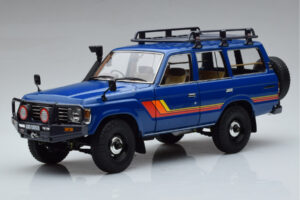
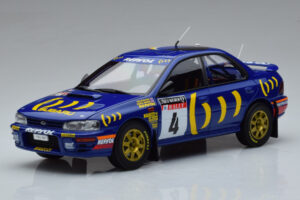
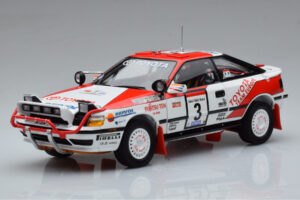
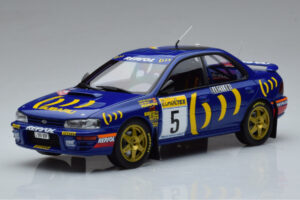
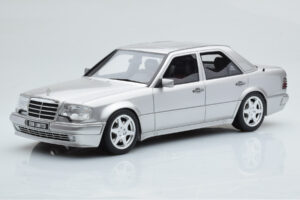
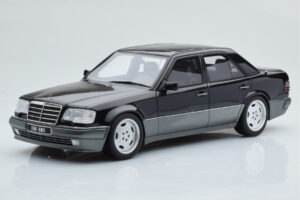
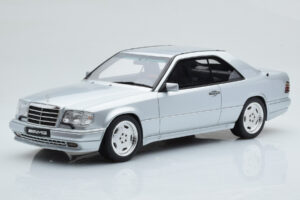
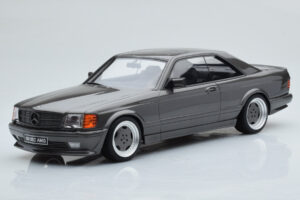
Browsing model cars by body type is often the most intuitive way to explore a large catalogue: you start with the silhouette you enjoy and then narrow down by era, marque, scale or maker. A low, long-bonnet coupé reads very differently on the shelf to a tall 4x4, and in miniature those proportions become the whole point. This Body Type hub brings together everything from practical saloons and estates to open-top roadsters, hot hatches and modern SUVs, so you can compare like-for-like and spot the details that matter to you. If you prefer shopping for car body style model cars rather than chasing a single badge, you are in the right place. Body type as a collecting lens Body styles are shorthand for purpose, engineering and even social history. A two-door sports coupé usually puts proportions first, with a low roofline, wide track and that familiar ‘cab-rearward’ stance; a saloon is about balance, visibility and passenger space; an estate adds utility without losing elegance. In model form, these cues are magnified: roof pillars, glass area, wheel arch shape and even the angle of a tailgate decide whether a replica looks convincing at a glance. Collectors who focus on body type tend to value faithful stance and surfacing over novelty, because the silhouette is what ties the display together. For browsing, body type is also wonderfully practical. Instead of trawling through every brand page, you can jump straight to the kind of car you want to collect and see which makers have tackled it well. Coupé collecting might take you from Aston Martin and Ferrari grand tourers to Japanese classics and modern German performance cars; a saloon shelf can span everything from a Jaguar Mk2 to a contemporary AMG or M car. Because the grouping is visual rather than historical, it encourages interesting ‘same-shape, different-era’ comparisons, and it helps when you are trying to keep a cabinet coherent without restricting yourself to one marque. Different body types also highlight different modelling challenges. On a saloon, look at the straightness of the character lines, the thinness of the pillars and whether the wheels sit square in the arches; small errors here can spoil an otherwise good replica. On estates and SUVs, the tailgate area tells you a lot: rear wiper detail, number plate recesses and the way the glass sits against the bodywork. Coupés and roadsters put trim and glazing under the spotlight, where photo-etched grilles, neat window surrounds and convincing metallic paint make a real difference. Thinking this way makes it easier to choose between diecast and resin, sealed bodies and opening panels. Model Cars by Body Type and the Stories They Tell Coupés and grand tourers Coupés and grand tourers sit at the heart of many collections because the proportions are so satisfying in miniature. Long bonnets, short rear decks and a low glasshouse suit everything from pre-war coachbuilt elegance through to modern supercars. British favourites such as the Aston Martin DB line, Jaguar E-Type and Bentley Continental GT look particularly good when the paint finish has depth and the brightwork is crisp rather than over-thick. In larger scales, opening doors and bonnets can add theatre, but even sealed replicas can be excellent if the shut lines are tight and the glazing sits flush. A well-executed coupé is often the ‘hero’ model that anchors a shelf. Saloons and estates Saloons and estates appeal to collectors who enjoy the cars you actually see (and remember) on British roads. The charm is in the stance and the everyday details: correct ride height, neat badging, properly rendered grille texture and believable wheels make a Jaguar XJ, BMW 5 Series or Mercedes-Benz executive saloon feel authentic rather than toy-like. Estates have their own following, especially performance ‘wagons’ that never quite lost their practicality; the rear quarter windows, roof rails and tailgate shut lines need to be sharp to capture the shape. These are also body styles where accurate colours and number plates add a satisfying sense of place. Hatchbacks and hot hatches Hatchbacks are small in real life, so their models reward makers who get the proportions and attitude right. A classic Mini, Peugeot 205, Golf GTI or Ford Escort-based hero car relies on short overhangs and a purposeful stance; if the wheels look tucked-in or the ride height is off, it shows immediately. Hot hatches also tend to bring bright graphics, stripes and period-correct wheels, which is where clean tampo printing and well-matched decal colours matter more than opening panels. For many collectors, hatchbacks are a nostalgic thread through the 1980s and 1990s, linking road-going favourites to rally and touring car culture. Convertibles and roadsters Convertibles and roadsters are about the cabin as much as the exterior, which makes them surprisingly demanding in miniature. With the roof down, you notice seat textures, dashboard printing and whether the windscreen frame is fine enough; flocked carpets and properly shaped steering wheels are worth paying attention to. British open-top motoring has its icons—think MG, Triumph and Lotus—alongside modern favourites such as the Mazda MX-5 and Porsche Boxster. Some makers offer roof-up and roof-down variants; others model a tonneau cover or a folded hood, and getting that fabric look right can be the difference between ‘display model’ and ‘toy’. Roadsters also suit dioramas, as they look natural parked in a garage scene. SUVs, 4x4s and working vehicles SUVs and 4x4s bring a different kind of presence, with height, tyre sidewall and functional detailing doing much of the work. A Land Rover Defender or Range Rover looks best when the ride height is believable and the tyres have proper tread rather than a smooth ring of rubber; on pick-ups and expedition builds, accessories such as roof racks, spare wheels and lamp guards need to look in scale. Because these vehicles are physically large, collectors often choose smaller scales for breadth, keeping 1:18 for a few centrepiece off-road icons. Utility body types also highlight finish choices: satin plastic trim, matte underbody textures and realistic mudflaps are small touches that make a working vehicle feel properly used. Competition bodywork Competition cars sit slightly outside everyday body-type logic, yet they are often collected by shape: open-wheel single-seaters, sports prototypes, touring cars and GT racers each have their own visual language. Here the priorities change. Livery accuracy, fine sponsor printing and delicate aerodynamic parts matter more than opening doors, and sealed resin models are common because they hold crisp edges around splitters, wings and diffusers. Brands such as Spark and Minichamps are well regarded for capturing endurance and single-seater detail, while premium makers focus on fewer subjects with more intricate finishes. If you enjoy the engineering look of carbon fibre, brake ducts and aero flicks, race-bred bodywork offers a very different kind of satisfaction on the shelf. Choosing scale and maker for each body style Scale decisions are often driven by body type as much as budget. A supermini hatchback in 1:18 has charm, but it can look lost next to a long-wheelbase saloon or a bulky SUV in the same scale; many collectors therefore mix formats, using 1:18 for favourite hero cars and 1:43 for breadth. As a rough guide, 1:18 models sit around 25–30 cm long, which makes doors, bonnets and interior trim easier to appreciate; 1:43 is closer to 10 cm and suits tightly curated line-ups. Whether you favour coupe, saloon or SUV model cars, thinking about shelf depth and cabinet height early will save you frustration later. Material and construction matter differently across silhouettes. Diecast models are popular for road cars with opening features, where seeing the cabin of a saloon or the engine bay under a long GT bonnet is part of the enjoyment. Resin models, usually sealed, can deliver very sharp surfacing and consistent panel gaps, which suits modern supercars, limited editions and many competition subjects. For open-top cars, resin can be particularly effective because the interior is on permanent display and the maker can concentrate on fine trim rather than hinges. The best approach is to treat ‘diecast versus resin’ as a choice of experience: interactive opening panels and weight versus pure display accuracy and crisp detail. The maker landscape helps set expectations. Entry-level ranges from Bburago or Maisto can be ideal for filling out a fleet of everyday hatchbacks or SUVs without overthinking it, while British names such as Corgi and Oxford Diecast have a particular appeal for home-market subjects. Mid-tier manufacturers including Norev, Solido and Minichamps often offer the sweet spot for modern road cars, with accurate proportions and respectable paintwork across coupés, saloons and estates. Premium specialists like AUTOart and Kyosho are known for finer shut lines and better interior execution, and boutique houses such as CMC, BBR, Looksmart or Amalgam tend to focus on fewer models with exceptionally accurate finishes. Matching the maker to the body type keeps the collection coherent. When comparing models within the same body type, small details separate a good replica from a merely acceptable one. Check the stance first: wheel offset, ride height and whether tyres sit evenly in the arches. On cars with lots of glass—coupés, saloons and estates—the fit of the windows and the thickness of the A-pillars are telling, as is the sharpness of window trim and wipers. For SUVs and utility vehicles, look for convincing textures on grilles and bumpers, plus realistic underbody treatment. On racing models, inspect sponsor alignment and the robustness of wings and mirrors. These observations are more useful than chasing one ‘best’ brand, because each maker has strengths in different body styles. Curating a collection by silhouette Collecting by body type lends itself to clear themes without feeling restrictive. A grand tourer display might blend Aston Martin and Jaguar classics with Italian berlinettas, while a ‘super saloon’ shelf could run from period BMW and Mercedes performance cars to modern turbocharged bruisers. Hot hatch collections often become a timeline of personal motoring memories, and 4x4 themes work brilliantly with British subjects such as Defender and Range Rover alongside global icons. Even a small cabinet can feel curated if you decide your centre of gravity—two-door coupés, open-top roadsters, or perhaps everyday estates that rarely get celebrated. Because the silhouettes relate to one another, the display reads as intentional rather than accidental. For display, body type gives you an easy visual rhythm. Keep rooflines aligned for a clean ‘showroom’ look, or stagger heights—hatches in front, saloons behind, SUVs on the top shelf—so each model remains visible. Coupés and roadsters benefit from good lighting, as it brings out metallic paint and interior detail; open-top cars in particular look better without harsh shadows across the cabin. If you use acrylic cases, leave a little clearance around mirrors and wings, especially on racing models where aero parts are delicate. A restrained colour palette (British racing green, silvers and blacks, for example) can unify mixed marques, while a few bold rally liveries add contrast without clutter. A body-type approach also helps with buying decisions. If you are building a line of similar cars—say, six coupés from different decades—consistency in scale and finish tends to matter more than chasing the most expensive maker every time. Many collectors use mid-tier models for the ‘supporting cast’, then choose one or two premium pieces as centrepieces where the extra refinement is most noticeable. It is also sensible to think about where opening features genuinely add value: a convertible may not need opening doors if the interior is already visible, whereas a saloon with a detailed dashboard can be more rewarding when the doors open cleanly. This kind of planning keeps the collection focused as it grows. However you collect, browsing by silhouette is a satisfying way to discover models you might otherwise miss—an estate version of a favourite saloon, a roadster variant of a GT, or a workhorse 4x4 that adds character to a display of supercars. Use the Body Type category to explore the range, then refine by scale, manufacturer, era or marque once you have found the shapes you enjoy most. The result is a collection that feels deliberately assembled, with each model contributing to a broader theme rather than simply filling space.


0
Models118
Privacy Overview

This website uses cookies so that we can provide you with the best user experience possible. Cookie information is stored in your browser and performs functions such as recognising you when you return to our website and helping our team to understand which sections of the website you find most interesting and useful.