🚚 Free Worldwide Shipping on orders over €79

🎁 Use code FIRST5 for 5% off your first order

10,000+ collectors trust Models118

BMW

Shipping to: United States (US)
Currency: GBP
Prices include VAT
Shipping: Calculated at checkout
10 produktow
Bezpieczne płatności
Darmowa dostawa od 99€
14 dni na zwrot
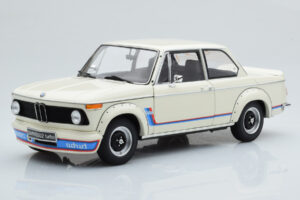
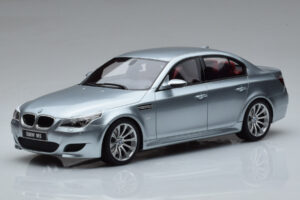
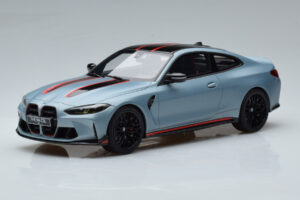
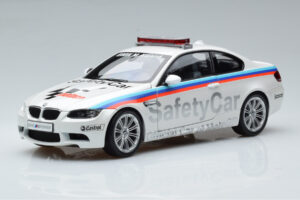
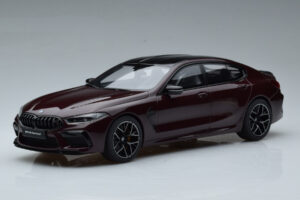
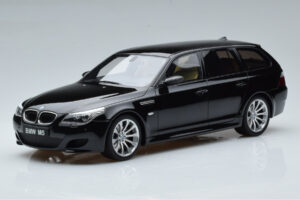
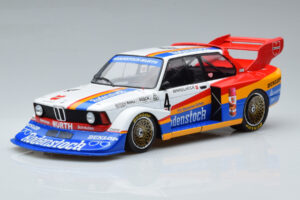
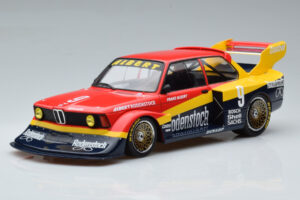
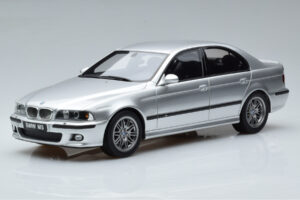
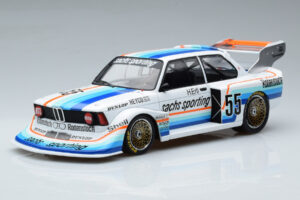
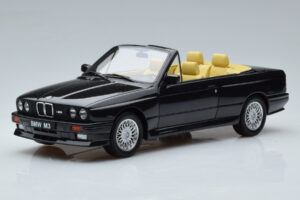
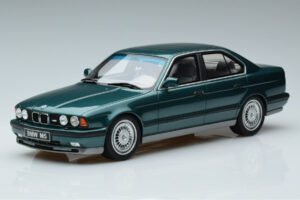
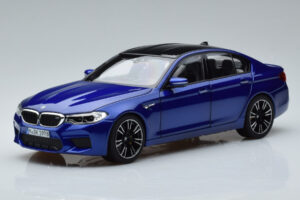
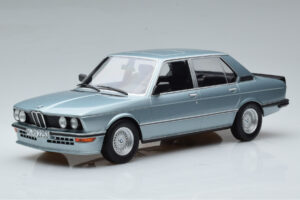
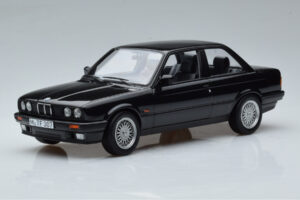
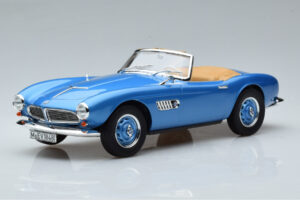
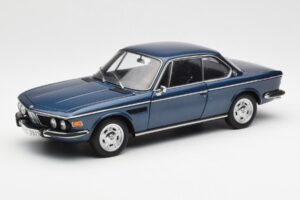
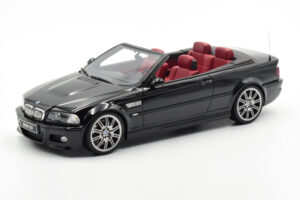
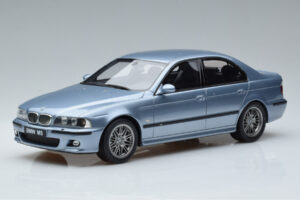
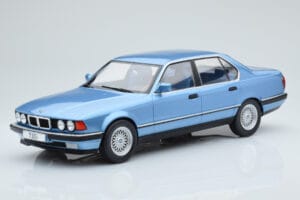
BMW model cars sit at a pleasing intersection of engineering-led road cars and hard-edged motorsport pedigree. From the landmark saloons that defined the sports executive class to the M cars that became shorthand for attainable performance, BMW has produced a catalogue that rewards collecting by era, body style, or competition story. In scale, the appeal is similar: you can curate a tight, display-led selection of hero models, or build a broader timeline that shows how Munich’s design language and performance philosophy have evolved. Collectors often come to BMW through a single touchpoint—an E30 M3 poster car, a 2002 Turbo remembered from childhood, or the modern theatre of an M4 CSL—but stay because the brand offers continuity. A BMW collection can move logically from 1970s homologation specials into 1990s touring cars and on to today’s high-output road machines without ever losing that unmistakable straight-six-and-chassis-balance character. That makes this category a strong browsing destination: it is easy to compare variants, choose a scale that suits your space, and build a coherent theme.BMW diecast models across generations and body styles BMW diecast models tend to fall naturally into generational chapters that collectors recognise immediately. The 1960s and 1970s establish the foundations: compact saloons and coupés with crisp glasshouse proportions, delicate brightwork, and the beginnings of the driver-focused cockpit. Move into the 1980s and 1990s and the story becomes more performance-led—E28 and E34 M5 saloons, E24 and E31 grand touring coupés, and the box-arched E30 M3 that remains one of the most significant homologation cars ever built. From the late 1990s onwards, BMW’s range broadens and the collecting angles multiply. The E46 era is a favourite for good reason: it captures the brand at a point where steering feel, compact dimensions and usable performance met in the middle. Later generations introduce larger footprints and more complex surfaces, but also a rich mix of special editions and track-focused variants that translate well into miniature form. Within one shelf, you can chart the evolution from naturally aspirated M power to turbocharged torque, from analogue switchgear to digital dashboards, and from classic kidney grille proportions to the bolder modern interpretation. If your interest leans towards sports cars rather than saloons, BMW also offers compelling centrepieces. Z cars provide a neat thread from the classic long-bonnet roadster silhouette through to sharper modern designs. Collectors who enjoy technical milestones can pursue the brand’s “lightweight and clever” moments—limited-run specials, CSL-style iterations, or cars known for a particular engineering solution—rather than simply collecting the most famous shapes.Choosing BMW 1:18 model cars and other popular scales BMW 1:18 model cars are often the sweet spot for collectors who want presence without committing to truly large formats. At this size, wheel designs, brake hardware, interior textures and the subtleties of paint finish become genuinely appreciable from normal viewing distance. It is also the scale where certain models may offer opening features—doors, bonnet and boot—depending on the maker and the specific release. For display-led collectors, 1:18 is excellent for “hero” BMWs: a defining M car, a favourite touring car livery, or a design icon that deserves to anchor a shelf. For breadth, many collectors mix in 1:43, especially when building generational timelines or comparing several variants side by side. In 1:43 you can represent a much wider spread—multiple 3 Series generations, different M3 iterations, a set of touring cars, and perhaps a handful of contemporary machines—without needing a dedicated room. Meanwhile 1:64 works nicely for desk displays and for capturing the spirit of BMW’s modern performance cars in a compact footprint, though fine interior detail is naturally more impressionistic at that size. Scale choice also ties to how you like to browse: if you enjoy comparing subtle changes between model years—bumper details, wheel styles, mirror shapes—then a consistent scale makes the differences clearer. If you prefer a more curated “best-of” collection, mixing scales can be surprisingly effective, with one or two 1:18 centrepieces supported by a wider supporting cast in 1:43.Manufacturers, materials and what to look for in collector replicas The BMW category typically spans multiple production approaches, and understanding them helps you choose with confidence. Diecast models often appeal for their weight in the hand, the satisfying solidity of the body shell, and the potential for opening panels on certain releases. They suit collectors who enjoy interacting with the model as well as displaying it. Resin models, by contrast, are usually sealed, but can deliver especially crisp shutlines, faithful surface detail, and consistent paintwork—ideal for modern BMWs where the precision of the exterior surfacing is a key part of the design. Different makers specialise in different flavours of BMW. Minichamps has long been associated with German performance and motorsport subjects, making it a familiar name for collectors chasing M cars and period racing. AUTOart, where available for a given subject, is often chosen by enthusiasts who want a higher-end finish and convincing detailing at display distance. Kyosho has produced notable BMW releases over the years, valued for their balance of presentation and build quality. At the more accessible end, brands such as Bburago and Maisto can provide enjoyable entry points, particularly for modern road cars, while boutique producers sometimes focus on limited-run specials where smaller production runs make sense. When comparing models, pay attention to a handful of details that matter disproportionately on BMWs. Wheel correctness is crucial—BMW designs many wheels that are instantly recognisable, and the wrong spoke profile can change the whole stance. Kidney grille shape and texture matters as well, especially on newer cars where grille proportions define the front view. Finally, stance and ride height are worth scrutinising; a BMW that sits too high can lose that poised, rear-drive look that enthusiasts expect.Motorsport heritage: touring cars, endurance and the M story BMW’s motorsport history is a rich seam for collectors, particularly if you enjoy liveries and race-specific details. The touring car world is an obvious draw: wide arches, purposeful splitters, and sponsor graphics that turn familiar road shapes into full competition weapons. An M3 in touring car trim is a natural focal point for a shelf, and it pairs beautifully with road-going equivalents to show the relationship between homologation, development and showroom appeal. Endurance racing and GT competition add another dimension—long-distance machines that look subtly different from sprint-race counterparts, often with distinctive lighting, cooling and aero solutions. BMW’s broader performance narrative, however, is not only about trophies; it is about a consistent engineering identity. The M badge has shifted over time from relatively lightweight, high-revving specials to today’s sophisticated, turbocharged high-output machines, and a thoughtful model car collection can make that change tangible.Building a BMW collection with a clear theme A BMW shelf can be curated in several satisfying ways, and choosing a theme early helps you avoid an unfocused assortment. A straightforward approach is a “M timeline”: start with an early icon, move through the classic generations, and finish with a modern flagship. This keeps the collection cohesive while still offering variety in shape and era. Another approach is “3 Series through time”, using the model line as a backbone and adding an M3 or special edition at each step for emphasis. If you prefer aesthetics over chronology, consider a colour-led display. BMW’s palette—subtle silvers and greys, strong blues, and the occasional bold statement shade—looks particularly effective when grouped, and British collectors often enjoy pairing contemporary metallic finishes with period solid colours for contrast. For motorsport enthusiasts, a livery-led collection is equally rewarding: pick a championship or a style of racing and build around it, adding road cars that share the same visual cues. Whichever route you take, the goal of this BMW model cars category is to make comparison simple: choose your scale, decide whether you prefer diecast weight or resin precision, and then browse by era and theme until the right cars present themselves. BMW collecting is at its best when it feels intentional—each model a chapter in a story of design, engineering and competition that remains distinctly BMW.
0
Models118
Privacy Overview

This website uses cookies so that we can provide you with the best user experience possible. Cookie information is stored in your browser and performs functions such as recognising you when you return to our website and helping our team to understand which sections of the website you find most interesting and useful.