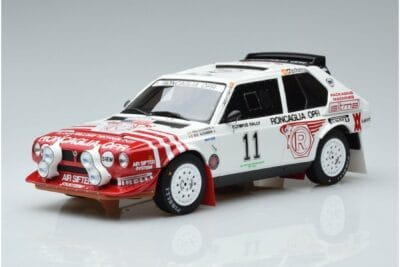
1:18 model cars sit at the heart of serious collecting because they feel substantial in the hand and convincing on display, without demanding the space (or budget) of the truly large formats. At roughly 23–28cm long for most road cars, the scale is big enough to show the character lines that define a shape, the texture differences between leather and Alcantara inside, and the stance that separates an ordinary replica from one that looks “right” from across the room. It is also the point where model engineering becomes part of the appeal: doors that shut cleanly, hinges that operate smoothly, and wheel-and-tyre packages that match the real car’s intent rather than merely filling an arch.
Collectors often arrive here after experimenting with smaller scales and wanting more presence, or after buying a single “hero” model and discovering that 1:18 encourages curation. Whether you favour classic grand tourers, British racing green sports cars, modern hypercars, or motorsport legends, 1:18 scale model cars provide enough surface area and depth for makers to reproduce paint quality, badging, grilles and interior detailing in a way that genuinely rewards close inspection. For many UK enthusiasts, that makes the scale a natural centrepiece format for a study, home office, or glass cabinet in the lounge.Why 1:18 remains the collector’s benchmark
What makes 1:18 special is how it balances three practical realities: visual impact, detail capacity and display management. The models are large enough to read as miniature vehicles rather than “toys”, yet compact enough to collect in meaningful numbers. A single shelf can hold a coherent theme—say, a decade of Porsche 911 evolution, a line-up of Aston Martin DB models, or a touring-car grid—without the collection feeling cramped. At the same time, each piece can still stand alone; a well-chosen 1:18 can anchor a cabinet in a way smaller scales rarely do.
This scale is also where differences between makers become obvious. In 1:18, you can see whether the windscreen rake is correct, whether the wheels sit with the right offset, and whether the ride height matches period photographs. Paint becomes a serious variable rather than a simple colour: metallic flake size, depth of clear coat, and the crispness of masking around two-tone schemes are all more visible. For collectors who enjoy comparing versions of the same car—different years, trims, or liveries—1:18 makes those subtle distinctions part of the fun rather than something you have to imagine.
Motorsport subjects particularly benefit at this size. Sponsor logos are legible and properly placed, carbon-fibre textures can be suggested convincingly, and details such as tow points, brake cooling ducts and wheel fasteners read clearly. On road cars, the scale gives designers room to reproduce headlamp internals, mesh patterns and cabin architecture. Even if you never open a door, the extra volume helps with realism: dashboards have depth, seats look correctly proportioned, and glazing sits in a way that feels closer to the real thing.Diecast versus resin in 1:18 collecting
One of the first decisions collectors make in 1:18 is whether they prefer diecast or resin. Diecast models—traditionally zinc alloy bodies with separate parts—often appeal to those who enjoy opening features. At this scale, functional doors, bonnets and boots can be genuinely satisfying, revealing engine bays, spare wheels, luggage sets or properly rendered inner wings. A good diecast 1:18 feels like a miniature machine: it has weight, it handles like a solid object, and it often offers the most interactive ownership experience.
Resin models, by contrast, are typically sealed, prioritising exterior accuracy and surface finish over opening panels. For modern supercars and limited-run exotics, resin can deliver very sharp shut lines, consistent paintwork and accurate shapes around complex areas such as A-pillars, intakes and rear haunches. Many collectors accept sealed construction because the silhouette and stance matter most in a display, and because manufacturers can focus budget on what you see every day: body proportions, wheel design, brake detail and crisp trim. In 1:18, that choice is not about “better” or “worse”, but about what kind of ownership you enjoy.
It is also worth recognising that “diecast” and “resin” don’t automatically define quality. Entry-level diecast can look pleasing at a glance but may simplify grilles, lights or interior textures, while premium diecast can deliver superb paint depth, precise fitment and convincing cabin detail. Likewise, resin ranges from accessible sealed models designed for breadth to genuinely boutique pieces with finely rendered aero parts and outstanding stance. Thinking in terms of intention—interactive opening model versus sealed display sculpture—usually leads to happier collecting decisions than treating material as a ranking system.
For UK buyers, another practical factor is long-term care. Diecast hinges and opening parts benefit from gentle handling and stable display, while resin models tend to be more “set and forget”. Either way, dust protection matters: 1:18 shows dust quickly on horizontal surfaces like bonnets and rear decks, and metallic paint can lose its punch if kept in direct sunlight for long periods. A good cabinet with discreet lighting, or even simple clear display cases, helps preserve the finish and keeps fine details crisp.Choosing a maker: detail tiers and production approaches
The 1:18 market spans a wide range of approaches, and understanding the landscape helps you buy with confidence. At the premium end, manufacturers such as AUTOart and Kyosho have built reputations on consistent proportions, strong paint finish and a sense of engineering—precise panel fit, properly damped opening parts, and interiors that look designed rather than merely filled. Their best models feel considered: grilles have depth, lamp units have convincing inner structure, and wheel designs match the real car’s period-correct look rather than being “near enough”.
Mid-tier makers can be excellent value, particularly for collectors who want breadth: multiple eras, body styles and marques without turning every purchase into a major investment. Brands such as Minichamps and Norev often appeal here, offering attractive subjects with dependable presentation and enough detail to satisfy in a cabinet. Depending on the model, you may see differences in how finely the maker renders items like badging, window trim, or the texture of tyres, but the overall package can be very convincing—especially for modern road cars where the exterior design is the main event.
For more accessible collecting, brands such as Solido, Bburago and Maisto can provide a straightforward route into 1:18, especially for popular modern supercars, classic icons and cars with strong visual identities. These pieces can be ideal for themed displays where you want “the shape and the colour” represented, or for collectors who enjoy modifying, weathering, or building dioramas without worrying about handling an expensive model. Many enthusiasts start with an affordable 1:18 and then upgrade select favourites to premium versions, keeping the entry pieces as supporting cast in a broader display.
At the boutique end, the conversation becomes more about limited-run presentation and subject choice than simple materials. Brands such as BBR and Amalgam are known for high-end display pieces where paint accuracy, wheels, brakes and exterior detailing are executed to an exceptionally high standard, often focusing on modern supercars, historic racing legends, and special editions that collectors want as centrepieces. These models tend to be less about opening features and more about capturing the exact look of the car—correct stance, correct trim, and a finish that reads as miniature coachwork rather than painted castings.
Classic and pre-war subjects bring their own demands, and makers such as CMC have long appealed to collectors who value intricate detailing: wire wheels, metal components, leather straps, and the sort of engineering theatre that makes an old racing car feel alive. In 1:18, those details are large enough to appreciate properly, and they suit collectors who enjoy spending time with a model—examining how it is built, not just what it represents. If your tastes run to vintage Grand Prix cars, Mille Miglia machinery, or the golden age of sports racing, 1:18 is often the scale where that craftsmanship is most rewarding.Curating a 1:18 collection for display and enjoyment
Because 1:18 has genuine physical presence, a little planning goes a long way. Many collectors find it helpful to decide whether they want a “museum line” (a small number of exceptional pieces with space around each), a “timeline” (a marque’s development across decades), or a “theme” (motorsport, British classics, wedge-era supercars, homologation specials). A British-focused cabinet can be especially satisfying: Jaguar E-types and XJ saloons, Aston Martin’s DB lineage, Bentley grand tourers, and modern McLaren road cars all work well at 1:18 because the scale captures the long-bonnet proportions and subtle surfacing that define British design language.
Motorsport themes are another natural fit, particularly given the UK’s heritage in Formula 1, endurance racing and touring cars. In 1:18, you can build a display that tells a story—Le Mans winners by era, a grid of iconic liveries, or a set of cars linked by a driver or team. The scale also suits diorama elements if you choose to go further: pit boards, tyre stacks and period signage can turn a cabinet shelf into a scene. If you prefer road cars, grouping by colour palette can look remarkably sophisticated: British racing green alongside silver, dark blues and warm metallics creates a cohesive, understated presentation that suits the scale’s “miniature automotive art” character.
Practicalities matter too. Consider depth as well as width: some modern cars are very wide in 1:18, and mirrors or aero elements can catch when you slide models in and out of a cabinet. Display bases help keep paintwork safe and make moving models easier. Keep original packaging where possible; even if you do not plan to sell, boxes protect during house moves and make seasonal rotation simple. When handling, lift from the chassis rather than wings, mirrors or spoilers, and avoid resting models on tyres for long periods in hot conditions, as some tyres can react with certain display surfaces over time.
Finally, remember that 1:18 collecting is meant to be pleasurable, not a test of perfectionism. Some collectors chase absolute accuracy; others chase memories—cars they owned, cars they lusted after, cars they saw at Goodwood or Silverstone. The best 1:18 collections often mix tiers deliberately: a couple of premium centrepieces, a supporting cast of strong-value models, and the occasional fun purchase that simply makes you smile when you walk past the cabinet. Browse the range, compare approaches, and let the scale’s balance of presence and detail guide you towards models you will still enjoy looking at in five years’ time.